Intrinsic in-game advertising functions as a resilient, year-round engagement channel that maintains steady session volumes even during seasonal lulls in traditional media. While PC and console platforms offer superior immersion and average session lengths of 107 minutes, mobile gaming provides twenty-five times the impression scale and greater gender diversity. Market data reveals a significant strategic opportunity in the first quarter, particularly in North America, where advertising costs drop by over 25% despite high player activity. This period offers a cost-effective window for wellness and travel brands to reach an attentive audience at a lower entry point than the highly competitive fourth quarter.
The effectiveness of this medium is driven by high viewability rates reaching nearly 100% and attention metrics that consistently outperform traditional digital formats. Although the sports genre commands the highest playtime and premium pricing, racing and simulation categories represent efficient alternatives where high engagement intersects with lower costs. Regional performance varies significantly, with European markets offering peak value in the first and third quarters, while the Asia-Pacific region follows a distinct cycle driven by second-quarter demand and localized cultural events.
Beyond visibility, these advertisements generate substantial brand lift, including a 20-point increase in recall and a 6% conversion rate for physical foot traffic. While male players currently report higher brand favorability, female audiences demonstrate stronger purchase intent, suggesting a need for more nuanced targeting strategies. Overall campaign performance remains highly efficient, with conversion costs averaging 21% below established goals. To maximize these returns, advertisers must integrate gaming into their permanent media mix, while developers should align in-game events with high-demand periods and real-world sporting calendars to optimize revenue.
Anzu · 2026
Anzu · 2025
Anzu · 2025
Anzu & Semcasting · 2025
Anzu · 2023
Sensor Tower · 2026
Sensor Tower · 2024
Liftoff · 2024

data.ai · 2023

data.ai · 2023

Tenjin · 2023

IDC · 2023
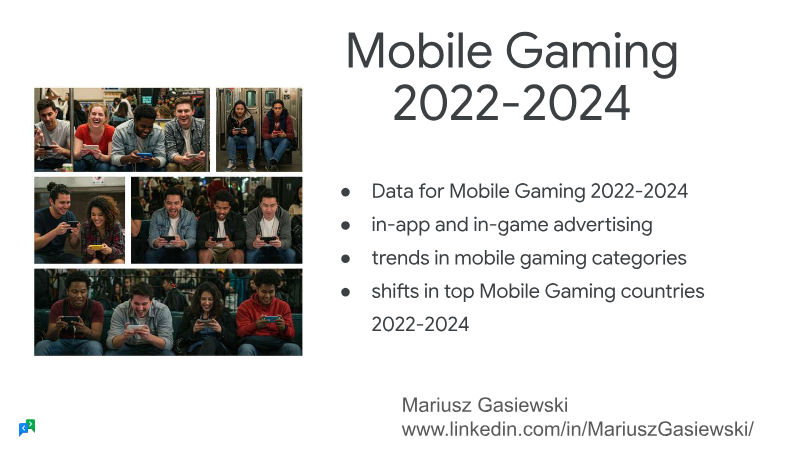
Google · 2022
ironSource · 2022

App Annie · 2021
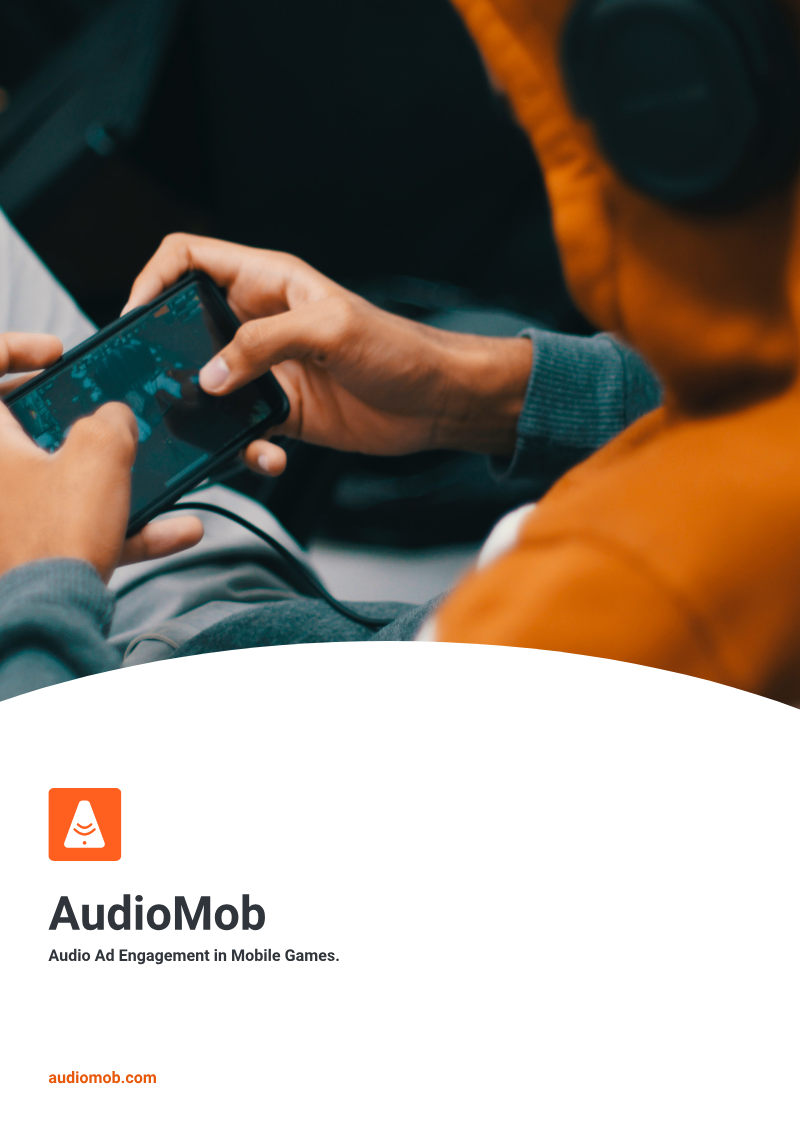
AudioMob · 2021

Almedia · 2026