1 free read left. Create a free account for unlimited reading + AI research.
Create free accountArticle SuperJoost
1 free read left. Create a free account for unlimited reading + AI research.
Create free accountArticleSuperJoost
The launch began in June 2025 with parallel increases elsewhere. This marks a historic break from long-standing pricing discipline.
Nintendo’s recent decision to raise the Switch 2 price to $499.99 in the U.S., with parallel increases elsewhere, marks a historic break from its long-standing pricing discipline and signals a broader shift in console economics. The launch, which began in June 2025, already delivered nearly 20 million units and 49 million software sales, yet Nintendo forecasts a softer second year with 16.5 million units and an 11% revenue decline, citing rising production costs that a $50 price hike cannot fully offset. The move coincided with a 25% subscription increase in Japan and triggered an 8.4% drop in the company’s stock, its lowest level since August 2024 and a 34% year-to-date decline.
The price escalation reflects three converging pressures: memory component costs have surged as hyperscalers such as Amazon, Google and Microsoft invest heavily in AI infrastructure; shipping disruptions from the Hormuz Strait have inflated logistics expenses; and U.S. tariffs imposed last year, later ruled unlawful, still exerted a pricing drag estimated at up to $246 per console. These factors have compressed Nintendo’s margins, forcing a rare price increase even for the most disciplined hardware maker.
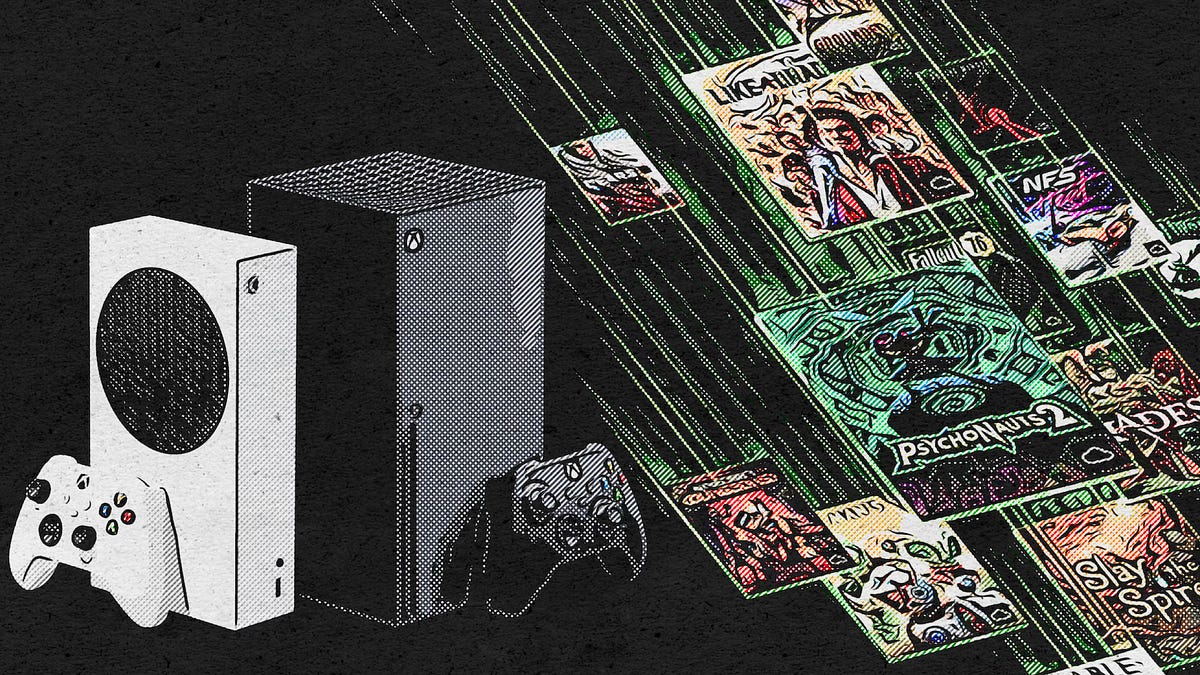
Industry peers mirror this trend. Sony announced an $899 PlayStation 5 Pro, while Microsoft raised Xbox Series X prices twice in 2025. Historically, console cycles feature mid-life price cuts; the current generation is reversing that pattern for the first time in four decades. Investors remain split: some view Nintendo’s move as a warning that even the most financially conservative player cannot absorb cost inflation, while others see it as an opportunity to buy a dip amid strong first-year sales and robust ancillary revenue streams from its film franchise and cash reserves. The shift underscores that console economics are now driven more by supply-chain constraints than by technology upgrades, compelling firms to rethink pricing models and product roadmaps for the next generation.

SuperJoost · 2026

SuperJoost · 2026
SuperJoost · 2026

SuperJoost · 2026

SuperJoost · 2026

SuperJoost · 2026

SuperJoost · 2026

SuperJoost · 2026
SuperJoost · 2026

SuperJoost · 2026

SuperJoost · 2026
SuperJoost · 2026
Extra Credits · 2025