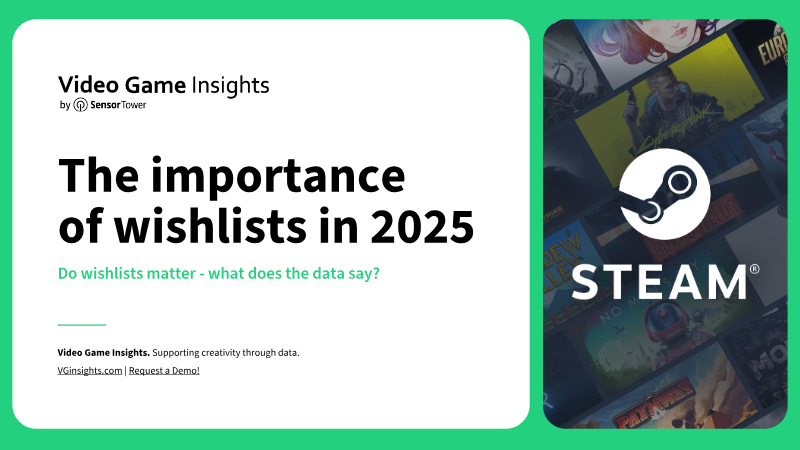
Executive Summary – “The Importance of Wishlists” (VGI Report, 2025)
1. What the Data Shows | Metric | Key Figure | Insight | |--------|------------|---------| | Games surpassing 100 k wishlists at launch | ~9 % (141/1 500) | Only a small minority achieve the “break‑out” threshold. | | Correlation (wishlists ↔ Month‑1 sales) | r ≈ 0.70 (RSQ ≈ 0.49) | Strong overall link, but it spikes to r ≈ 0.71 for games with > 100 k wishlists. | | Top‑heavy distribution | 1–2 % of titles > 1 M wishlists; > 90 % < 10 k | Success is heavily skewed toward a few blockbuster titles. | | Genre performance | Action/Adventure & RPG/Strategy → highest medians (≈ 180‑190 k) | Casual & MMO titles lag (median ≈ 70‑80 k) and rely more on post‑launch tactics. | | Wishlist momentum | Games that hit 100 k+ before launch have a 71 % chance of strong month‑1 sales vs. 17 % for < 100 k. | Momentum is a “crystal ball” for launch success. | | Steam page creation timing | 40 % of top performers publish 0.5‑1 yr before launch; 35 % publish > 1 yr early. | Early page creation gives sustained visibility and higher wishlist growth. | | Pre‑launch wishlist accumulation | 85 % of wishlists are collected ≥ 4 months before launch. | The bulk of audience commitment happens well before the final countdown. |
2. Why Wishlists Matter
1. Predictive Power – Once a title crosses the 100 k‑wishlist threshold, its first‑month sales become far more predictable (≈ 71 % correlation). 2. Marketing Leverage – High wishlist counts signal strong community interest, making it easier to secure press coverage, influencer partnerships, and paid‑media spend. 3. Resource Allocation – Studios can prioritize titles with early wishlist momentum for larger launch budgets and store‑front promotion. 4. Risk Management – Low‑wishlist titles (≤ 10 k) have a 50 % chance of under‑performing, suggesting a need for contingency plans (e.g., extended beta, community events).
3. How Games Accumulate Wishlists
| Tactic | Effectiveness (based on VGI data) | |--------|-----------------------------------| | Early Steam page (≥ 6 months pre‑launch) | +30 % average wishlist growth vs. late‑launch pages | | Regular content drops (trailers, dev logs, screenshots) | Each major trailer ≈ 10‑15 % spike in wishlist count (case: Kingdom Come Deliverance 2 added ~0.2 M per trailer) | | Early Access / Demo releases | Boosts momentum for “core” genres; median increase ≈ 12 % | | Community engagement (Discord, Reddit AMAs) | Stronger post‑launch
Sensor Tower · 2026

Adjust · 2026
Sensor Tower · 2026
Sensor Tower · 2026
Sensor Tower · 2026
Sensor Tower · 2026

Sensor Tower · 2026

Sensor Tower · 2026

Sensor Tower · 2026

Sensor Tower · 2026

Sensor Tower · 2026
Sensor Tower · 2026
Rokky · 2025
Video Game Insights · 2025

VG Insights · 2025

Video Game Insights · 2025

Video Game Insights · 2024
Video Game Insights · 2024
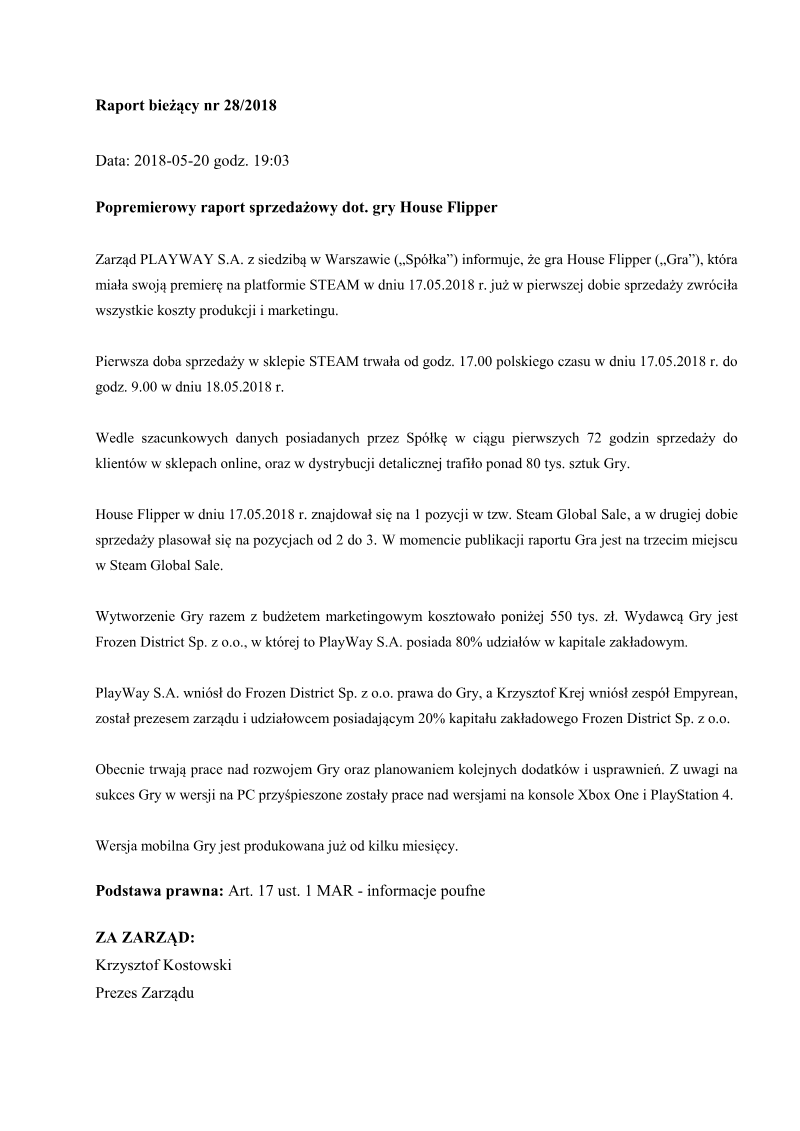
PlayWay · 2018
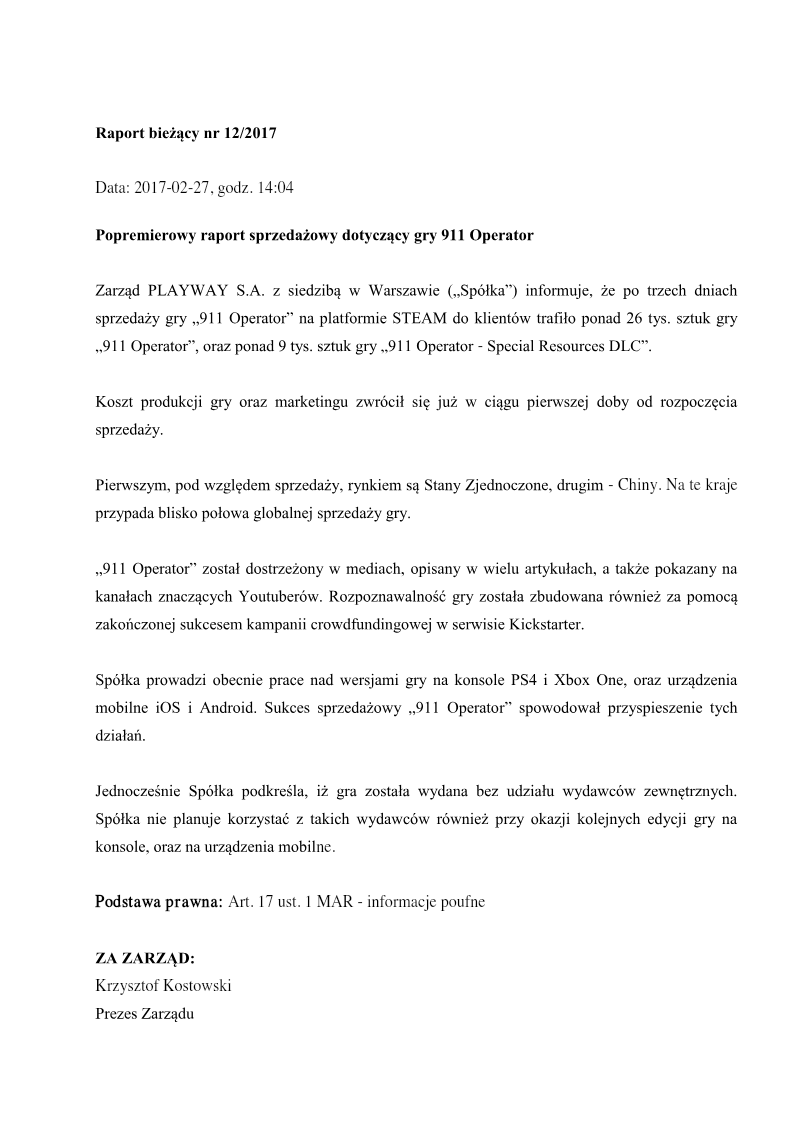
PlayWay · 2017
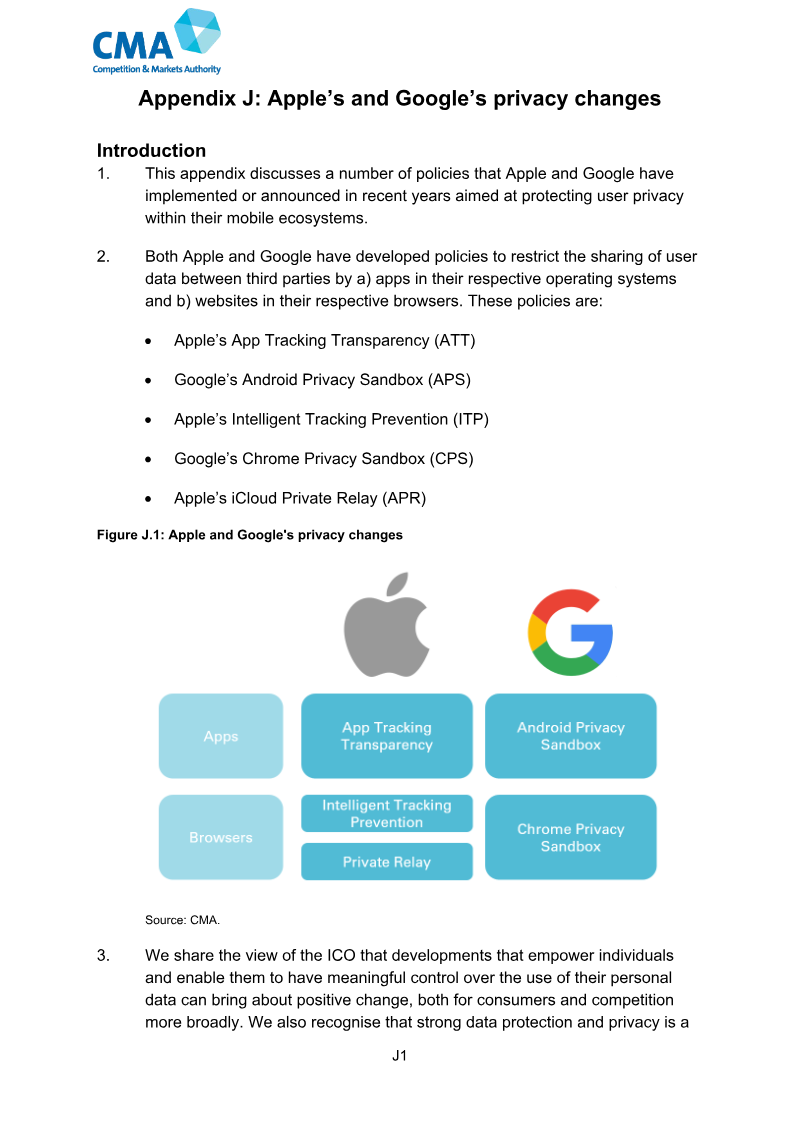
Competition · 2026

IGN Entertainment · 2026
Ubisoft · 2026
Niko Partners · 2026