ArticleGameDiscoverCo
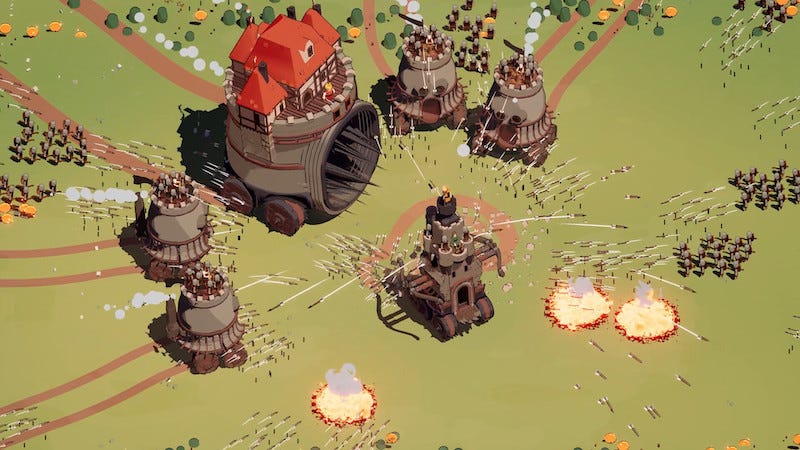
Why Did This Game's Trailer Spawn ~150k Steam Wishlists?
7 Nov 20251 page~10 min full read
Key insights
4 slides
The core claim
A high-concept hook drives organic discovery.
A game's hook is its ability to be understood, visualized, and shared instantly. Wanderburg generated approximately 150,000 Steam wishlists following two viral trailers.
The method
Public playtesting refined the core hook.
The team refined the concept through public playtesting. They pivoted away from more complex, slower-paced prototypes to prioritize the core hook.
Playtesting. Public playtesting should be used to pivot away from complex, slow-paced prototypes.
The context
Remakes and remasters generated $1.4 billion in spending.
Traditional titles remain viable alongside viral indie hits. Data from the 2024–2025 period indicates remakes and remasters generated $1.4 billion in consumer spending.
The implication
Success requires managing player expectations.
Success remains contingent on managing player expectations and delivering a polished final product.
Expectations. Success remains contingent on the ability to manage player expectations and deliver a polished final product.
1 / 4
Ask AI about this report