Key insights
7 slides
Player awareness
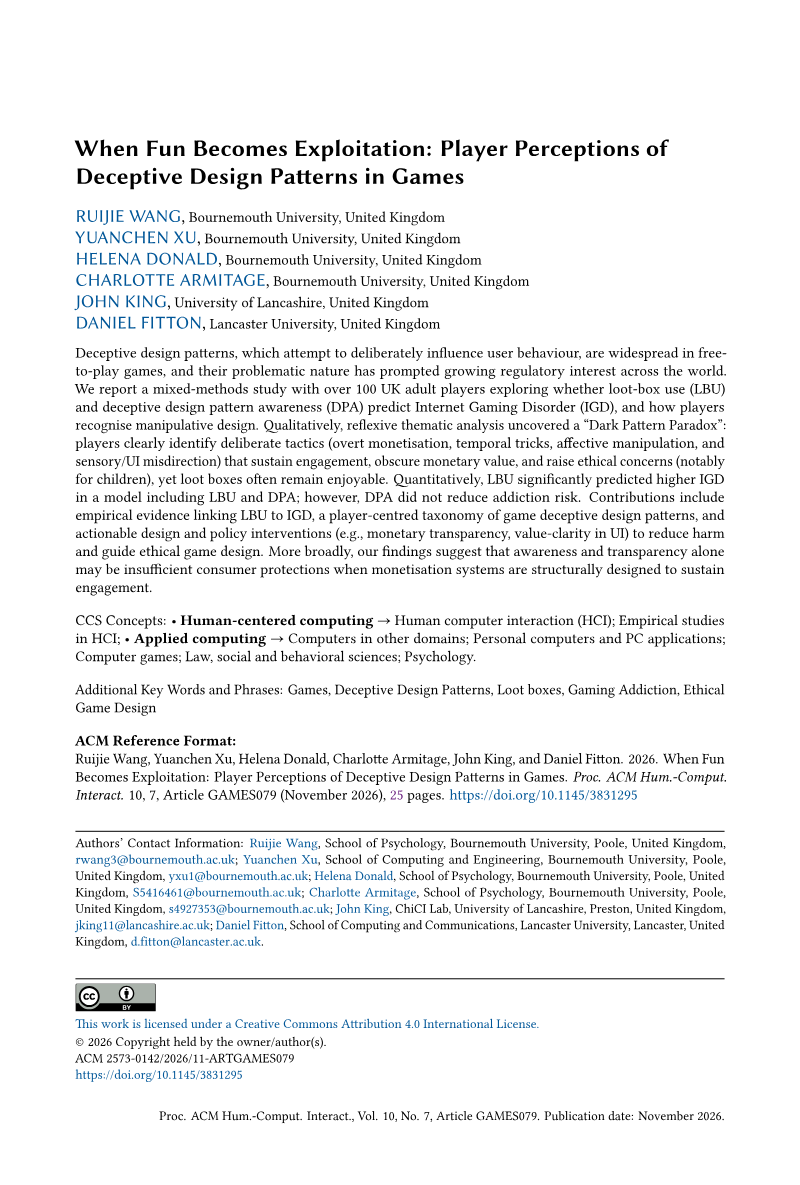
Players recognize deceptive design patterns in games.
Players understand manipulative tactics such as loot boxes, UI misdirection, and temporal tricks.
1 / 7
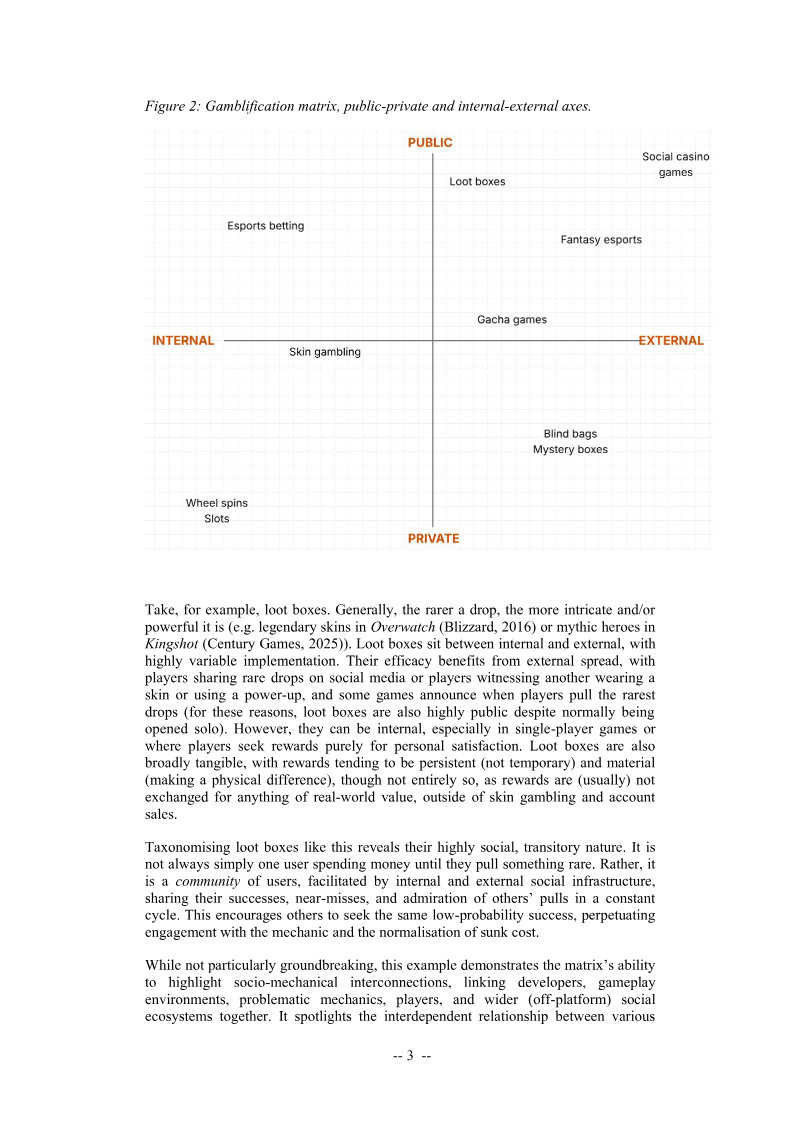
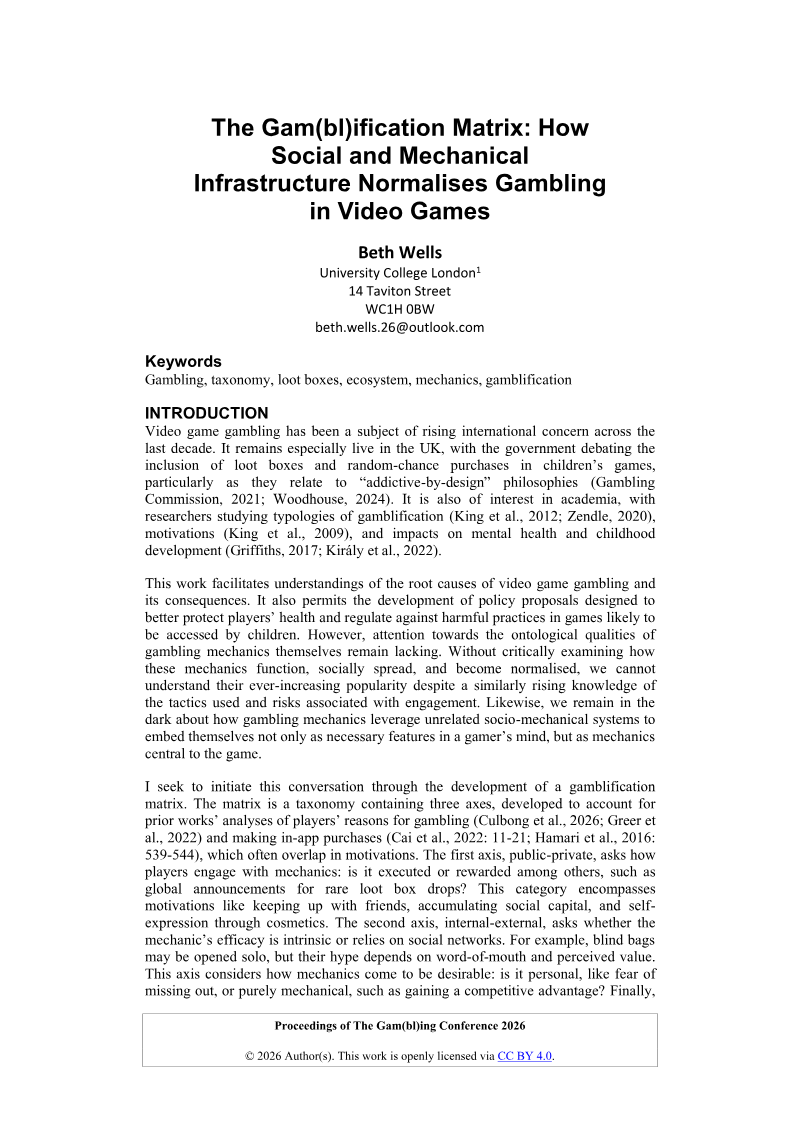
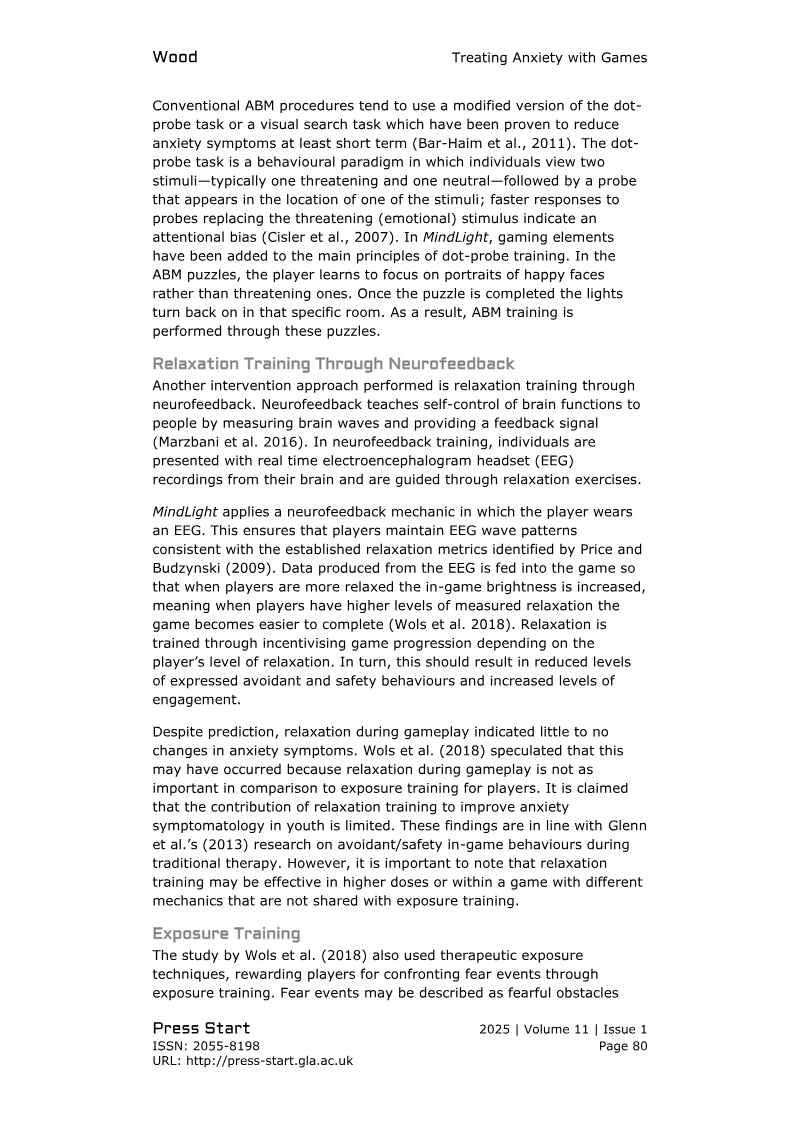
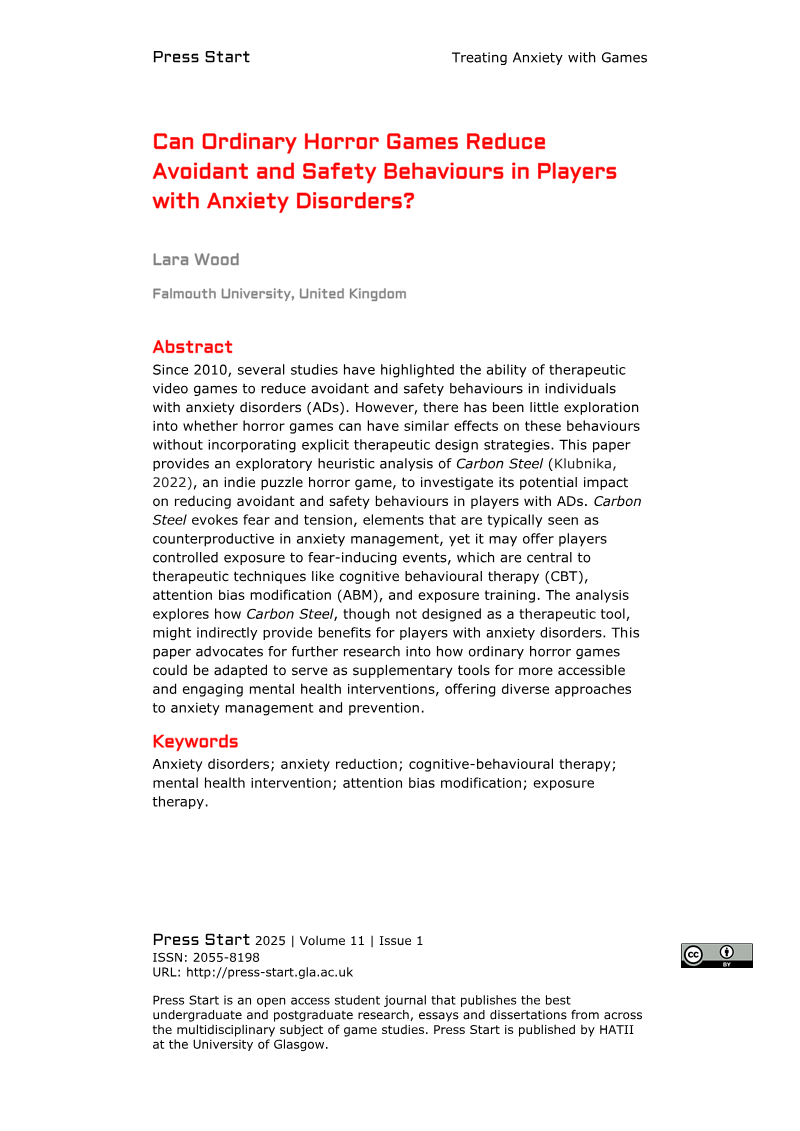
- 01Players recognize deceptive design patterns like loot boxes and UI misdirection, yet they continue to engage due to powerful hedonic and social reinforcements, a phenomenon termed the 'dark pattern paradox.'See it on page 1
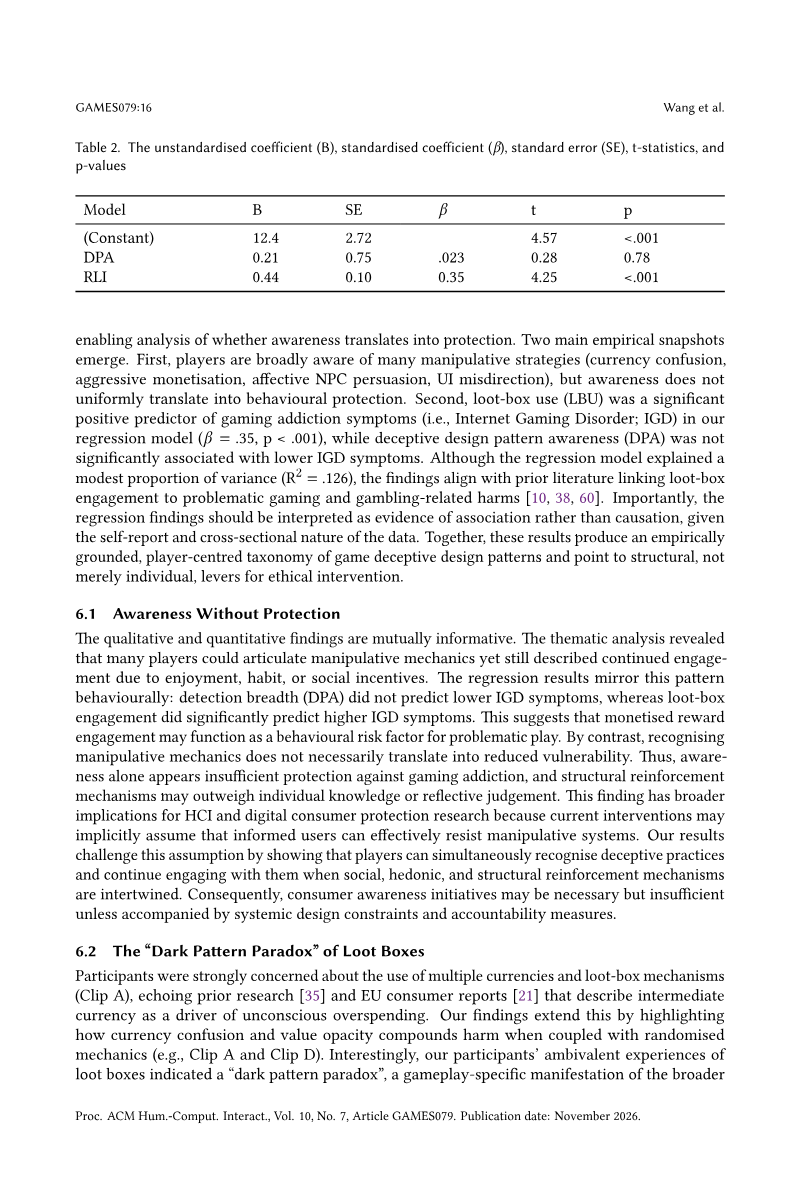
- 02Cognitive awareness of manipulative tactics is insufficient to prevent problematic engagement or symptoms of Internet Gaming Disorder, as these systems are engineered to bypass rational decision-making.See it on page 16
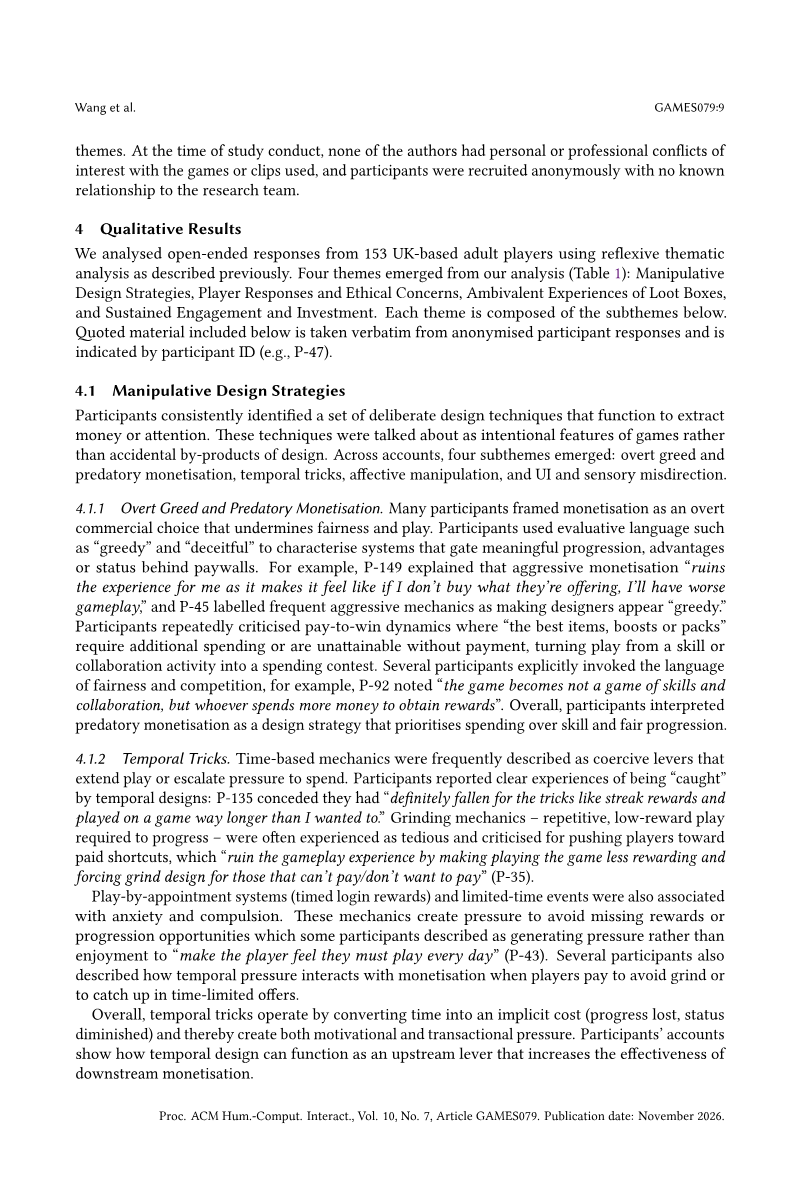
- 03Research involving over 300 adult participants in the UK confirms that players perceive current monetization models as exploitative, specifically noting that they undermine fair gameplay and skill-based progression.See it on page 9
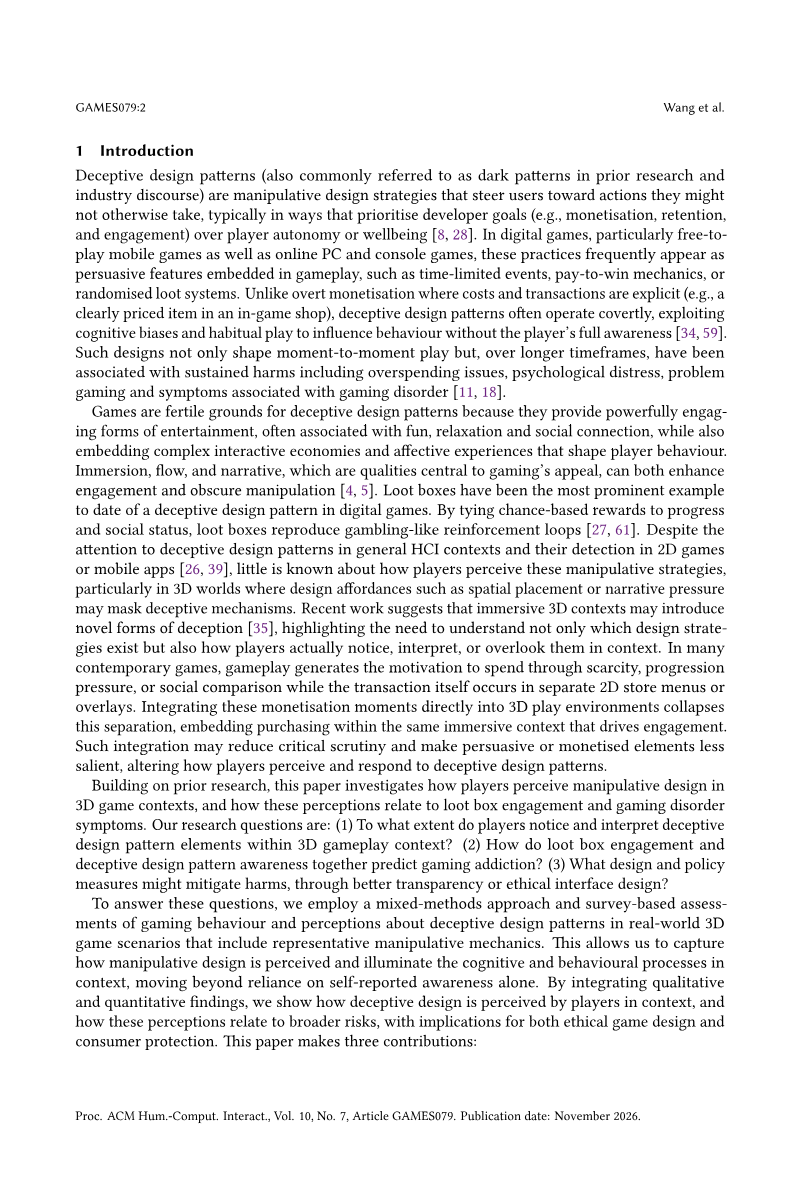
- 04Deceptive patterns rely on structural mechanisms such as habit loops, sunk-cost dynamics, and value obfuscation to sustain engagement through psychological exploitation.See it on page 2
- 05The convergence of gaming and gambling mechanics creates an environment where vulnerable users are particularly susceptible to coercive design, necessitating a shift toward mandatory monetary transparency and strict regulatory accountability.See it on page 21
- 06Industry reliance on individual player vigilance is an inadequate safeguard, requiring a fundamental move toward systemic design constraints that prioritize user well-being over short-term revenue gains.See it on page 20
Ask AI about this report
Summary
The gaming industry faces a critical tension between engagement strategies and ethical design, characterized by the prevalence of deceptive patterns that prioritize monetization over player agency. Research involving over 300 adult participants in the United Kingdom reveals that players possess a sophisticated understanding of manipulative tactics, such as loot boxes, UI misdirection, and temporal tricks. Despite this awareness, players frequently experience a dark pattern paradox, where they recognize the predatory nature of these systems yet remain deeply engaged due to powerful hedonic and social reinforcements. This psychological tug-of-war demonstrates that cognitive recognition of manipulation is insufficient to prevent problematic engagement or the development of symptoms associated with Internet Gaming Disorder.
These deceptive design patterns function through structural mechanisms including habit loops, sunk-cost dynamics, and value obfuscation, which are increasingly integrated into both 2D and 3D gaming environments. Players consistently perceive these strategies as exploitative, noting that they undermine fair gameplay and skill-based progression. While this dissatisfaction is nuanced and varies based on the perceived intrusiveness of the mechanics, the overarching trend indicates that current monetization models rely on affective manipulation that bypasses rational decision-making. The convergence of gaming and gambling mechanics further exacerbates these risks, creating an environment where vulnerable users are particularly susceptible to coercive design.
Given that consumer awareness initiatives fail to mitigate the risks of addiction or excessive spending, the industry requires a fundamental shift toward systemic intervention. Relying on individual player vigilance is an inadequate safeguard against systems engineered to sustain engagement through psychological exploitation. Effective protection necessitates the implementation of mandatory monetary transparency, strict limits on coercive design patterns, and enhanced regulatory accountability for developers. Moving forward, the industry must prioritize structural design constraints that protect user well-being over the short-term revenue gains generated by manipulative monetization strategies.