Loading the document
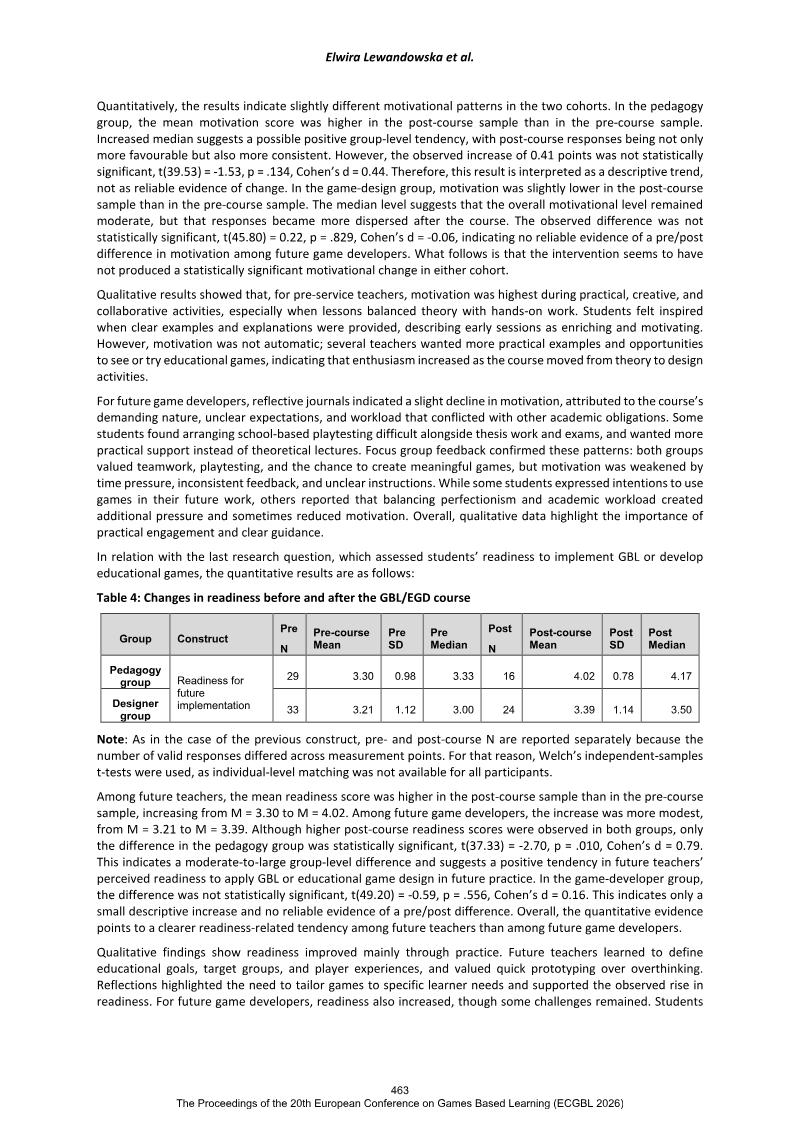
Key insights
4 slides
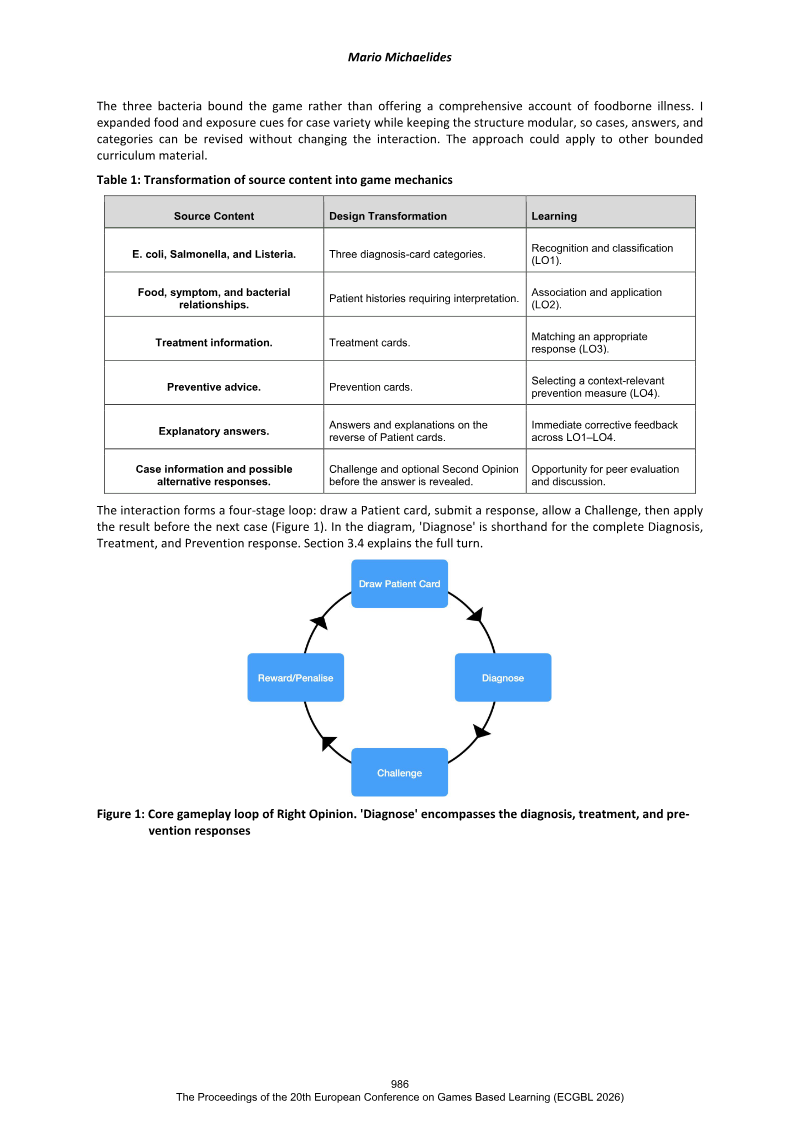
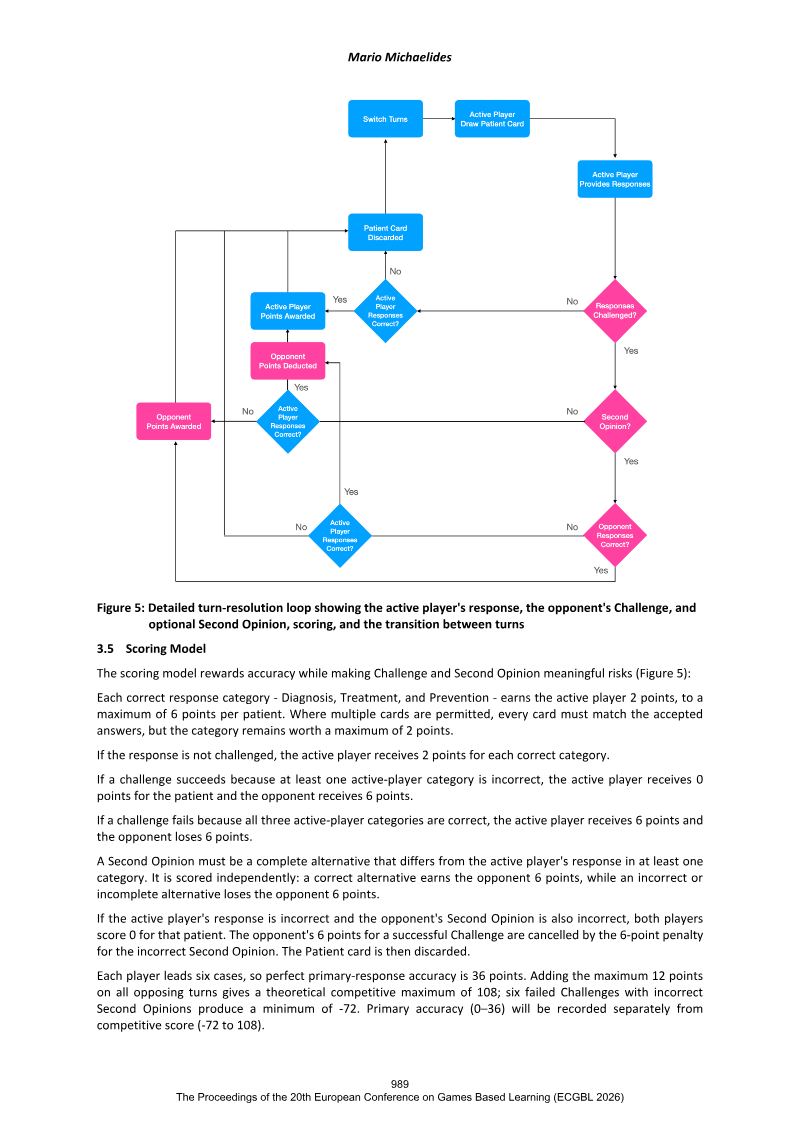
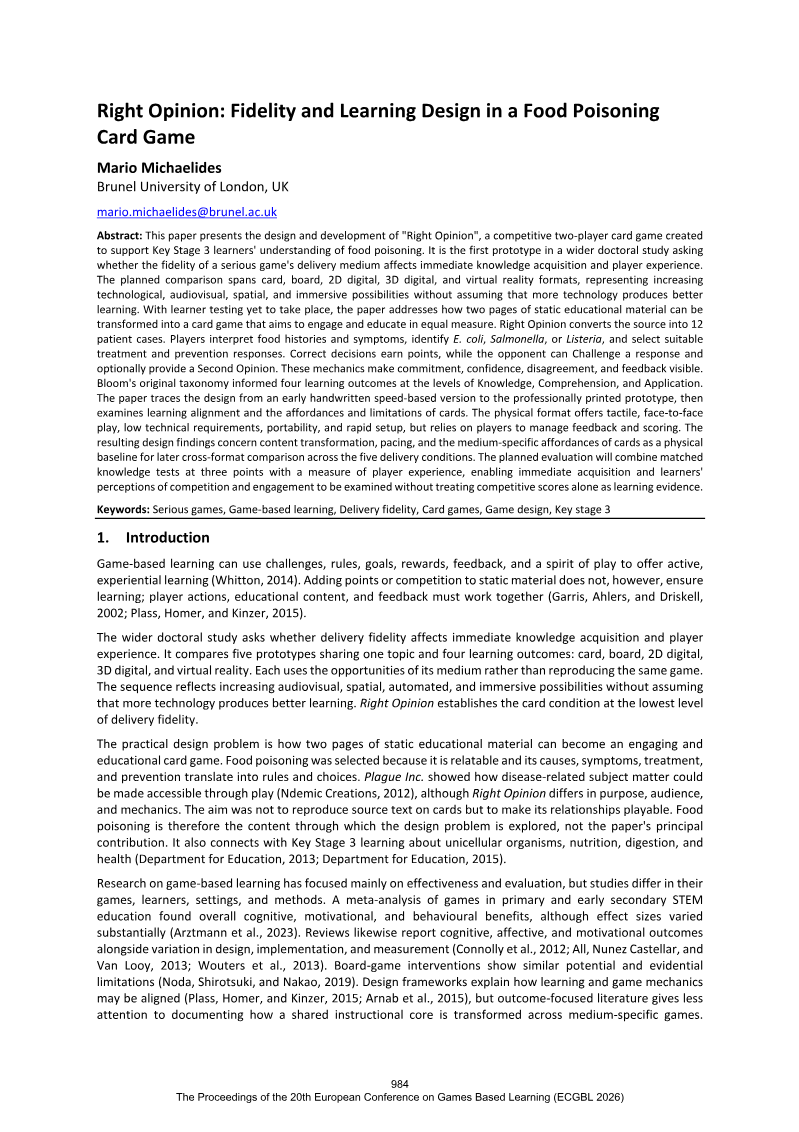
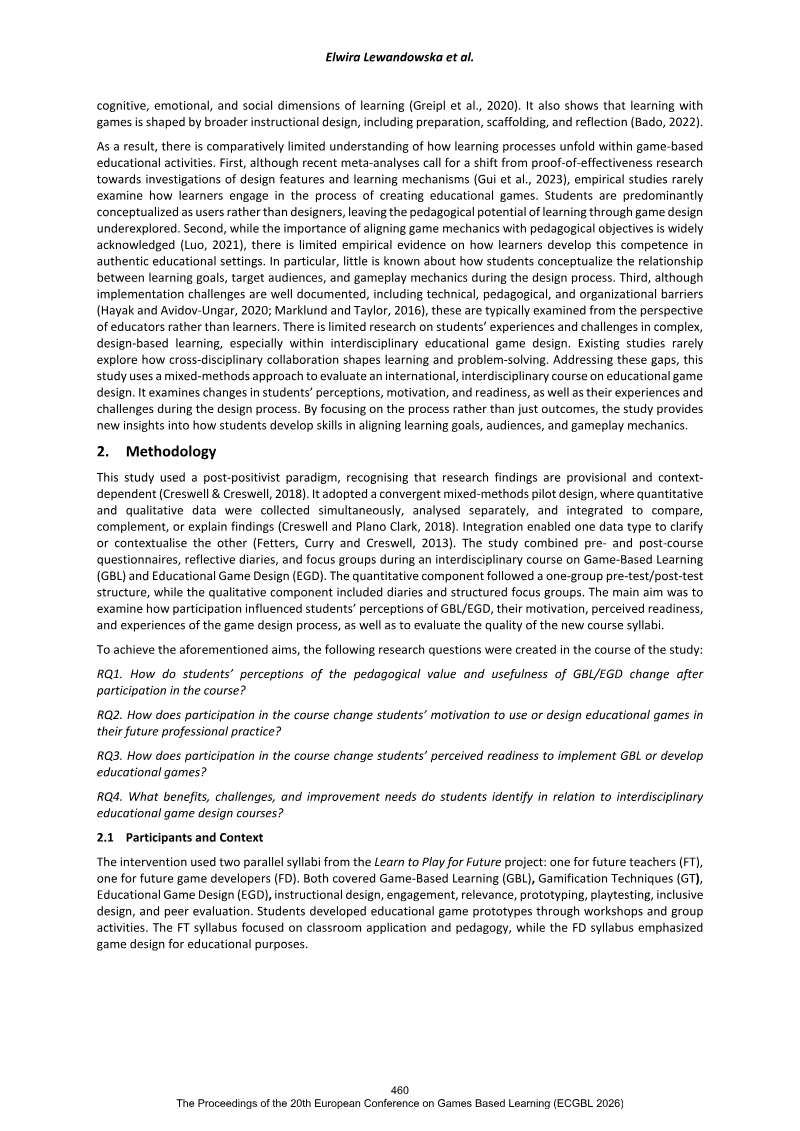
The approach
An RPG framework replaces traditional rote learning with narrative-driven exercises.
The Crypt of Notation embeds fundamental musical notation and sight-reading into an immersive role-playing game.
It's like turning a textbook into an adventure novel, making the learning journey more captivating.
1 / 4
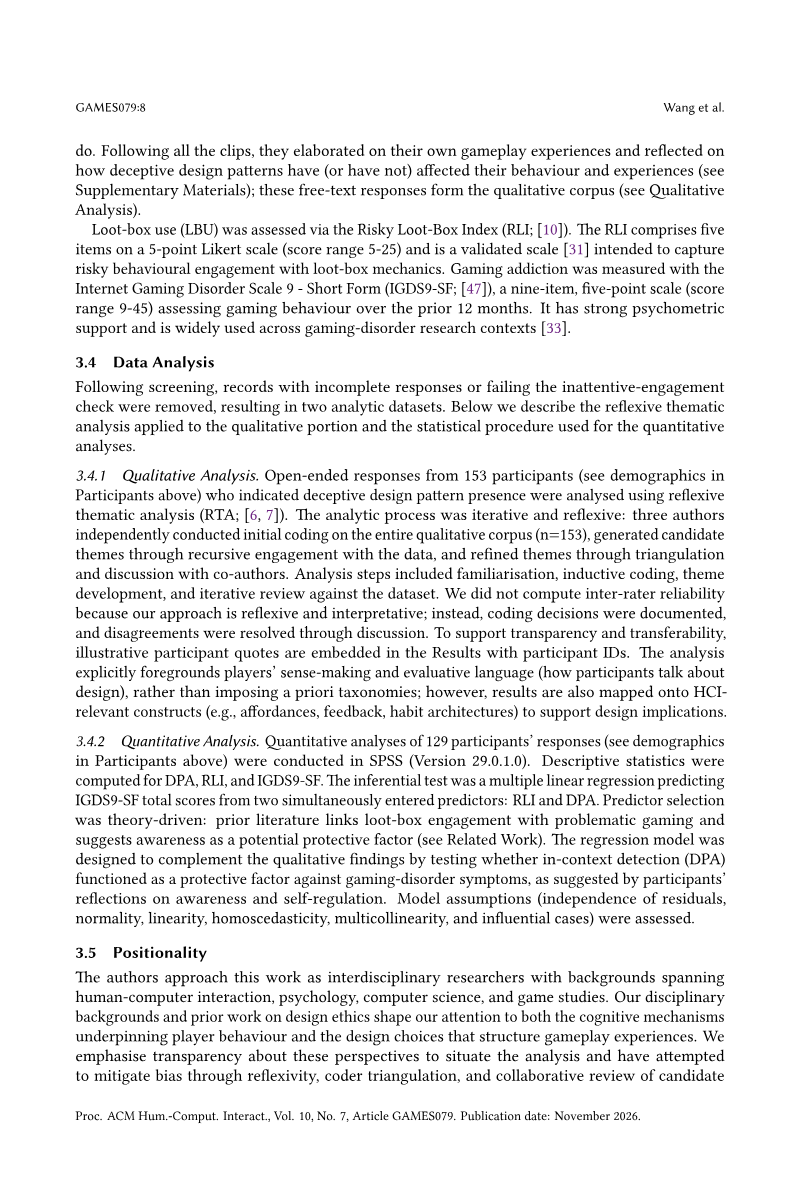
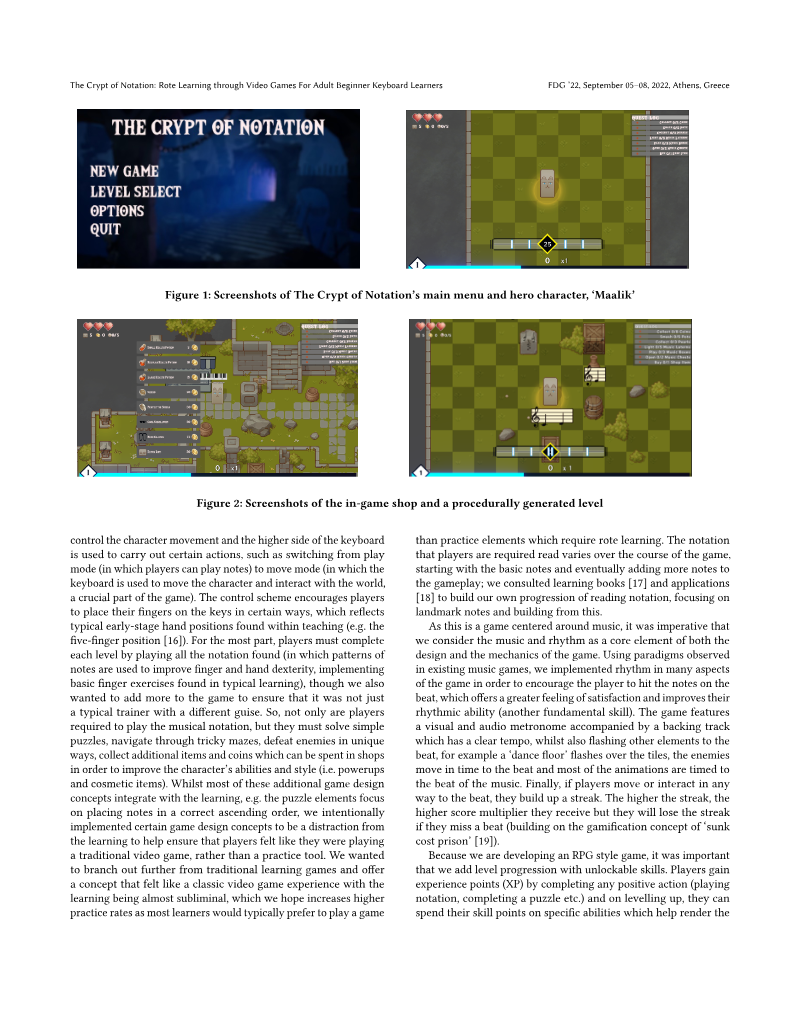
- 01The Crypt of Notation uses an RPG framework to replace traditional rote learning with narrative-driven sight-reading exercises to combat high attrition rates in adult keyboard instruction.See it on page 3
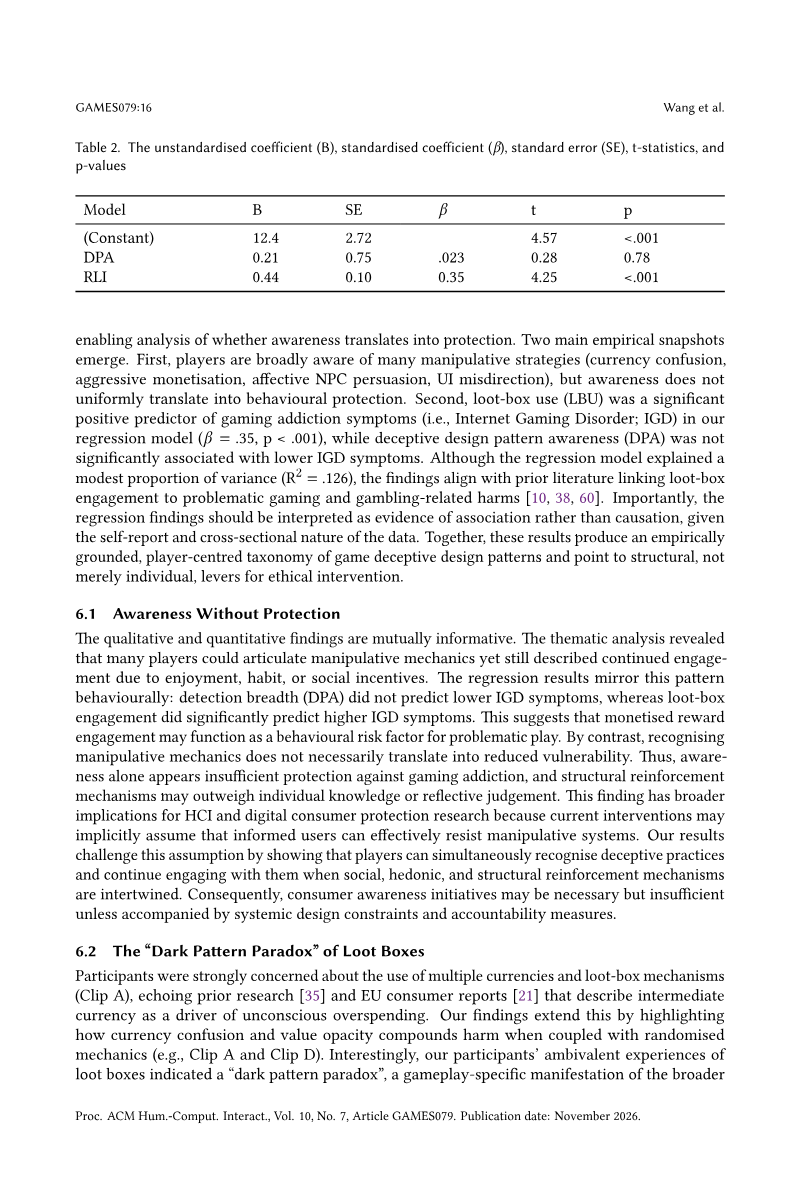
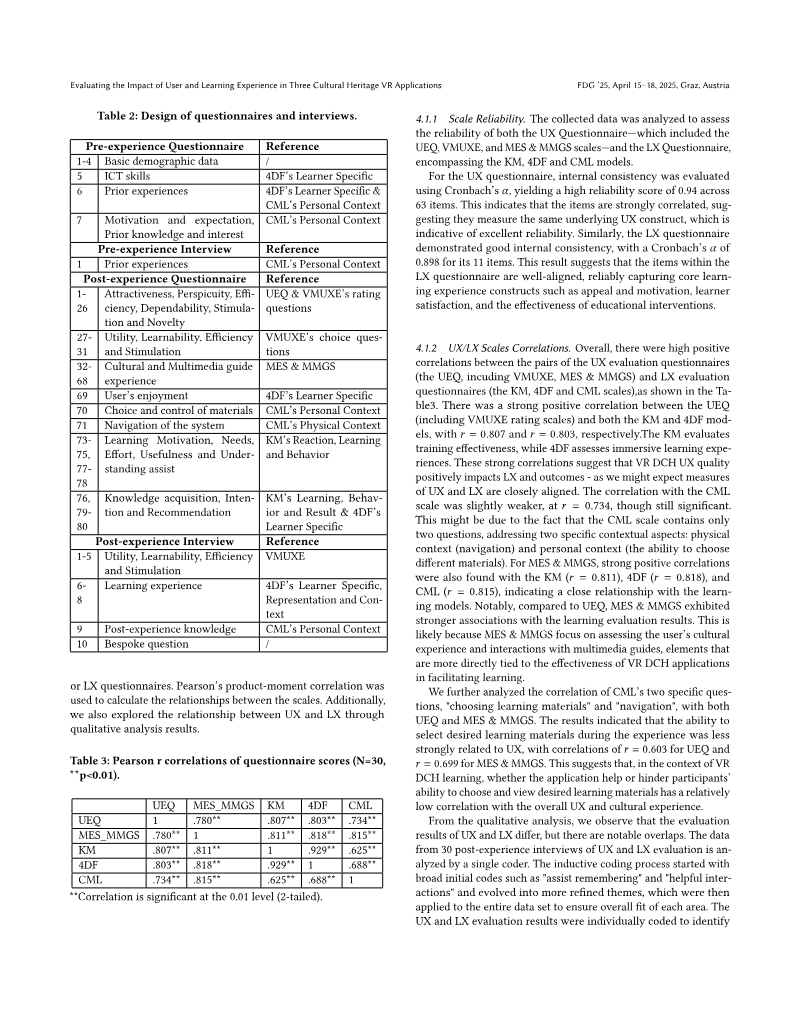
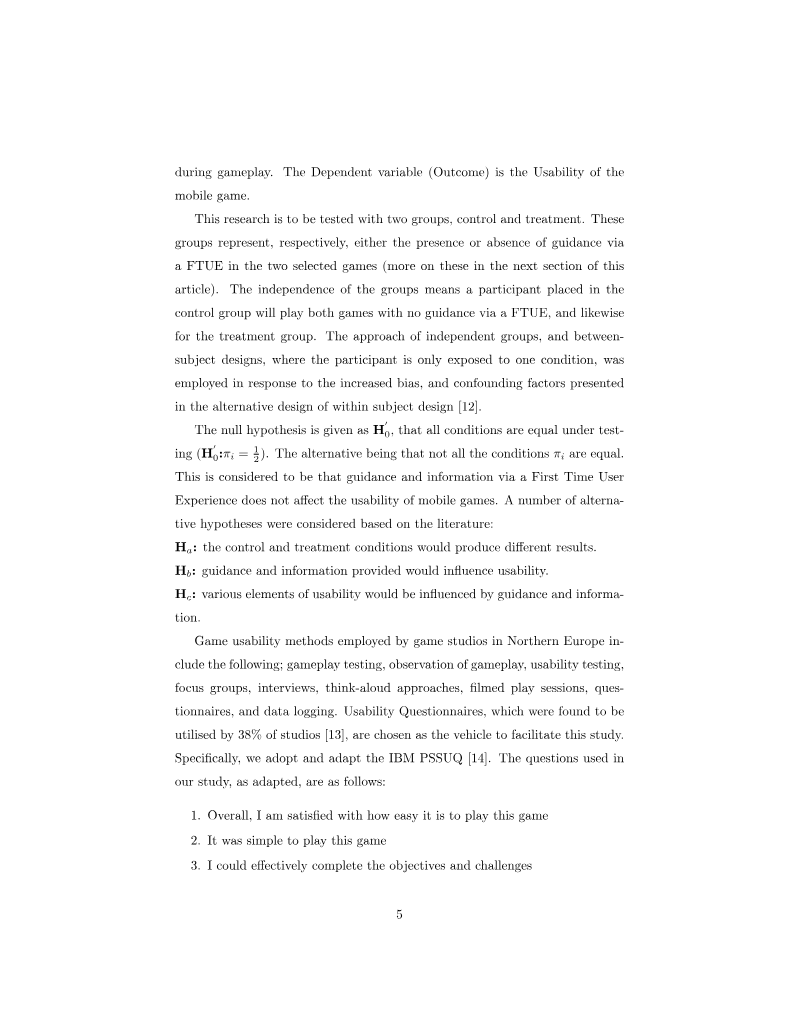
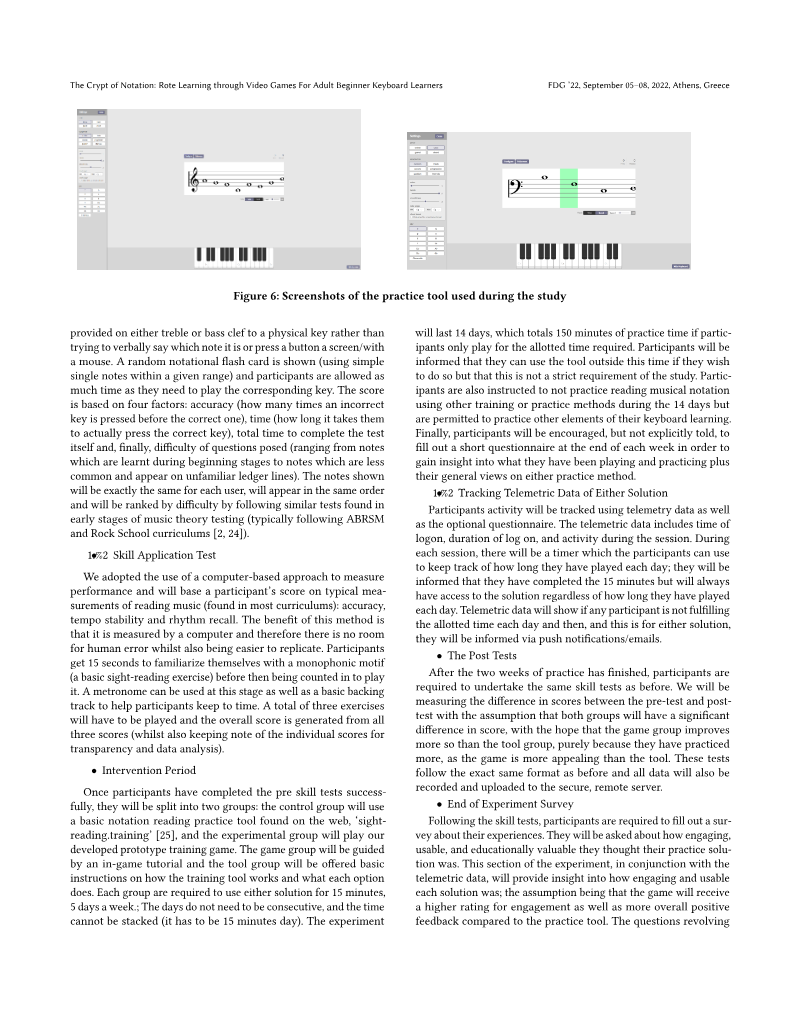
- 02The software utilizes MIDI keyboard input to capture granular telemetric data on student performance, specifically tracking accuracy, tempo, and rhythmic precision.See it on page 7
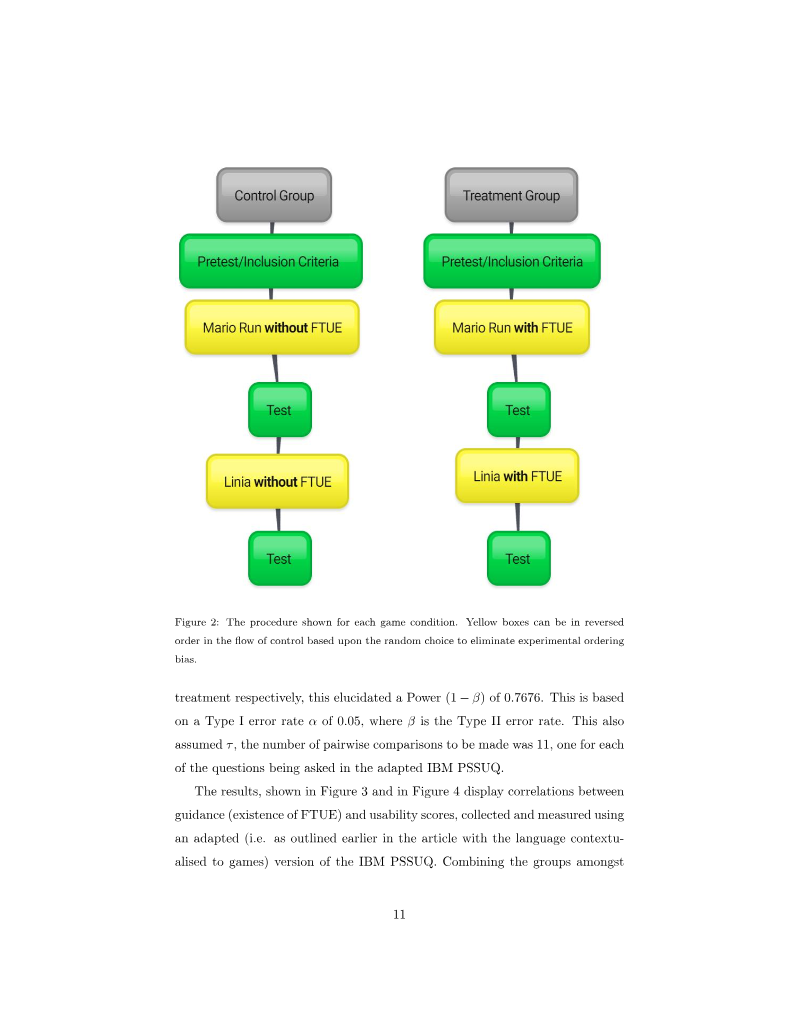
- 03The research methodology employs a two-week longitudinal study that combines quantitative telemetry with standardized pre- and post-skill acquisition tests and weekly user surveys.See it on page 7
- 04The platform aims to reduce learner frustration and sustain long-term motivation by integrating procedural level generation and clear progression paths into the music curriculum.See it on page 8
- 05The study validates that applying game design paradigms to music education serves as a scalable, effective alternative to conventional training tools for complex skill acquisition.See it on page 2
Ask AI about this report
Summary
The Crypt of Notation functions as an innovative pedagogical tool designed to mitigate the high attrition rates typically associated with adult keyboard instruction. By embedding fundamental musical notation and sight-reading exercises within an immersive role-playing game framework, the software transforms the inherently tedious process of rote learning into a structured, narrative-driven experience. The primary thesis posits that integrating gamification elements—such as procedural level generation, rhythmic mechanics, and clear progression paths—significantly enhances learner engagement and retention compared to traditional, non-gamified instructional methods.
The research scope focuses on adult beginners, utilizing a two-week longitudinal study to evaluate the efficacy of the software in real-world home environments. By leveraging MIDI keyboard input, the system captures granular telemetric data regarding accuracy, tempo, and rhythmic precision. This quantitative approach is complemented by standardized pre- and post-skill acquisition tests and weekly surveys, which collectively measure the transition from digital practice to real-world musical application. The study aims to validate whether this gamified approach effectively reduces learner frustration and sustains long-term motivation.
Ultimately, the findings suggest that the application of game design paradigms to music education offers a viable alternative to conventional training tools. By prioritizing interactive feedback and consistent engagement, the platform addresses the psychological barriers that often lead adult students to abandon musical training. The evidence gathered through this longitudinal analysis underscores the potential for digital gaming environments to serve as effective, scalable solutions for skill acquisition in complex domains like music theory and performance.