Loading the document
Key insights
5 slides
Current limits
Commercial off-the-shelf software lacks the clinical adaptability needed for Parkinson's rehabilitation.
Bespoke serious games are designed to overcome these limitations.
1 / 5
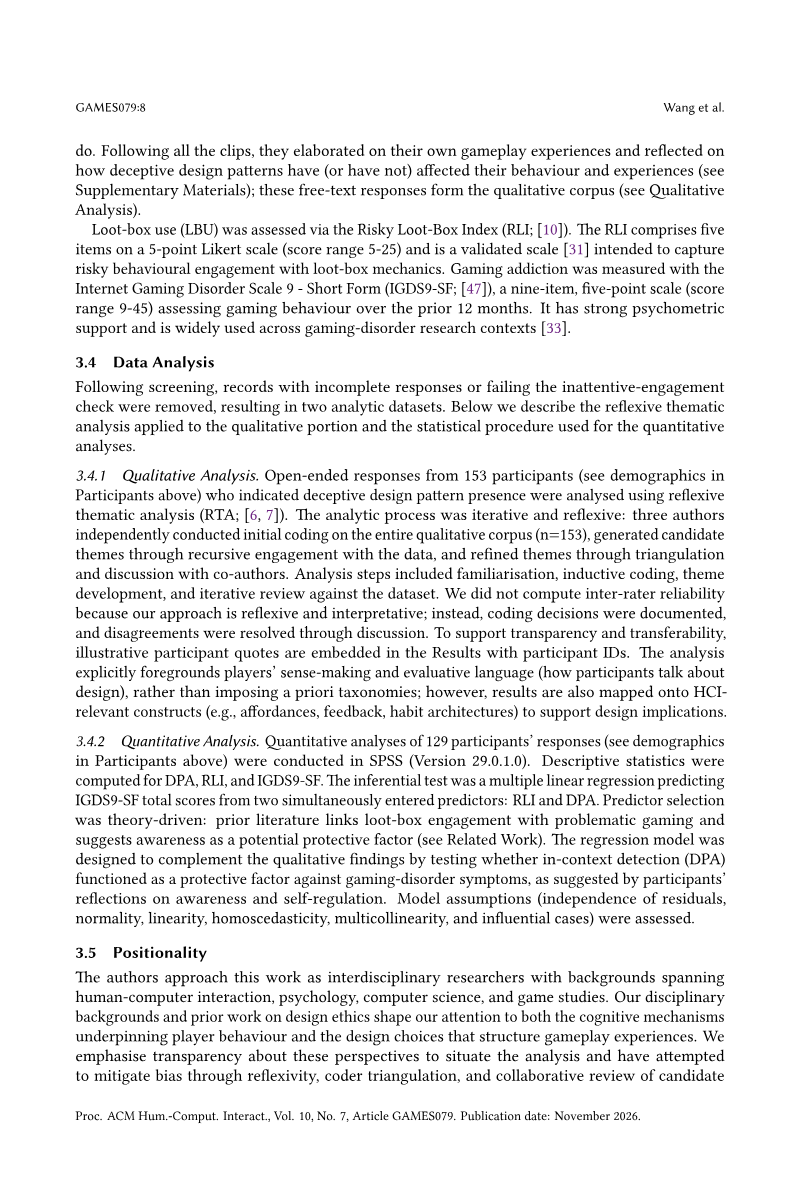
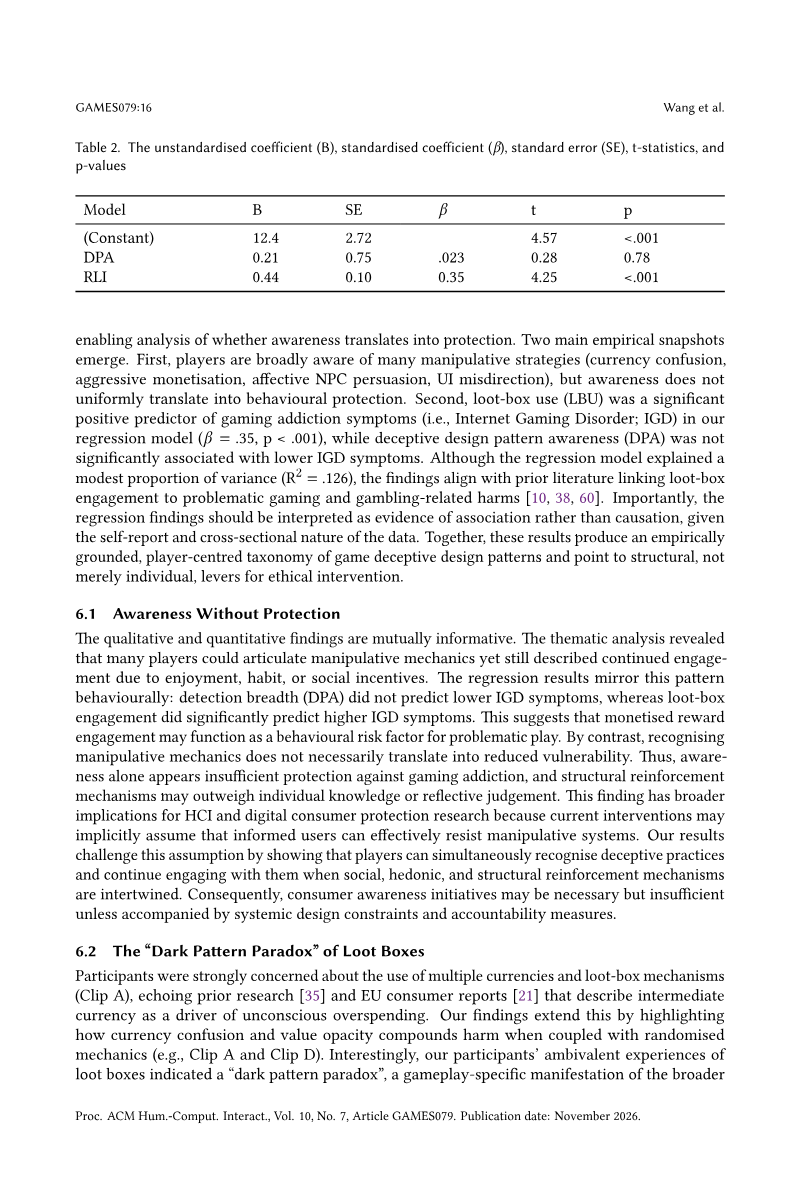
- 01Bespoke serious games for Parkinson’s rehabilitation outperform commercial off-the-shelf software by allowing for the clinical adaptability required to address fluctuating motor impairments.See it on page 1
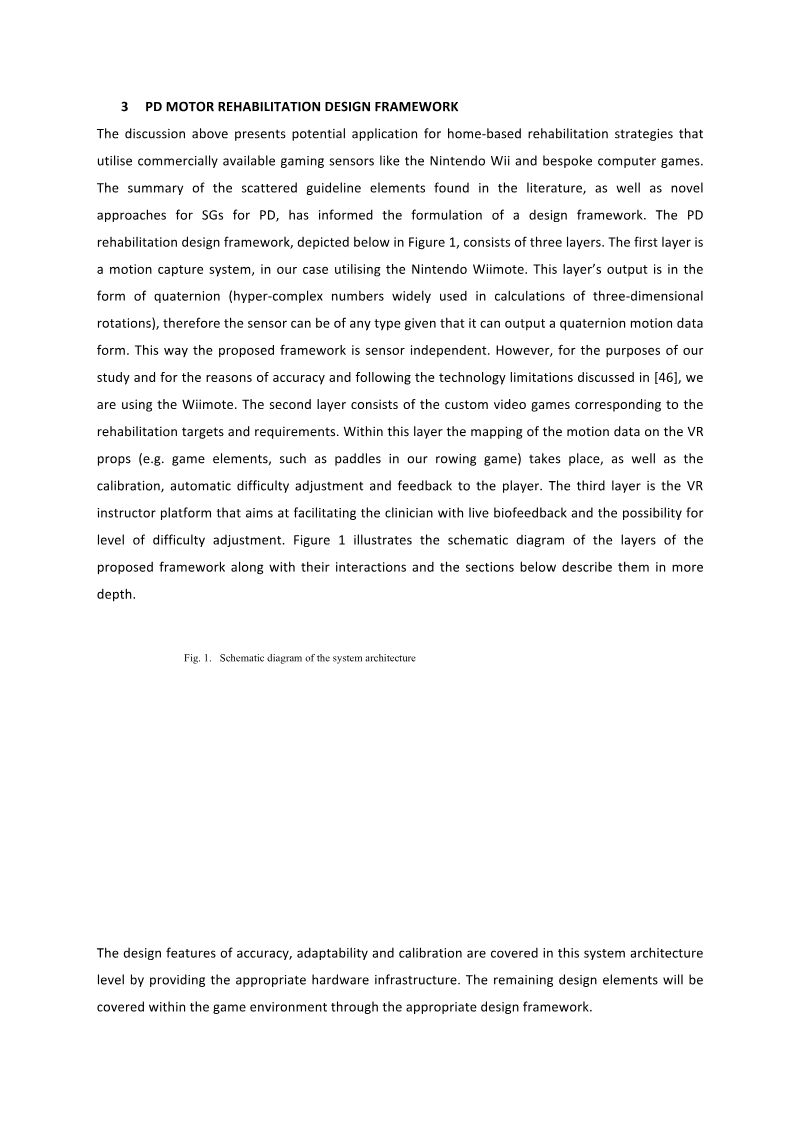
- 02Effective rehabilitation design requires a three-layer architecture consisting of motion capture, dynamic gameplay, and remote clinical monitoring.See it on page 9
- 03Games modeled after familiar, real-world activities—such as rowing—generate significantly higher patient motivation compared to abstract gameplay concepts.See it on page 21
- 04Technical systems must include automatic calibration to adjust difficulty based on a patient’s specific range of motion and provide real-time biofeedback.See it on page 11
- 05The framework focuses on upper-limb motor rehabilitation, utilizing simple, single-plane movements to ensure accessibility and ease of use.See it on page 2
- 06Integrating social competition and remote monitoring into home-based digital solutions improves long-term adherence to therapeutic regimens.See it on page 8
Ask AI about this report
Summary
The development of bespoke serious games for Parkinson’s disease motor rehabilitation addresses the critical limitations of commercial off-the-shelf software, which frequently lacks the clinical adaptability required for patients with fluctuating motor impairments. By integrating established physiotherapy protocols into sensor-based exergames, this framework provides a structured approach to home-based therapy. The primary objective is to bridge the gap between clinical requirements and patient engagement, ensuring that rehabilitation exercises are not only medically effective but also accessible and motivating for long-term use.
Effective design for this demographic relies on a three-layer architecture encompassing motion capture, dynamic gameplay, and remote clinical monitoring. Pilot testing indicates that games modeled after familiar, real-world activities—such as rowing—elicit significantly higher levels of patient motivation than abstract gameplay concepts. Key technical requirements include automatic calibration systems that adjust difficulty based on a patient’s specific range of motion, alongside clear narrative cues and real-time biofeedback. These elements allow clinicians to monitor progress remotely while providing patients with the immediate reinforcement necessary to sustain consistent physical therapy participation.
The scope of this research focuses on upper-limb motor rehabilitation within a home-based context, drawing upon established clinical assessment tools and usability standards to validate its findings. By prioritizing simple, single-plane movements and incorporating social competition, the proposed guidelines create a scalable model for neurological rehabilitation. Ultimately, the transition toward patient-led, customizable digital solutions offers a viable pathway to improve adherence to therapeutic regimens, providing a more personalized and data-driven experience for individuals managing the progressive symptoms of Parkinson’s disease.