1 free read left. Create a free account for unlimited reading + AI research.
Create free accountWhitepaper Australian National University
1 free read left. Create a free account for unlimited reading + AI research.
Create free accountWhitepaperAustralian National University
It is a primary determinant of performance, not just a passive byproduct of gameplay. Effective visual attention directly influences decision-making efficacy.
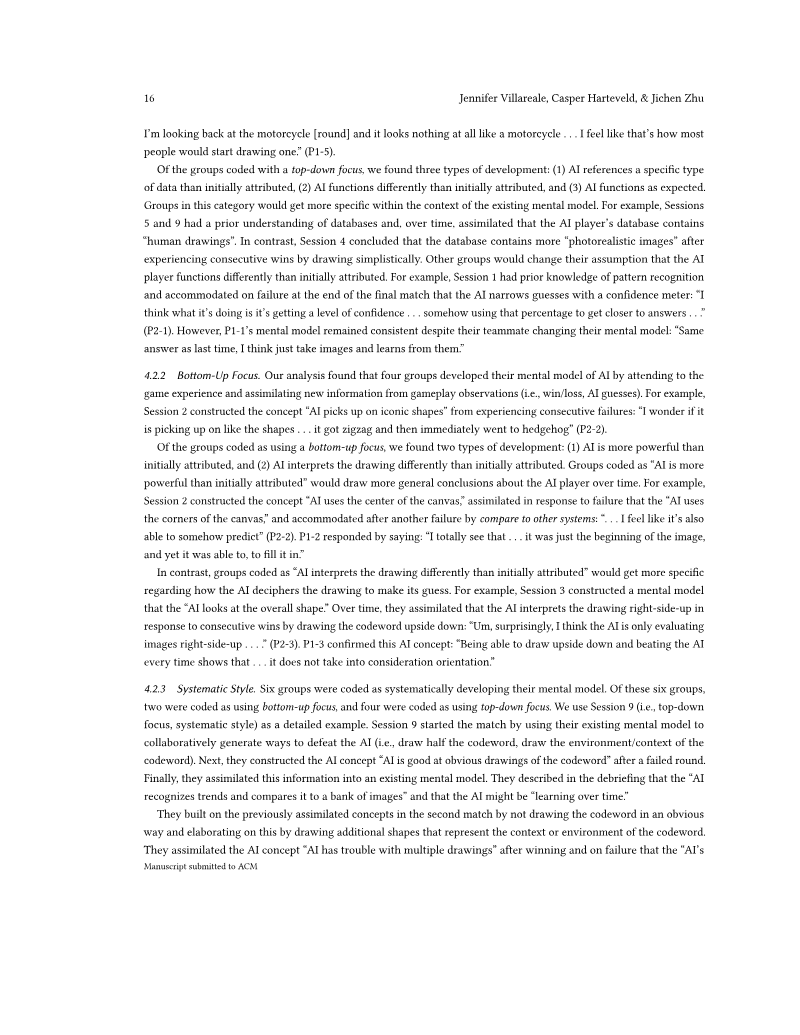
Strategic gaze organization serves as a critical determinant of performance in turn-based deck-building games, where the ability to integrate complex visual information directly influences decision-making efficacy. By employing high-precision eye-tracking technology to monitor 32 players during combat in Slay the Spire, research confirms that successful gameplay is defined by a more selective and dynamic distribution of visual attention. Rather than fixating on immediate threats, high-performing players exhibit broader gaze patterns that incorporate peripheral resources and demonstrate higher transition entropy, reflecting a more sophisticated cognitive approach to tactical evaluation.
The methodology utilizes a robust framework of five key metrics—including dwell time, transition probability, and stationary entropy—to quantify how players navigate interface elements. By mapping gaze data to specific functional areas of interest with a 95.4% alignment accuracy, the analysis reveals that winning players prioritize transitions toward hand cards and strategic assets. Conversely, losing players display rigid, recurrent gaze patterns heavily concentrated on enemy information, suggesting that a failure to effectively translate perceived environmental cues into actionable strategy is a primary driver of poor performance.
These findings underscore the necessity for game interfaces to facilitate seamless information-to-action coupling, ensuring that critical game cues are visually linked to potential player responses. While the current scope is limited to specific turn-based mechanics and static interface templates, the results provide a foundation for future research into adaptive, machine-learning-based tracking. Ultimately, the study establishes that visual attention is not merely a passive byproduct of gameplay but a structured, skill-dependent process that can be optimized through intentional design to support better cognitive integration and strategic outcomes.
Each row is a game or company this document names, each column a document, oldest first. A mark means that document names it. Select a row to see those documents.
Monash University · 2023
Australian National University · 2023
Australian National University · 2023
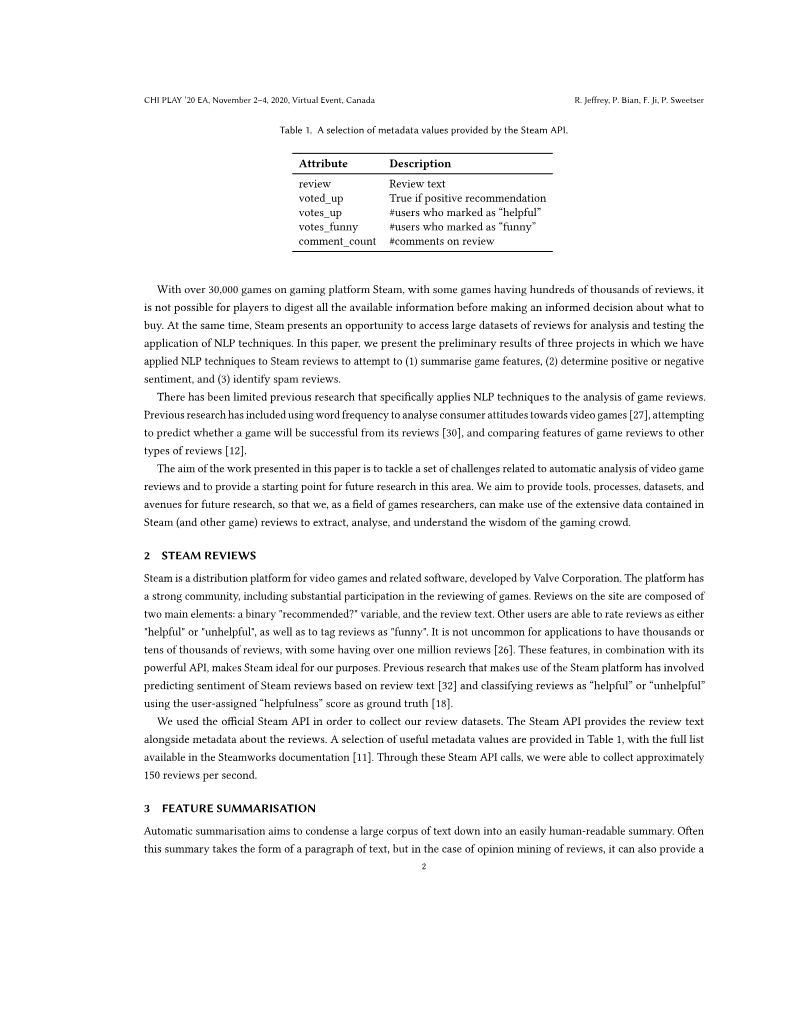
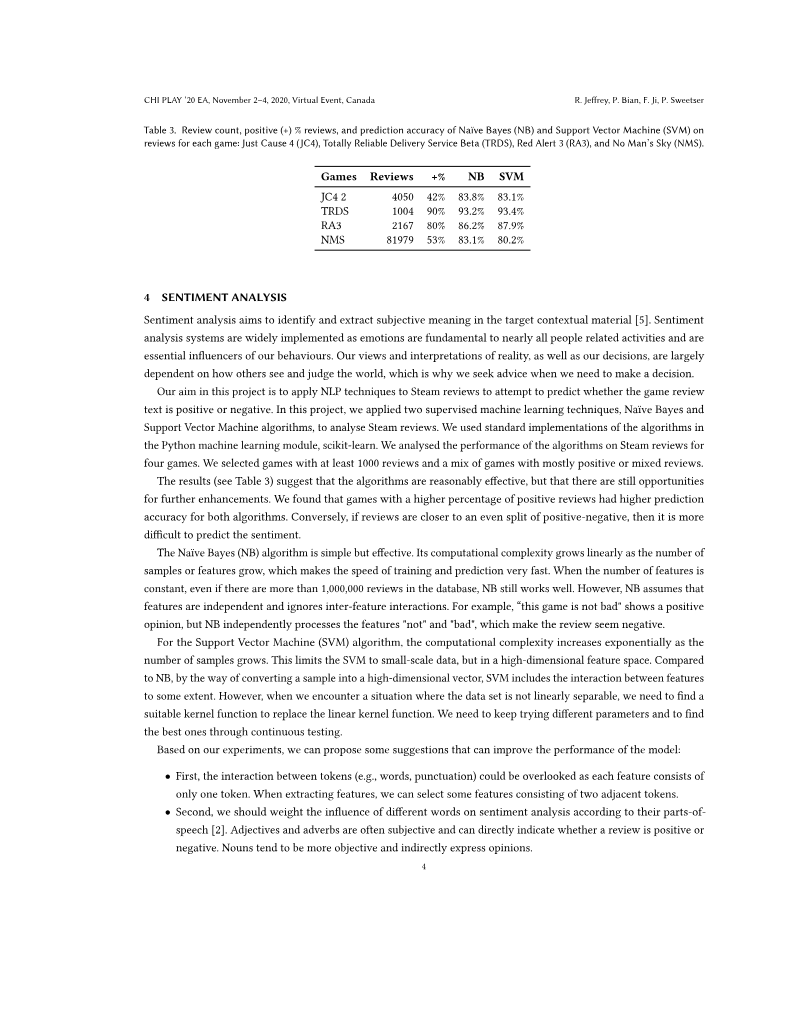
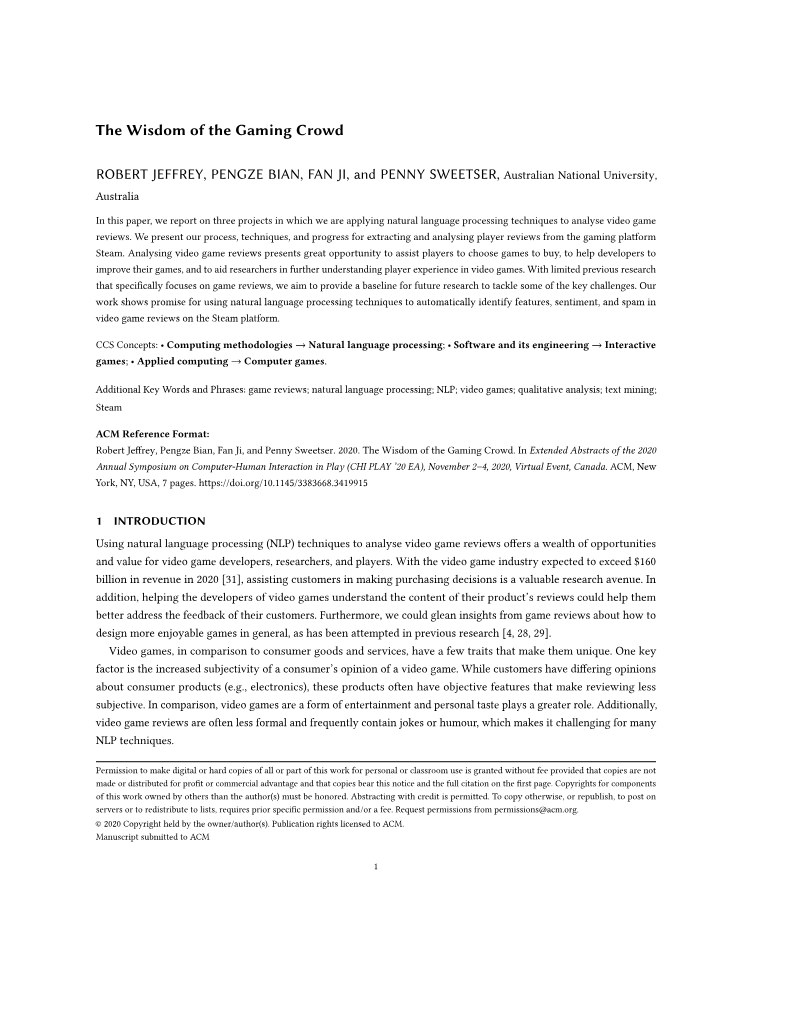
Australian National University · 2020
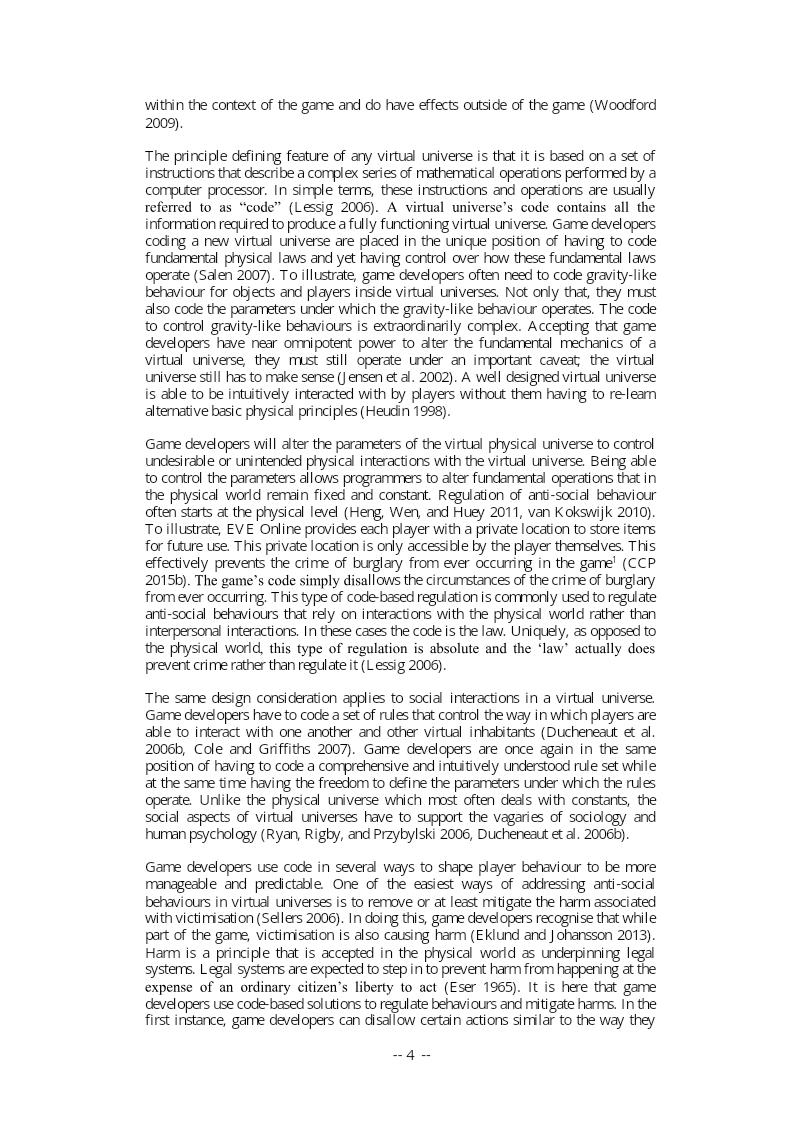
Australian National University · 2019
Simulation & Gaming · 2007
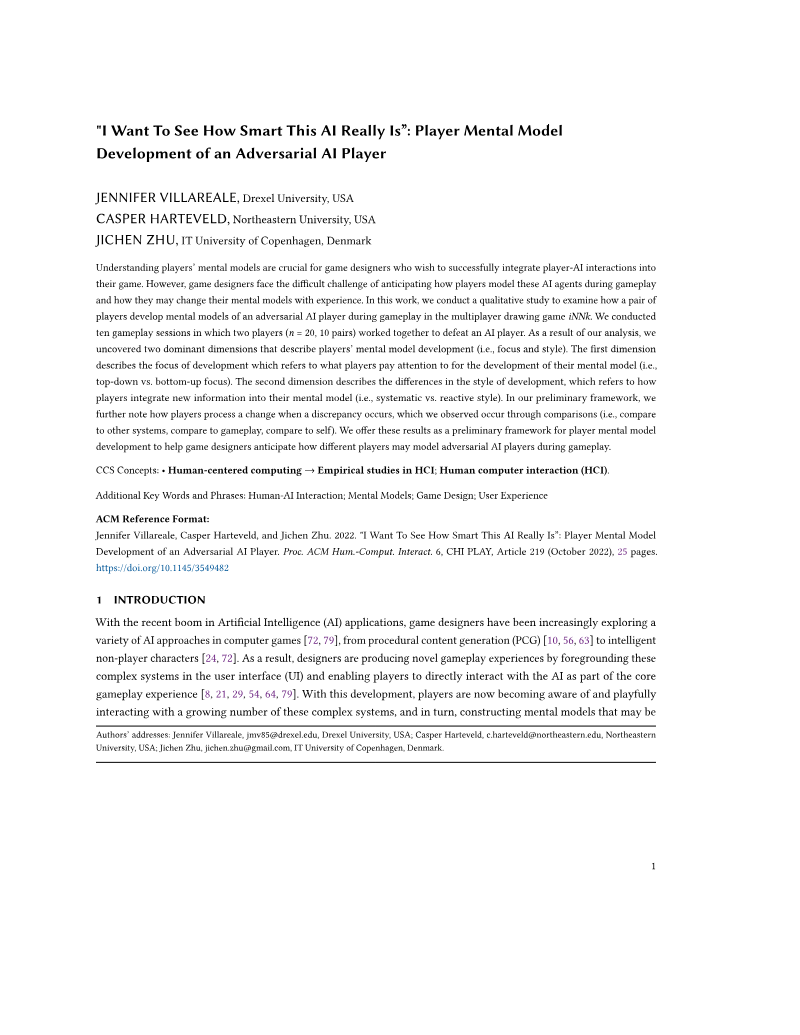
ACM CHI PLAY · 2022