Loading the document
Key insights
6 slides
The rising bill
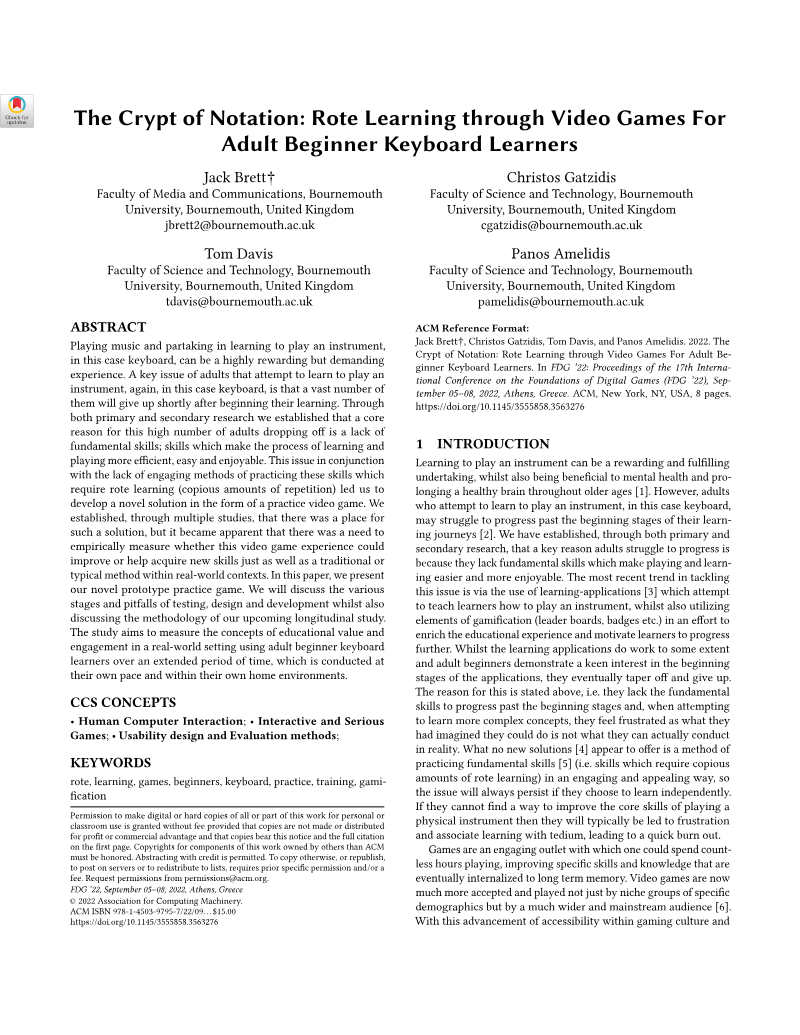
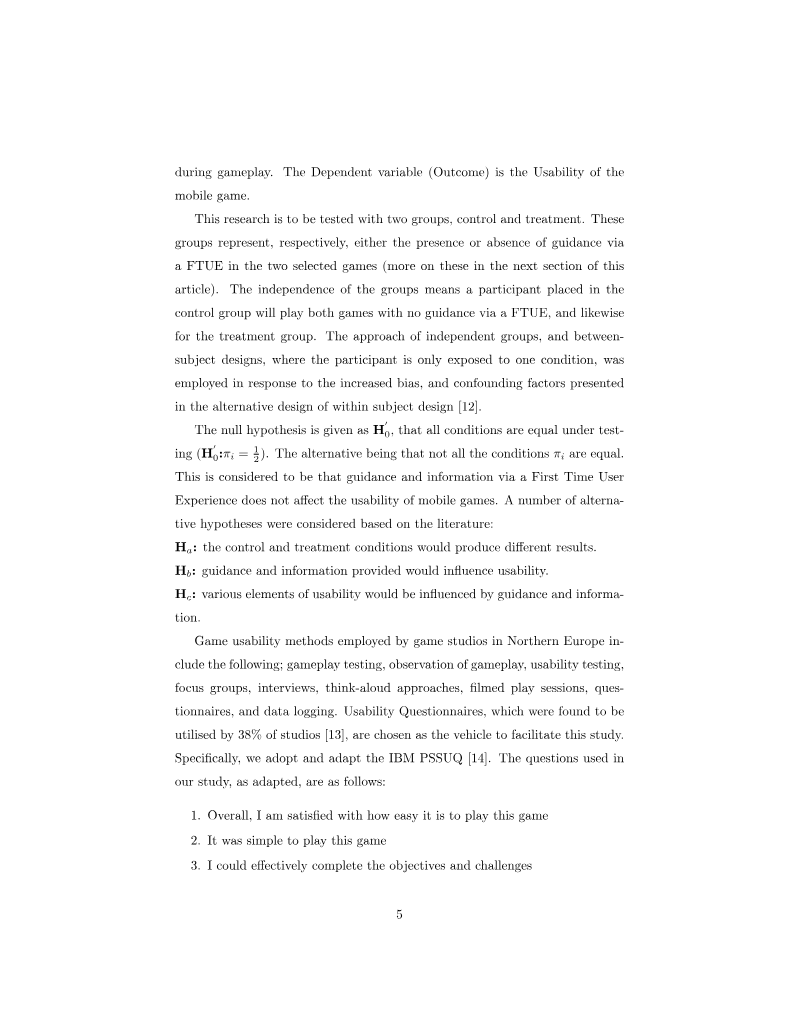
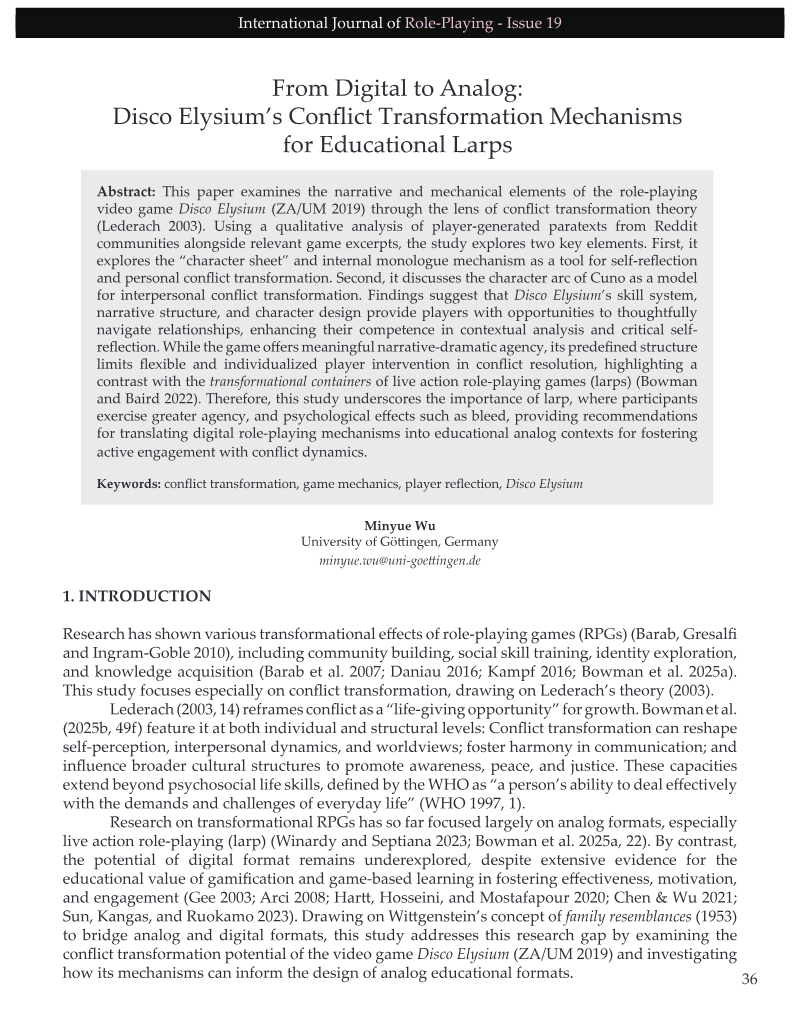
Gamification effectively reduces dropout rates in beginner keyboard education.
Rote practice often leads to high dropout rates among beginner keyboard students. Gamification transforms this repetitive practice into an engaging, sustainable learning experience.
1 / 6
- 01Gamification effectively reduces dropout rates in beginner keyboard education by replacing rote practice with engaging, sustainable learning experiences.See it on page 1
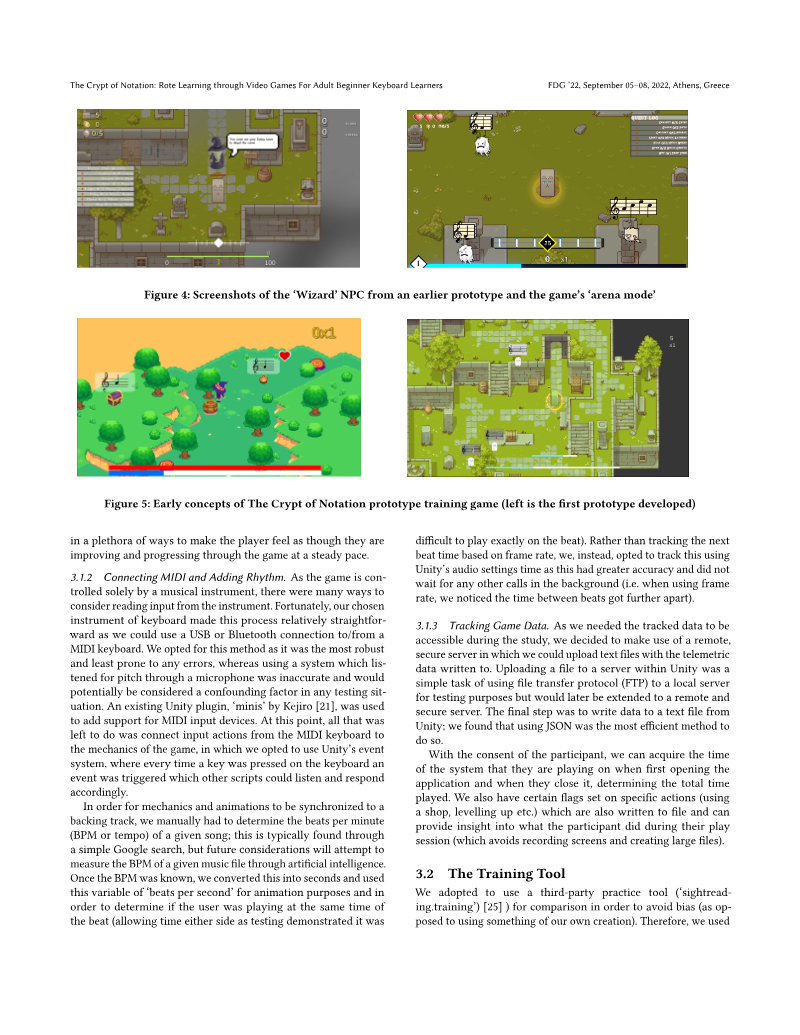
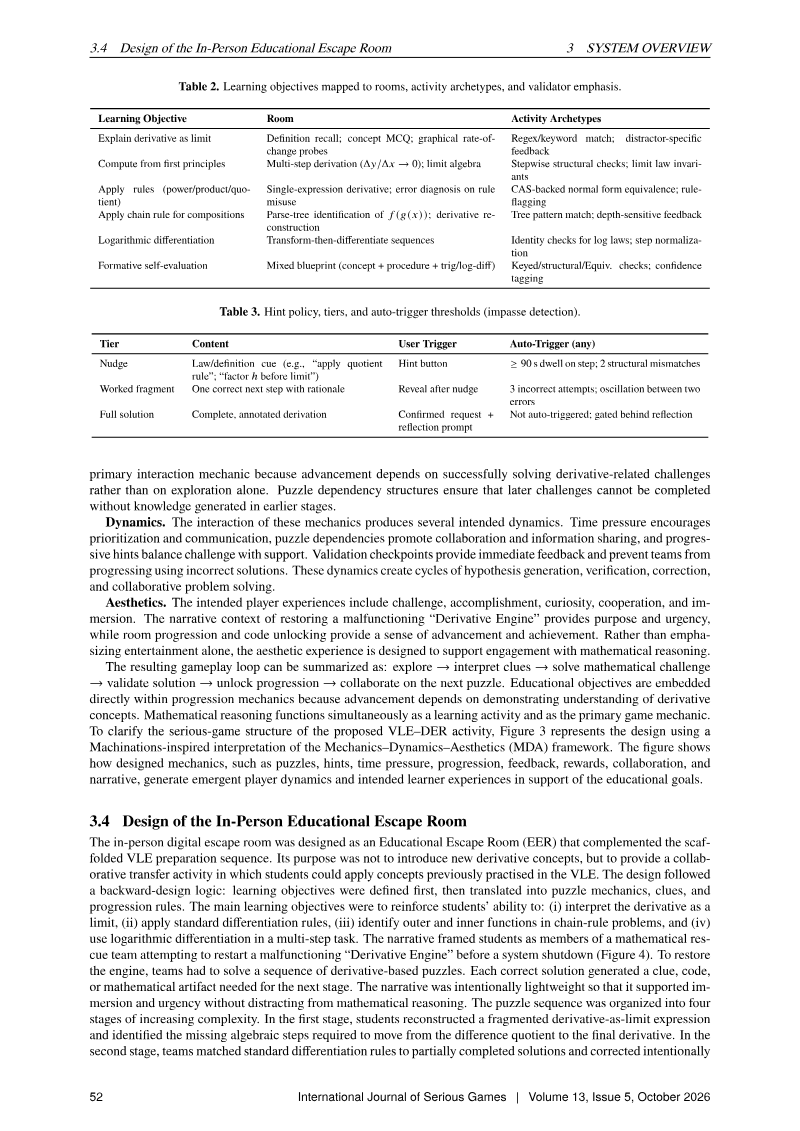
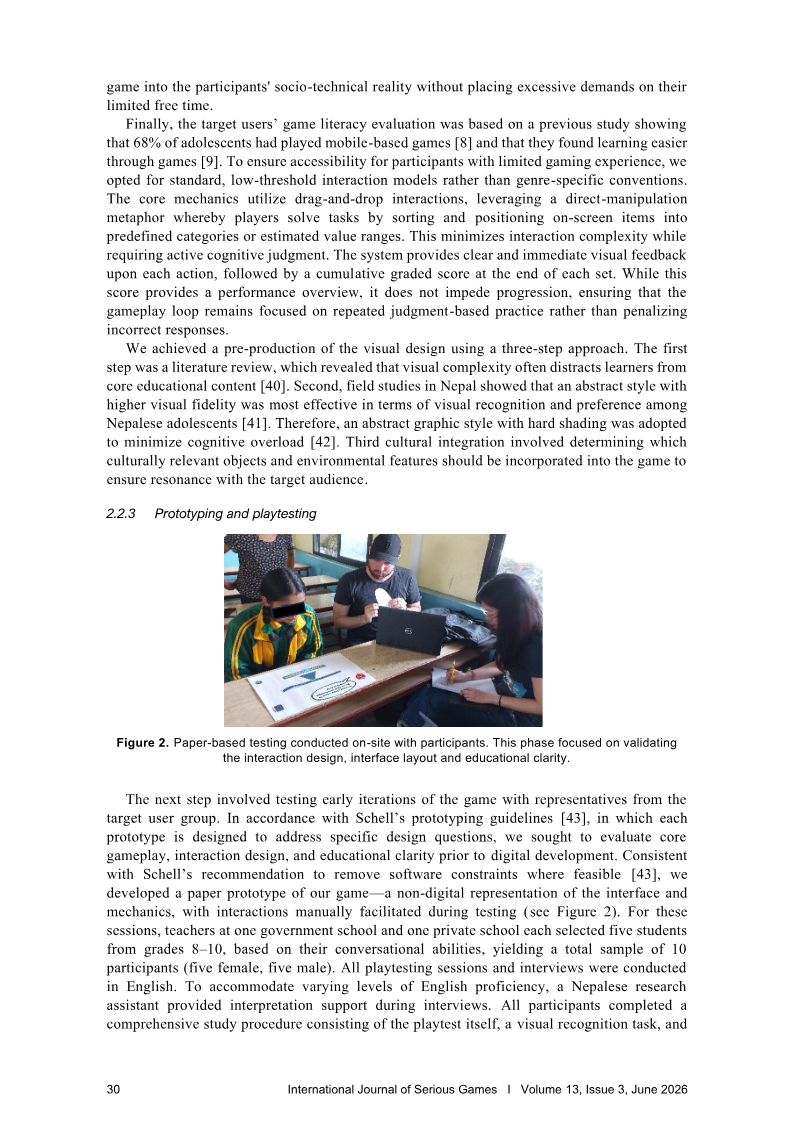
- 02Pilot testing with ten participants indicates that users prefer streamlined, focused prototypes over complex, arcade-style interfaces that suffer from visual clutter.See it on page 9
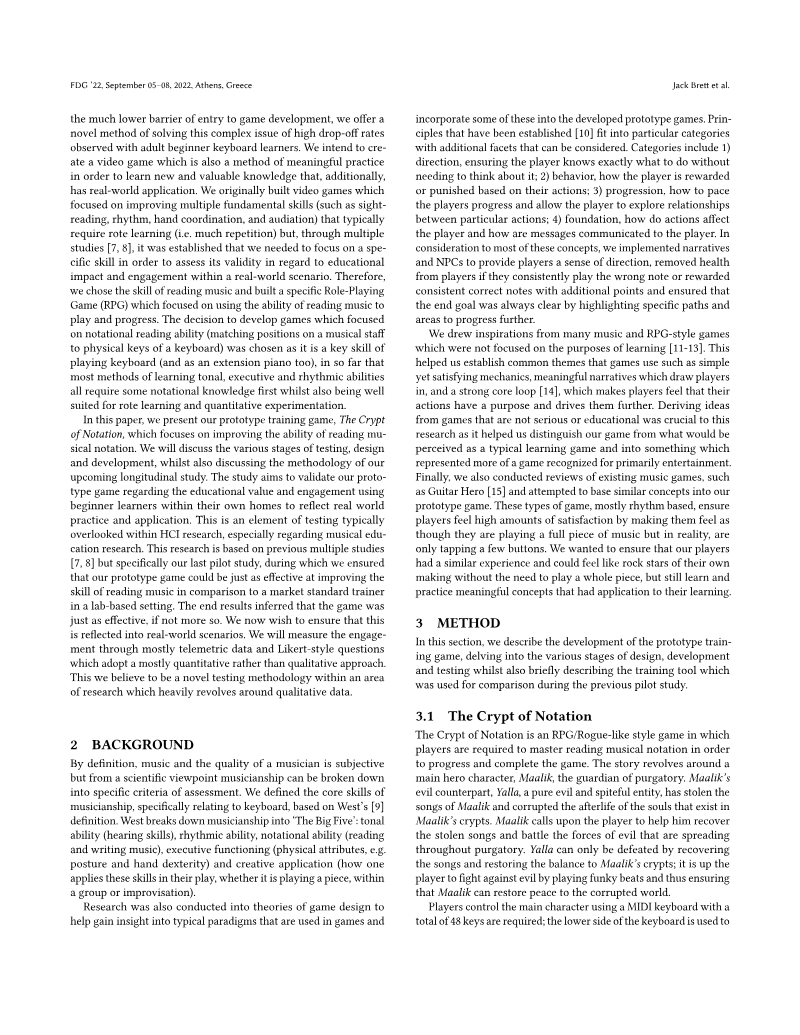
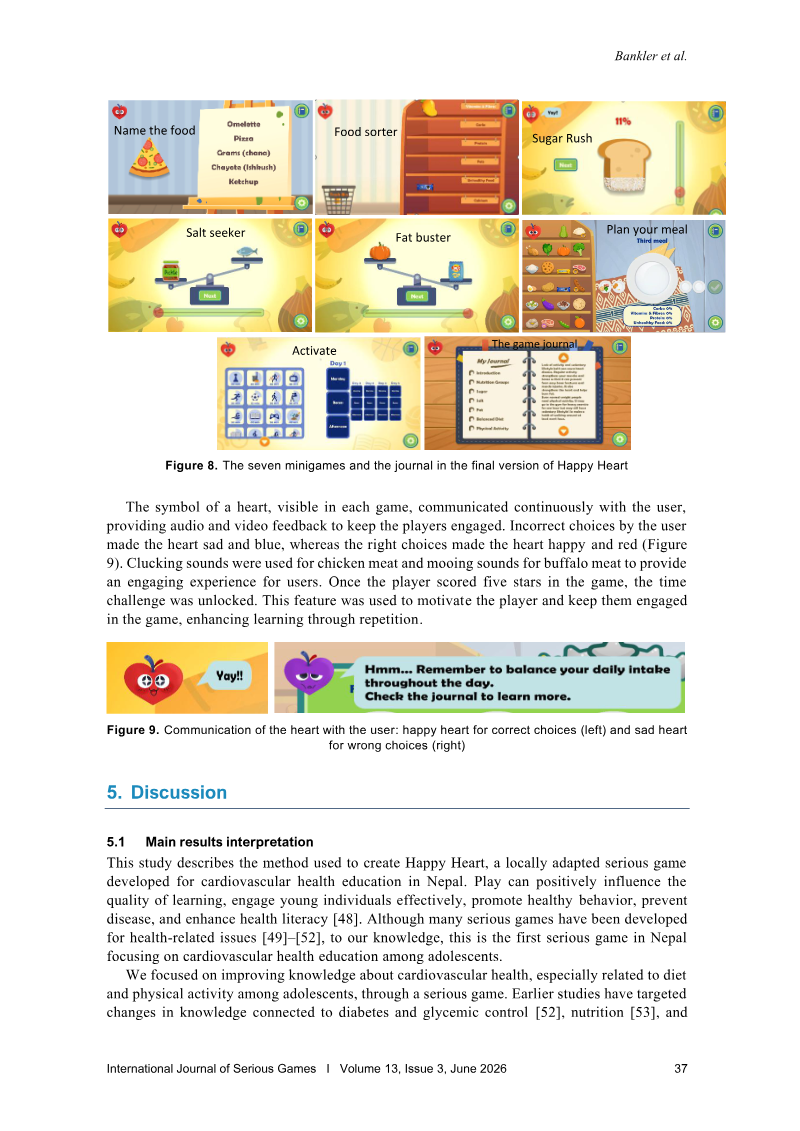
- 03Effective educational software must prioritize clear feedback, precise audio-visual synchronization, and structured progression paths over pure entertainment value.See it on page 7
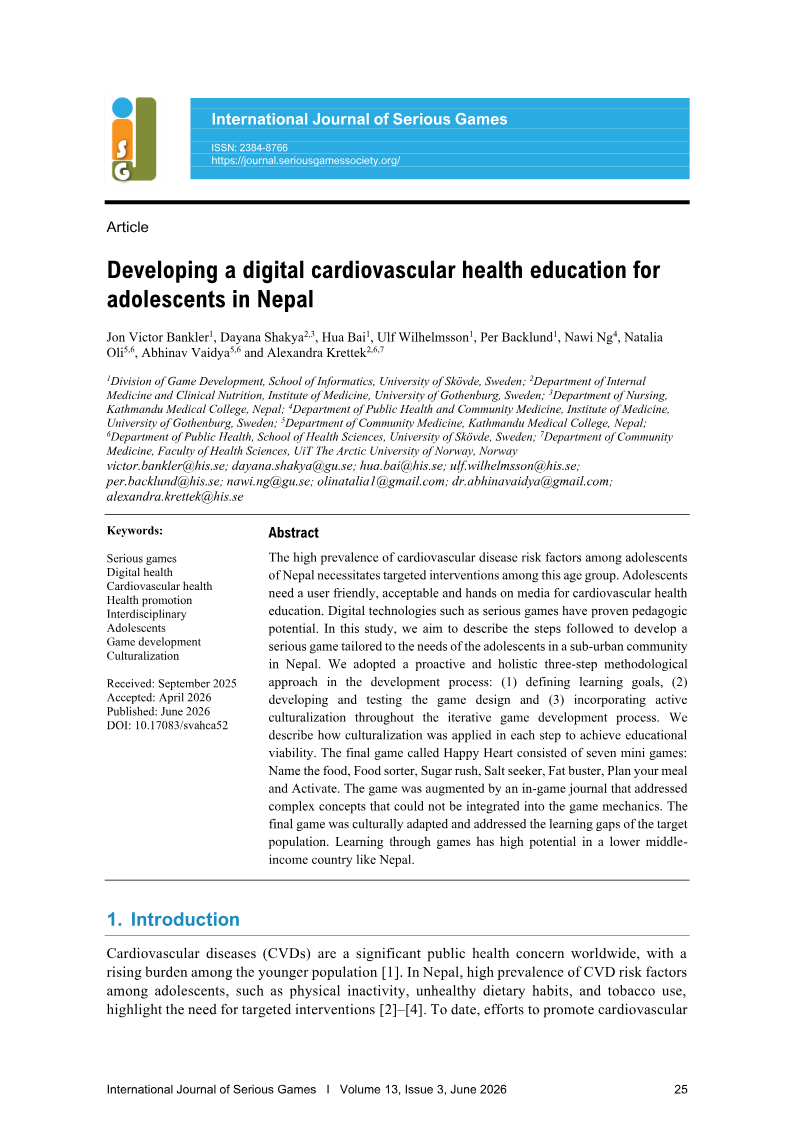
- 04There is a critical need to better align game mechanics with standard musical notation and formal music theory to ensure pedagogical integrity.See it on page 11
- 05Future development must shift from qualitative user feedback toward empirical, replicable measurements of educational outcomes and difficulty curves.See it on page 11
- 06The integration of custom software with hardware, such as the LUMI keyboard, serves as a viable model for bridging the gap between gaming and formal musical instruction.See it on page 1
Ask AI about this report
Summary
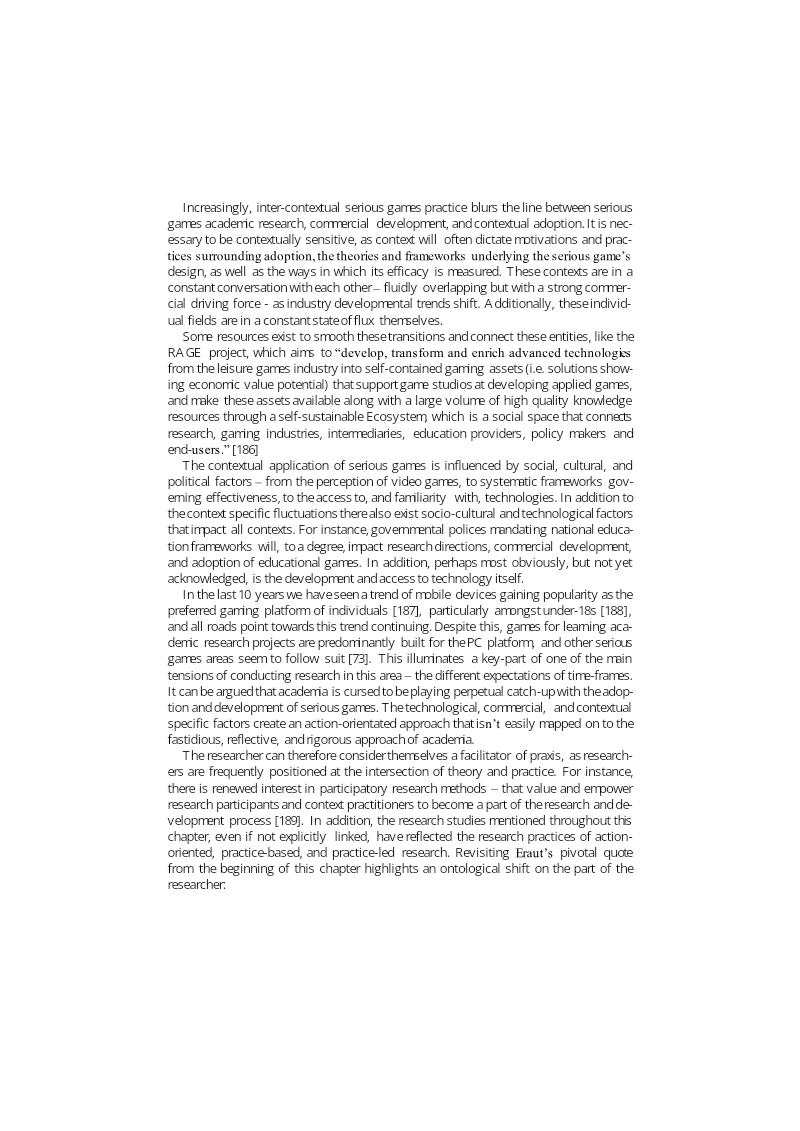
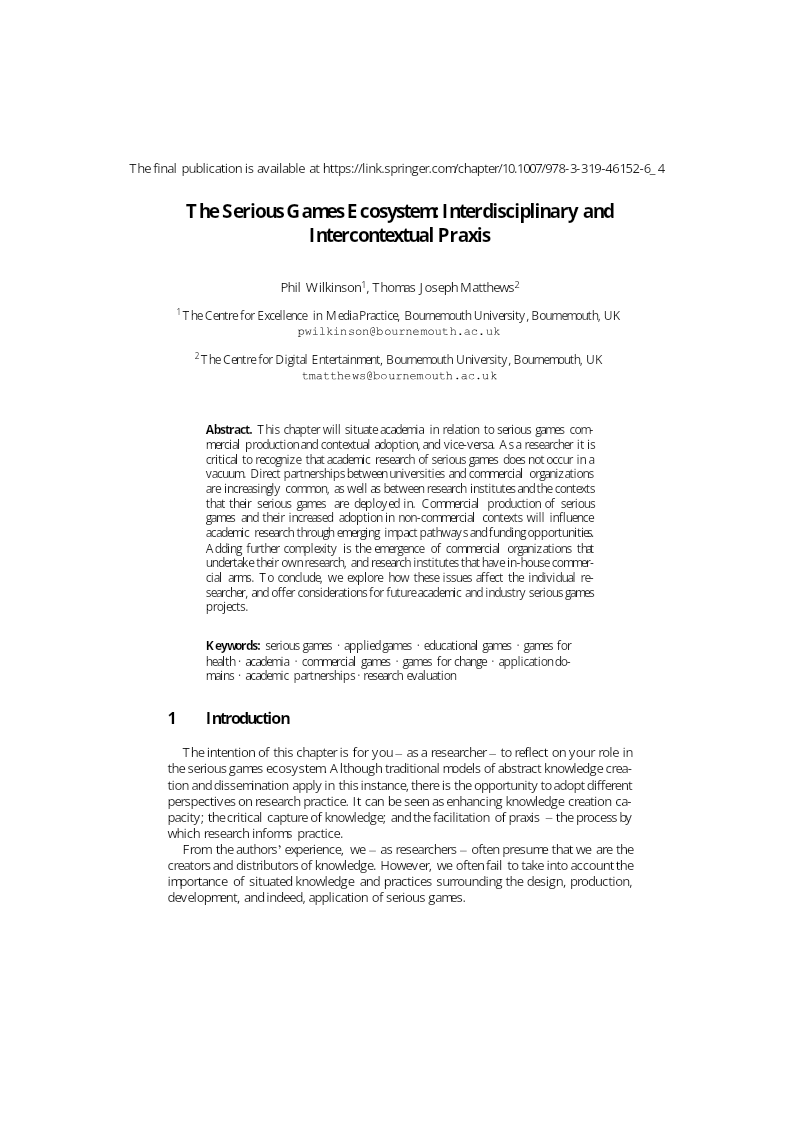
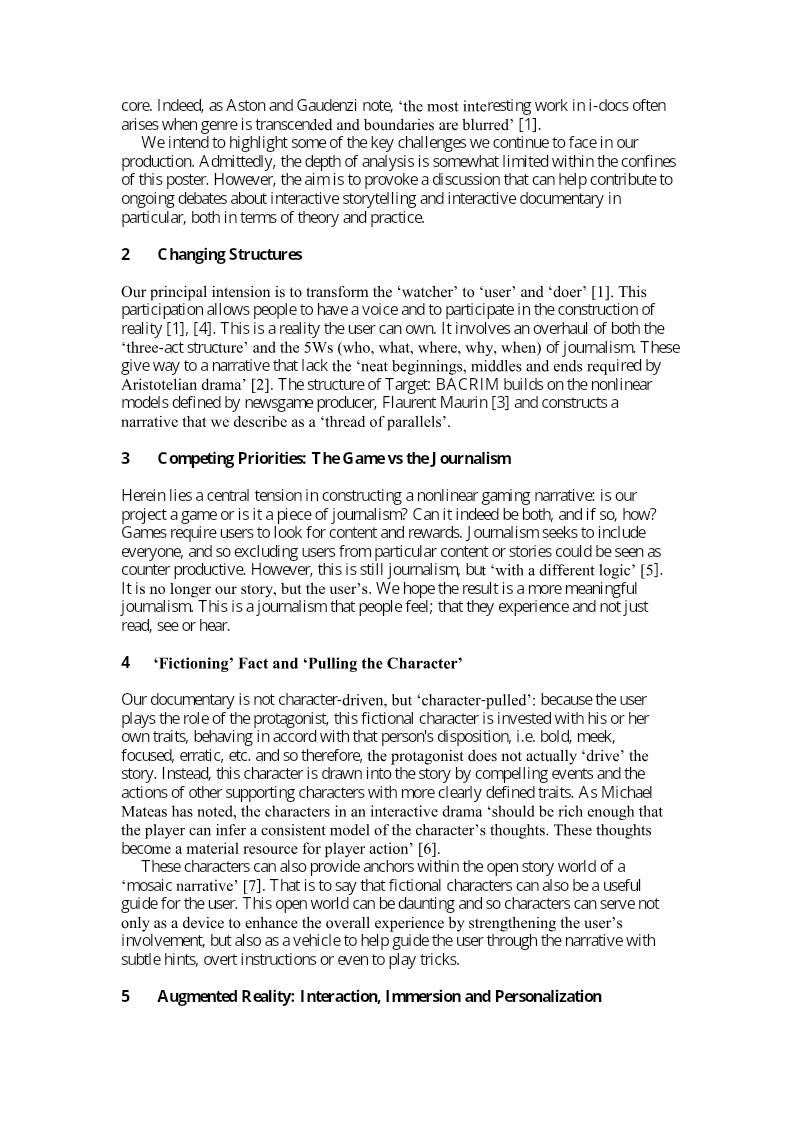
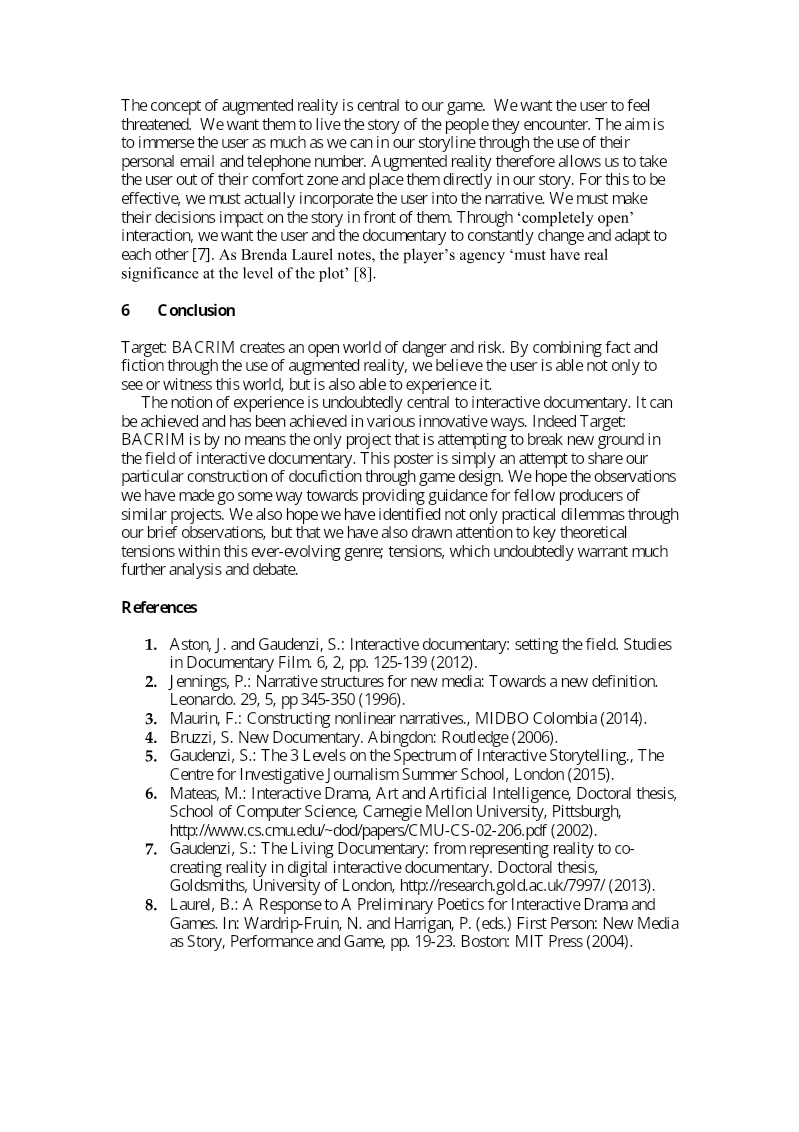
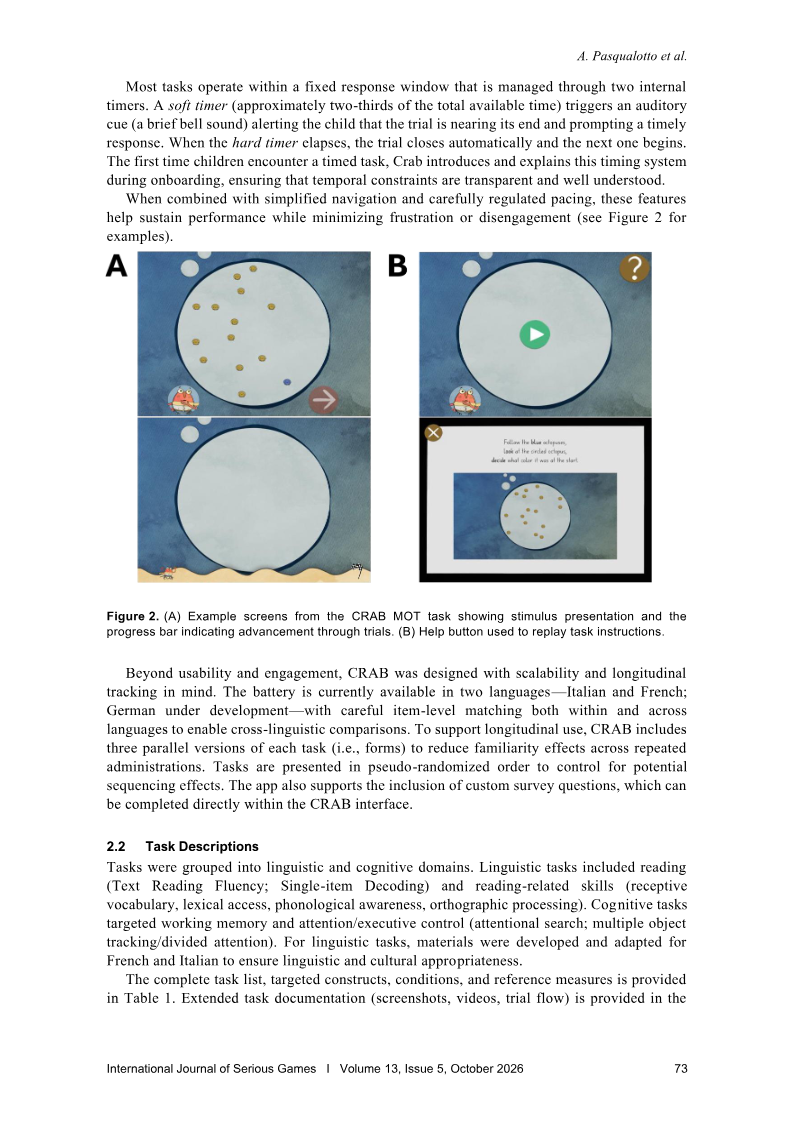
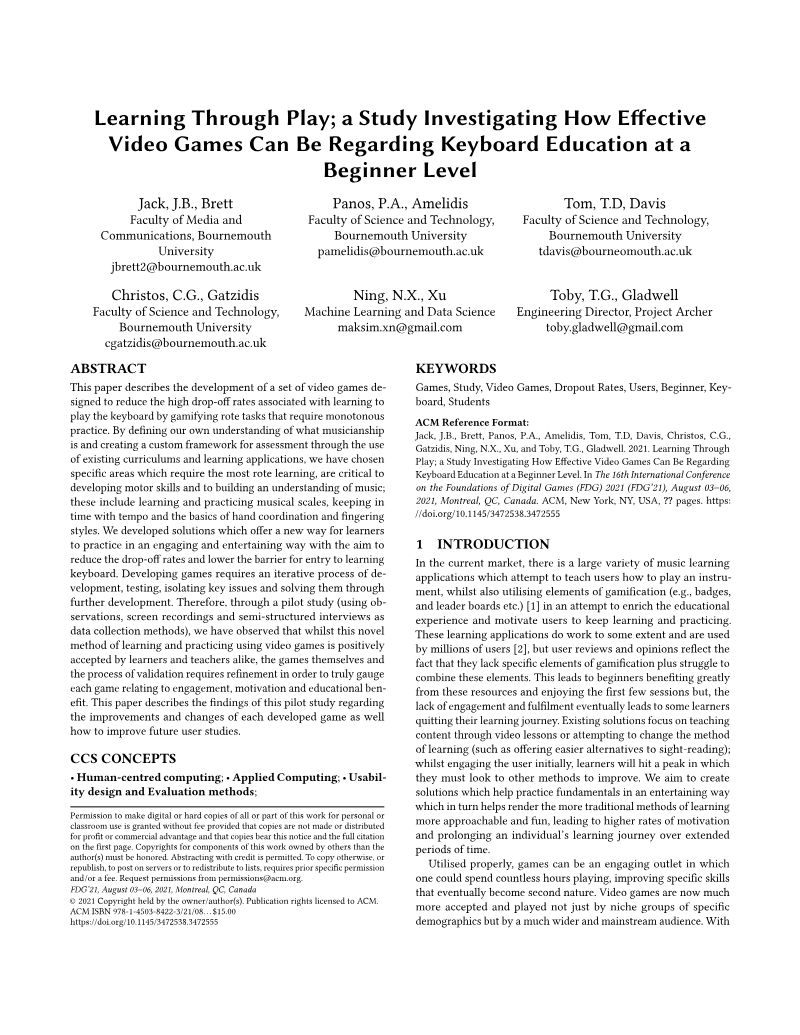
Gamification serves as a viable strategy to mitigate high dropout rates among beginner keyboard students by transforming repetitive, rote practice into an engaging, sustainable learning experience. By integrating custom-developed software with hardware like the LUMI keyboard, the initiative seeks to bridge the gap between entertainment and formal musical education. The primary objective is to determine how game mechanics can effectively support the acquisition of fundamental skills such as fingering, rhythm, and sight-reading without sacrificing pedagogical integrity.
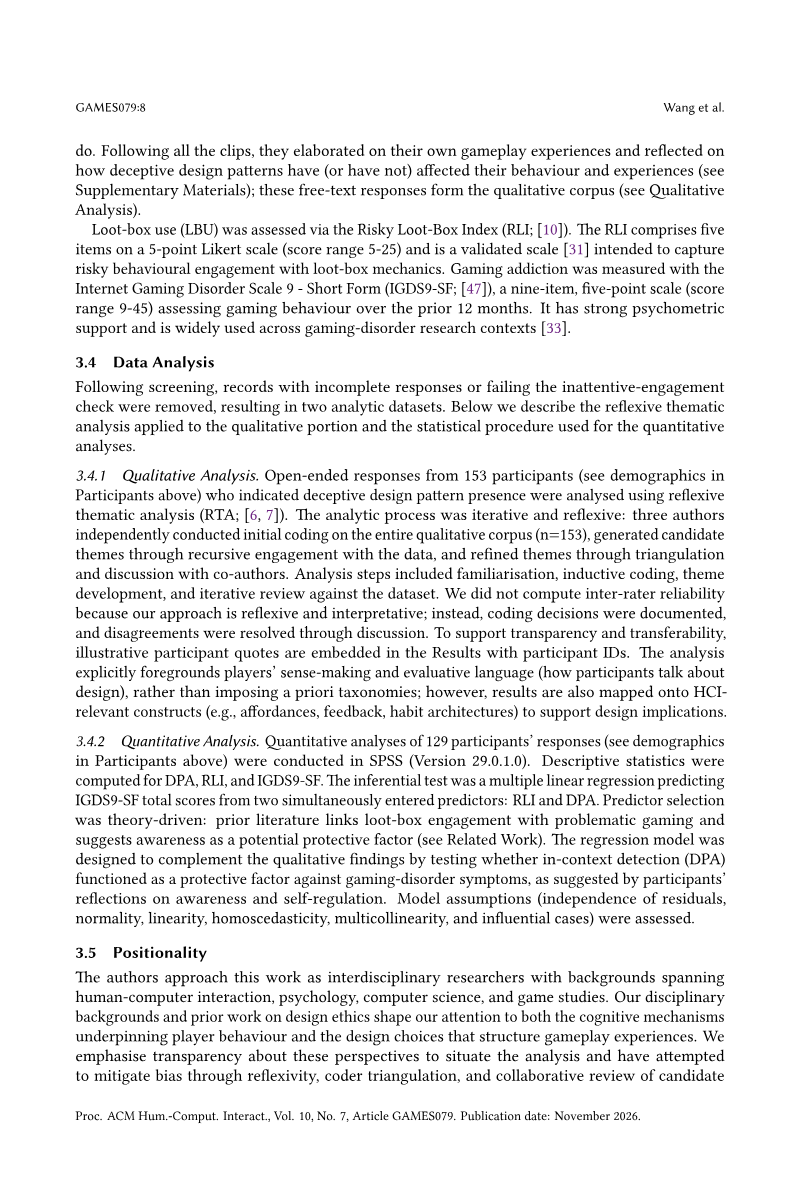
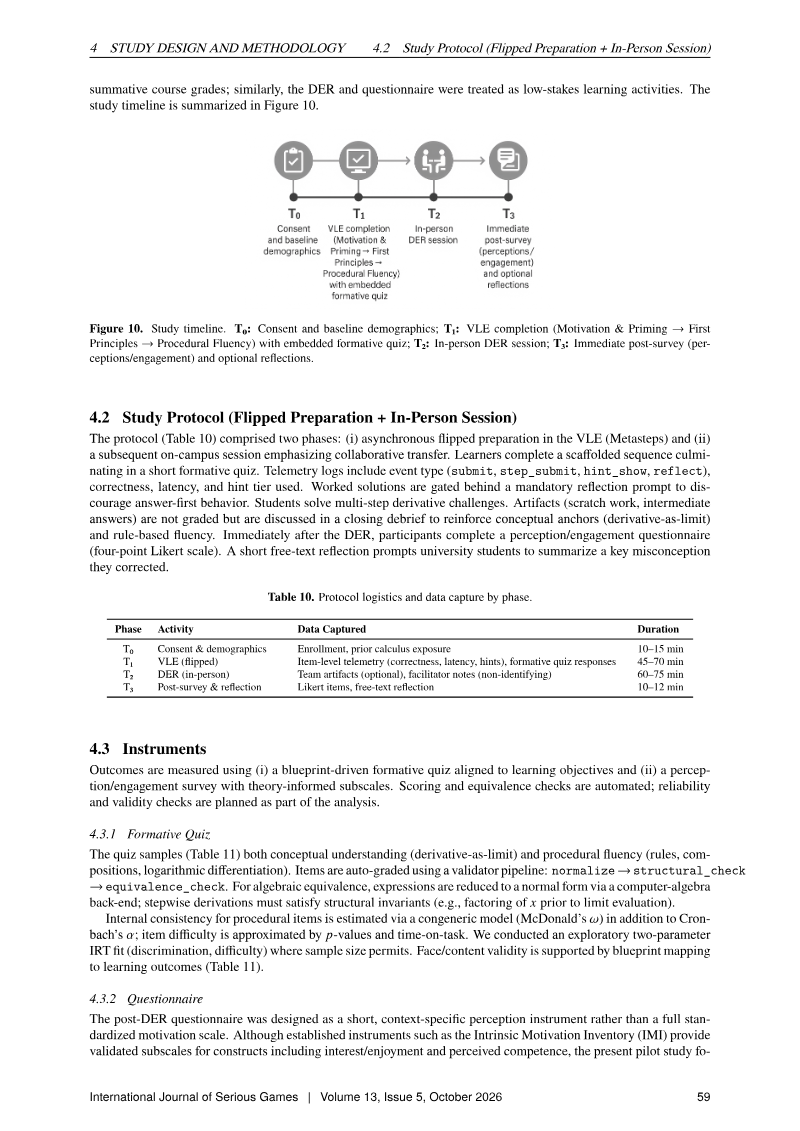
Pilot testing involving ten participants reveals that while gamified practice is significantly more enjoyable than traditional methods, a distinct tension exists between entertainment value and educational efficacy. Users consistently favor streamlined, focused prototypes that prioritize clear feedback and skill-specific drills over complex, arcade-style interfaces, which often suffer from visual clutter and poor alignment with musical theory. Participants emphasize that for these tools to provide long-term utility, they must offer structured progression paths, precise audio-visual synchronization, and better integration with standard musical notation.
Future development must transition from qualitative user feedback toward empirical, replicable measurements of educational outcomes and difficulty curves. By refining specific learning goals and narrowing the target demographic, developers can create more effective tools that balance game mechanics with rigorous musical instruction. The path forward requires a deliberate shift toward prioritizing pedagogical alignment, ensuring that future iterations function not merely as engaging distractions, but as robust educational platforms that facilitate measurable progress in sight-reading and rhythmic proficiency.