Bournemouth University
5 reports, presentations and talks by Bournemouth University in the Game Industry Library, the newest “Navigating the Skies: A Serious Game for Exploring Drone Energy Consumption, Flight Risk, and Societal Impact” (2023).
Documents
Navigating the Skies: A Serious Game for Exploring Drone Energy Consumption, Flight Risk, and Societal Impact
The serious game Navigating the Skies serves as a research instrument designed to engage non-specialist adult audiences in the complex trade-offs between logistics drone energy consumption and ground-level safety risks.
- Navigating the Skies is a serious game developed in Unity3D to research public attitudes toward logistics drone routing by forcing players to balance energy consumption against ground-level fatality risks.
- The game utilizes real-world geographic data from Open Street Map and Mapbox to simulate drone flight paths in Southampton, allowing users to visualize risk accumulation and battery constraints.
- Pilot trials with 41 participants (67% female) demonstrated high engagement, with 92% of users finding the game easy to understand and effective for visualizing complex logistics trade-offs.
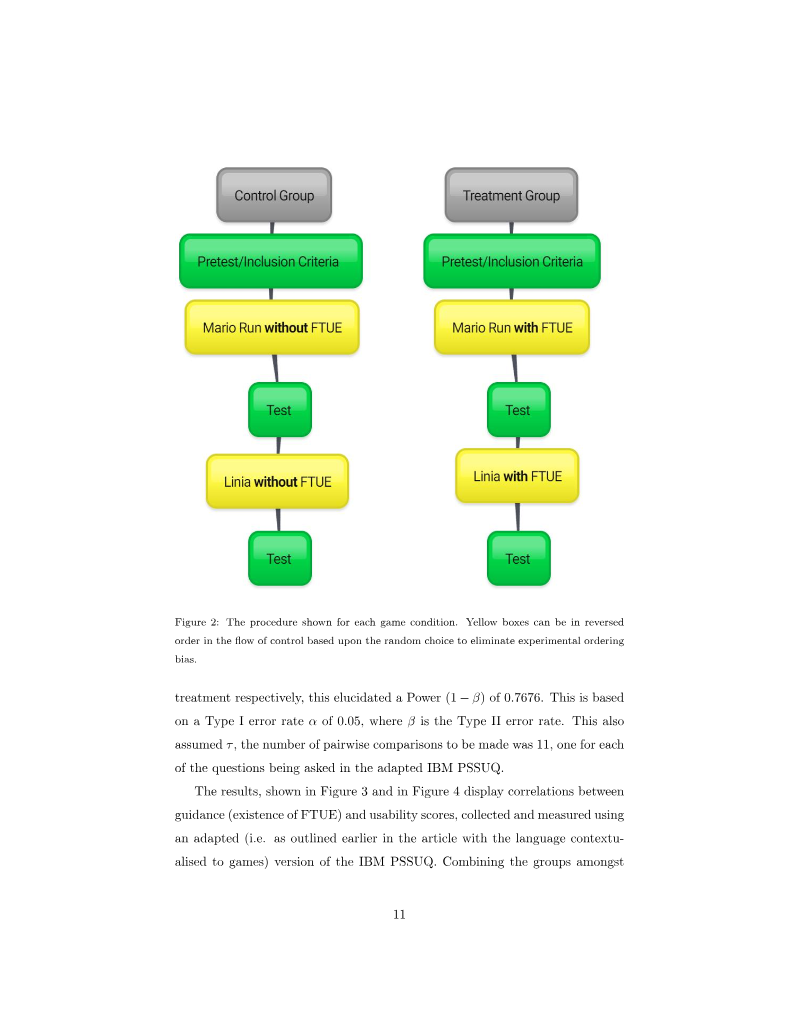
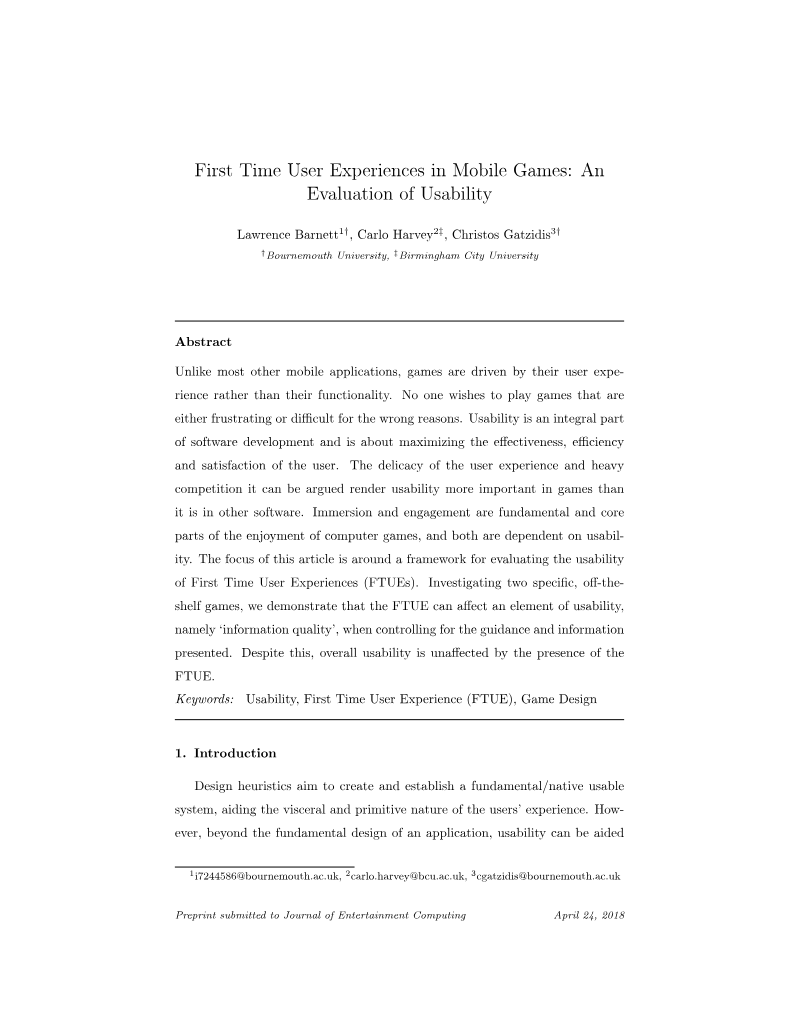
First Time User Experiences in Mobile Games: An Evaluation of Usability
First-time user experiences serve as a critical bridge between initial engagement and long-term retention in mobile gaming.
- Onboarding sequences function primarily as educational tools for mechanics and interface clarity rather than as comprehensive drivers of overall game usability or player satisfaction.
- Excessive or intrusive tutorial guidance can negatively impact player engagement by restricting user agency and limiting the freedom to explore.
- Effective mobile game design requires balancing the communication of essential mechanics with the preservation of player autonomy.
The Serious Games Ecosystem: Interdisciplinary and Intercontextual Praxis
The serious games ecosystem represents a complex, interdisciplinary landscape where academic research, commercial development, and clinical application increasingly intersect.
- The serious games sector must transition from isolated academic research to a collaborative model that integrates industrial and non-commercial expertise to ensure practical, context-sensitive implementation.
- A lack of standardized terminology and conceptual ambiguity currently hinders the industry's ability to accurately evaluate the efficacy of serious games.
- Development cycles frequently prioritize superficial engagement metrics over the rigorous, evidence-based learning outcomes required for professional and educational advancement.
Target BACRIM: Blurring Fact and Fiction to Create an Interactive Documentary Game
Target: BACRIM is an immersive, interactive documentary game designed to expose the realities of organized crime and human rights abuses in the Bajo Cauca region of Colombia.
A Survey of Haptics in Serious Gaming
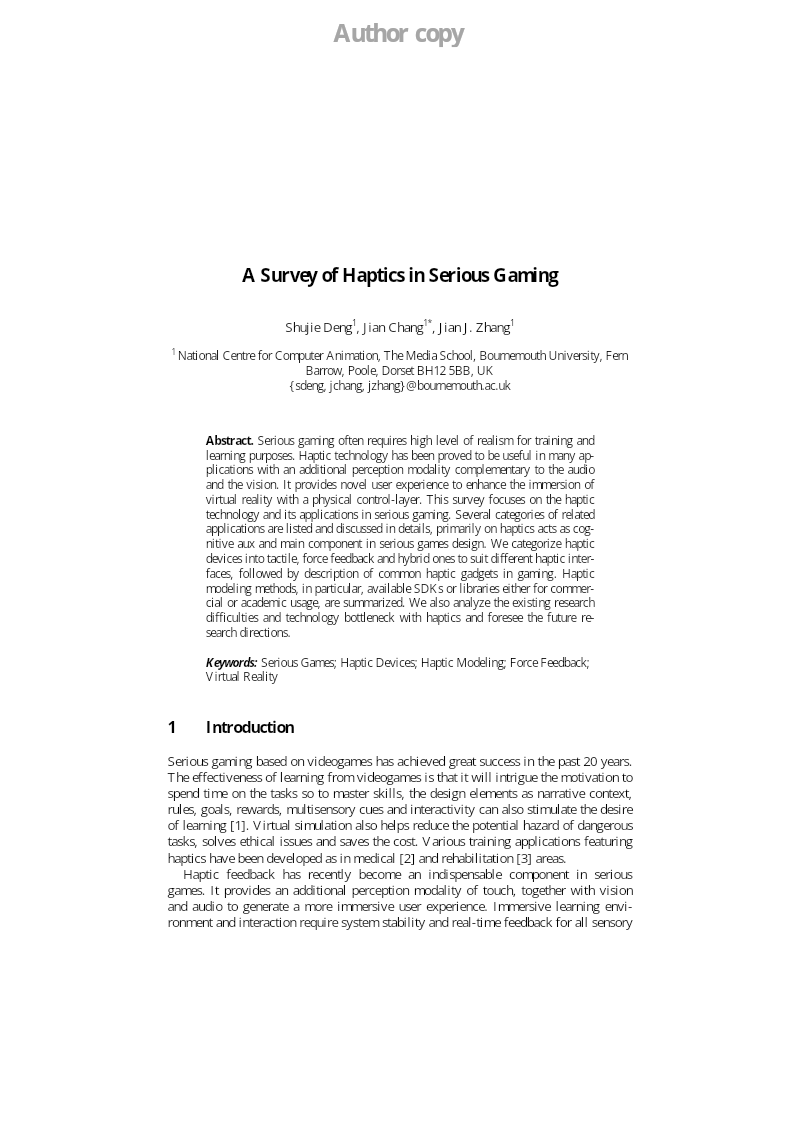
Haptic technology serves as a critical modality for enhancing serious gaming, providing essential sensory feedback that complements traditional audio and visual inputs.
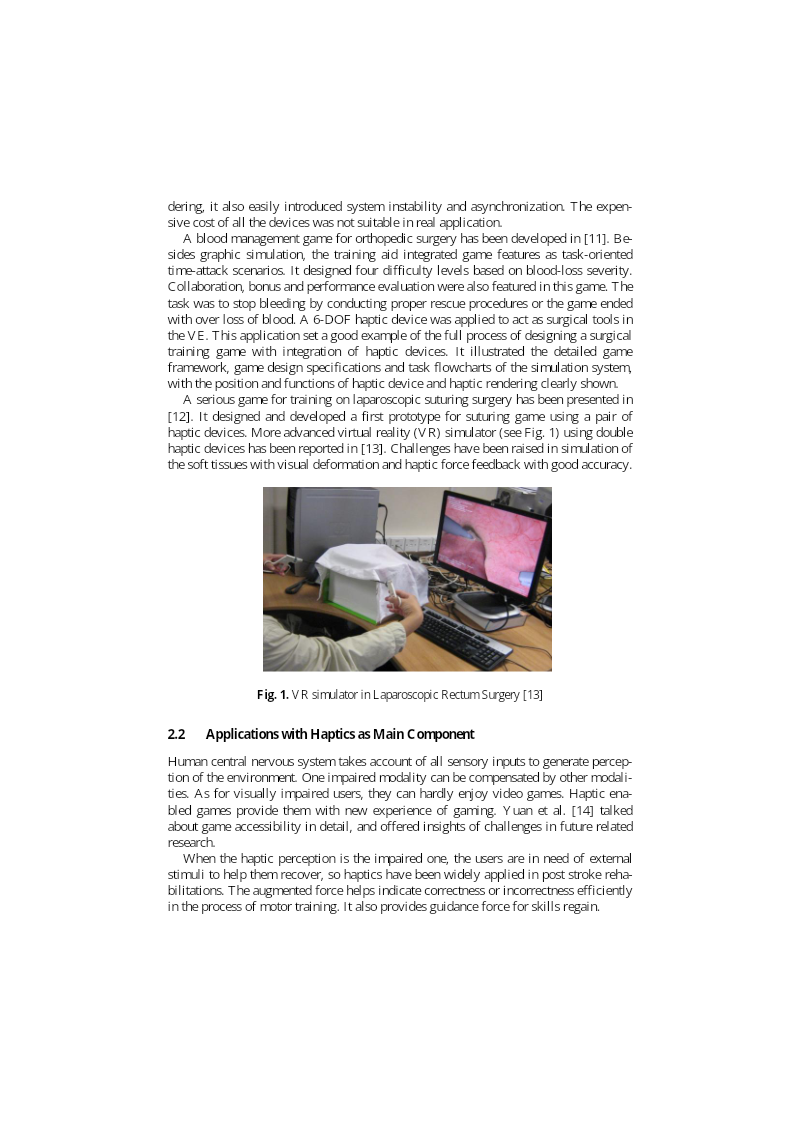
- Haptic feedback is a foundational requirement for high-precision serious gaming applications, particularly in medical surgery simulations and accessibility tools for the visually impaired.
- To achieve realistic tactile interaction, haptic systems must maintain a minimum refresh rate of 1000Hz.
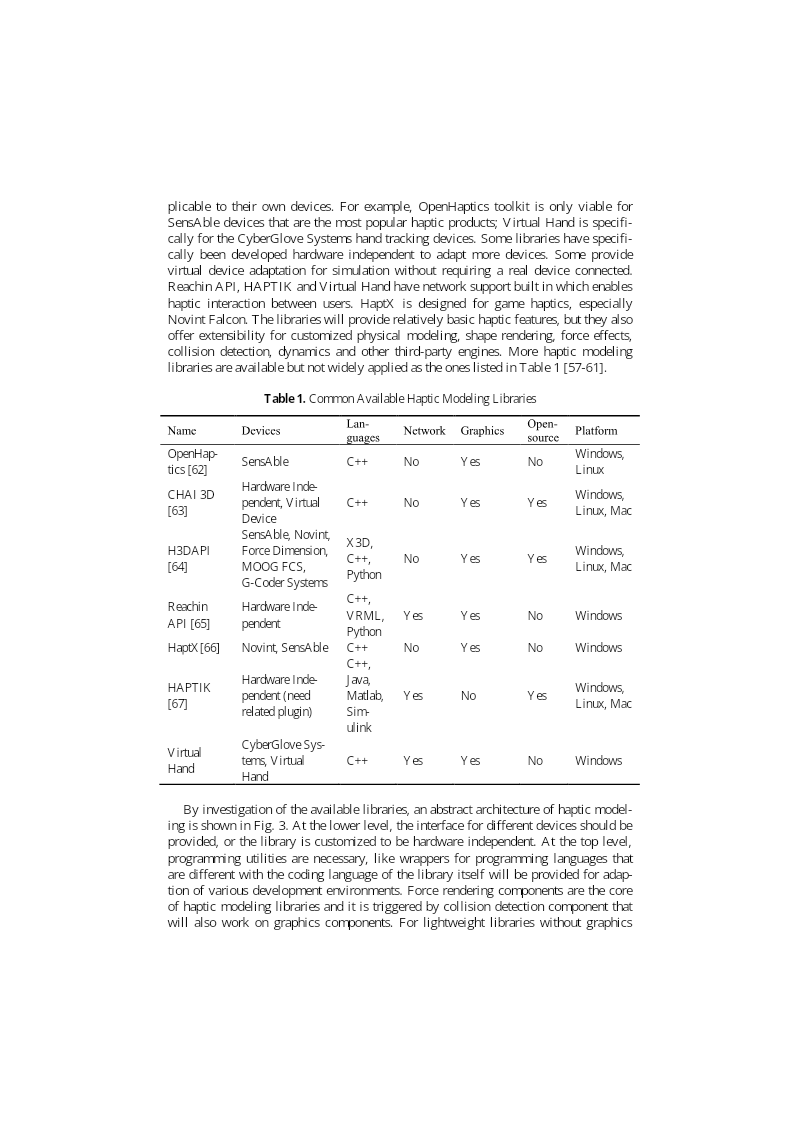
- The industry is currently shifting away from expensive, research-grade hardware toward more scalable, affordable vibration-based peripherals and standardized modeling libraries.
Do you work at Bournemouth University? Get a free report of how these documents are read and cited here.