The serious games ecosystem represents a complex, interdisciplinary landscape where academic research, commercial development, and clinical application increasingly intersect. The primary thesis posits that the field must transition from a model of isolated academic knowledge creation toward a collaborative praxis. In this framework, researchers function as facilitators who integrate situated knowledge from industrial and non-commercial partners to bridge the gap between theoretical pedagogical design and the practical, context-sensitive demands of real-world implementation.
The industry currently faces significant structural challenges, most notably a lack of standardized terminology and conceptual ambiguity that complicates the evaluation of game efficacy. While serious games are widely deployed across military, corporate, educational, and healthcare sectors to drive behavioral change and skill acquisition, development often prioritizes engagement metrics over rigorous, evidence-based learning outcomes. This disconnect is exacerbated by the friction between fast-paced commercial development cycles and the slower, more methodical nature of academic research protocols, which often rely on small-scale studies that struggle to demonstrate long-term impact.
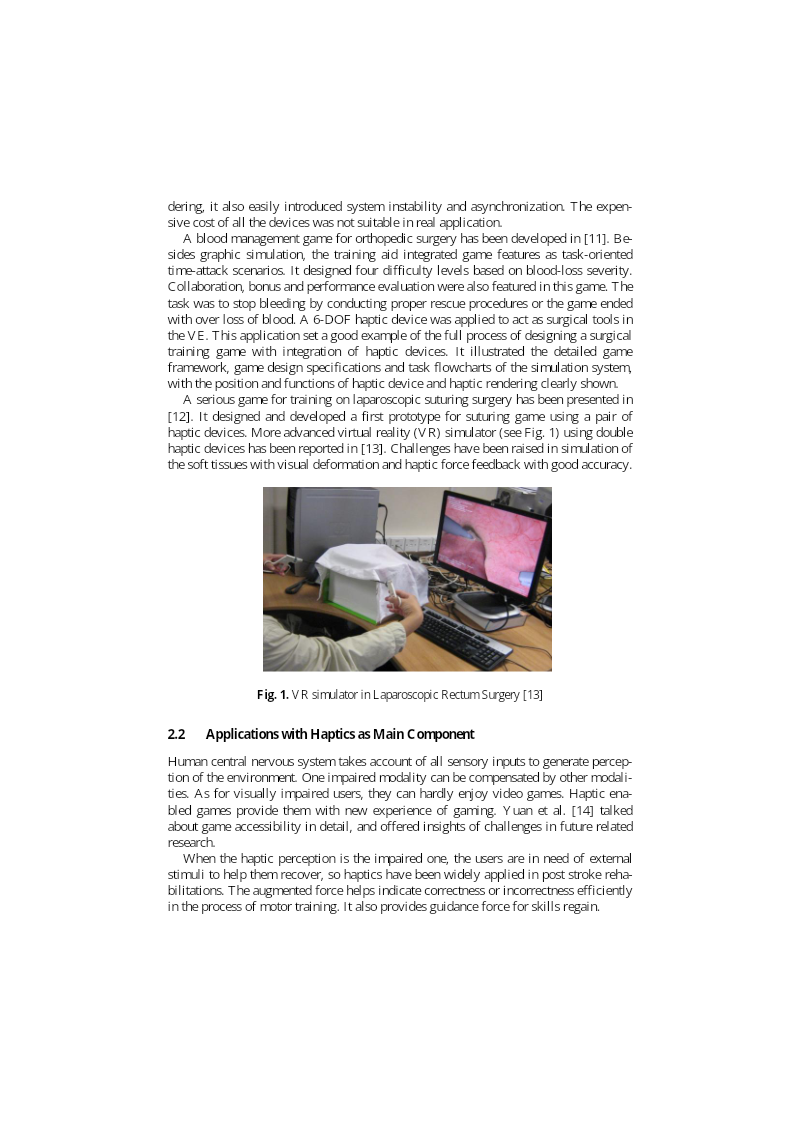
Despite these hurdles, the potential for digital games to facilitate meaningful interventions in areas such as surgical training, chronic disease management, and mental health remains substantial. Achieving this potential requires a more disciplined alignment of design principles with the unique requirements of each professional context. By fostering intercontextual fluidity and prioritizing robust evaluation practices, the ecosystem can move beyond superficial engagement to establish serious games as a reliable, empirically validated tool for professional and educational advancement. The field’s future success depends on reconciling these disparate methodologies to create a cohesive, evidence-based approach to game-driven learning and behavior modification.