
LegalAEVI
Guía sobre derechos de los consumidores, publicidad y protección de datos: España
202513 pages~17 min full read
The guide serves as a practical reference for video‑game publishers, developers and marketers operating in Spain, outlining how consumer‑protection, advertising and data‑privacy regulations apply to digital game products. Its central thesis is that compliance with the General Law for the Defense of Consumers and Users, the General Advertising Law, the Unfair Competition Law and the EU General Data Protection Regulation (GDPR) is essential not only to avoid legal sanctions but also to build trust with players, including minors.
Key findings stress that gamers enjoy the same rights as purchasers of physical goods, notably a 14‑day withdrawal period, clear information on pricing, age‑rating labels and protection against abusive contract clauses. Developers must maintain and communicate updates, and they are obliged to disclose the legal nature of non‑fungible tokens (NFTs), ensuring transparency about ownership, licensing and the irrevocability of blockchain transactions. Advertising rules prohibit concealed sponsorship, misleading urgency, false reviews and any content that exploits minors, promotes violence, discrimination or unhealthy behaviours; influencer promotions must carry explicit sponsorship disclosures. Data‑privacy obligations require clear privacy notices, lawful bases for processing, secure handling of personal and special‑category data, and parental consent for users under 14, with documented procedures for verification.
The scope covers the Spanish market and applies to all digital game content, in‑game purchases, loot boxes, NFTs and related services, without reference to a specific time frame beyond the 2025 publication date. The methodology consists of a synthesis of existing national and EU legislation, interpreted for the video‑game sector, and presented as actionable checklists rather than empirical research. By following the outlined practices, industry actors can align their operations with current legal standards and mitigate regulatory risk.

AEVI · 2025

AEVI · 2025

AEVI · 2025
AEVI · 2025

AEVI · 2025

AEVI · 2025

AEVI · 2025
AEVI · 2025

AEVI · 2025

AEVI · 2025

AEVI · 2025

AEVI · 2025
Video Games Europe · 2021

GEEIQ · 2026

Gamesight · 2026
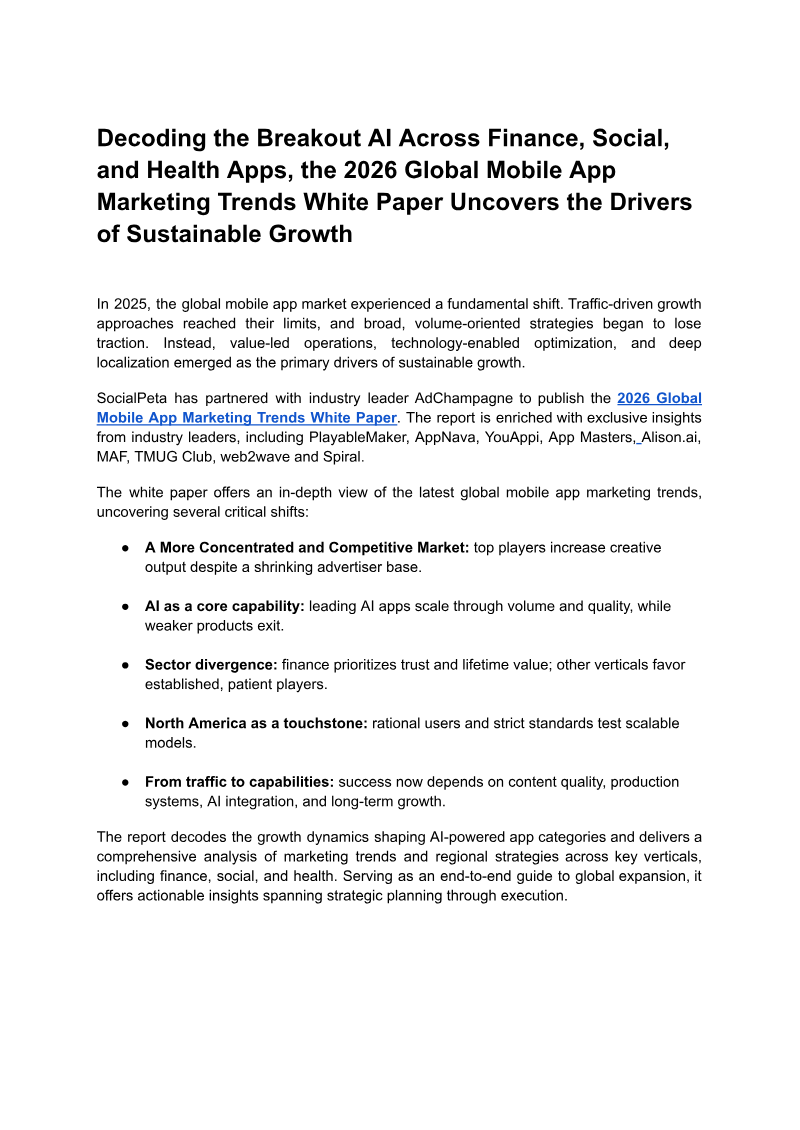
SocialPeta · 2026

SocialPeta · 2026
Anzu · 2026

SocialPeta · 2026

Raptive · 2026

Decision Lab · 2026
InvestGame · 2026

Moloco · 2026
Sensor Tower · 2026