
LegalVideo Games Europe
Position Paper: Public Consultation for the Fitness Check of EU Consumer Law on Digital Fairness
1 Feb 202315 pages~37 min full read
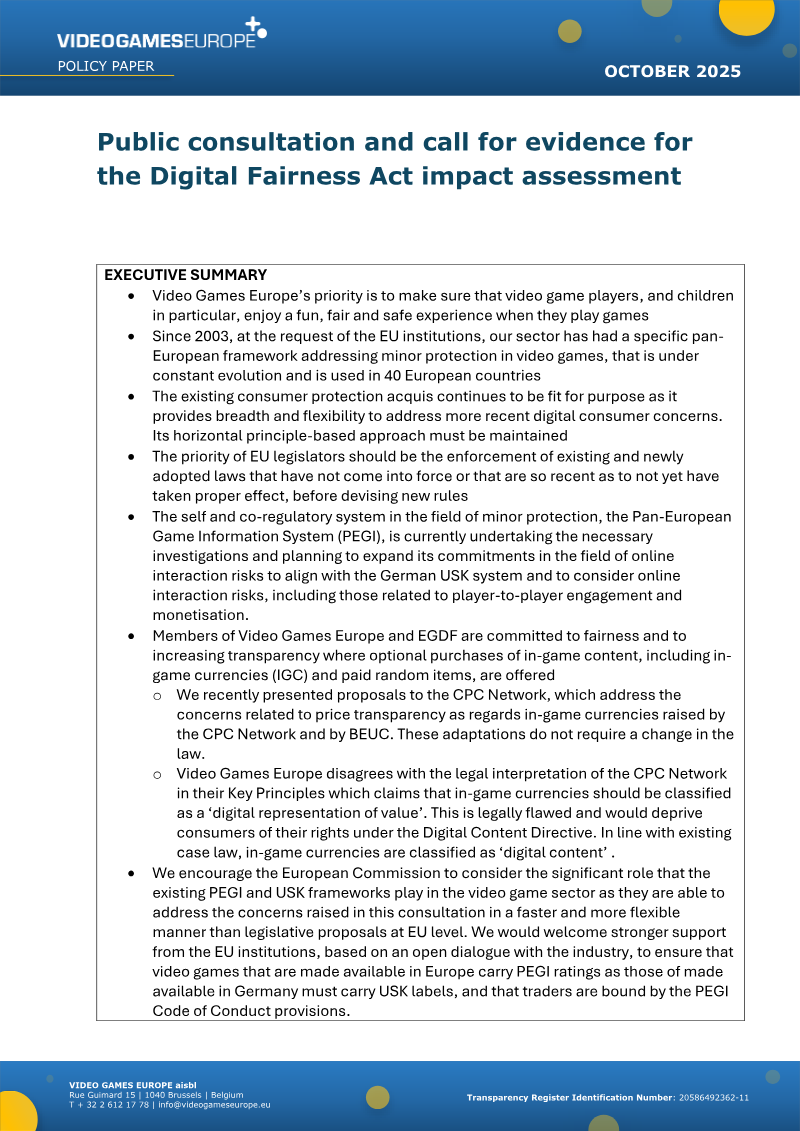
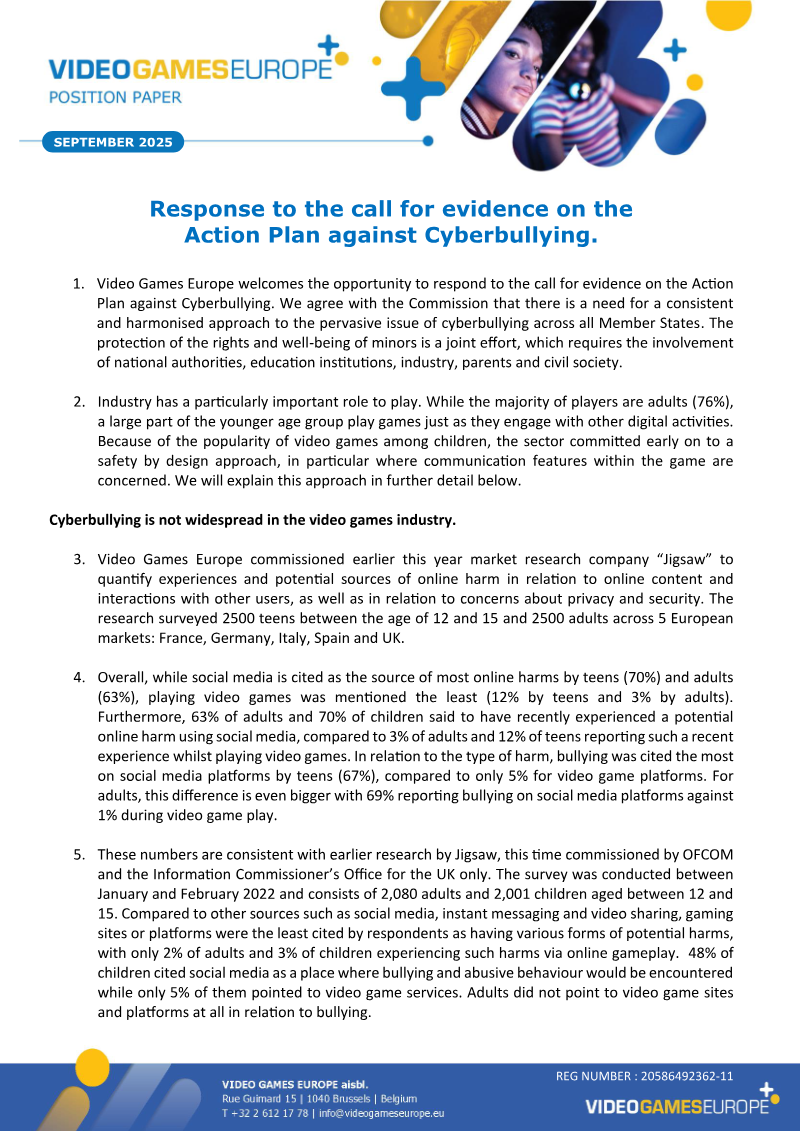
The analysis contends that the existing EU consumer‑protection framework is already adequate for ensuring digital fairness in the video‑game sector and should be fully deployed before any new legislation is considered. It calls for a coordinated, holistic approach that aligns the 2021 Guidance on digital services and the enforcement powers granted by the Omnibus Directive, and urges the European Commission to publish clear, ex‑ante guidelines on fair commercial practices. The industry’s self‑regulatory PEGI system, which enjoys roughly three‑quarters consumer awareness and provides age‑appropriate ratings, is presented as a cornerstone of this coordinated framework.
Evidence is offered that the current acquis effectively bans manipulative tactics such as bait‑and‑switch and false testimonials, with notable success in the gaming market. Coordinated actions by national consumer protection authorities on in‑app purchases during 2013‑14 and the Italian competition authority’s 2020 commitments on loot‑box transparency illustrate the system’s capacity to curb unfair practices. The analysis warns that forthcoming rules could duplicate or undermine these established mechanisms.
A specific argument is made regarding in‑game currencies, which are characterised as non‑convertible digital content lacking real‑world monetary value. Accordingly, they should be exempt from “monetary equivalence” regulations, provided that transparency is achieved by displaying the real‑currency price at the point of purchase and clearly informing players of the transaction details. The overall recommendation is to rely on the existing EU consumer‑protection instruments, reinforced by industry self‑regulation, to safeguard digital fairness across the European video‑game market.
Video Games Europe · 2026

Video Games Europe · 2026

Video Games Europe · 2026

Video Games Europe · 2026

Video Games Europe · 2026

Video Games Europe · 2026
Video Games Europe · 2025
Video Games Europe · 2025
Video Games Europe · 2025
Video Games Europe · 2025
Video Games Europe · 2025
Video Games Europe · 2025
Video Games Europe · 2021

Gamesforum

Gamesight · 2026
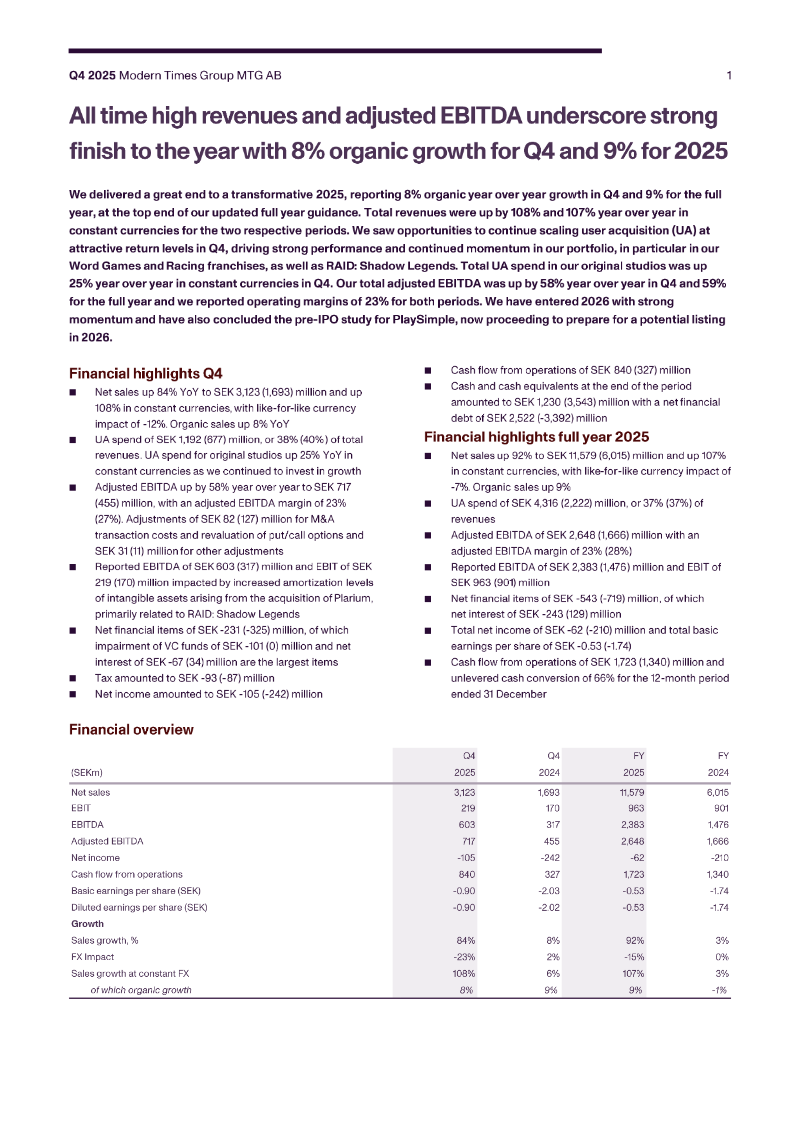
Modern Times Group · 2026

AEVI · 2025

AEVI · 2025
Newzoo & Tebex · 2025
CyberAgent · 2024
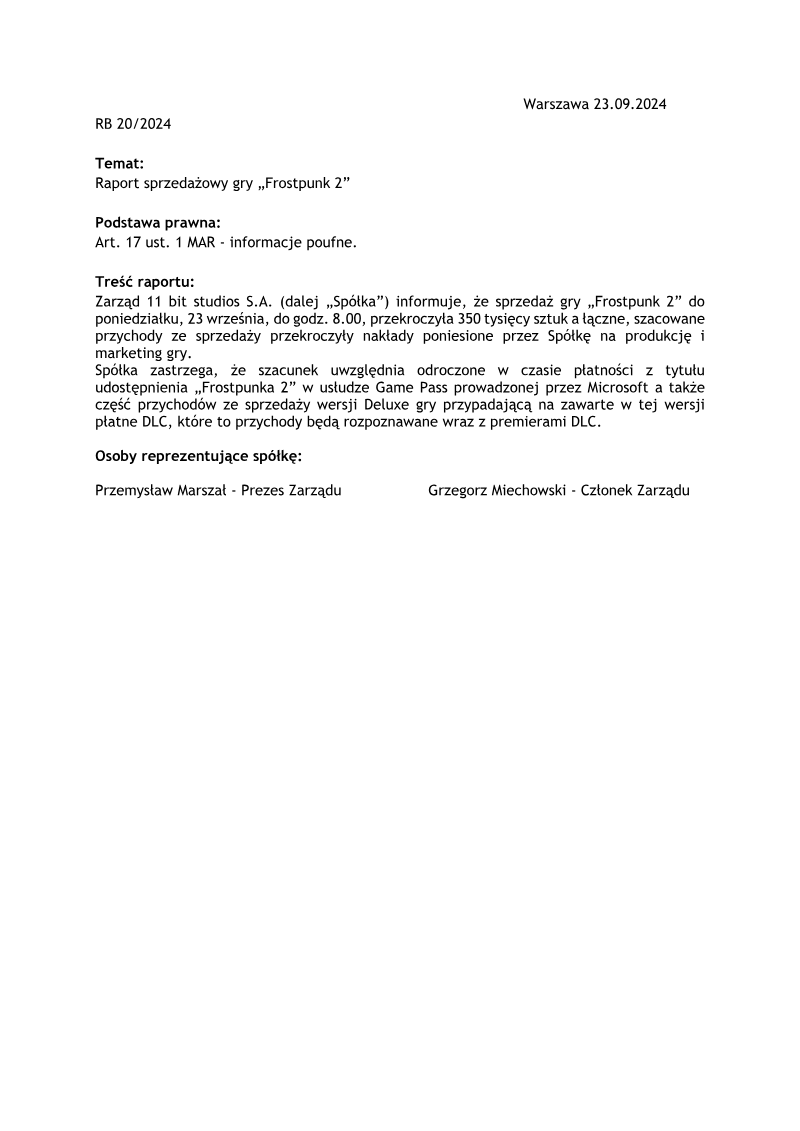
11 bit studios · 2024
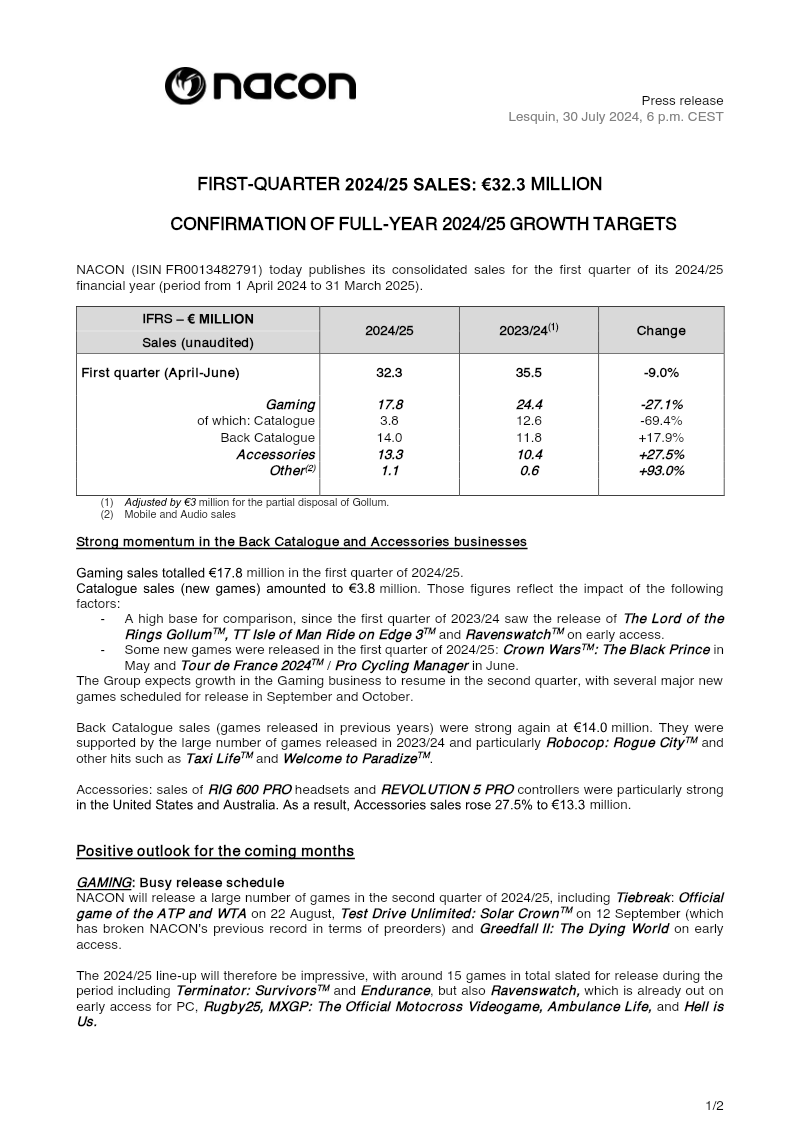
Nacon · 2024
Video Games Europe · 2024
Ipsos · 2024