ArticleThe Game Business
Video Game Consoles Will Bounce Back: Here’s The Dring
24 Aug 20261 pages~5 min full read
Key insights
5 slides
Market Performance
US video game sales declined by 10% in July 2026.
Total US spending on games, hardware, and accessories reached $4.5 billion.
Hardware Impact
US video game hardware revenue reached its lowest point since July 2020.
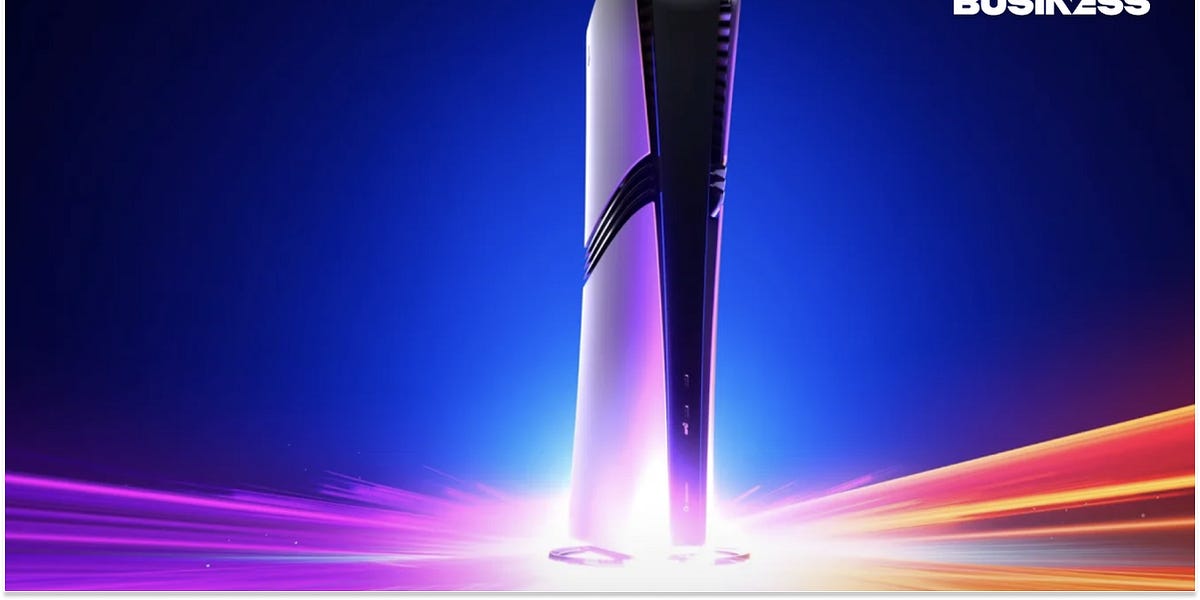
This impacts platforms like the PlayStation 5 and Xbox Series S and X.
Market Retention
Many players will continue using previous-generation hardware.
Despite the decline in new console hardware adoption, the market is expected to retain users. Consumers may opt to keep their existing hardware longer.
User Retention. The market is expected to see a significant number of players continue using previous-generation hardware rather than upgrading.
Nintendo's Move
The Nintendo Switch 2 will see a $50 price increase in September 2026.
This price adjustment is expected to further complicate the hardware landscape.
Content is Key
Market recovery is fundamentally driven by compelling, high-quality content.
Engaging software provides consumers with a clear incentive to invest in new hardware.
Just as diverse and ambitious film offerings revitalized cinema attendance, games can drive console sales.
1 / 5
Ask AI about this report