The United States game development landscape in 2025 is characterized by high average compensation levels contrasted against significant labor instability and a growing movement toward collective bargaining. Based on data collected from over 500 industry professionals, the average annual salary for US-based developers has reached $142,000. This figure reflects the high technical demand and specialized skill sets required in modern game production, yet it exists alongside a workforce deeply affected by the ongoing impacts of industry-wide layoffs that have reshaped career security over the past several years.
Sentiment regarding labor organization has reached a critical threshold, with 64% of surveyed professionals expressing support for unionization. This inclination toward collective action suggests a shift in the industry's cultural and professional paradigm, likely driven by concerns over job stability and the desire for more formalized workplace protections in a volatile economic environment. The findings indicate that while financial compensation remains competitive, the qualitative aspects of employment, such as long-term security and institutional transparency, are becoming primary concerns for the workforce.
The scope of this analysis focuses exclusively on the United States market during the 2025 calendar year, capturing a snapshot of the industry across various development segments. By utilizing direct survey responses from a diverse sample of professionals, the data provides a clear view of the tension between rising pay scales and the precarious nature of modern game studio employment. Ultimately, the industry faces a pivotal moment where high earning potential is being weighed against the systemic need for greater structural stability and worker representation.
Game Developers Conference · 2026
Game Developers Conference · 2026
Game Developers Conference · 2026
Game Developers Conference · 2026
Game Developers Conference · 2026
Game Developers Conference · 2026

Game Developers Conference · 2026

Game Developers Conference · 2026

Game Developers Conference · 2025

Game Developers Conference · 2025

Game Developers Conference · 2025

Game Developers Conference · 2025
Game Developers Conference · 2025
8Bit · 2026
Values Value · 2026
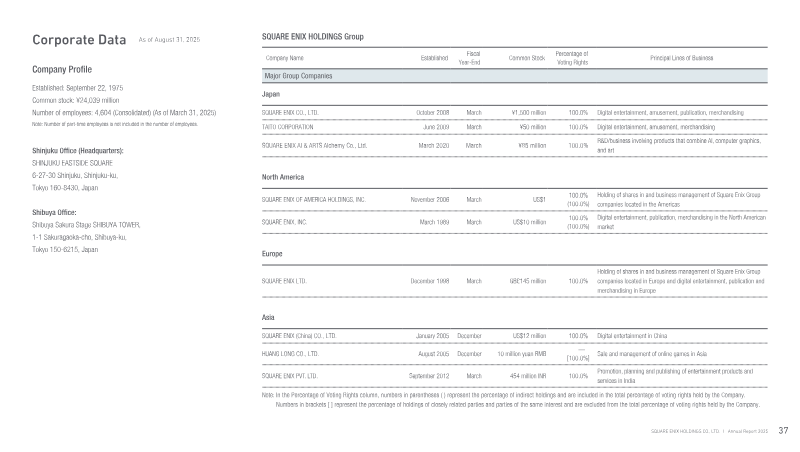
Square Enix · 2025
InGameJob & Values Value · 2025
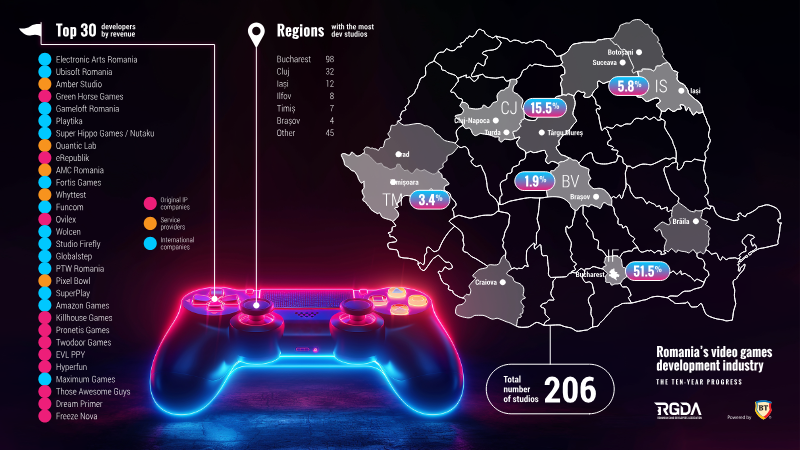
RGDA – Romanian Game Developers Association · 2025
InGameJob · 2025
PCF Group · 2024
International Game Developers' Association · 2024

ESAC – Entertainment Software Association of Canada · 2024
Dutch Games Association · 2024

ESAC – Entertainment Software Association of Canada · 2024