
L'Industrie du Jeu Vidéo au Canada
202441 pages~50 min full read
The 2024 Canadian video‑game sector is presented as a mature, high‑value industry that contributes $5.1 billion to national GDP and sustains 34 010 full‑time‑equivalent positions, with an average compensation of $102 000. The analysis underscores a pronounced geographic concentration, as 83 % of the 821 operating studios are located in Ontario, British Columbia and Québec, reflecting the continued clustering of talent and infrastructure in these provinces.
Compared with 2021, the total number of firms declined by 9 %, a contraction driven largely by the disappearance of micro‑enterprises, while larger studios either remained stable or expanded. Ownership patterns have shifted markedly, with foreign‑owned companies now accounting for 88 % of total employment, indicating deepening international integration and reliance on external capital.
Industry spending reached $4.8 billion in 2024, an 11 % increase over the 2021 level, and labour costs now represent 72 % of total expenditures, up from roughly 66 % three years earlier. This rising labour share highlights the sector’s intensifying dependence on skilled human capital.
The study classifies studios into eight size categories—from solo developers to firms with more than 200 employees—using survey‑derived averages to estimate spending, revenue and wage structures across each segment. By scaling these averages to the number of firms in each tier, the analysis provides a nuanced picture of economic activity across the full spectrum of the industry.
Overall, the findings portray a Canadian video‑game ecosystem that is consolidating around a few large, often foreign‑owned players, expanding its overall financial outlays, and increasingly reliant on a highly paid workforce, all within a geographically limited core that dominates national output.
ESAC – Entertainment Software Association of Canada · 2025
ESAC – Entertainment Software Association of Canada · 2024
ESAC – Entertainment Software Association of Canada · 2024
ESAC – Entertainment Software Association of Canada · 2024
ESAC – Entertainment Software Association of Canada · 2023
ESAC – Entertainment Software Association of Canada · 2022
ESAC – Entertainment Software Association of Canada · 2022
ESAC – Entertainment Software Association of Canada · 2022
ESAC – Entertainment Software Association of Canada · 2020
ESAC – Entertainment Software Association of Canada · 2019

ESAC – Entertainment Software Association of Canada · 2019
ESAC – Entertainment Software Association of Canada · 2014
8Bit · 2026
Values Value · 2026
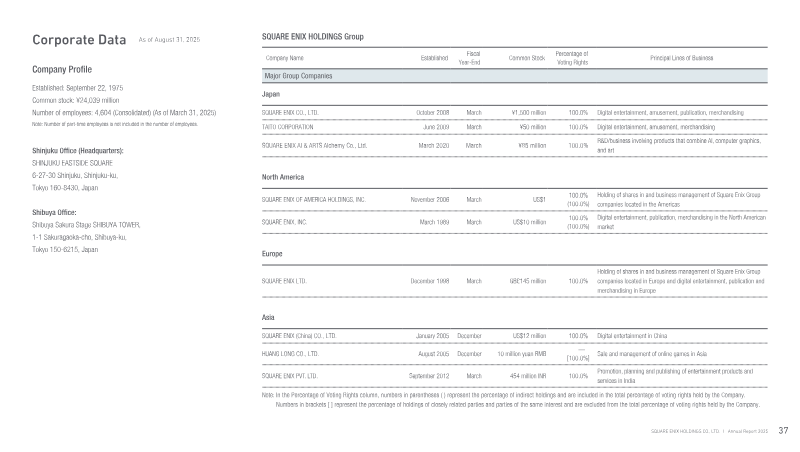
Square Enix · 2025
Game Developers Conference · 2025

InGameJob & Values Value · 2025

InGameJob · 2025
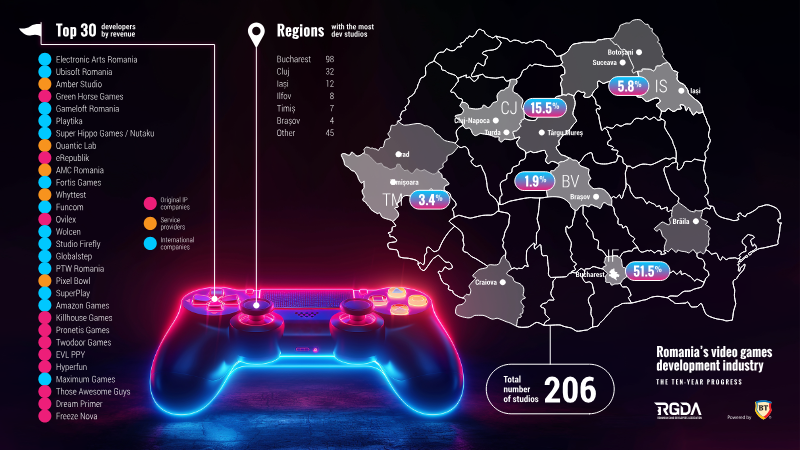
RGDA – Romanian Game Developers Association · 2025
PCF Group · 2024
International Game Developers' Association · 2024
Dutch Games Association · 2024
80 Level · 2024
CESA – Computer Entertainment Supplier's Association · 2024