2025 Game Industry Salary Report
1 Mar 202518 pages~16 min full read
The 2025 Game Industry Salary Report provides a comprehensive analysis of compensation, job security, and workplace sentiment among video game professionals in the United States. Based on a July 2025 survey of 562 industry professionals, the findings reveal a landscape defined by high average earnings contrasted against significant instability. The study maintains a 3% margin of error at a 95% confidence level, covering various industry segments including AAA, indie, and co-development studios.
The average annual salary for U.S. game professionals reached $142,000 in 2025, with a median of $129,000. While 60% of respondents saw pay increases over the previous year, a profound sense of financial and professional dissatisfaction persists. Over half of the workforce feels undercompensated, a sentiment that is more pronounced among women, non-binary individuals, and non-white workers. Data highlights a persistent wage gap, with non-white workers earning 27% less than their white peers and women earning 24% less than men.
Industry stability remains a primary concern following a period of intense volatility. One-fourth of respondents experienced a layoff within the past two years, and nearly half of those individuals remain unemployed. Consequently, 80% of professionals view game development as less secure than other career paths. Despite these fears, 82% intend to remain in the industry for the next five years.
The report also tracks emerging labor trends, noting that 64% of workers support unionization and 56% are interested in joining a union. Remote work remains dominant, with approximately 60% of developers in programming and design roles working fully remotely. While 85% of employees receive health insurance, other benefits like childcare subsidies remain rare, leading 11% of the workforce to take on side hustles to meet financial needs or seek creative fulfillment.

Game Developers Conference · 2026

Game Developers Conference · 2026

Game Developers Conference · 2026

Game Developers Conference · 2026

Game Developers Conference · 2026

Game Developers Conference · 2026

Game Developers Conference · 2026

Game Developers Conference · 2026

Game Developers Conference · 2025

Game Developers Conference · 2025

Game Developers Conference · 2025

Game Developers Conference · 2025
8Bit · 2026

Values Value · 2026
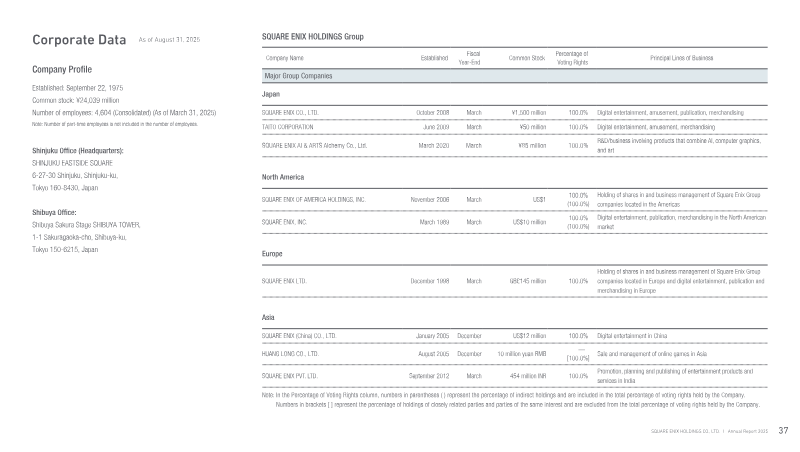
Square Enix · 2025
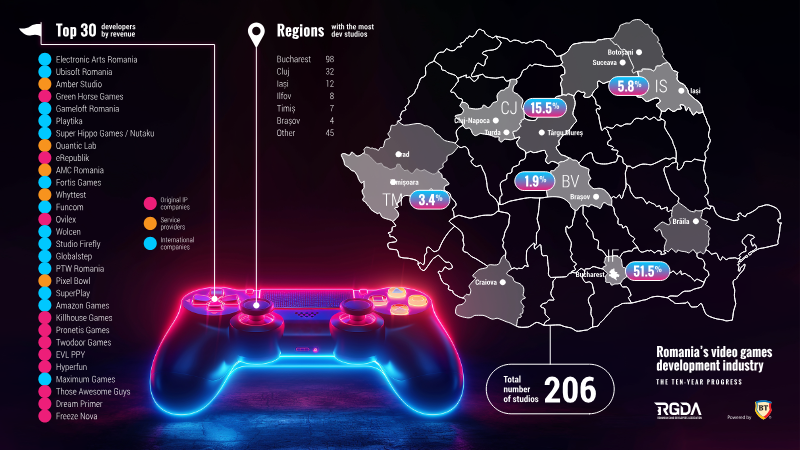
RGDA – Romanian Game Developers Association · 2025

InGameJob & Values Value · 2025

InGameJob · 2025
PCF Group · 2024
International Game Developers' Association · 2024

ESAC – Entertainment Software Association of Canada · 2024
80 Level · 2024
CESA – Computer Entertainment Supplier's Association · 2024

ESAC – Entertainment Software Association of Canada · 2024