Transcript
[Music] All right, let's move on. Keep going. All right, Chris. Okay. All right, so of course the first thing that happens, I am not exaggerating. Like I I literally get up, I walk to the venue, and the first thing I see is some douchebag in a vest. Okay, I'm like, "God damn it, these vests are everywhere." And of course, I look at it and it's Sergey from Aren, right? And and what's crazy is I think I've inadvertently cemented this brand equity with these vests for ARM somehow. And I want to be clear, I do not support or condone the use of puffy vests. I think they're douchy and I think you're just look at me. I'm an investment banker. Okay, I want to be clear on that. Now, of course, the only rep that doesn't wear a vest from ARM is IM, I think. And she just has the fashion sense not to wear those douchy things. And of course, Afan, who is the leader of this crew, he would never wear a vest because that's way beneath him,
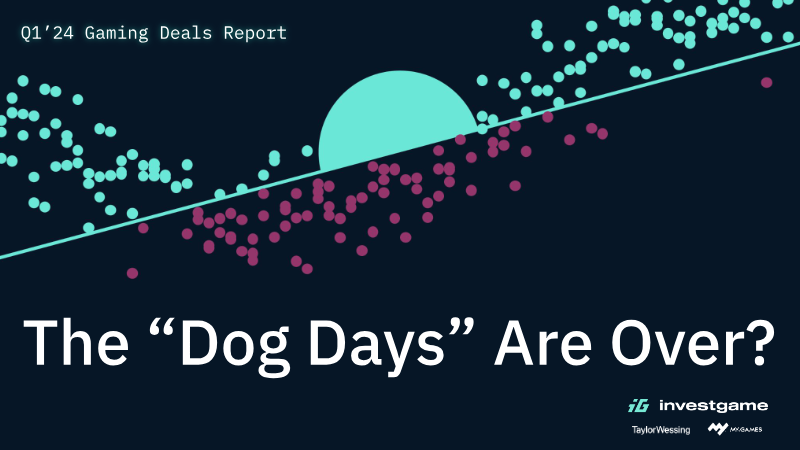
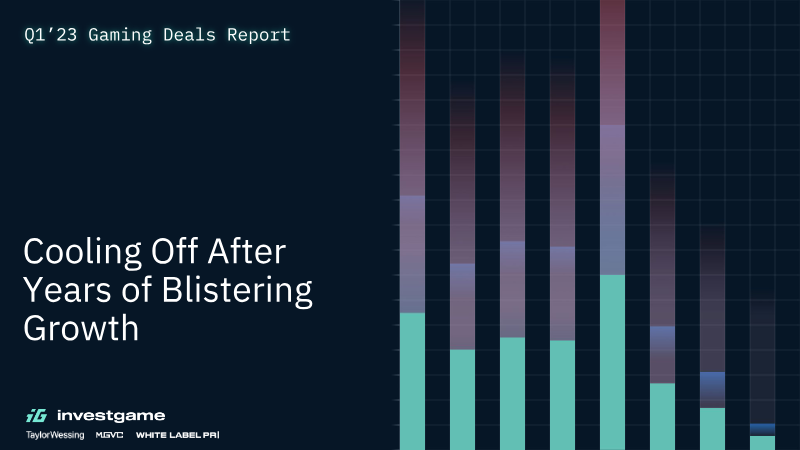
right? And have you ever talked to this guy, by the way, guy? He's like almost regal in his approach and how he speaks, you know? He's like we are but his subjects. That's what it feels like when you talk to him. But he gives that ultimate confidence kind of without that like obnoxious condescending tone. But anyway, to be clear, Arm is one of the best in the business. Afan has managed an amazing team. They do lots of M&A and transaction in the space and their diabolical vest strategy is working because I am covering ARM's Q1 summary instead of convoys because of the amazing vest that they put together. All right. So they created this report with this guy invest game with actually founded by this affformentioned vestware Mr. Sergey who who came from Invest game. So here's what they had to say. First of all, I will give him mad credit. Like the formatting on these [ __ ] this report was absolutely phenomenal. Like they have stepped up their game way above and beyond, right?
Wise man once told me is that when you're looking at a chart, you should understand it in 30 seconds or less. And if not, you failed. So anyway, they did a great job on this. So they went over kind of the M&A in the gaming space, public market transactions, private investments, and some summary of some market trends. And so basically they're kind of claiming that like the first quarter was actually kind of a higher financial activity going on within the space. But if you actually break it down, it's really not that great. I'll be honest. Like so there are like 42 M&A deals totaling 6.6 billion. This is true. But these were huge deals like the scopely acquisition of Niantic obviously Mini Clips purchase of Easy Brain and then the Apploving Game Studios sale. And so I guess what this is generally like good news. It's good news that there's things getting bought because there's like exits for founders and stuff. However, it's pretty clear that there's just not a lot of acquirers left, right? And a lot of these were like trying to save these companies, right? Like
they're like fire sales, right? Like obviously the app stuff is not the ideal way of selling their studios or 12 like 15 studios or whatever it is. These are good results, but these are just kind of like transactions of necessity. I said, you know, like the biggest problem we have in the M&A space is there's just not a lot of acquirers left. And this is what we were talking about at GDC and in Turkey is like I mean the only real acquirer that's active out there is Scopling, right? They're like the only one left, right? Activision is gone. You know, Zinga is not acquiring jack [ __ ] anymore, right? You know, like Mr. Petravic doesn't have Kart Blanc to buy every [ __ ] company in Turkey anymore and the Chinese are gone. So, it's like a really really tough M&A space in general. Now, of course, ARM is an M&A adviser, so they have some incentive to pump that stuff up. So, anyway, all right. Any questions about that before I continue on my diet tribe? No, I think that makes sense. We actually talked about and went through the report last week and got Mishka's take on it. So, I think this time it's really fun to get your take on it since you were with them
and get your perspective. So, thank thank you for listening last week's episode. Appreciate that, Chris. I did actually. Maybe I just don't remember. Anyway, private investments are [ __ ] horrific. Absolutely terri They're terrible on this thing. Like very very small like point4 billion which represents like the lowest quarter in like years. And so the people that investing are A16 obviously with their nonsense around speedrun bitcraft and gem have games. I do want to say just to be fair to them they do have games in speedrun everyone and apply now apparently it's going on. No, they are no longer doing games basically is what's happening. And so I got a call from the PR guys over there and and yeah, they were unhappy but whatever. Okay, so it's kind of a grim situation on the VC side. We are seeing early stage VC stuff, but the mid-stage like A round B round is going to be really really struggle. So even at Morates at Lightseed, we haven't heard jack [ __ ] from him in months, right? Like what's next on his thing? However, I think we should see some ridiculous investment in
believer like we're 75 to 100 million. I know they're working on it, but like that was like throwing away money. So, we'll see in a few public [Music] listings. I don't know. I don't want to be so negative, but like they're like the $5.1 billion in public listings, but these were all like really distressed asset [ __ ] You know, this is like spin-offs of As Modi from Embracer, which is a failed company. investments for the failed Ubisoft like Ubisoft credit facility for the failed Stillfront like the one IPO from Shift the guys who makes Goddess of Nikki and Stellar Blade but I haven't checked out on how well that's doing this kind of activity is not the type of activity we're looking for frankly the market cap for Shift up is down from 2.8 8 to2. Okay. So, just want to give you some good news as you Yeah. The good news is, and this is exactly the thesis that I've been talking about for the last year, just to be clear, is that game stocks are up. Like, actually, game stocks are
outperforming the S&P because we are on our own cycle, right? And we have like all this [ __ ] going on in the space with Nintendo and Take Two with GTA and even EA is starting to come up a bit and Roblox, etc. So, the publicly traded names are actually performing pretty well right now because it's the battle of the big out there, guys. Battle of the big. Yeah, mobile has stabilized, which is exactly what I was talking about in Turkey. But downloads continue to be a challenge. They're at an all-time low, and that's another thing we've been tracking for a while. Steam is still growing. The console audience is growing, and this is not because of hardware sales, but engagement is improving on the platforms. UGC is still growing with Fortnite and Roblox. And then mobile game launches are a lot lower, which actually is another thing is that like it's getting harder and harder to launch games while Steam continues to get more and more games on their platform. So overall, this is an amazing report of like the state of the state. Like if you really just want a really pragmatic look at it and you get away from the spin around M&A, I think this is a really interesting report from a financial perspective. So I do
recommend you guys taking a look at it. Yeah, they do great work. And you know, I think I talked last time at GDC. I I I saw the vest. I saw the arm vest and I'm like, I have to go talk to them. So, the branding and the marketing is is fantastic. They just need the women's version because we don't wear the puffy vest as the women. When I talked to her, I suggested, "Oh, yeah. Why don't you wear the vest?" And she looked at me like, "There's no I'm wearing that goddamn vest, dude. I don't care. They can't pay me enough to wear that vest." She didn't say that, but I'm just saying she looked like that. Yeah. No, she should. It's like when all the guys get the hats with the branding and it's like there's never going to be a woman that wears a hat with your branding in public. It just doesn't happen. Okay. All right, Phil. Let's go to games. Let's start with Nintendo. Crest mentioned Nintendo. What's up? Mario Kart World's price tag has been unveiled. It is $80. Wow, that feels like pretty significant news. 80 bucks. Nintendo Trailblazing. Now, Doug Bowser. God, I wonder how many times that joke
has been made. He wears a pin. So he we Chris, did you know him at EA? I know him from EA. He is like actually one of the loveliest people. He was on like CNBC. I was watching the clip of him talking about everything and he he wears a Bowser pin just cuz he owns it. He owns it. Yeah. Also, good for him for raising the price. This is good. Break the ceiling. Let's get through this. Well, GTA was, you know, was already out there first. If Nintendo's the first one to break through this, right, I feel like that's the right approach. Then everyone else will follow. They got [ __ ] though. No, that's the only shocking thing that it was Nintendo to do it, right? Yeah. Like Yeah. GTA, sure. [ __ ] do it. 80 90 120 bucks. It's 100 plus, right? Like or 120. I don't know where. Well, obviously they haven't like this is one of my favorite slides from the Matthew Bald deck and he takes a picture of a Toys R Us magazine from 1992 and looks at the game section and what he does is he goes in and he adjusts all the prices for
inflation. And so you were looking at games that first of all had variable pricing back then and were, you know, 100 150 bucks for game inflation adjusted. And I know people have mentioned this over and over again, but they always mention it as like, oh well, you know, game prices need to go up. So first of all, we have effectively done price discrimination the right way. We have deluxe editions which we've been talking about which effectively raise ASP, you know, to this level. H maybe maybe not, but ultimately like it's not always about maximizing price, it's about maximizing revenue and finding that point on the demand curve. And we do a remarkable job of doing that, not just through the deluxe editions, but I think the other thing we have is that we have MTX revenue now as well. And so sometimes it makes sense to lower price, get more installs, more DAOU, and monetize on the back end, which can extend your LTV. So there's a lot of things that justify where prices have been and why they've been that way. It's not necessarily that like we just haven't updated prices in a long time. Now, when it comes to MTX, I think that's a totally separate case. I think people really haven't updated price and
effectively we've been discounting things for like five or six years. But when it comes to like standard pricing, I'm just not as convinced that we should be like beating ourselves with a stick that we haven't raised price. There's a bunch of reasons why this has been the case. But for the purposes of Nintendo, they don't have MTX, right? Like no [ __ ] they should be 100 bucks. I mean, they really they really should be though, right? The single player games are more price elastic. Like I think their product is more price in elastic. I would argue that almost all games on console are priced in elastic. Like do you think Madden at different prices is going to change the curve for that or FIFA or Call of Duty even? Like I don't think there is price elasticity. Well, we have FIFA free to play remember in Asia. Yeah. And we when forecasters looked at this and they said here's the impact. All they did was just raise the revenue number. They literally changed zero about players. I agree that forecasters forecasters don't usually assume demand curve slope downward. I've seen that many times in Google Sheets. That doesn't mean it doesn't though. When I was at EA ages ago, I I swear I spent six months on price elasticity and
looked at every piece of data that we had on Madden, FIFA, NCA, Medal of Honor, whatever else was back then and market data and there was absolutely no evidence whatsoever test in this particular market, right? These like core gamers that are buying consoles, right? So anyway, that's a whole other debate that I'm sure we could Yeah, with MTX, right? It adds another flavor to it. So, last point on this. So for FIFA and Madden, which are yearly iterations, if they try to charge like $80, $100 on the base price, they're out of their [ __ ] minds, right? Because there is MTX associated with that and there's premium SKUs that you could do that make sense. But for single player games like GTA or anything coming out of Nintendo, yeah, 80, 90, 100, go for it. Well, on football and FIFA, that's what they have been doing is the deluxe SKUs and the super SKUs or the, you know, you pay a hundred bucks and you get early access. And so, I think you're right that they've kind of segmented their approach, which makes sense. All right.
[Music]
Auto-generated captions from YouTube — names and numbers may be misheard.


















Comments