1 free read left. Create a free account for unlimited reading + AI research.
Create free account
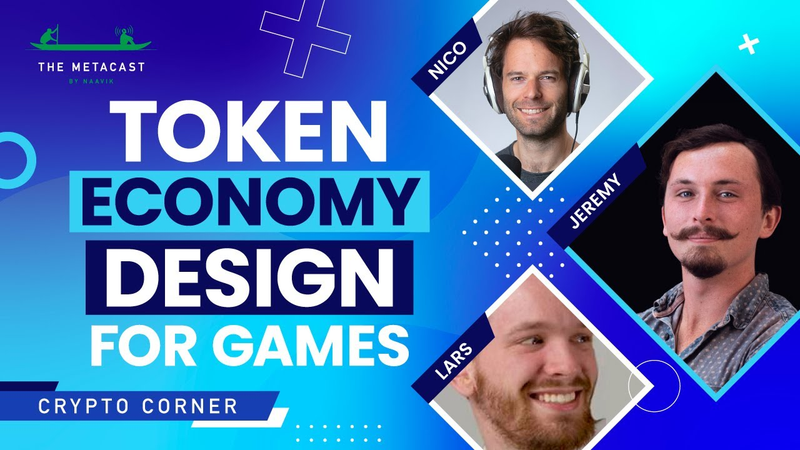
Token Economy Design for Games - The Metacast by Naavik
Key insights
7 takeaways- 01Token design should function as a complementary tool for engagement rather than a primary driver, as prioritizing financial extraction over fun undermines long-term game viability.
- 02Successful economic models must focus on 'value to earn' to ensure in-game achievements retain intrinsic meaning rather than becoming vehicles for speculative financial gain.
- 03The gaming industry is currently prioritizing the development of reliable infrastructure and user-centric tools over the premature financialization of digital experiences.
- 04Integrating real-money economies directly into core gameplay risks disrupting the immersive 'magic circle,' leading to unsustainable models and negative player experiences.
- 05Developers must maintain a clear understanding of monetary inflows and outflows to prevent the exploitation of player behavior and protect the integrity of the game ecosystem.
- 06A resilient economic strategy mirrors the professional sports industry by keeping financial activity—such as sponsorships and merchandising—external to the core gameplay mechanics.
- 07Emerging technologies like soulbound tokens are being developed to formalize digital identity and provide machine-readable proofs of status for governance and access control.
Ask AI about this video
Transcript
[Music] gm friends and welcome to the metacast crypto corner brought to you by navik i'm your host nicola vrika or nico for short and today i'm joined by fan favorite lars dusay and jeremy paris and in today's episode we're gonna talk a little bit about token designs in games some of the best practices play the urn is it dead or not uh what's happening there um and we have two fantastic guests for that but maybe first very quick some intros lars you can go first you've been on the pod before two sentences about what you do and what you specialize in yeah i mean i've been here before um i'm a game developer historically and nowadays i guess i'm an analyst on the econ and design side of blockchain games i've written a bunch of project deconstructions for novik and i've appeared on this podcast a bunch awesome how about you jeremy yeah um i am a ventures associate over at delphi
digital um but i really enjoy spending my time in sort of token design specifically for web3 games and um just trying to stay on the bleeding edge of that with all my crew over there so that's that's me in two sentences anyways that's great and the cutting or bleeding edge is where we want to be with this episode so you know let's start immediately jeremy um i feel like i've come across a few projects that said oh i've we've worked with jeremy and ever very like much good about your work so share with us um maybe like as a as from a high level to start like how you're thinking around fungible tokens what they can do for games um and then maybe we can go into some more specifics like different loops and designs absolutely man um may i'll take a crack at it and i think it'll answer your question in a roundabout sort of way so so bear with me for two seconds here um i think for me the question is like how to approach uh token design when it comes
to a game um or or any sort of project right because that's that's what it is largely and i think there's a lot of different components for approaching token design um and and this is where lars um i'm super excited to talk to you because i think when it comes to web3 gaming specifically you can't start with a token design really you have to start with the game design and make sure the game design makes sense and that's a good game design first because you can't really put a good token design on top of um i don't want to say a bad game but a bad game design perhaps right and then for me i guess the way i frame token design in my own head is um you know whether it be a two token design a one token design or different mechanisms inside of designing tokens like staking or yields or even like air drops for me each one of those individual things is a tool that is in your sort of token design toolbox so to say so you have to understand each one of those tools in and out as well as understanding token design and different like ways to
monetize things and then only then can you actually begin even thinking through a token design and building that from like the ground up like none of this stuff in my opinion can really be bolted on as an afterthought or copy and paste it or if you do want to copy and paste you still have to kind of tweak and tailor make that for whatever it is you're working on um so that's kind of my approach to to token design i actually have no idea if that answered your question nico kind of did i'm curious when you think about you know what is the objective of a token design like what are you trying to achieve by changing like and using the tools that you described earlier staking air drops these kind of things that's a great question um i guess it kind of depends on on the project but i guess we'll we'll focus on gaming here so i guess like the token design for games should accomplish what the game is trying to do best you know and there's a huge range of spectrums there like is a game trying to be more of a web 3 native game that
leans a lot heavily more heavily into like crypto native things or is it trying to ride that fine line between web 2 and web 3 games or web 2 with um web 3 components maybe more under the hood and that's gonna depend on on your player base who your target audience is and probably what your thesis about um i guess just like the future of tech or the future is in general so i'd say the the goal of a token design should be to complement um whatever your approach is and um build up on top of it like you'd build anything else on top of a project um in the most just thoughtful kind of way i know that's kind of super super high level but yeah i think it's more token design should be more complementary than dominating if that makes sense okay i'm down to go into some examples uh later but first lars your thoughts i'm because i'm not even sure that you even think that fungible tokens and games are a good thing so maybe you can share your
thoughts to begin with um um on specifically what question just um on fungible tokens and games is that the question yes yeah well yeah i mean i mean my standard reply before i get into anything is do you really need blockchain for any of this right um but if we're gonna assume you're you're you're committed to using blockchain somehow i mean we just raised you some basic questions um the first one is that you know traditionally um when you look at the history of games you've we we've tried to attach real money trading to games before and every time we do it's there's there's no game that touches real money trading that comes away fundamentally unchanged you know it has immediate just drastic consequences on the game um both because of just intrinsic versus extrinsic motivation you know a kind of game that a and a way to think of it maybe maybe a good um
mental framework for it is a long long time ago i wrote this article called piracy in the four currencies and i used this model to talk about how our analysis of the motivations behind why people pirate things are broken because we only think of it in terms of like the money that's spent which doesn't help us predict why people would behave this way or that way and it's like the reason people pirate is because the total cost in all currencies is lower and some of those other currencies include time dollars pain in the butt dollars and integrity dollars as well as just money dollars right you know what i mean it's like it's more time and pain in the butt to use a heavily drm system than it is to just go pirate it but piracy is not actually like cost free it's only cost free in terms of money it's it's pretty time consuming and you need like technical expertise and all this stuff and you might feel guilty that it's wrong right or be worried that maybe you'll be caught you know your your your isp will send you a nasty
letter and so piracy competed by the drm just escalating these other costs including monetary and non-monetary costs until piracy was actually the cheaper option for some people and so what i think we should do is that we should remember that there are these kind of so-called invisible currencies that are always in play and if you look through that model with a traditional game a lot of the costs of traditional games you know are already denominated and mostly in terms of things like time or effort or whatever you want to do like you can use whatever terms you want you don't need to be limited to my four you know and so what attaching real money does is essentially set up an exchange between these kind of like invisible currencies of what people are spending in the game and denominating them for the first time in dollars or anything in crypto that's exchangeable for dollars and when you set that up suddenly that that changes people's
behavior in in unexpected ways because it's like i might be willing to grind in a game for a sort of epicness if that's literally the only way i can achieve it but now that i can exchange it for 12 cents because someone out in you know some third world country has a different discount rate on their time than i have and has played the game for 10 days straight now like i'm denominating the time i'm putting in my game in dollars um which i couldn't do before and then i'm making different decisions than i would and so even before i even drop a single value judgment into that equation um i think it's important to realize that that is that is the function of attaching fungibility to um a game's economy is that it opens this exchange behind these invisible psychological resources and and harder resources and i think that that i think it helps whenever we do any analysis to understand what's actually going on and that's um that's what's
actually going on and that's why it's very very difficult to balance um and i will say i have one tiny pet peeve and you guys don't have to humor me but i will um state it is that when we talk about web 2 and web 3 i'm usually kind of shocked at how little web has to do with it so like we talk about like web 2 games to just talk about like traditional games most of which do not run in a browser and have anything to do with the web 2.0 paradigm and then most web 3 games also do not run in a browser like they've taken the web out of web 3. like there's a couple splinterlands and said run and so on and so forth you know but like axiii infinity is a you downloadable unity app that is not available in the browser and so i would like to see a little more web in my web three is is just my my little desire of my heart anyway um but i'll kick you back that's a complete discretion digression so just kick it back to y'all with that that being my answer is that essentially attaching any real world market crypto or not sets up an exchange to these invisible currencies and then changes human
behavior in unpredictable ways yeah first of all um i love the the sort of sidebar there at the end because i have very and it's actually a fantastic point because i have similar pet peeves with certain terminology in the space that drives me up a wall um so i totally agree with the web 2 web 3 thing mine is like the metaverse and you know not to go down like terminology rabbit holes it's just like 99.9 of the time that is used completely wrong and it like eventually that does kind of like skew and change like the culture though and what our ideas of things are right but um no i i i really appreciate that um to respond to some of that mine is uh before you continue mine is game phi so we can we all have our pet peeves and uh let's continue the conversation no i love that man um so i guess like i i pretty much agree with everything you just said there lars and and the sort of framing there um you would think that because i work on
token designs and all this that i'd be like the biggest token bull but oftentimes one of my um first jobs is like to ask the question like does this need a like a economic token or can we accomplish a lot of the same things you guys are trying to accomplish with just nfts or like soulbound tokens or whatever the case may be like what is the actual purpose of these tokens and i think a lot of times just being totally transparent here and i'm not a huge fan of this those tokens become um it changes the the core loop of whatever the project is rather than the core loops being like fun or community building or social the core loop becomes how do i get money out of the spreadsheet like the the core loop becomes extraction value extraction and then the game and the tokens are sometimes built around that and if that's the the sort of core loop of your project then it's never going to work and it's flawed from the beginning in my opinion um you know and that's where
i think nico you kind of mentioned it at the beginning of the conversation people are saying you know play to earn is dead you know there's different things like game fi play fi moved earn and it's like these all these different two urns are in my opinion sort of different um token models themselves i would argue um if if you should be designing or thinking through any token model and you want it to be a to earn it needs to be add value to earn um and that's it uh ryan foo and i were just actually talking about this who was recently on nico and um yeah yeah i think that should be sort of one of the core principles um and not opening up the spreadsheet as much as you can not making your project super value extraction extractive but by trying to add meaning to whatever you're designing and i guess just to like give a more tangible example of like adding meaning because i agree like lars like when a lot of these sort of traditional games try to add a monetary element and even
if it's like loot boxes or skins i think that's kind of the core of why a lot of gamers hate nfts and the sort of example i like to use here is world of warcraft so you know being an old-school gamer of world of warcraft um if you're hanging out in the auction house right and somebody rocks up in like all purple epic level 60 raid armor that they earned from you know literally like hundreds of dungeon runs and you you you knew what that armor meant and it held value it was a signal and then we lost that right um and and we lost it because skin started becoming a thing you know different monetization models and and sort of financials kind of touched world warcraft and ruined it in a lot of ways and so i think you know at the core of why a lot of gamers say nfts is sort of that gripe and i agree with it it's like nfts and these tokens look like a more sinister version of that the question in my head is how do we design a token model to give meaning back to that armor so that when i walk in with a level 60 piece of armor that
has meaning again right how do we get back to that and i think with um you know web3 crypto i think there is a path to that again um but anyways that's a very long-winded way to say i actually agree with a lot of the things you brought up for ours and they're questions that keep not only myself but like a lot of token designers over here at delphi up at night it's like how do we continue to improve on some of these models that um haven't stood the test of time i suppose does that make sense lars you mentioned the problem with suddenly allowing real money to flow into virtual economies makes it that people can you know do calculations and it essentially i think that the example that people give is the diablo 3 real money auction house where you know people were suddenly allowed to inject real money value into the system and and circumvent the core gameplay loop and they use that as an example to say that you know this can never be a good
thing for games right the ability to inject real money into a game is always going to be bad look at diablo my counter argument would be and i would love lars to have your thoughts on that i think you know a lot of games have well it it has always been pretty hard to inject real money into games right well like you had you could you had to get your credit card and you had to make a payment um and you know there were certain laws that restricted how much money you could put into games and i feel like um most of the games most of the specifically mmo games have been designed around you know having a closed-off economy right and that was a specific design decision and so opening up that economy that was built around the the premise that you couldn't take real money into the game um was built in a certain way and was fun um in that way however i think you know what fungible tokens and nfts also also do right um it is it it allows for you know new game design and you know you won't be able to take a game that existed that was fun
because you couldn't take your real money in um you can't take that and copy it and just make it blockchain and make it work but maybe there's a way or there are games that could exist where you can inject real money and it is also really fun yeah so yeah just respond to that so um i mean the way i would put it is that it's actually it's actually not hard super hard i would say it's actually reverse it's not too hard to inject money into a game what's always been difficult is to take money out of it right um and there's there's legal reasons for that as well there's um i think they're called money emissions laws or whatever like if you're not careful and you allow people to extract money suddenly you get regulated as if you're essentially a bank you know and um so there's that reason along with the fact that most game developers have no incentive to let you just extract money from their ecosystem um but there's a legal concern as well and um and and so i think you're basically right like the issue with diablo 3 i don't know what other people use it to say but what i use it to say is you
can't take diablo 3's existing design and bolt an auction house onto it and not have chaos happen not have like a completely opposite design than you expected the main issue with diablo 3 also is that they and they always do this this this always happens at least you know or it has happened a bunch of times it happened with artifact too was that you test a traditional game with a real money market system attached to it in some small constrained environment that does not at all hold to the real forces of an unleashed economy when a bunch of players are going to do it and it's like oh it works fine with like my friendly little beta testers and it's like okay well someone is going to like arbitrage the ever loving heck out of that and that's going to be like their full-time job and then what's going to happen it's like you're not going to find out until 1.0 and it's going to be totally different than when you tested it but um so then your next point was it's like okay you you you're going to need to find so-called blockchain native game
designs like token native game designs i agree you know whether i like it or not i agree because it's the same thing with free to play was um free to play games eventually discovered this niche of where they made games that embraced fully like like there was mobile and there was free to play because not all mobile games originally free to play it's like you needed to create a game for this interface like really native to it rather than being like oh it's a platformer metroidvania and we're going to pretend you have buttons but they suck because it's a touch screen um and things like that so like you really need to design for that interface and then you have to design for the monetization model like just throughout all of game history you've had to design for the modernization model the arcades are why games used to be so dang hard and it took like a while when games moved to home consoles for people to realize we don't need to kill you every 30 seconds you know they bolted on continues and then they're like and early on they're real stingy it's like you have three continues it's like why don't i have infinite and now now
now we don't even have lives in video games anymore you know all of that was an artifact of the arcade days it took time to kind of slough off um but circling back i would say one of the big just like 100 pound gorillas in the room when it comes to like token design in games is what is the effect of the incentive of giving tokens to your players and does it cause them to behave the way you want and what's really interesting to me is that the one token design that maybe would have the least impact on people's behavior in weird ways is the one that's mostly not available and that is in a dividend-bearing share of the game right because if you issue a token that's just like hey you now own a share of the game how does it impact the economy it doesn't really touch the in-game economy it's just if this game makes money dollars you get some dividends you know you are a share you have a share in the joint stock company of the game but that
doesn't pass the howie test and that is considered a security and so you're not allowed to do that or at least under my you know layman's understanding not coming from a finance background someone please correct me if i'm wrong but that is like that is like verboten you can't do that and because you can't do that you know you have to try these other things and these other things have more impact in the economy in in different ways and so you know i wonder if regulations were such that you were allowed to do that and i'm not saying whether that would be a good idea or a bad idea like i wonder if more people would choose that if they could just be like hey you just don't share in the game now so when the so you can make world of warcraft backed by this little token that does not interface with world of warcraft's in-game economy at all when a bunch of people buy world of warcraft subscriptions you just get some money you know so i'm just i'm just curious you know you you actually do work in tokens you know maybe you can tell me about the legal situation and the the situations behind that yeah no i i have a couple thoughts surrounding uh some of the things you just said there um once again agree with
you as far as um sort of token design overall i think uh at a high level or like to boil it down it's like you can't make the player's choice to either leave money on the table or put food on the table right like you can't you can't make the player's choice like oh do i not take money out of the game when i like have bills to pay and that like it creates this weird uh like psychological dynamic that you're kind of touching on earlier um so it's tough right and i think once maybe another way to frame this right um is when you allow money to be extracted from a game um what you do is you break the magic circle of that game now what i mean by magic circle of that game is there's this circle and what inside of that circle is the gameplay and that's it right now you break that magic circle by allowing money to flow in and out of it by like allowing free to play or pay to win or whatever to flow in and out of it and you
make the game something other than the game right so like if i'm running for example let's say like call of duty had nfts like if i am running around in call of duty and i pick up a gun my next thought can't be oh this is a really cool gun should i keep this gun or not because i might be able to sell it on an open market like that just broke my flow state it just broke the game state it broke the magic circle so if i'm looking for like in my current thinking of like a not maybe a perfect token design but like a token design that i think is super super interesting is how do as you're kind of pointing to lars are like these fungible tokens not touch the game at all and not touch the gameplay at all or the game economy at all how do we keep that magic circle around a game intact make that a really good game so that makes the meta around the game rich okay and then how do we build different financial loops around the meta of that game right now a great example here is sports okay now
soccer there is no money earned on the field of soccer or football or baseball right that's just a game it's a really great game that builds meta around that arena the way soccer makes money is the nfl it's through merchandising it's through fantasy sports it's through all these meta games that are built around these games so how do we take that model and then bring it into crypto and web3 is my question and how do we build a token design and a game that allows that to happen how do we bring sports from the real world into the digital world if that makes sense at all like because there's like and the last point i'll say there before i like would love to hear your guys's thoughts or poke holes or you know down to whatever um like when it comes to soccer and sports like there's a big difference between me you know kicking the soccer ball around in my backyard and ronaldo right i don't make money by throwing you know that baseball around in my backyard or whatever with my kid
it's ronaldo that makes money it's the nfl that makes money like ronaldo makes money because he's the best the nfl makes money because they built infrastructure around that they provided tickets they put merchandising out so how how do we build that in the digital world is kind of the token design i'm looking for um and and i think part of that lars and sorry for the very long-winded response i think we build dividends into that as well you know because that's part of some of the meta happening around um that magic circle so does that make any sort of sense or um no that's that's really interesting so basically what you're saying is you avoid penetrating the game experience itself and so you basically shove the economic activity over here where it's it's a little like you can kind of like have separate concerns right you know what i mean so it's like you have your game right here and then like people are drinking here like maybe like a really simple if somewhat you know dicey example is is gambling right you know what i mean like what that that's
one thing people like to do with sports it's not the only thing you like to do with sports but it's like you have the game and then you have people betting on the game right yeah i mean zed run does this but no one is actually racing the horses it's just the computer that's racing them you know and that's sustainable you know i feel like there's a couple of goals you can think of of little bars you want to clear first is sustainable at all so that it can continue whether or not it's good and then also be good you know and so like i think like zed runs down here where it's like it's sustainable it's debatable whether it's good um and then you know can we move beyond that and then are there things to do besides gambling you know you talk about like sports what are all the ways i'm not super into sports but i feel like i have at least the basic grasp of advertising there's um endorsements which are best is basically tied into advertising is like the bridge between advertising and merchandise and then um and ticket sales ticket sales yeah like sales at the events itself and merchandising uh yeah and like like the entity itself like the nfl then like makes and like inside of the nfl there's
a bunch of different like leagues or teams right right it was like a franchise system there you go yeah franchise system would be probably the best way to describe that so or like and so like how does that transfer to like some of the player roles i guess in web three like there's a there's a role in there for a whale like if i have big bags maybe i want to come in and sponsor one of those players or when i provide like financing for an esports team to rise to the top or something like that or i'm a really good promoter you know i'm promoting the guild i'm the pr representative for guild to see if they could rise to the top like what does branding look like inside of those arenas um like i i think there is there can be a bit of a translation also i don't want to try to take credit for this idea this these aren't like my original ideas the the person who taught me a lot of this is a guy named brooks brown by the way who's developing a game called noir that is working on a lot of these designs so uh definitely check out some of brooks's work and some of the nor stuff that's happening right now
i just want to make sure i'm not like taking credit here just wanted to point that out yeah i mean so the thing is though esports is nothing new right we had esports before we had blockchain and um i mean i haven't checked in on it i don't follow it day to day i remember like at least a couple years back when i was following it it kind of like gone through its hype cycle and then kind of like crashed and was coming back up to like its you know plateau of whatever its normal level was which was lower than it was at its at its peak um do any of you have experience with esports and wherever that settled you know outside of the blockchain world and what the lessons are for this space personally not so much i don't know if you have any thoughts there though nico i think um esports is keeps gaining in popularity when you say it had a peak would does that mean viewer account or or i just remember there was there was a lot of news stories like i wasn't following it like super in-depth but i remember like a lot of like owners and stuff like had lost a lot of money in one particular year and you know a bunch of teams had folded and stuff
so there was probably some over-investment because you know the expectations were slightly too high we've seen that in esports but also in blockchain so um that theme keeps coming back um i'd like to so jeremy i think what you meant was further than you have a game you have an esports around it it's more like you have a core game and there's actually stuff happening but not necessarily like esports related um but something that's where you know value can flow where you can have tokens um and you know different player um or different types player types can have different responsibilities within the game ecosystem i guess could you give an example of how you would see this work and then maybe different from esports because i guess our listeners all realize that there's there's value to be created outside of the game in esports but maybe something that where blockchain would be a great fit yeah absolutely um so i'm trying to think if i could use nor as an example here because they've
they've built out a lot of these designs i'm just trying to like think of like what i can and can't share um as as an example um so i get okay so like maybe starting from the bottom and working uh our way up toward the top and the bottom being like the game itself so like let's let's just use i guess um we'll call it just baseball um we'll just use or um what what would be a better example as far as like a a good game we'll just go with baseball here so like you create a game that is just a fun game to play and that there and actually similar to arcade game you could probably do this with an arcade game to where it's like easy to learn hard to master sports are that they are the definition of that there's a huge difference between me and my kid in the backyard and a person who is a ronaldo or a derek jeter or whatever the case may be right so anybody could play baseball anybody could play football anybody could play an esports team but
once again there's a huge difference between like meep and you guys playing like league of legends and being at like the world or the league of legends like world championship right and so like the infrastructure um in the league of legends example that's been built around that is the esports organization all of those players have like actual like investors from like vc capital from angels they have merchandising they get you know compensated they then themselves can like give lessons so they're not making money playing league of legends they're making money around league of legends right um you know where are some of the other value flows as you said ticket sales there um in indefinitely some of the betting um so you know i think the way you enable um some of that like let's say in the sports example is you make the player the nft right so it's not a it's not a fungible token but by making the player an nft that can't be tradable like a so let's call it like a soul bound nft or something like that that's bound to you
you're able to build up providence and that that is your decentralized identity or whatever you want to call it inside of the digital right which allows you to interact with that game which allows you to um build that provenance which allows you to um build that legacy in that story and to begin building that meta around the game as you begin forming teams with other players now what you could do with that nft as the player nft um are different things like when you're playing really high stakes um like let's say it's a shooting game like that player dies that player dies that nft is done it's gone whatever the case may be you could play for pink slips you could do all sorts of stuff to add some extra meaning or meta right um so you know that's just like one example but i think um there's there's a lot of different meta games you could build around the meta of that perfect circle in that game you know and that's where we have to get creative as like designers it's like okay what other
things emerge um around those games like it could be a questing like one thing we've seen begin to emerge in in the gaming space is like questing and achievement based systems like what does like that that is a metagame filter like that we see emerging right now in web3 how do we build a questing system for those games where i could create like a really captivating questing system that might get you from being novice to intermediary and it's like a path and a progression to pro right like that's a metagame that's a business model with its own token design and things surrounding that entity right um guilds is a meta like like like a ygg or a merit circle that in a sense is kind of like something that's been built around the meta of web3 gaming and those are totally separate entities right maybe not the best examples but like that is a whole new niche that has emerged because of this web 3 thing so you know once again how do we do that but with games specifically does that mean that
you don't think having the real like having the core economy touch the real economy you don't think that's a good thing um no i think um i don't think this is like the be-all end-all uh model for sure because there's i mean i think the core economy probably can be touched but similar to lars i have a lot of concerns about that and i'm more bullish on the ecosystem or the quote-unquote to use my pet peeve term uh more bullish on the metaverse right that that game exists in i'm not saying again and you know what i mean by that is like i'm more bullish on like an ecosystem token or a metaverse token than like a governance token or like something you earn inside of the game like once again it goes back to add value to earn i think governance tokens right now are one should be one utility or use case of an ecosystem or a metaverse
token so i think i'm just more bullish on the bigger picture than like an individual one-off design inside of a game i think that's totally valid like you can definitely design just games that do have their own self-contained sort of ecosystems and their own economies inside of them but when we start getting into that territory i just also share a lot of those concerns large brought up because it's super super hard and then you do start getting into that tricky stuff like the psychology and what happens when those values do begin to flow in and out of the game itself thoughts here lars yeah so i mean the the way my my approach to all these things is it's like it's very easy to like get in the weeds of i think of it like examining like the food chain of an ecosystem where you're like okay so you got like all this grass then you got these like amphibians carnivores up here like do i have enough wolves versus enough trees and i'm like is the sun gonna go out tomorrow
that's more important you know all of this is irrelevant if the sun goes out tomorrow and in my model here basically like the sun is the money flowing into your ecosystem if that energy stops it doesn't matter how the energy gets redistributed inside and i think if any analysis needs to like have top level how does money come in how does money go out and who does it go to i think the most sustainable model is always investors put some money in and some money goes out to repay investors and founders and founders are just investors you know and early employees are just investors who invested labor and time you know and then um customers put money in right that is like no matter how you slice and dice it every sustainable system looks something like that that's a company you just have new names for what you call those things you know what i mean yeah and then um and then basically once you have that then we can talk all day about how we move things around the system so like if
we're talking about this system i i i dislike less this idea of having you know the game ecosystem kind of isolated from the token ecosystem like i think like that's starting to like get the right insights um if this is stuff is going to work at all and then as long as you can fulfill like well who's putting in money into the system and why and who is taking out of it then if you can get that to be balanced then you can start talking about what each of these two systems do um and i think it is something that's a little more amenable in theory if i'm playing devil's advocate here and and throwing you all some bones um i think it's more amenable to having a fun game first and then coming up with a token design because there are the separation of concerns it's not like i'm gonna manipulate parts of the in-game economy and tie them to the fate of a token and now i gotta like balance this with like well like basically that just gives you this this vector to players behaving in ways and having control over your life you didn't expect
but like if you do things like i don't know what what form this would take but you have some separate token economy that's related to you could make it so that um players in the game um you know pl players of the game have like ip rights to certain things and there's like a fan fiction market or something like that i'm not saying that's necessarily a good idea i'm just saying it's an idea you know totally or any anything like that i mean you have this is not a good example at all but like you have team fortresses like hat economy right it's like the hat economy i mean it does influence the game it changes how the game looks right you know what i mean or a mod ecosystem or something like that you know i i might surprise some of my viewers here me being such like a crypto downey deborah on everything is that i actually if everyone remembers paid mods that whole fiasco with valve i actually wrote like a little piece actually in like slight defense of paid
mods um you know and like everyone was like super anti-paid mods at the time and you know i agreed with you shouldn't have an existing mod ecosystem which is based entirely on trust and try to formalize it after the fact and then try to monetize it because you just got a cluster on your hands but i think it would be cool if people who produce content had a way to get paid for it you know you could create some ugc system from the ground up that was fair and had some sense of things um but i think that the way it was actually done was a total mistake um and everyone involved knows that um but basically i don't think every relationship needs to be financialized and formalized um but i do think it is nice to my point is is that there are certain kinds of creativity that will not happen if they're not funded the flash game industry was a really good example of this is everyone remembers flash games as just being the stuff that was just free but behind the scenes we were all
getting paid that's where i got started you know um so all the people who were running those flash portals they were paying us money like a couple thousand dollars a pop to make the best flash games i mean it was you know we were all young and the dollars were small compared to our later careers but there was a whole economy behind the scenes that people didn't see and because of that we were willing to spend a lot more time on the content um the issue is not coming into an existing ecosystem and monkeying about um in ways that kind of destroy this thing people already love um and so anyway i went on like three tangents um for the price of one so so to kind of like wheel it back there um my main uh question there is just how do you how do you ensure that your overall system is balanced and then um what is it you're like if you've got a token that implies you're selling something what are you actually selling what is the product why is someone happy to purchase it and that question comes before
any of the more financial questions and by financial i mean moving value around that's already been created like how does the value get created in the first place and how does money get exchanged for that value and why is everyone involved happy about it yeah i'm gonna answer that question and kind of pivot a bit um before so first of all to answer that question like just be honest and transparent i have no idea um and and the re and the pivot is i think you know to like zoom out for a second and not to get like too cheesy here or anything it's like i think sometimes what happens in this bleeding edge is like we make things tribal we let ego get in the way you know and we like look at the things that have been validated like axiom we're like look it was worth a billion dollars or whatever it was worth like so that must be the thing it's like well no it's not it's like this is such a infant industry it's like we have to uncover these new tools and
we have to keep developing these new tools and new models so that you know we have more tools in the toolbox that's why i think the like soul bound tokens are incredibly interesting um that's why i think um you know like nfts have like kind of spurred on like a big part of the cycle because it was like this new major tool same thing with thousands that sort of thing so it's like just to put some of this into context um two tweets i saw the other day um i forget who they were so sorry guys if you're listening i think one might have been g money but i could be wrong and it was something like last january crypto punks were trading for like 5k right um the other one was like yuga labs right now is valued more than all of star wars was when disney bought it which if you just think about those two statements alone are absolutely [ __ ] crazy excuse my french but it's crazy right so it's like sometimes like we have to reign it back and you know be
bears because i'm pretty bearish on a lot of this stuff personally but i'm bullish that if we're bearish on it that like we could break down some of the ego and some of the uh grandiose ideas like help build on top of it and build those tools out to actually make those better models and i still think we're like ages away from having like really solid models because to toward the top of the conversation i think niko you kind of said like and i agree with it like this is a new layer of game design and to me that's that's what it is kind of at the heart of it but just like free to play had to be developed like now we're developing this new layer of game design which makes me super excited and why it's so much fun to work on but it's scary super scary if you don't mind me jumping in i think the thing um i think the lesson that's really interesting to learn here is what happened with ai and i might have done this on a previous pod but we talked about you know a crypto winter right well um ai is an interesting field because it just had winters as well
and um going back to like i mean i don't have the wikipedia page in front of me but like people have been working on ai since the dawn of computing you know 50s 60s 70s as long as we've had computer scientists that people been like what if we could make a thinking machine right and in the early days what's interesting is like ai now is like widely credited as like having basically arrived it's doing amazing things creating absurd miracles to the point that we're now like some of us are like actively worried if ai is possibly too good and will kill us all right you know what i mean like that was not possible when ai sucked and in the middle of ai winters um which is gone way past a nice problem to have to a scary problem to have and um but nevertheless ai has been the smashing success and what's so interesting about it is that they've ai is when you scratch the surface ai is a brand name and if you go underneath you notice that the way ai made progress was by giving up was by cutting off dead
ends and basically being like um back in the real early days of ai we thought that if state a big pile of if statement symbolic logic would be enough to arrive at thinking machines uh turns out we were wrong um but we're going to come up with something completely different and still call it ai and you went through like all these different things like i'm not smart enough to remember them all off the top of my head but like one of the recent developments is like there were two models like reinforcement learning and deep learning and they both have their own applications but like deep learning is like the one that's like really pulled out ahead and um and what's interesting is that instead of being like okay pile of if statements is the future or reinforcement learning is the future or deep learning is the future like basically they just said ai is the future and then they were willing to throw away technological implementations that didn't get them there i mean even if it took decades and i if you want my hot spicy take is that blockchain should
not be the brand blockchain should be an implementation that we are willing to even throw away if it doesn't get you where you want to go and um you know i have and i feel like this process is already underway with all these services that are basically trading away one or more of the fundamental promises of blockchain which is distributed decentralized and trustless you know there are plenty of services that inject all kinds of trusted stuff into the mix or all kinds of centralized stuff into the mix or all kinds of you know undistributed stuff into the mix and it's like okay well if you're getting rid of one or two of those like why are you holding on to this whole thing so my spicy take is that you know maybe you can reimagine blockchain or reimagine other ways to achieve somewhere all of those promises to get where you want to go come up with some new brand name i mean web3 you know we are web is not necessary to be web3 so it can be literally whatever someone wants um so so why not you know
reimagine blockchain as well to to kind of get where you're going anyway that's just kind of like my my overall thought there is um if you want to make progress then you progress doesn't get made by just bashing against the wall until your knuckles bleed and you power through progress gets made by being willing to try new things yeah no i totally agree um a quick shout out sorry quick shout out to two minute papers sweet youtube channel on ai if you want to dive down some of that ai rabbit hole in history and watch it progress in front of your very eyes um that that's all sorry nico i didn't mean to cut you off there man no worries no it's a good shout out um i hear a lot of people comment and say that you know this is cool but you don't need blockchain for this and then my question is why like what's the main reason why you wouldn't use blockchain for this um because like i can i can understand that people come to me and say like injecting real value into games doesn't work like it doesn't like there's a problem with incentivization if you get paid to play
it's not fun anymore right so it ruins games right i can understand that argument but i just want to understand like what's wrong about blockchain and it's fundamental like as a technology um yeah sure so i'll answer that um well it depends on what this is why do you need blockchain for this you know and basically it comes down to um blockchain has three promises blockchain is a brilliant technological solution to a very specific problem i remember when the bitcoin white paper came out i thought it was brilliant and then i was just kind of surprised that the use case for it was narrower than i expected but the three promises of blockchain there's more to it than this but this is the basic issue is that it is a trusted distrib a trustless distributed ledger um trusted distributed um a trustless distributed ledger uh that um is also irreversible right with irreversible transactions and it's important for solving what we call byzantine consensus in the face of
untrusted actors where you want all these nodes to agree on what the answer is to who owns why when you can't necessarily trust them and for me and so the issue is you pay a very high cost for that with bitcoin like proof of work is still the best consensus algorithm the problem is it's just horribly expensive and maybe not worth it and proof of stake does seem like it does work but it does credibly open up a larger security hole um and we're not quite sure how bad that is or not we'll find out soon especially after the ethereum merge if that happens on schedule um and so the issue is once you move away from that problem you're still paying the cost it took to solve that particular problem because all technology is about trade-offs and so if you trade away from that original problem you're still dragging along the huge cost associated with it so once you have a centralized system where you have to trust people anyway why do you need this complicated
consensus mechanism because you're not even you're paying the cost to not to not solve that particular problem and so you you you're already trust having to trust people which is what you're trying to get away from and you already don't have like like this was the problem with ronin right because it's like you have to trust that um skye mavis and ubisoft and whoever their other handpicked validators are have got your back and know what they're doing um and so you have to trust them because there's so few validators and because there's so few validators it's not effectively distributed but when something goes wrong we can't reverse it because we've got irreversibility and so my basic argument is that for me i don't mind trusting people but i care about being able to change who i trust right and so the real problem with web 2 is not that i have to trust google it's that i can't stop trusting google right i don't mind trusting google as long as google is behaving moxie marlinspike calls this
the velocity of trust i want to live in a world where i can google burns me and i'm on a new new email provider all my stuff carries over like that it's perfectly compatible and google can no longer screw me and i don't have to worry about anything i cannot do that their tentacles are stuck in deep and um so the problem a lot of people like talk about like web 2 is like you got to trust these people and it's centralized it's like those aren't the problems for me the problem is i can't switch which is because of monopoly concerns and other things like that that they've got baked in and then the other issue with blockchain i have is that besides the costs that's another one is i don't think irreversibility is necessarily this big win that we think it is um because normies want to be able to reverse fraudulent transactions which there is such an incentive for um on an irreversible ledger it's like that that's why that actually hack was such a coup for north korea is it's like what are you gonna do about it how are you gonna take this back like you have to you have to find the thief and cut
their fingernails off until they give you the private keys to be able to reverse that you know and um so yeah so that's the just to summarize it's like irreversibility isn't really a future for me and trust isn't necessarily a bad thing so long as i can change it quickly and that's my real problem with web 2. i can't change the trust it's not that the trust exists in the first place that's fair i think um i'm an optimist when it comes to technology and what i'm hearing from people that are smarter than me when it comes to blockchain scaling is that we'll soon be at a you know multiple tens of thousands of transactions per second on ethereum using and okay soon might be might be a few years right but we'll get there um and so you know for me so the cost aspect is is redundant right technology evolves and any expensive computational or computation that has had been done in the past now is is
cheap right with the advancement of technology and i expect that to continue with blockchain technology itself as well and then when it comes to um irreversibility i think i've spent some time in the payment space and in the payment space if you make a visa transaction a credit card transaction that you can actually as a user stop um so if you make a visa transaction you can call visa and tell them dell visa like stop that payment the fact that you have the potential to do that means that the person that receives a visa transaction has to pay like huge fees right and so you know reversibility has its cost as well if that makes sense and so i think having a technology that is irreversible and adding another layer on top which you know gives reversibility and and that can then you know gives you the option essentially i think is is something valuable as well and i'm sure that we'll go like we're moving towards a um you know a moment where if you make a blockchain transaction
you might you know have with through like multisig make it so that you can always reverse it for like a week or something that there's ways to solve this using smart contracts um and so i think again this is this is a feature not a bug and there's ways around to solve you know your particular issue and then when it comes to trust i think you know being able to sorry that's another point that a lot of people make like everything is transparent like blockchain is open everyone can read there's this technology called zero knowledge technology that will enable you to do like insane crazy stuff like i can i can prove that i'm above let's say 30 without having to say how well i am and stuff like that and this is one example but the the applications are endless and so i mean these are my responses than when you say some of these uh concerns laws yeah well i mean the other the other main issue just with blockchain stuff and smart contracts is just the fact that it um there's a really good book that i always recommend is this book called seeing like a state and what it is about is
transforming societies from implicit societies that run basically off of human relationships to changing them into legible societies that can be taxed and that run off of procedures right and um corporations are similar when you go work for a corporation that reaches a sufficient size you can tell when the humanity like kind of like gets sucked out of it a little where it's like you can no longer just like go and talk to your boss and like deal with the problem you got to go to hr you got to fill out a form like your modes of conversation have to basically like it becomes like a video game where it's like you have these three choices you can make to do this like every mode of interaction becomes mediated by a predefined procedure like like a sort of api is layered over human relationships and it means that um you cannot do things that have not someone has not thought of a priory and things you have thought of a priori can be conducted by a machine and can be automated at blazing speed um and so that's kind of
the main one of my main issues is this notion that um we so i'm not like i mean existing video games already are like fairly digital and constrained in that way but like there's always the issue with smart contracts of just the evil genie problem it's like i want a million bucks it's like okay here's ten here's a million male deer and they will crush and trample you you know it's the do what i meant problem and um most crypto hacks are the do what i meant problem it's like the smart contract is law it did what you said guess what human beings have and always will struggle to write a piece of code that actually does what they meant and um the computer will be more than happy as an evil genie to fulfill your wish literally and and cause problems for you the other issue i sort of have is um it escapes me at the moment because i'm getting old so almost let the conversation continue yeah a couple couple thoughts on some of the things you guys touched upon there
um to just wind it back a little bit i don't want to like drill us or anything but um what you said nico about like people asking the question like why do we need the blockchain for this because i've had a lot of those um i don't want to call them frustrating conversations but conversations anyways and i think at the heart of a lot of the things i'm about to say is kind of education and i know that sounds like so cheesy and like cliche but it's like a lot of those people who ask me that question i kind of follow up with like but do you understand that the blockchain is a layer of technology and um the conversation stops there because a lot of them don't understand that blockchain is a technology which i think is is kind of crazy um and then one one thing um you said as well lars i thought was really interesting it's like uh is like why can't we leave some of these things behind in for like the uh sake of improvement or evolution like some of these uh like like ai did right like cut the dead branches off but that's because
these fruit grow on those dead branches and those fruit turn into like maxis right and when it comes to like bitcoin and i'm not like talking [ __ ] about like bitcoin maxies or anything but like there is a value to being a maxi like there's a value to being part of the tribe there's a value to believing in these things and upholding these things right that do make it hard to leave behind kind of going back to some of your um there like there are other currencies right and i think there's like a huge currency in having that and and it could be hard to like you can't cut that off for some people um sorry i'm like really like shotgun spraying here with thoughts um but i just i you guys had a lot of really interesting um stuff definitely want to check out that book as well that sounds super super interesting and on that note i think like when i think about like this the genie and all this money that we're pouring into blockchain or web3 or whatever we want to call it this is why i get like weird and hippy is um it's almost like we're pouring water onto a plant and giving
something a chance to grow um and you know there's going to be a like and that that requires like lubrication and liquidity and like that requires um a lot of like energy like people you know coming in and like really bright minds so maybe that's like the sunshine and then it needs the water which is like liquidity to like grow this tree so like the evil genie thing sucks but i think it's like almost the price for evolution and to like put technology like that technology like to give it more life force um like i said kind of hippie dippy sort of thing but on a more like psychological level like that's kind of the way i see it um at like a some sort of higher level or something um yeah those just couple thoughts there anyways and in response um probably don't make any sense though two things i want to bring up it's like we could go off on these hinges forever and i think you've got some interesting comments here but for nico's sake um for the for the for the sake of the breadth of the podcast there's two topics i think we
should go ahead and cover at least briefly one is the one nico brought up is you know is played earned dead i would love to you know say at least a couple of words on that or at least broach the subject and then the other one is something you brought up is these soulbound tokens right you know because um um bitalic and um glenn weil put out a paper together about soulbound tokens you know which i've read and it's kind of like out there and you've kind of mentioned it i don't know if there's any games that actually have soulbound tokens implemented currently um anyway do we have time in the remaining minutes to just briefly go over those two subjects is that an interesting thing we can do we can do like yeah very short but um i think you know either like both of those merit probably like their own discussion almost but uh feel free to give your thoughts if you can't if we can't get you on then um we already have those just to start off with okay cool so sold down tokens are interesting um i read bitlick's paper you should see if you can get vitiligo on the pod that'd be interesting um but uh interesting yeah but um one of the issues with
soul bound tokens that kind of like stands out to me and maybe i just don't understand them all enough is just the notion that it's like it's again this notion of formalizing what was previously an informal system like i know who nico is i don't need an nft to tell me who nico is and what his credentials and what his cred and what his respectability in the field is right i'm not sure how having that all enumerated you know i i guess it allows it for a machine to know who nico is in a way that it didn't before and then the other issue is that we've seen soul bound stuff in games before and what happens is the whole problem of soulbound token is trying to change is like okay we want to give you things that are inherent to you without making them you know tradable but the problem is that um you you're you can sell your soul right is that is that that's what happens in games is it's like okay you have soul-bound armor to this character well i just sell the character oh well the character still bounded he can't why sell the account you know so um that's kind of like the thing that immediately comes up and i'm sure like bitalic has thought of that but i don't
know what the response is i i could actually respond to some of that um because i actually wrote a white paper called um on on this concept called the non-transferable social token around the same time the the soul bound token thing came out so i've put a lot of thought into this um and the way i look at it to address some of that is what those soul bound tokens are are essentially access tokens um and those access tokens in combination with economic tokens fungible tokens nfts all sorts of tokens become way more robust proofs and what i mean by that is like what does a proof of governor look like right like i think all of our governing systems in web 3 kind of suck right now but if i have all these access tokens inside of my ecosystem being sold bound nfts those tokens those become access tokens governance becomes a gated thing of value and then the question becomes what access tokens do i need to pass through that gate to become a governor so what does proof of governor look like what does proof of professional esports player look like
what does you know proof of master craftsman looks like so i think that's what like i'm super super bullish and excited about sold bound tokens because i think they unlock a huge layer of um robustness across web3 as a whole and i think where that comes into is it allows you to begin building tiers levels hierarchies and more like human things in the digital space um so that's my quick take on it anyways all right i feel like you know we could probably keep going for an hour i want to mention one more thing about this um you know in a lot of problems around blockchain and games but not necessarily only games it feels like um we need a um like non-cheatable way to link identity to digital like the digital realm right like proof of humanity or proof of identities we need something like that i think if we have something like that and it it feels feasible i don't know how but it i mean i'm i'm i trust human
inventiveness to figure out something like this um but once we have that i think a lot of these these problems might be solved um all right okay i feel like you guys both have responses but we we're gonna have to uh to through this up yeah definitely have another discussion on these topics uh in the future um if people want to reach out where can they find you lars uh at large cs prime on twitter and i have a blog called fortressofdoors.com and i i write for navic so check out novik and um n-a-a-v-i-k-c-o and we write stuff we write stuff absolutely great stuff and jeremy where can people find you um i'm pretty much everywhere um twitter all the socials and stuff at jeremystormsky um and i also do some delphi podcasts and occasionally have some delphi articles myself so um yeah check out jeremy storm sky or just delphi stuff in general um probably the best 100 good stuff good stuff both on navic and
on on delphi as well um all right well thank you very much both of you for joining me this was a super interesting um great thoughts great discussions and they spark new ones so i mean we're gonna have to do this again sometime um with that listener thank you for listening we're out and we look forward to speaking to you in the next episode cheers [Music] you
Summary
Token design in gaming functions most effectively as a complementary tool rather than a primary driver of engagement. The core thesis posits that prioritizing fun and community over financial extraction is essential for long-term viability. When fungible tokens bridge the gap between intangible assets like time and social status and real-world monetary value, they fundamentally alter player behavior. Consequently, successful economic models must focus on adding value to earn, ensuring that in-game achievements retain their intrinsic meaning rather than becoming mere vehicles for speculative financial gain.
Integrating real-money economies directly into core gameplay risks disrupting the immersive magic circle, often leading to unsustainable models and negative player experiences. A more resilient approach mirrors the professional sports industry, where financial activity—such as sponsorships, merchandising, and dividends—is constructed around the game rather than embedded within its mechanics. By separating the primary gameplay experience from speculative financial pressures, developers can protect the integrity of the game while still fostering a robust external ecosystem. This strategy requires a clear understanding of monetary inflows and outflows to prevent the exploitation of player behavior.
While blockchain technology offers a foundational layer for future digital economies, its current implementation faces significant hurdles regarding decentralization and smart contract risks. The industry is currently evaluating whether the benefits of trustlessness and irreversibility outweigh the associated costs and complexities. Emerging concepts like soulbound tokens aim to address these challenges by formalizing digital identity and credentials, providing machine-readable proofs of status for governance and access control. As the sector matures, the focus remains on building reliable infrastructure and user-centric tools that prioritize agency and security over the premature financialization of gaming experiences.












Comments