Transcript
[Music] welcome to the novic gaming podcast where it is our mission to explore the business and future of video games we bring together the industry's brightest Builders investors and thinkers to keep a pulse on current events dissect emerging Trends and games share Lessons Learned and have a great time this podcast is also part of novic growing ecosystem which ranges from free and premium research to Consulting and AD advisory services for more information visit [Music] www.nic.edu overwolf is the guild for in-game creators whether you're a gamer Creator or game studio overwolf is the ultimate destination for integrating ugc in games
for Game Studios overwolf offers curse Forge for Studios a white label solution that lets game makers and Publishers easily integrate mods safely and seamlessly into their games both existing and new at zero cost it's battle tested by triaa Studios and games including Maxis with the Sims 4 Studio wild card with Arc take to interactive and others for creators overwolf is the all-in-one platform that enables creators to build distribute and monetize in-game apps mods and Game servers in 2022 overwolf paid over $160 million to in-game creators proving that they truly value the talents and contributions of The Gaming Community you can check out everything over wolf has to offer at overwolf decom or check out the details in the show notes and with that let's jump into the episode hello and welcome to the novic gaming podcast I'm your host neori today we have a great episode for you we we are
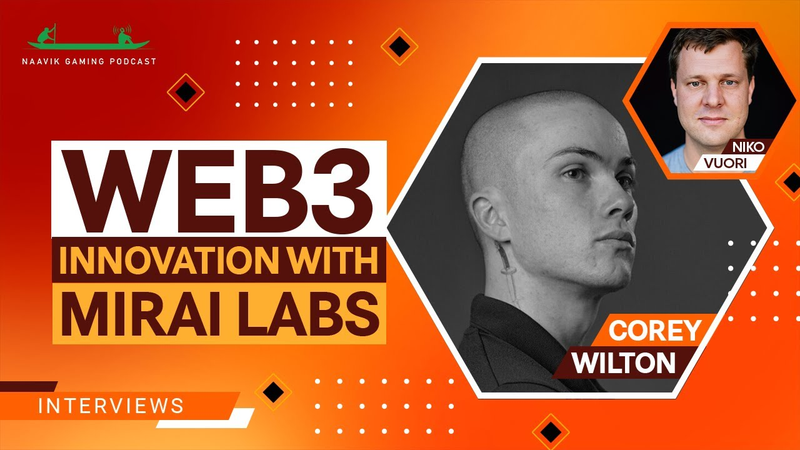
talking to the company behind one of the biggest web three hit games during the head days of 2022 the horse racing game pegy which generated over 200 million in sales during that period the company mu Labs has since expanded significantly launching a large portfolio of gaming adjacent products as well as their second game recently Petopia the team of about 70 based out of Australia and Vietnam which are of course big hubs of web 3 Talent has big Ambitions and to talk about those Ambitions I'm excited to welcome Cory Wilton the founder and CEO of Mari labs to the show Cory welcome to the Pod thank you so much I appreciate it I'm quite excited to be here been following NC for a very long time thought it was for for the elite so I'm I'm glad to make it here for the first time in my life all right well it's all downhill from here if you reach the Pinnacle there's there nowhere else to go nowhere else to go just kidding just kidding all right uh with that out of the way let's get right into the episode so Cory I always like to start with the background of the guests um tell us more about who you are and your journey into web 3 for sure so for for
me it all started in in 2017 2018 just as a a consumer some friends told me to buy uh what what we would call a shitcoin hopefully I can say that I'm here I apologize if you need to Ed that out but um yeah they just told me to buy a shitcoin and I lost a lot of money there and I was like all right well this seems to be the place to lose some money so I was just a a slight dabbler for a couple of years there and it actually uh started my first uh crypto company um just as a a community support company so I recognized during the Ico days um if you around back then it was when companies started to to do public fundraising so they would ask the people to buy a token and then uh then it would go public so what what I really did was recognize that these guys were raising a lot of money they didn't have uh any people looking after the community and I had a couple friends who were based in the Philippines we decided to build a company and support those icos and uh throughout 2018 2019 that did pretty well but uh then the bare Market
destroyed literally 100% of those companies so um I then actually uh just stayed in crypto as a a basic consumer but not much was happening and um I moved into e-commerce where we randomly uh started a toy gun store which uh resulted in becoming Australia's largest toy gun store um so we're very blessed there as well it did quite well and uh I I eventually expanded that one in at Toys R Us and Toy Kingdom in the Philippines as as well and then uh in it would have been about 2020 I did feel there was a bit of energy coming back to crypto and uh I dove in and one of my passions is F1 Delta time or I should say F1 and I saw F1 Delta Time by Anoka back in the day that was one of the main games that was getting a lot of energy back then I just thought it was perfect for me uh so I dove in again lost a lot of money but I was like this is what I want to be this is what I want to be doing it sounds like a lot of fun so I actually just made a video because it
was it was like a a game in Alpha and it didn't have any tutorials or whatever else and crypto gaming was was in it's very early stages so connecting a wallet and all that type of stuff was very difficult so I wanted my friends to play but I didn't know how to explain it to them and I was just like all right I just do a video I don't want to explain it 20 times and that video got like 50,000 views or something like that and it just happened that one of the viewers ended up being one of our co-founders and he just messaged me he's like you want to build a game I was like I don't know how to build a game so no um but that changed pretty quickly he was like I can build the game I was like okay so here's here's our CTO and uh one thing led to another and we recognized there was opportunity in the space um took some of the good some of the um trending stuff and from there the rest is history really nice nice well we have a very similar introduction to crypto I I got into icos as well I got into crypto initially about 2016 2017 time frame um initially just you know Bitcoin and eth and I still actually hold pretty much
all of those positions I'm I'm still very long on crypto but I but I also lost a lot of money on all the icos um which uh you know was not so much fun but nonetheless was very exciting it was kind of my my introduction into the to the ecosystem as well um okay we're gonna get into your games in a second uh pegy in particular because I've actually been following that game from the very early days and that's the reason the main reason I wanted to have you on the on the Pod is because I just was a big fan of that game and uh very interested to both see and here how that's evolved over the years but let's start with um your company Miri Labs uh what is the company what is it doing uh you have a lot of initiatives obviously Way Beyond games where you you started um talk to us a little bit about that how that's evolved over the years um and what you guys are up to yeah I think Miri Labs over the last uh two and a bit years has definitely evolved into something much larger um actually believe it or not we're at about 110 uh okay information is outdated thank you for correcting me
yeah yeah when when you said that I was like all right that's my bad I should have reviewed this um but yes we're at about 110 now we grown uh decently quickly um over the last you know six months and uh the reason for that is obviously we still do have a huge focus on on gaming but we recognize pretty early that value capture was important and this kind of ties in I'm not sure if you want to go into this now but this does tie into I guess the part and parcel with success of pegy uh we recognized a lot of things that um we could have done better and and there's a lot of opportunity that we left on the table uh during that time and we basically we told ourselves that we won't let that happen again and uh just built a lot of infrastructure so in a nutshell what you could look at merai as a is a a mobile technology company purely focused on the crossover between web 3 and mobile we think that's it's in a very very early stage like I I would go ahead and say that crypto is probably the only only major industry if you
could call it major yet that has pushed us back 10 years we have for some reason gone an adopted browser uh and we're like okay well every industry that we want to penetrate within crypto which is like social Finance gaming they're all mobile like predominantly dominated on mobile but we do it on on desktop and for us that feels a little bit backwards so obviously it started with gaming and that's our bread and butter uh but there's a lot of other areas that we uh we feel that we're good enough to focus on as well so hence that there's probably three main initiatives yeah wouldn't you tell us a little bit more about those we'll get into the gaming next but I just want to kind of get an overview for our listeners of what Miri Labs does kind of predominantly that if there's three main arms let's talk about the three main arms for sure for sure so You' got obviously got the gaming so uh that that would spend from like pegasi to Petopia and we've actually got some other games that I can U mention in a little bit this is something that I want to get into as well like the the ton or
telegram ecosystem um that I'm sure you've probably been paying attention to as well um and and other two are just basically a combination of of infrastructure so this will be around like consumer applications so for example like the merai app what that will evolve to in the future and then uh at its core like fundamental uh infrastructure regarding like decentralized payment processes uh single sign on services this is like a user experience and infrastructure as well really all of this uh if you put it all together uh the the initial goal was actually just to provide the best user experience for web through gaming on mobile uh but what it eventually becomes is its own vertical over time because there's such a demand for it no one's really focused on it and there's a lot of game developers for example just in Vietnam in general there's enough games over there to to cover web 3 uh the industry isn't big enough for how many game developers there are um but they just didn't have that infra um so we
just took it under our belt to to build that in you know one of the interesting things that uh I have from most web3 guests who have are stuck with gaming but also have kind of gone through the crypto winter and now are you know had enough funding SL support to to get through the through that tough patch um almost all of them have have had a similar story where they started with gaming they recognized that this is a great use case for web 3 and of course as a game developer myself near dear to my heart and I I agree um but uh everybody realized the same thing which was you didn't have the infrastructure to support the wallet technology it was very friction full um you know it was not like you would have on mobile where it's just a thumb print or a face ID and like Bish bash BOS you've got yourself a inapp transaction you can do it 100 times a minute if you wanted to without having to wait for any like blah blah blah so that's kind of a a um a through line for all of the folks that have come on to this this show not all but most um curious to hear your thoughts on that is that something that somebody else should
be solving because I'm personally of the opinion that game developers are game developers that you should special specialize in one thing right make make great games make great user experiences and stick to that just like we have with the app stores with AWS now with chat GPT and AI like those are tools that you as a game developer shouldn't really be developing that's my opinion at least right um and most game developers agree with me but they all recognize that in web 3 all of these Primitives or most these Primitives um don't exist and so you kind of have to build them yourself so I want to hear your thoughts on that kind of philosophically is that something you want to be doing and you think you have a competency in or do you think that this is a means to an end or a necessary evil if you will on the path to a better user experience for your games this is a tough one right like when we first started building uh we were almost certain that we didn't want to be the ones to build it we were like why this is so many resources you know this is
millions of dollars that you need to dedicate out of your company Runway that you you made from doing something else that you're good at um someone else is going to build it so let's just wait and focus on what we're good at uh and then no one was building it and we're like well like we have an end experience that we want to execute uh and we know that we're capable of doing it it just requires resources send money uh and absolutely it's more risk on the company uh overall in in a nutshell of course we're going to have to increase our our burn but what happens if we build the best user experience and should we wait uh it's kind of just like a snap decision where it's like do you wait and maybe they never build it h and then you miss the opportunity let's say that the the bull comes uh were're very dependent on on the market conditions in web three um or do we just spend that bare Market in
the absolute trenches uh purely focused on shipping something that we believe uh will bring in that next wave and uh instead of waiting around just try to execute it and we just went with the latter we would prefer to build instead of sitting around what I what I think uh is the most important thing to ingest is that a lot of these Founders are probably just extremely ambitious and which is I don't want to say it's a bad thing by any means I mean you want an ambitious founder that wants to do something um but but at the same time I I guess it can be uh uh misguided uh because in theory we we should be have should be having patience um it's just the the reality of the situation is that like uh we want this thing to work so well uh or or we want this thing to work so badly I should say that we're willing to take
that risk and in this technology I I'll be totally honest with you is is not like the most complex thing in the world like a single sign on um or or account abstraction type system I mean we could dedicate two team members our CTO could build something like that himself building a blockchain isn't isn't the hardest thing in the world I mean it's borderline copy paste these days so while while maybe 3 years ago is a serious undertaking CU it's never been done before right now it's more so just uh increase your burn a little bit put it together in a package and to put it into the game so that it makes sense and it should be worthwhile so that was kind of the way up I I'll be honest with you when we first attempted it we were like this is a huge undertaking and we recognized over time that it ain't all that bad it's not that difficult it's looks like it's just been a bit of marketing for the last few years and people saying this really hard you should use our services and when we went in there we were like it ain't it ain't all that so yeah all
right all right yeah I it's just it's interesting to hear that uh everybody ends up uh solving the same problem over and over again and I'm just I'm I'm still waiting personally for who is going to solve all that like who's the Amazon who's the you know the agreed yeah AWS the ec2 the um you know the App Store like the App Store is ideally you want to be yourself if you can of course because if you control the app stores you can control the demand and that's a very nice position to be but I don't know if you want to be the the Amazon on the AWS that's building all of the the infra that goes behind the scenes lucrative business if if you control the again control the demand but uh a tough one to to win in if you're also trying to build content on top of it um I think I think what we're seeing is is like um Avalanche pushing towards that direction they seem to Brand in that direction as well is that they want to be the AWS of of web 3 and uh someone like uh Mir in you know our current funding versus someone like Avalanche who has a billion dollars liquid uh probably not smart to
fight um I'm going be honest yes yes exactly okay well let's so thank you for the background there I appreciate that now let's let's dive into the games themselves we're going to start with with pegu which is again the main reason I wanted to have you on the Pod is because that's one of the ogs in the space uh it blew up in 2022 is time frame which of course was your your the peak of crypto bull uh did extremely well was very polished for its time I thought um compared to many of the other kind of very primitive um offerings at that time so why didn't you tell us a little bit more about that game how it did some of the metrics as much as you can share and then tell us a little bit about how is it doing now how did it weather the the crypto winter and what did you learn about that experience as you bring presumably some of those learnings to Petopia your your second game and and your other offerings Beyond yeah great question so I think with pegasi version one how how did it come into play it was it was quite a simple one for us back in 2021 like at the
probably like first or second quarter of 2021 is when we decided to build it was just myself and my co-founder right and we looked around uh actually hadn't really taken off just yet um but it was definitely trending in some form with the small community that existed and Zed run as well uh we looked at Zed run and it was uh at those early stages very very simple and we were like beautiful like Z run is simple very easy for a user to adopt axi required it a bit more thinking and then axis's system that was discovered by the the community right which was the scholarship system at that time uh there was a lot of rumors going around how this system could work and uh what I basically decided to do was go and play axi and and figure out what this flywheel is that the community figured out how they're giving their rentals and all this stuff to the community and I was like okay there's clearly something here but it's not scalable uh meaning that this is basically a loophole that they found found and if they wanted to scale it
they need to have you know a 100 different wallets and Seed phrases going everywhere there's a lot of risk involved so I just took a step back I went to my co-founder and I was like what happens if you build an escrow on chain uh essentially a rental system on chain that would allow these people to scale from a singular wallet and it would do the payout automatically meaning that uh let's say um you rent a horse to me I play the game and we split it 50/50 uh you're not responsible for paying that out you can't scare me as the person who's doing the work um in that from the top of my head when I was thinking about it I was like this solves basically every problem that those communities in axi are uh experiencing so that's what we dedicated to building a very simple Auto horse racing game which was just 2D um like basically an arcade game at at that point because it would allow us to go to market quickly and during that period of time it would have been like four months five months um that we decided to build
it uh because it was basically just us two axi blue axi was going crazy and we were like well perfect uh we're definitely building in that direction we didn't think that we would be the first onchain escrow model we were certain that actually was going to adopt it because this was clearly their growth level um but actually just never adopted it and when we went to Market um we we basically decided to a very simple strategy was to keep the campfire hot and we were like all right well we're going to do the um nft sale uh on the back of that one just one week later we're going to do um the game release and then the week after that we're going to do the token launch it was something in this order right it was just back to back to back energy uh but actually the main mission was to remain small uh we we knew we had paying audience and customers around that point in time things were selling out but uh the game was in its most primitive MVP form we wanted to go to mobile we wanted a 3D player controlled game um and we were purely dedicated on
executing that we were like a week in hundreds of thousands of users are coming in millions and millions of dollars per day and we're like all right clearly they don't care if we develop in the direction of a 3D player control game what they like is this core flywheel of speculation building their teams and renting it out so really what we did was pivot a slight bit during that period of time recognizing that we have already given them what they want and what they want now is tooling uh to make decisions around you know what their rentals or what their predicted earnings could be uh the best matter on the market trading breeding all this stuff so we just built tooling around this core 2D Auto horse racing game Community logged it and on statistics there was about 27 million unique wallets connected um I think P Da was uh 400 or 500k from the top of my head for the first version um that did about 200 Mill million in Native nft trading and
we were blessed enough to make about $8 million uh from from that game itself um I think if you look at it on like a uh a per employee basis it was an extremely profitable uh Endeavor to take that R um and then what's another stat there was just some obnoxious numbers in there right and uh we felt Extremely Blessed to to be able to firstly time it perfectly uh if we were four or five months later I think you already know that the market was not there anymore it was essentially gone at that point um we just timed it perfectly we we had the right system the first to do onchain rentals we recognized the growth level and we executed it quickly uh all of these play a factor in in the success now um from there of course the bare Market came basically everyone said that that webro gaming was dead uh we went through that point and uh what what recognized was that that flywheel just
doesn't work anymore quite clearly it worked we did incredible there but it's not going to continue at this point there was iterations after us who tried to do similar um and every single time it just that Loop just went quicker and quicker down so it was pretty clear that um it didn't work as we thought it would and that other people thought it would and we just spent honestly we spent that bear Market U from the end on Mid 2022 to towards the end of 2023 uh honestly just trying to learn as a game Studio how to be better at game development uh because this was our first game that we as a as a company had ever built and we were like all right well uh we''re been blessed with Runway uh let's spend it learning and getting in the trenches and that's where basically what we did was continue the mission with pegasi version one because we wanted to do that for the people who were still there for that year and a half that were after the game hit its peak uh we promised that we would build a player controlled mobile
um game so that's what we've done it's still in its like MVP Alpha stage but it's there and then at the same time we recognize that as a company probably shouldn't uh bet absolutely everything the entire house on that single IP whether because when we honestly we didn't know whether they gave a about the IP or it was just that that meta right so like uh all right Petopia needs to come into play here which is a completely different vertical that one's essentially a a mix between um AR hero and brawl Stars it's like a a Dungeon Crawler um and eventually will become like a PVP Arena type game we're just about to release the MVP of the the PVP Arena Stage so uh we just wanted to test our skills as well and and go to market and see what we're actually good at uh because when you hit I think you get a little bit jaded when you hit success your first try and you're like all right yeah we're damn good um might not be the case might just be a might just be a
perfect storm you know what I mean so that's basically what we did we spent that um about a year shipping all the way to the MVPs of both games that expanded the team a little bit and and just purely focused on on testing and this comes back to like during traditional UA um traditional uh game design as well and tokenomics and all this type of stuff was kind of on the sideline until we recognized if we had a good foundational flywheel um and and where they are today is still they're in that what we would call an Alpha stage and a mid Alpha stage pushing towards a beta where you would consider like it being a a regional soft launch uh for for those two games got it got it and what's uh with the obvious you know tokenomics uh piece what's different about um uh the mobile versions of of pegy I think this is a question that you have coming up a little bit later as well but uh regarding like tokenomics I think it's probably the most difficult piece of all
of this and yes espcially for sure I mean you disregarding the App Store reviews I I think obviously no one's done it right uh ones that we could say did it right um like for example we can use axi Infinity uh as a prime example I don't think that is a a wise one for the industry to compare to or try to become because their supply side demand is in the hundreds of millions and that's just not a reality or toomics in these games right a sustainable tokenomics should have an extreme amount of demand if it's a a permissionless type system unfortunately um getting hundreds of millions in demand is is a binance listing and a binance listing is uh not something an everyday game developer is is is probably going to be able to manage so um I think it's just uh when we look at
tokenomics right now basically it's one large experiment a continuous experiment of trying to figure out exactly what is a potential flywheel and and pushing on the debt got it okay well let's move on to ppia then um because obviously that's your second game now uh you presumably learned a lot um from the you know kind of first time around um spent a good amount of time taking the learnings and then building out this game um I haven't had chance to play it so full disclosure um it it looks it looks good it looks polished it looks you know it looks good to to to put it bluntly so um talk more about the gameplay there it's very different obviously in in genre wise one of the things I always challenge my guests on on this on this pod is if they're working in multiple different genres I mean they're most game developers like they specialize in one genre and they're really like they do that for years and decades and they just polish that one genre and they just get
better and better at doing that genre it's very hard to do multiple different genres so it this is both a question and a bit of a challenge to you which is um you're going after a very different genre what makes you think that you can marry the best of web 3 and blockchain technology which obviously makes things harder in many ways obviously opens up very exciting design opportunities as well but it makes things harder in many way and then take on the challenge of doing something uh in a different genre to to what you've learned from your first game so tell us a little bit more about Petopia how does it work and then talk a little bit about the kind of challenge that I'm throwing at at you there sure sure I I guess you look at Petopia as a bit of a uh closer to midcore robe light um taking inspiration from archero Archer we possibly consider more on the Casual side so uh you know it's a horizontal uh feels like a bit like a MOBA controls um rogl easiest way to put it uh quite unique in the sense that uh
we didn't take massive inspiration from any specific economy while we there's a lot of fundamentals from from both of the games that we took inspiration from uh there's just purely a lot of experiments and and the direction that we similar to what we did with with pegasi version one uh was intentional ignorance in a few areas meaning that there's a lot of a lot of opinions out out there and uh they're typically pulling us both ways and we wanted to apply a scenario where you have the opportunity to potentially be lucky I think that that's important like what we did with pegasi version one most game developers traditional game developers would have said that that game is impossible that it's going to blow up because it's a 2d Auto horse racing game uh just browser based very ugly um how are you going to get distribution how are people going to
be interested in it and this is actually advice that I heard from um scop Le uh CTI and I'm assuming maybe you have met him before but um I I met him in in nft NYC about two or three years ago and he basically just wanted to ask questions because pegasi was doing well and he said like like how did you guys get to this level and what is it that you did uh to to achieve it because I believe that they were potentially trying web 3 of some form I'm not not so certain anyway really what it what it boiled down to was that we were doing things that they deemed probably Incorrect and uh I was asking him for a lot of advice I mean like come on it's scopy we were like how do you guys uh do this XY Z and he was like yeah listen I can tell you a thousand things right now but uh some sometimes ignorance is what leads to to your success and really I actually just wanted to live with that with that mindset uh was that while while there is
a million fundamentals and there's proven directions uh us directly competing with the exact same blueprint of scopely they have unlimited money uh there has to be some sort of there has to be something for us to be able to to differentiate ourselves and if we don't know because we don't have 15 years in the trenches like them uh fortunately or unfortunately may actually have to come from an accident through ignorance and I think that's just something that we wanted to to explore I I know this is probably a very weird answer but no this is a great answer I actually appreciate the honesty like a lot of the time you'd be surprised by how people try to their way out of them something you know where it's like no we didn't know what we were doing but I love the answer because sometimes you get true Innovation comes from like we don't know what we're doing we think there's something cool going on here there's definitely some the makings of something exciting there's a revolution potentially going on here um but we don't know what we don't know and hence
we're happy to be lucky and I think a lot of entrepreneurs will tell you like it's you know sometimes it's 90% luck um never 100% luck because you gotta have that like the guts to try and so yeah you gotta be there to to be in it to win it as they say so no this is a great it's not a weird answer at all this is a great answer and I'm actually really glad you're you're saying this because way too many uh guests on this I shouldn't call out guests on this podcast certainly not calling out any by name but way too many people I speak to in the industry uh you know they take too much credit for for their own like Brilliance and and oftentimes especially with new Industries and new technologies it's not actually that it's it's just right place right time like the guts to try some stuff and then something just works and that's great this is the right answer I appreciate it yeah that that's where we were we were sitting out I'll be totally honest with you and and actually Ana also told us um building multiple games typically isn't it was in that same conversation I believe I met him in in San Francisco again that one was for GDC and uh he just said like building multiple games typically isn't
the smartest decision um with with them what they do is what they is like I think they verticalized internally very similar to supercell in some form which is like uh it's a it's a unique team individual team there's no association with each other and uh they will kill very quickly um and I emulated similar in internally I mean I'm very inspired by supercells or I I love that that plan and um from the earliest stage uh we recognize if we're going to take on this second game it's going to double our burn if we are attempting to scale and and push out and um that's really just what we did we wanted to make sure that there wasn't a huge overlap if there is a a very basic resource sure that they can help uh on both games like a back end of some sort but um in reality we we recognize that it's a huge Endeavor and I I honestly think it actually purely came from our ambition to be on mobile and loving Arch hero and braw stars and it was like all right let's go for a team uh because I'm not sure how big a
horse racing game Pi can become I mean I don't I've never put before web 3 played a horse racing game and uh that sits in the back of your mind like is this going to be a a world dominating game I'm not sure um it was a web three dominating game that's for sure but uh sometimes you just have that reality check in um we went for it not Co yet no great answer uh uh last episode which actually hasn't um aired yet but will be airing next week um my old former colleague from Zinga early Zinga days Michael Martinez very different company they're making casual word games uh nothing to do with web 3 they're essentially competing with the New York Times um you know and Wordle and connections and all those games that have massive success and uh he was actually saying something adjacent to what you just said about like I don't know how big a horse racing game can be he was I asked him like what they had done midcore games previously uh hadn't worked out and then they're now doing casual word games very
different genre and I asked the same question like okay what what makes you think that you can do casual word games um when your expertise was midcore and he had a great answer he was like well if we go after midcore any of those genres that are big and are big enough for like an EA or a scopely or a zingga or a supercell or any of these big companies that have unlimited funding unlimited resources well then we're competing headon with multi-billion dollar organizations and as a startup we can't afford to do that what can we afford Builder lighter caser toket prodcts that a lot if they fail and we can learn from multiple titles so uh it's interesting you said the same thing you're coming at it from a slightly different direction but I would actually say some of this the smaller genres that don't make as much money as like the big developers need them to make um are actually more attractive for startups and more attractive for entrepreneurs be because they're overlooked um so don't knock horse racing don't knock 2D horse racing web
3 could be it was what led us to where we are I mean like I I it's impossible and I think this is where um uh ignorance is bliss right Zed run showed us that it clearly works um and we just needed that little bit of inspiration and sometimes you go back to a very logical mindset which is me questioning it like is this uh is this the way but in reality I like you come back to your senses and you recognize that like it has to be millions of people played the game it it is scalable and it makes money and it's enough for us we we're not scopely uh we don't need a billion uh a couple million is fine there you go there you go uh yeah well Michael Martinez is company funcraft I'll do a little shout out to him because he's a friend and from a colleague of mine uh they're on a revenue run rate of about $35 million a year with like a 7% team so like that's huge yeah that's what I'm
saying like this is legit right it's legit possible to find relatively small niches that are overlooked by the large organizations but with a you know you have a 100 person 110 person team so uh you know you you could be doing you could be doing a billion dollars um anyway I don't I don't know what a web three word casual word game would look like um but that that may or may not be possible um but you never know you never know okay uh all right let's shift gears a little bit here we talked a little bit about the games so good luck with popia by by the way what's tell our listeners what's the kind of timeline on that you you said you're in Alpha I looked on online it seems like there's a lot of coming soon type stuff going on here so where are you guys at and when do you think it's going to be a full-on playable like it's almost ready you know although games of course are never ready yeah uh yeah I would say like we're pushing towards uh close to the end of the year to where we would be confident to doing like a a global push um at this point we're doing very very small uh way tests we're really at like the retention stage you know just testing the
retention and adding more uh on content wise and then uh definitely pushing towards more that brawl Stars feel right now it's felt basically like Arch hero there's some PVP elements in the sense of like um how would I say like not directly PVP where it's like a live PVP um but in short yeah towards the end of the year is where where we'd be confident to to tell people go play it right now it's I mean there's a uh like 100 or 200k downloads or something like that but uh this is like purely web 3 focused our our core audience um no U way yeah yeah no that's still that's a legit number couple hundred thousand I mean that's not nothing so for web yeah yeah for certainly for web 3 but I mean really for any game um so yeah good luck good luck with that um and uh love to see see how it goes um okay let's ship gears a little bit um I'm going to talk a little bit about I was like talk about the kind of the more Novel Web 3
elements that are being adopted by game developers when we have a web 3 Focus episode and so I want to talk a little bit about play to airdrop um I I since realized that actually you're not the first or only ones to use this phrase but it's not something I've seen very often um but obviously we had you know play to earn when when uh Axia came out initially and then there was play to own and play to win and play to you know all kinds of play to some things uh you got play to airdrop so uh talk to us a little bit about play to airdrop how does that work um and uh what's the impetus for for adopting that yeah I think it's the foundational motivation for most users in web 3 are all the same and uh eventually what they're trying to do is trade their time or a small piece of money for a larger piece of money um some people may like that there there's money involved in the game some people may not like it uh I think it's important probably not to have an opinion and just recognize that's the reality and the where we stood with
something like this was that uh PL to ear the original model had a very specific flywheel and it worked originally because a majority of people did not know what would happen did not know the end result and did not know how important demand was uh within a fly wheel like this um o obviously over time we learn we we figure out that that fly whe doesn't work it just took $10 billion for us to figure that out and with the others the new iterations play to play to own play to win like play to win I think is just the game I'm pretty sure we're all trying to win I'm not sure really what that one meant we had a we had a short phase of that one um play to own essentially that's just transl a translation from earning tokens to earning an nft or or an item inside of the game um but play drop is fundamentally coming back to that core fly will play to earn um however this is
earning these tokens prior to a token listing the token being live so really what it does is it gives the developer like the game Studio the ability to balance because when you have the play to earn mechanic inside of the game you're very very dependent on the tokens price uh whether people are willing to play or not is purely dependent on if your token is doing well uh with play to air job it's basically um the the belief in the game and the team comes from the player and the player is hoping or uh believes that that team is then going to do something large and great with that token uh so what they're doing is playing to earn in theory points inside of this game and those points will eventually be redeemed for tokens whether it's a one:1 ratio mightbe 1 to 100 ratio either way really what they're doing is collecting as many points as possible to get a poken reward at the end of whatever the campaign may happen
to be um it's just a unique scenario again it's just uh it comes back to the original flywheel play the game get rewarded and hopefully you'll earn some money um but we don't have that baggage of uh one day your tokens up and all of a sudden you wake up in the morning and your tokens down 50% and you don't know why but it was purely based on market conditions Bitcoin is down all of the tokens are down and that can heavily affect your retention your monetization all that type of stuff and play to air job is really just another attempt at a solution uh to that problem we don't know if it will work I mean I'm looking at some of these other other companies like Heroes of Marvia they did an enormous one drove millions of downloads got a huge listing I think their market cap or or fdv was significant tens of millions of dollars um so clearly people like that speculation fly will whether it works
for everyone we don't know but it's just the current flywheel that these players like yeah I mean I think the the the cynical question would be well doesn't that just kick the ball down the road Kick the Can down the road um you're playing to air drop now you're delaying the potential fluctuation in the token value but at some point it converts into tokens or something of value and then that something of value will eventually start to fluctuate um and so buys you time and maybe allows you to balance the economy before you're ready for an influx of speculators but um that would be my biggest question mark would be well doesn't that just kick the can down the road um but like you say nothing wrong with experimenting nothing wrong with experimenting who knows if it'll work try it out see what happens um and uh yeah there there may be something there so okay um cool let's talk a little bit about some decisions you've made on the technical side of things um
and and this is a curious one because we've had immutable on the show multiple times um including Robbie Ferguson their CEO just earlier this year they've been obviously making a huge push um into gaming like that's their big thing and they're building out a lot of infrastructure um now the reason I bring this up is you announced that you're go you're moving and already maybe have moved you can tell us more about the actual details and the timing of all this um but you were on polygon um and you're moving to Avalanche and you announced this at the end of 2023 so fairly recently um curious to hear your thought process there you are the first um and that's not to say there aren't others of course but you're the first guest we've had who's gone in that direction um most if they have um migrated to a different chain um they've been going towards immutable in large part because I think they're offering a lot of incentives so that's you know that's always a good fun reason um and or Ronin those are the two kind of uh recipients uh that have been benefiting from developers migrating from some of
the kind of more obsolete chains um so very curious to hear why Avalanche um what made you decide that definitely makes you unique among my recent guests uh whove who've made this this decision to migrate yeah great question um firstly Robbie being Aussie I love that uh I hope they continue to have massive massive success um I'll be completely blunt with you uh there was two two reasons um the first one is that two years when when when pegasi blew up um polygon we didn't have a very solid relationship uh in the sense that like uh it seemed that they weren't so interested in supporting by far the biggest game on their chain I'm not sure why um I don't blame them they were busy as well I think when we went to polygon uh I'll I'll be even more blunt it was polygon or BNB and we chose polygon
because someone told us don't go on BNB it was a very very uh it was someone that we trusted at the time and it was a very simple Choice uh polygon was the only other one and um we were able to get connected to their to their founder at the time we thought they were going to invest that's not something that ever happened uh but after that they blew up uh we blew up and there was just not much happening the chain didn't perform so well and through that period of time like back when polygon was potentially going to invest we were also speaking to Avalanche back in the day and Avalanche for those two years before we decided to migrate maintained a relationship and never ever asked us or tempted us or offered us anything they just actually wanted to be friends uh it was very interesting that I could speak to these guys as if they're one of the boys and uh it was never about so like when you're coming to Avalanche when there was never any backhanded questions they
never asked uh so when we were deciding where to go it was just a message to them like uh we're considering it um and for for our for my co-founder our CTO um for him it was just availability of documentation and how much we could build without needing to speak to someone I know that sounds weird but uh we didn't want to have to ask for help we wanted a little bit of Freedom here so Steve our our CTO he went there checked the documentation and we could essentially build everything from zero to 99% without asking them and that's what we did uh we built basically everything and then I went to the boys and was like by The Way We Built This and like what the heck are you doing why didn't you tell us and all this type of stuff that like of course we we're going to help you like we already we already did it and from that they just went honestly above and beyond they wanted to help us get us out there let people know about us and uh have supported us
immensely just in the areas that we felt that it mattered because we didn't get much or really anything before I just thought it was like I don't want to talk down on on polygon because it's just the situation of that time but I just thought it was very odd when we were basically second to axi Infinity but polygon I can't find a single piece where they ever mentioned us in Media or publicly and uh I felt like that's unwise they just focused on new game coming into the ecosystem which is which is fine maybe that was their their core Focus but um again I just uh rubbed us the wrong way so the decision firstly uh we had the existing relationship they just wanted us there uh and my CTO felt that it was uh something that he would be happy to work with um if a mutable for example like let's say one of the senior people from a mutable or I had met them in person um or they had ever messaged us
um maybe I would have been interested but I only had a basic contact of like a a BD but the BD didn't work there anymore um so I didn't have that relationship unfortunately and and uh that's it it's nothing else there's no no unfortunately we we we didn't go and weigh up our financial options it was just we're ready to execute uh we wanted a chain that we can build on on our own as a subnet and actually it came down as well to uh the user experience that we wanted to to have and having our own chain like the later one that the Avalanche offers as a subnet allowed us to be able to pay the gas or the transaction fees for the user for mobile I think that's super important if you want an onchain action but you don't want the user to go through on ramping onboarding all of this other BS the web through comes with it that was a solution and it was as easy as that all right all right well um I I have not built on immutable but I all I can say is that they are making a
pretty big push um at the moment and uh we've had them on the show multiple times actually and they're they're great they're great guests um all right Corey so let's talk a little bit more about um one of the other cool things or I think it's cool certainly sounds cool uh that you guys are doing uh shards this is one of your um non directly gaming um initiatives but gaming adjacent initiatives that I hinted at at the start um you've called it social f for games uh and I'm absolutely fascinated by the kind of hint or slash teaser descriptions you put out there what is shards what is it do and how does it work yeah shards at its core is actually like a spin-off from some alumni within within Mirai um so some of the the core team who we initially wanted to build this in in Petopia as an experiment and they loved it and they wanted to go ahead and build it so that's basically what it's become it's become its own vertical um but in short what what is shards and and how does it work um easiest way to look at this is a uh what we branded as is a is a new monetization
layer for for web 3 and and the idea for it came back in 2023 what it allows users who are players and non-players to do is speculate on the teams within the game and it creates a flywheel where the teams earn the game Studio earns more money and the users who are speculating have the potential to earn if they make a good decision um easiest way to to explain this I I'm I'm not sure you're familiar with ygg and and Gabby from y of course of course we've had we've had uh Gabby on the show a long time ago but yeah couple of years ago but yes absolutely I'll use them as an example um so let's say ygg wants to join a game it might be like something like shrapnel um and when they join that game this shards is essentially just an SDK so shrapnel would just integrate the SDK and what happens is that it fractionalize uh y as a team within that game now anybody within the game
natively or outside of the game so me and you can basically buy a fraction of that team it uses a bonding curve inspired by frch as the next person buys a fraction of that team the price goes up uh and if they sell the price goes down so people are speculating back and forth there and there's a fee every trade uh 5% of all of that trading volume goes back to Gabby or ygg so basically they're they've been given a business model their job is to go out there become popular get people to speculate start some drama with other teams all of this stuff dominate within the game their motivation is pretty high and this is a a revenue stream for them for the game Studio like the motivation behind them integrating is quite simple as well it's a new Revenue stream they get 4% of all of the trading fees within the game so any team that is traded all of the volume across the board uh they take 4% now really their motivation is just to create a competitive game which they should have been doing anyway uh and the are competing on a leaderboard whoever dominates will get the prize pull and then shards business model is
also very simple uh we take a 1% fee across the board for all game studios uh all trades um so the the core business model for shards is as many Integrations as possible uh across as many games as possible and it's a a free SDK um very very easy to integrate uh so yeah that that's really it really what we want to do is sit beside the nft sale the token launch as that third vertical for monetization because in that bare Market of 2023 when we're ready to launch an MVP or someone's ready to launch a web 3 game but nobody's buying nfts and no one's token launchers are destroyed no one's doing them what's the monetary value prop for web 3 for these game studios there wasn't really one uh and we wanted to be able to provide the industry with an option a third option to potentially make money within web 3 that that actually requires web 3 technology so but a long explanation I know no no no this is why I was it's fascinating because you know the
financialization of of games of you know web 3 um I always appreciate guests who lean right into it like Luke for one certainly lent into hey no this is we are play to earn play to ear is back baby um and you know we're we're leaning into it and so I I actually appreciate um developers who are intellectually honest about what they're what they're doing and I you know again it hasn't yet fully worked it's worked for short periods of time um but it hasn't actually really really taken off but I I do appreciate that there is a lot of innovation around more financialization of gaming and this concept of shards that's what kind of caught my eye I was like okay well this is yet another way to monetize and it actually is potentially more sustainable because it's more of an ecosystem play as it rather than like a speculation on a specific token yes there's speculation like a metal layer yeah it's a metal layer that actually is kind of um it's almost like a harmless addon that really you know just adds value if it works and if it doesn't no big deal
right like you're not putting a lot of investment into it so so very interesting um do you have any um early metrics to share on that like how's how's adoption been how you getting in front of developers how many people how many devs have actually integrated the SDK um what's it generating you know on a per uh game or per user basis yeah I got a a basic one here just from the top of my head I apologize I didn't prep anything um in advance but my numbers guy I like to talk about what's working and what's not and numbers are the best way to tell that story for sure for sure um right right now there's about 32,000 trades that have happened and that's it's only integrated into uh or launched on three games natively it is still new and there's about uh between 15 and 20 from the last time I checked uh games that are currently in the process of of integration um and uh there's been a uh close to Six or $600 700,000 in in trading volume um natively within those platforms so just between those three
games what we got to recognize is that like essentially these are mostly people who aren't even playing these games like we going to this either we do it inside the game if we really want to but in reality we don't need to download the game we just go to the website we choose the game which might be Petopia for example we know that there's a competition happening and we're just going to buy a fraction of the guild that we think is going to win and uh and a small that I didn't mention here which I think is very interesting and and why I love this flywheel so much is that this is probably like the first time at least that I have seen that games are monetizing non-players meaning that like we don't even need to play and the game is making money from us I think that's a really unique situation um and and we really want to push in that direction to where the game Studio has do less UA and can depend on a platform like this to to make money uh just means more hopefully more game studios surv but we'll see still pushing quite hard on this yeah I mean a lot of
experimentation still going on and and I I do love that um okay I have my second to last question the last one's a fun one and this one is more of a u meta question um I still believe I still believe that web 3 gaming is is going to work um we've seen a lot of experiments we obious seen a lot of venture money flowing in we've seen a lot of different kinds of approaches um games do take a long time if you're building a kind of a AAA or double a kind of game they do time so I think the the cycle from the last round of you know Venture funding during the the Boom the Bull Run uh has yet to really show what can be done with that capital and what kinds of games are possible from you know people who theoretically at least know what they're doing um on the gaming side of things um but we have to acknowledge I think we all have to acknowledge that number one web three gaming is is entirely has entirely been driven by the price of Bitcoin and and eth right like that's really what has done so far right now we're in a mini bull or at least stable at a higher level um so everyone's kind
of bit more excited again but the core of web3 gaming the core concept of like you know nfts ownership financialization it like we've said you've said it I've said it we've all said it multiple times it works until it doesn't um and so it can work for a period of time but at some point it becomes a pyramid-shaped thing and you know only new people coming in fueling the demand is going to ensure that the people who are wanting to Cash Out have somewhere to cash out from so gosh long-winded way to ask the question what what do we need to see for web 3 gaming to break through um is it really high quality games with less emphasis on financialization is it leaning in more heavily into the financial aspect because that is what has worked at least in the short term up to this point um is it more revenue streams like what you're experimenting with shards is it all of the above what in your opinion is going to be the Catalyst that actually pushes web3 gaming into not
even the doesn't even have to go mainstream like but pushes it to the next level where it's clear that there are sustainable revenue streams there are ways for developers to actually tap into customers and demand that is not just fleeting and it's not just there for a quick Buck but it's actually there for the long term for whatever reason for fun for earning potential whatever but for the long term because it needs to be sustainable I guess the question is here and and I might be thinking about it wrong I'm not sure uh we we talk about sustainability and and all of this type of stuff the game lasting a very very long time but uh let's also look at like someone like Voodoo um in their hey days they were shipping a ridiculous amount of games uh the life like the shelf life of that might have been a month and sure they made a ridiculous amount of money on that game and then they move on uh I don't think many people were saying that
Voodoo is Doing It Wrong um in in the sense that like oh the company's making money but their games continue to die that was just their play and it worked for them now they're moving to hybrid casual because it wasn't working I don't know uh but they made millions and millions and millions of dollars um we the industry we we push for sustainability and I I think our vision here is that you know we're building games that last literally forever um and and possibly the ownership and the financialization of that we believe uh can enable them to last beyond what a typical casual game would if the shelf life is 12 months now they're going to last 5 years because we have money involved maybe we just think about that wrong maybe that is just how it is and people get bored um I'm not sure I think it's just something that that we while it's the mission I just think it's something that we we should
consider what is actually wrong and what are some of these Studios goals um and what is sustainable I would prefer to to to question those more directly and um at least for us like our our pure mission is build a studio that can produce uh obviously great games that people love and if if we we get to a point where you know pegasi is I don't know 10 years down the road still doing incredibly well perfect that that would be amazing and possibly that's enabled by financialization and and and the crypto side but this this is something that perplexes me the just the general thought process behind it because I think it's just too much of a philosophical question that that possibly can't be answered I I I just yeah yeah that's a that's a it is it is
very philosophical and I I can get philosophical on on uh on certain days so maybe this is a day ending in in a day weekday ending I'd love to know your opinion ah you know I I have so I I was building in web 3 I continue to be extremely like I I mentioned to you at the very start like I got into Bitcoin and ethereum a long time ago 2016 almost almost a decade ago now like eight eight nine years ago um that's forever and in you know crypto world and I see so many applications for um crypto more broadly blockchain Technologies more broadly uh including in gaming I mean gaming has always benefited from new technologies whether it be going Mobile in the smaller form factor you know touching your touch screen here everybody's got one of these things like pinched to zoom and you know swiping around like different interaction forms um I was working in voice technology when speech recognition was blowing up and uh you know Amazon and Google were uh doing the big voice assistant fights uh I can't say their names because I have one of each in my in this office and it'll
start talking back to if I if I mention them um so and and you know sometimes it's a bigger impact on gaming sometimes it's a smaller impact on gaming uh mobile obviously was huge huge absolutely huge absolutely massive like that didn't exist free to play was huge in app purchases microtransactions huge um voice not so much that didn't quite work out um not a a big big enough market there uh and I think jury is still out on web 3 the thetically huge but in practice who can say so philosophically where do I line on it I want it to work because I always want game developers to embrace new technologies to embrace new form factors to embrace new um metas for lack of a better phrase um change the narrative and and make things more interesting make it like I used to say when when I was building in web 3 I used to call it uh the financialization aspect makes the game more spicy it's it's like adding the like you know there's a little bit more at St yeah there's a little more um reason to care um now again we still haven't seen it break through and be sustainable we obviously a huge um bout
of speculation around the Axia story and pl to earn more broadly then we saw the the the bear and now we're kind of back in like mini bull territory I guess um so yeah what do I think I think it can work it just hasn't yet and I'm curious always curious to talk to developers who are doing interesting things but they have to be truly interesting things they can't just be copying others and I think the reason I wanted to have you on here is because a you were early with with uh pegasi and you know figured something early out especially around the um your novel approach to Escrow escrow right but you also uh have stuck at it kept with a thesis and and continued moving forward and you you're doing some really interesting things like with shards for example so so kudos to you like I said I don't have the answer it sounds like you don't either and that's fine no nothing wrong with that just keep plugging at it and seeing what works and taking swings uh swings at the bat shots on goal and all that um and uh yeah fingers crossed see see where it lands um okay final question
here um I asked all my guests uh what three games I mean we're a gaming podcast what three games are you playing at the moment we web 3 or or elsewhere not your own games and then what are you most excited by um in the game Space e either or works for me my sound crazy but the game I play the most is Royal match um oh yeah great game very different 2D horse racing or everything we're doing yeah of course uh I just uh we take a lot of inspiration from them actually like the the PVP but not live PVP elements um I I think they're an incredible team uh one I was playing before that um was was beat stars as well which is another amazing team they do they do a lot of insane stuff um I I I honestly lean on the more casual side uh typically on on mobile as well uh just for convenience wife is the absolute opposite um she plays the most hardcore games on on on desktop so um
yeah right now leading to more the Casual side in in web 3 I'm actually pretty focused on the telegram ton ecosystem with Hyper casual I do think uh I think this again might be interesting for you to explore I don't know many Builders out there like by by name um but there are some studios that are doing some huge numbers in hyper casual for for web 3 on that telegram ecosystem some I do believe that web 3 is entering its hyper casual era where it's definitely not working in web 2 uh these guys are making tens of millions of dollars off a game that cost them 15K uh yeah yeah I I've been curious to explore that actually I had my uh very first Normie friend actually refer me to a telegram uh game I I forget which one now um it's one of those Co this hamster combat hamster combat that's the one thank you hamster combat was the one and so that to me is always a moment where one of your Normy friends refers you to a game that's like definitely kind of
esoteric and a bit weird and out there um you know they're on to something so uh yeah if if hamster combat folks are listening to this podcast we'd love to have you on as well um there you go lots of guest ideas those uh those games so something's definitely happening over there so we're paying attention and we've got about three games in development uh focused in that area so we'll ship them out in like mid July and and uh see what we can do nice nice all right more shots on goal I love it okay uh well with that we're out of time uh so just wanted to say this was really interesting thank you so much Corey for coming on um learned a lot as always um love wh whom I learn from uh ambitious doing lots of weird and wonderful things that's what you got to do in web 3 so good luck with all your initiatives and uh yeah come back and tell us how they all did um at some point in the future thank you niik I appreciate it thank you NAIC podcast for for having me thank you so much absolutely and of course as always a big thank you to all of our listeners we will be back as always next week with more interviews more insights
and more analysis from the weird and wonderful world of gaming so until next time friends stay crypto curious and feel free to send questions guest recommendations and comments to me my email is niiko n.co if you enjoyed today's episode whether on YouTube or your favorite podcast app make sure to like subscribe comment or give a fstar review and if you want to reach out or provide feedback shoot us just a note at podcast nov. or find us on Twitter and Linkedin plus if you want to learn more about what novic has to offer make sure to check out our website www.nic.edu and advisory Services again that is www.nic.edu [Music]
Auto-generated captions from YouTube — names and numbers may be misheard.














Comments