Transcript
[Music] welcome to the navic gaming podcast where it is our mission to explore the business and future of video games we bring together the industry's brightest Builders investors and thinkers to keep a pulse on current events dissect emerging Trends and games share Lessons Learned and have a great time this podcast is also part of novic growing ecosystem which ranges from free and premium research to Consulting and AD advisory services for more information visit [Music] www.nic.edu and Esports tournament organizers Grid's data infrastructure and Distribution Solutions help game rights holders unlock new revenue streams while empowering their communities and professional players no matter what you are building grid can unlock your game's data itial through its off-the-shelf
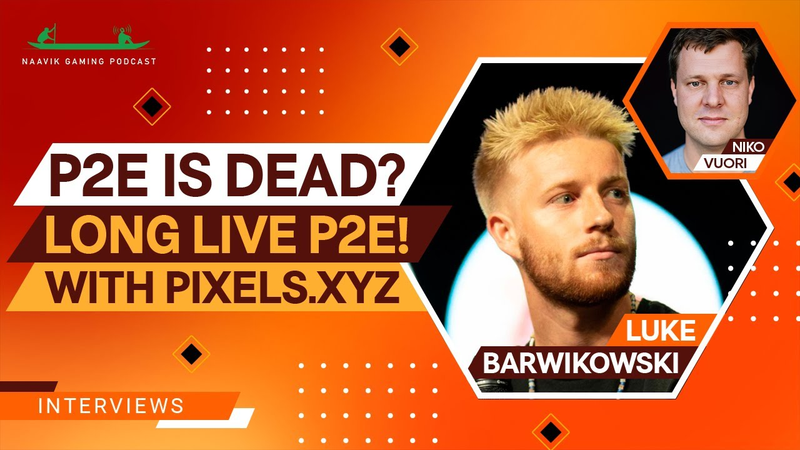
grid SDK or fully customizable Solutions Plus if you're a developer or entrepreneur with a live data powered project idea make sure to apply for grid open access to start building with supported official game data today learn more and sign up at grid. or check out the link in the show notes and with that let's jump into the episode hello and welcome to the navic gaming podcast I'm your host Nick oori we have a great episode for you today I think it's fair to say that there has been a bit of hype in the weird and wonderful world of web 3 uh with plenty of citations of various vanity metrics uh sometimes paperware announcements and here at the navig gaming podcast we get dozens of submissions for for these types of companies and so we try to do our best to filter out the ones that are worthwhile to talk about the ones that have real shot at mainstream success and today's guest very much represents such a shot pixels. XYZ is one of the largest web three gaming uh gaming communities
by user count on The Rona Network hitting hundreds of thousands of daily active user wallets and over 80,000 concurrence very recently on March 5th but despite these impressive numbers if you have not heard of pixels yet then worry not you're not alone the team has kept a relatively low profile since launching in October 2023 but now the team is ready for the world to know what they've been up to which is nothing less than the ambition to build the Zinga of web 3 and as anyone who listens to this pod knows I love me an opportunity to talk about Zinga so I'm very excited to welcome to the show the founder CEO and CTO busy guy of pixels Luke barowski Luke welcome to the Pod yeah thanks so much for having me no it's really cool because I was a navic pro subscriber for a very long time and I was getting tons of value out of all the reports you guys built so yeah it's great to be on here I'm super excited about it awesome well it's always great to have a a navic pro subscriber so um all right with that out of the way let's get right into it so uh Luke I ask our guests very upfront here
what brought you into web 3 because everybody has their Journey everybody has their reason for why they saw the aha moment of you know ownership or or tokenized economy there there's various reasons but everybody has their moment so I'd love to hear what your moment was what was your Journey Down the Rabbit Hill yeah I think it's like a bit of story that goes into why I'm here um just on like my own founder journey and Company building journey and also just a general set of interest in parts of web 3 that really intrigued me um but essentially I think the story goes I was building in the different category before I moved into web 3 gaming I was building with the same core Tech that we have inside of pixels right now a virtual space is an events company if you know the product gathered. toown we were basically competing directly with gather. toown for a while essentially building out these virtual persistent spaces that we would sell to Enterprise companies and what we found in the virtual spaces category before we moved into web through gaming was that when you give people a virtual space if you
don't have any retentive features inside of it you don't get very consistent uses out of it like I think the best use case scenario that we saw inside of these viral spaces that we were building out was some people would use it about once a week for an hour on a schedule Cadence to do like a meeting or a happy hour um different things like that but yeah just we knew we need to Pivot at Tech and at the same time as I was going through this pivot mode through this previous business I was running I saw axi Infinity kind of have its come up this was in like summer 2020 21 and I have an economics background and what's interesting is I was really turned off to crypto for a long time because of that I studied economics but all my economics professors my focus was on money and Banking and undergrad they all hated crypto like I was a big fan of Paul Krugman you can read all his essays on why Bitcoin is terrible essentially and I was still in that same line of thought so I saw the rise in 2017 of crypto and web 3 and I basically just ignored it but then axi Infinity came
around and I was doing a lot of research onto what they were calling virtual nation building at the time and that was actually extremely interesting to me where it's like this full use case of you know a currency being used in something that actually is value behind it games and I grew up playing RuneScape so the concept of a gaming currency made a ton of sense to me already just anybody with that MMO experience kind of understands web 3 gaming innately because of that and you know ax come up really inspired me to dig into more of like what is possible inside of web 3 gaming and yeah it just timed really well with where like my previous business was at with this interest I had in basically building an economy ground up I thought that was a coolest thing ever and what's cool about web 3 to me too is it's still super blue ocean even like two and a half three years later from when we initially started there's still so much to build inside of web3 gaming and the fact that there's basically no Playbook was also super
attractive to me the fact that you can just go into this industry decide that you want to build something there's very little competition and you can basically just start to build the grounds of this industry so I think that's cool too so yeah it's a bit of like great timing um axi Infinities come up and the problem space is super interesting to me yeah I mean it's it's a combination of two things actually I think it's true that there's no Playbook there's also true that there's uh not necessarily competition in any given category but at the same time there's also a lot of competition for attention in web 3 um and of course not the main stream isn't there so or not yet at least um but we're going to get into that later in the episode um so I want to hear about pixels um I was one of those people who hadn't actually heard about pixels I cover the space I look at the space um and I try to go through my newsletters and my like my you know I subscribe to every web3 newsletter out there and I really couldn't find anything much about pixels um and so you have been kind of quiet about what you're doing I I obviously you want to have a coming out party right now um so tell me about pixels what is it what have you been doing and why
now coming with some of these announcements and some of these news yeah so pixels like really quickly is a web three game if I had to describe the gaml it's kind of like if stardew Valley was an MMO um we are very much a non-traditional game studio and we don't build like it to this is a very interesting team of I want to call them Misfits um but it's a non-traditional team as what I can say to be like completely honest and what we are most interested in is how web 3 can change user acquisition inside of web 3 gaming we've taken a very different approach to how we build and we haven't done traditional gaming user acquisition or anything like that like we have actually spent maybe like $5,000 $10,000 lifetime to date on marketing inside of pixels now there's other stuff that we're doing there that's interesting like we do user acquisition but it's more web through native with token incentives and I think that's sometimes why people haven't seen us you know we're not spending money on conferences we're not spending money on
you know all these Partnerships that don't really have the end effect we're most interested in is really seeing how can we create good incentive structures to grow in what we call a Bottoms Up approach and that to me is the really interesting part of web 3 gaming like what we're trying to do at pixels is we're trying to create a generation defining or like an industry defining company and to do that we're really thinking more on the growth engine side of things gameplay is super important to that as well and it's a mix of all these different things but yeah that's that's kind of the difference with us at pixels we have taken a interesting approach to building we do a build and public style approach of building and it's somewhat chaotic but it's also been allowing us to build really really quickly um so we've had a game that's live for two years if you saw the first version of the game two and a half three years ago was nothing impressive it was basically just a demo and we've slowly made it better and better so there's sometimes where you we get like we run into people where they saw the game like two years ago they dismissed it they haven't
really seen the growth behind it but the cool thing is we've been growing with the community this whole time too so we basically found like a thousand true fans like two or three years ago and then this whole core user base that we've had has grown with us we've grown and expanded that ecosystem too and yeah the thing that you know kind of woke us up to a lot of the rest of the space was our recent token launch and you know now we get to pour even more fire on the user acquisition now that we have that ready we've basically been like prepping for this token launch for two years now and now we finally get some room to play with when it comes to user acquisition more growth levers all this kind of stuff yeah it's interesting the guests on the show typically especially the ones who come from traditional gaming you know web 2 and and have experimented with web 3 they typically talk about building the game first um you know building a great game I'm sure that's what you're trying to do as well don't get me wrong here um but I always have this question at the uh that I like to ask him which is like how are you guys thinking about growth you know who is going to be playing your game where are the web two players coming from how are the web 3 natives finding you and you
know they have answers the guests do have answers um but it's always a little bit of a question mark at the end of the the interview for me which is like how are you really going to grow you can have the greatest product in the world but if you can't find your users and you can't find your your true fans uh it's going to be very challenging so it's interesting to have you on this show here with a different perspective where you start with like okay this is just an MVP let's figure out the growth first and then later on the bells and whistles and you know the engagement features later so uh that's why part of the reason why I was was very interested to have have you on the show so that leads me nicely into my next question here so you you have hit some really impressive numbers recently definitely one of the biggest and some people say maybe the biggest I not so sure it's always hard to quite know what what those numbers are but certainly some of the biggest numbers that I've seen so why don't you tell us a little bit about your metrics um daus active wallets uh you know lifetime installs whatever you want to share here whatever you're happy and comfortable sharing uh I know our listeners would love to hear a a successful game by any standards um but
very successful I think by web 3 standards in terms of user accounts yeah web 3 metrics you need to be careful with because you know there's a bunch of different metrics you can throw it out um right now we're sitting at like 700,000 daily active addresses that are playing our game which is a unique wallet um it doesn't necessarily mean 700,000 daily active users um it really looks like we're about more like 500,000 real daily active users and that's some of the core problem set that you need to think about when you're building web 3 games so the more important stuff to look at around than just like pure volume of addresses is really things like spend inside of the game um retention can be a bit tricky to judge initially too if you have incentive structures um so yeah 700,000 daily active addresses 500,000 probably real daily active users there's a bunch of things we need to estimate that and then um spending side of the game has been interesting we've been monetizing um with the token and I think we've done something like and a. half million dollars in like in tokken Revenue in the last 30 days and I think that might be the more important metric to be looking
at we also have this thing called VIP it's almost like a monthly battle pass and we're sitting at something like 80 to 90,000 current subscribed users um so that's also a pretty good metric to look at when you think about spending side of the game and H how have these uh U these metrics been been trending uh you know you've been building for a while obviously um but I think you really it's really the token launch which by the way talk us a bit more about I think it's on binance it's called pixel um what you know I had a question plan anyway but may as well talk about it right now sounds like that has been the Catalyst you know maybe late later last year to really drive you know supercharge the growth I think the risk of course as I'm sure you hear this all the time the risk with any token and we saw that with Axia as well of course is that you know as long as you know number go up everything is great and you know you're going to get new users right because people are going to see like oh okay this is this is a place I want to be like number go up um but I think the risk of course as everybody knows is how sustainable can that growth be so let's talk about your your token let's talk about the launch
when it happen um what was it uh aimed at doing um where are you right now in terms of the road map for that token what does it do for players all the questions all the questions around tokenization yeah there's there's a lot to dig into there um so yeah we had a token launch about a month ago now I think it was on February 19th was the official date we launched on binance and that was great this is something that the team has been working on for a really long time and to me this is the key Mo in web through gaming um so so to talk about sustainability is a really important one and I think there's a lot of different frames to look at it so our tokenomics work a bit differently than maybe some of the play to earn games that had come before look at us how I really like to think about our tokenomics is I like to think about it like I get a user acquisition budget every single month and we get to allocate it how we like to choose so token price affects that budget that we get for user acquisition but also it shouldn't really affect the core game
right so we like to think a lot about creating great incentive structures inside of the game and we like to think about this concept of Bottoms Up growth so a lot of the questions that we ask ourselves when we're thinking about the token and what we actually do with it when it comes to the distribution is how can we create incentive structures that basically create the most efficient distribution of this token and for us what efficient distribution looks like is are we getting more daily active users inside of the game and are we creating outcomes or incentives that lead to more spend inside of the game like the core goal of the pixels network if you like to frame the token or the game as a network is to grow the network and what we want to do for that is we want yeah more users more spend per user so that we can get even more user acquisition power to grow the game even further so the markets do affect this right it's not completely in our control this user acquisition budget that we get um and that is something in the note too there's external factors
there but the core concept and what you really need to be thinking about is you know is this game actually providing value to people because this value needs to come from somewhere the interesting thing about having a token out is there's external sources of value that might also influence price things like you know markets sentiment just things that are not necessarily in our control but there are variables that we can control too so a lot of the focus internally also when you don't talk about the distribution of a token is how the token is actually getting used in the game like that is the most important thing when you're thinking about real value and that's why I bring up spend of the pixel token before like Revenue inside of the token as well um right now we saw about like four and a half million pixel tokens burned in the last 30 days it's a great start and it's something that we're basically like focused for the next 12 months and getting higher and higher how I like to think about how we view the token is in the long run the rewards that you give out probably need a match tokens that you're taking in right doesn't necessarily need to look like that completely there's some more nuan to it and I'm like more than happy to dig into
how we VI like token burn versus um like different mechanics that might you know make users less likely to sell their tokens which might have the same or similar net effect um but yeah sustainability to me is like have you built a game that people want to be using the token inside of and then you know are you using the reward distribution that you have in an efficient manner so are you actually giving it to the people who might be likely to stay inside the ecosystem regardless of the earnings are you just using it as a hook or are you using it as the the core of what you're doing basically yeah yeah well let's dig into that then perfect time um what are the core game mechanics that that people are engaging in you know let's start with what would be the closest analogy from web 2 a game that our listeners would know um and then kind of dig into what are your versions of those game mechanics from that game or those games um and how does the token make those engagements those mechanics better and provide that value for the for the
players yeah so it's funny because our game it looks like a farming simulator um and it is like its core right now but there's actually a lot more depth to it than people might realize when they look at it initially um it's honestly more like Diablo or like a World of Warcraft or RuneScape like Diablo is probably the closest analogy when it comes to game economics or like e than it is Farmville um because most of the depth inside of the game lies in its economics like when you see people playing um that's a lot of decision making that they're making dayto day to me it just makes a lot of sense in web 3 to have some kind of element of open economy um it just is one of those Primitives that people in web 3 are already interacting with and if you want to attract a web 3 audience it makes sense to kind of lean into that direction a little bit so when you play the game um you core of it is the system called the taskboard um you have to basically go to this centralized taskboard um it's in this store and we get give you different orders that you
need to fulfill for either an offchain currency coins or an in like the uh onchain currency pixel so the gameplay per each player is actually quite vary day-to-day they have different tasks that they need to do and they don't really know what they're going to be getting um every single time that they open up the game and it creates a really interesting Peg when you start to introduce the pixel token to actually create value inside of the rest of the ecosystem and economy right if you had an open economy of in-game items they probably have some inherent value due to gameplay in general and like desirability progression all these things when you start to add in the cryptocurrency rewards that actually do have like a very clear value the gaml becomes kind of pegged to that cryptocurrency value um so it creates like an interesting way that we can basically assign or shortcut um all the value to the items when we start to intr this into the core gameplay Loops um so
basically these players will go through this taskboard like they'll randomly get assigned some of the pixels tasks um and then there's this whole greater economy where players actually have to like be trading the other items that they're farming if they have a routine to farm this one specific type of resource um they might just choose to do that you know they might just be farming you know pot berries every single day selling at the open market for coins getting coins back and then going through the task board trading their coins for things that actually might get them the pixel token in the long run um but yeah it's basically like a trading game an economics game and a decision-making game around that and then a lot of the depth that we're about to add is around the social and around the like Guild mechanics as well too so you know it's a start of the game the game play is compelling enough right now and we're adding in more and more like web three Primitives and more and more ways that we can actually vary the end game the game play in like next one to two years um to make the game even more interesting on top of that yeah we're going to get to the social piece the guilds piece which I know you're very
excited by and uh is coming soon so we're going to get that in in a in a second here but um to me it sounds it actually sounds very similar to to a early zingga game um you know farmvill Frontier Ro CityVille uh you know Cafe World um a lot of those games just had it was just simple harvesting mechanic right you were just harvesting you know was timers um and then you'd have a task list you know in the left nav always in the left na I used to work at Zinga by the way um which is why I always love talking about zingga um and uh but combined so like early early zingga type games you know just just farming simulators um with a different theme whether it be a cafe or an actual Farm or you know being on the frontier on Frontier or whatever combined with the Diablo Auction House e economy mechanic it sounds like that's kind of is that is that a fair way to describe what you guys have right now I I know you're going to build out more but that's what it sounds like to me in a nutshell yeah I would say so and then there's also like these spaces are also like shared in multiplayer too so there's a social element with that as well but yeah I
would say Farmville with like Diablo Auction House combined with um like some of the social elements you might see in an MMO nice nice okay well it sounds like an interesting mix and it sounds like it's working um so um question on players obviously you've got some very impressive numbers um we kind of talked a little bit about that but where are these players coming from um are these sound like they're very web three native very crypto native individuals um you know is this the axi infinity audience um you know from Philippines and Thailand and various other countries or are these Western players who are just playing because they like the game and they're maybe less there for the for the value uh sorry I don't want to say extraction that's that's the wrong word they're not extracting value they're generating value for each other and trading value um but uh Curious to hear where are these players coming from um and then maybe just jump into how are you bring them in how have you managed to get hundreds of I mean I'm sure every web 3 developer out there would love to know your secrets how do you bring in hundreds of thousands of what sound like active real human beings who are playing a game and trading and getting value out of it yeah so there's there's a bunch of stuff
here um so one of the biggest Catalyst for us was moving to the ronet network and that can't be understated the effect that it had so one of the hardest parts in web 3 is the distribution layer right like you don't have the app store you don't have really web 3 Publishers the same way that web 2 has and you know that was one of our big strows for a long time too it's like okay we have a game like we had actually done a lot of retention optimization before we started switching on the web three components where we knew we would be able to retain users in a certain way um you know we knew like a decent idea of like LTB inside of the game too we knew we had something that would probably grow especially once we started adding incentive design um but the issue is like how do you get that initial user base so we moved to Ronin um a the Infinities chain um that it's known as in about I think it was like October 31st was the date that we moved there the it's interesting because it was a really controversial decision when we first announced it basically I got questioned a lot um when people like heard that we were
going to be moving there because there was maybe the sentiment of like Ronan being more of a dead chain or like you know axi Infinity came and it like kind of had it stay and then maybe it wasn't the same level of Da numbers at the time but I knew and I had this really strong feeling that um the work of onboarding people in the web 3 can actually be quite expensive especially that initial cold start and Ronin and axi infinity they already done the hard work of onboarding Millions of users into their chain and I thought that was extremely undervalued than what they had done there so on October 31st we moved to the Ronan chain and we started getting a lot more traction um being there because essentially what Ronan acted like was a publisher for us um you know it's just a mutually beneficial relationship between us two where you know they incentivized to help us grow we help grow their Network effects inside the ecosystem we help grow um Ronin daily active addresses and then you know they had a huge user base to pull on that was already on board in the web 3 three that was actually very willing to try web 3
games like this was the web 3 gaming audience it wasn't quite as active before we moved but you know we had this feeling they were going to be coming back or at least like able to be resurrected so that helped give us a great distribution layer that took us from like the 20K da Mark to like 100k um and then the rest of this has been incentive design this is some of the stuff that we've been experimenting with a lot before web 3 incentives are extremely powerful um especially when you bring a you know token into the mix and once you have something that has like a bit more behind it too um I think like right now inside of pixels we get 28 million pixel tokens a month um that are you know basically our user acquisition budget so we use that in a bunch of different ways right but that also is like a huge incentive program right if we were to go to web 2 model what we would have to do is we'd have to raise a ton of money um if we wanted to basically have the same user acquisition power or we'd have to um like go really really deep into this science of like the Performance Marketing game right
which is a much much more difficult and crowded game to play and web 3 offers really new interesting UA channels that basically just don't exist in web 2 that are hyper competitive against web 2 and that's the kind of stuff that we focus on now there's a lot of nuance in depth that you need to get into to actually make it work you can't just give people tokens and expect them to play the game or expect them to stick around and that's a lot of the core Tech and experimentation that we've been doing for the last two years it's like who do you decide how do you decide who to give the tokens to how do you prevent Bots and cyal attackers because if you give an incentive structure people are going to try to mess it up they're going to try to attack it advantage of it right um and then you know are there better ways to figure out like incentives to actually grow the ecosystem too so you know do you want to give incentiv for playing for sharing like what are the right balance between the two um are there different types of users inside of your ecosystem that actually might be better to give rewards to versus others um how do you actually effectively do that uh yeah there's there's so much to dig into there and that's like the
really fun stuff to me and I think that's kind of where we want to position ourselves pixels to be building at essentially it's like this is the core growth engine that will make the industry change completely if somebody can pull it off essentially yeah that's it sounds like you're very acutely aware of course of the risks of the you know incentivizing certain types of behaviors and and essentially giving Financial rewards um for doing something XYZ ABC whatever that something is right and like I said as long as the number goes up uh that's going to work right uh it's absolutely 100% going to work every single time uh so I'm very encouraged to hear that you know so many developers fallen into the pitfall of like okay well yeah if you give away a token like somebody's going to come and want to you know Harvest that token same thing happens in free-to-play games right it's you know even without the financial value never mind with financial value um but it sounds like you're very aware of the potential dangers of doing that it sounds like you're being quite careful about designing uh the economy trying to
design the the the SNS versus the the inflows um talk to me a little bit about what has been the most effective uh way of balancing the economy open economies always have risk because you're not fully in control as a developer right in fact you may not be in control at all at some point you may lose control completely even if you think you have control for a time so what has been um your approach and what has been the most effective way of maintaining a healthy balance in that economy which sounds like it's you know it's currently growing but maybe not growing exponentially like with Axia um maybe that makes you feel confident that you can you can maintain that growth uh so yeah a lot again in that question but this is an area that I'm extremely interested in every time talking about economy design I like spreadsheets too I'm my next CPA accountant from ernston Young way back in the day so I love numbers and I love trying to figure out like how how do you make those numbers work uh in in any game economy never mind an open web 3 game economy yeah there's there's a lot here too so part of its player expectations and Promises part of its liveops part of
its you know community building part of it is bot prevention and detection that's actually probably the highest impact thing that you need to be thinking about inside the web 3 gaming and cyal attacking um if you can't figure out who are real users and who are not real users um there's no chance that you can get into the depth of the real user data um and gold farming is an issue in any open the economy game and when you remove the barrier to sell currency 100x like cryptocurrency does there's powerful things that you get from it there's it's also a double-edged sword right um because if you remove the barrier to sell it also makes the bot prevention detection much more difficult too right um a bit of friction in that can be helpful for MMOs like World of Warcraft or RuneScape who are dealing with gold farming um but then you remove that barrier and you have to be much much more on top of it um so yeah all those other things are super important too but like you know the real player
identification highest impact by far in the early days you literally can't get to the rest of it unless you have that completely under control or at least like relatively under control um so yeah I mean some of the stuff that we've done for that is I think there's like two camps that I think about when you think about Real Player identification there's the hard kyc which is a route that I think some games are going to have to go um some games are going to have to integrate you know worldcoin um and the iall scanning or do like ID scanning as well too especially they want a competitive game um it's G to be really difficult to do it otherwise um I mean even if you look at uh like some of the stuff going on in Apex Legends or war zone the new anti-cheats that are coming out are insane um like I saw a bot in war zone the other day that basically can detect when anti-che is turned on the bot turns itself off for like the half second and then it turns itself back on when the anti-che detection is done um like for some of these games you're literally going to need kernel level access to a computer if you really want to make it fully competitive and prove a personhood
it's going to be nuts so you know that's one route that you can go our approach instead has been forms of soft kyc and still focusing on a free-to-play experience that feels a bit better but if you do that there's a lot of different things you need to focus on in order to actually pull this off and I think this is part of like the web 3 you know Tech that you need to think think about so for us it's like a level of like traditional bot prevention detection which I will say the prevention side of things is quite ineffective when you have in in front of it like Capas don't work at all um you can pay for captas to be done if there's an economic incentive on the other side the Capt people are going to be paying for them um the like detection methods of like most web two games so you do like a bunch of data analysis like we do that and that's quite effective um but there's an extraction time period that can happen basically so we do a lot of like data science on the back end with all the data that we collect on these users like are there you know repetitive actions are there like you know flows of different money going to like different accounts like you can look at this stuff
you can ban some Bots um on the back end but there's still an extraction level that can happen so what we' like to do is we like to add two layers in front of that we like to add a reputation layer um and we like to add a bit of a pay wall too in front of certain economic activity that's been doing a pretty good job of you know aligning incentives between real players and also giving us time to do some of the bot prevention detection one of the most effective things was this Vib battle pass that we released where essentially the ear earn more inside the game or to actually unlock significant earnings you need to buy a battle pass it's only like $10 a month right now in our native token and what this does is one it creates a cost to create many fake accounts inside of a gaming ecosystem which is great because Bots sometimes can't afford a huge cost even though we do see some Bots try to buy it sometimes two what this does is if we're able to ban a bot for an expected level of extraction they actually come out in the red economically um so that's a way for us to do it we basically know okay if a bot
comes into the ecosystem or a non-real player comes in the ecosystem or somebody who made like a thousand accounts we ban them or remove their accounts within a certain amount of time the incentive to bot becomes much much less um and then yeah we've also combined this with an in-house reputation system but this is some area in web 3 that I think really needs to get expanded upon essentially what we like to do inside of our game is we like to look at some of the external data that you link to our accounts so you know we'll make you connect your disc your Twitter um other socials look at your wallets things like that and we'll get like a idea of like who you are as a person from these external sources um it can kind of give us a better sense of um like personhood by the data that like all these other platforms are also doing as well um some of them are more effective than others right like Twitter has its own bot problems so just connecting to Twitter isn't really enough um same thing with like some other platforms too but the more data points you get the better idea that you can have basically then we also combine that with in-game data too so there's an
external side where we can get some data on you you know from whatever you connect then there's also Behavior inside of our game that we know is better um and it's like more reflective of real users too and this is also something that we're like you know going to push more into our reward system as well but we know that certain types of good players play in a certain way you know that certain types of bots or Bad actors play in a certain way too and we can actually get like a score internally on you know what kind of player you might and we're working on like more and more segmenting that will help us figure that out so one it's great for bot prevention detection two it's also great for creating better reward structures in the long run too um but yeah that combined with all of that um and then another layer of game design when you come to building out a game to make it a bit more bot Sao resistance um is also super important that's why we're introducing things like guilds we're changing up some of the economic systems inside of our game too like how you build a web 3 game is really important because again if you create the wrong incentive structures inside a game and the ecosystem the economy you're going
to set yourself up for Bing and cyber attacking as well um like for example if the game you built is set up in a way where one person making a thousand accounts gets a huge Advantage people are going to make a thousand accounts um it's literally if it's written into the incentive structures with the game design there it's going to happen and you need to find a way to make game design work in a way where more account doesn't really have an economic impact um whether it be like high skill which for us that's not really where we're going or whether it be scarcity inside of the ecosystem whether you have some of that beated by social um all of this so yeah it's it's crazy what you have to do here like web 3 gaming it's all these things combined together to pull it off in my opinion um there's so much Nuance in depth and like there probably is a billion dollar company in every single area of this I think um but it's fun because basically none of this is actually really built or polished yet inside the space so if you're a company Building inside the web through gaming you kind of have to figure all these
things out for yourself and that's the state that we're at right now yeah I mean you're making me break out into cold sweats just just listening to all the things you have to do to to prevent the bots so uh I mean sounds like you you're you're on top of it but of course as I'm sure you well know with success comes you know even more problems right and the the the you're always playing Cat and Mouse um with the Bots you're always playing cat Mouse with the bad actor so I wish you all the best and good luck in in uh in fighting that because of obviously that is critical as you say in in order to keep the economy uh balanced and in order to make sure that things don't spiral out of control like arguably they did with Axia I mean Axia was was up and to the right right number go up for a long time until it wasn't at which point you know it collapses on itself a bit like a like a badly cooked fla in the oven um sule collapsing on itself so um let's change gears a little bit uh and talk about um liveops because that was another element of what you guys are doing that that impressed me quite a bit uh very similar by the way to the Zinga Playbook um you
know Zinga arguably kind of uh was one of the pioneers of the live Ops uh playbook for gaming in particular and zingga PM's uh product managers were uh kind of famous for trying to make sure that you're keeping things fresh and interesting for for the players so tell me uh I think you've got updates every two weeks give or take I know you have a lot of events uh I know you just uh mentioned earlier on that um your 80k you know 880,000 plus uh concurrent day was on a on on an event day um what are you guys doing to keep the players uh engaged what kinds of events are you running and how frequently are you in fact putting out content um and uh new features for the players to engage with yeah so we take building in public to an extreme I haven't seen many people do it to like the extent that we do it and for us it's a really valuable thing inside of web 3 community building was the first thing we started doing at pixels even before we had a um strong game to be honest um and that's of the interesting stuff in web 3 and why I liked it initially as well like we saw
essentially growth hacks to get a thousand true fans through dropping something like an nft collection or any of that and it is a really powerful thing we dropped an nft collection um like a week or two before we launched the first demo of our game and um yeah the live Ops of web 3 is particularly interesting we started building in public doing updates almost every week every two weeks and we also do amas every single week our community Community is actually a really really active part of building the game with us they at this point understand that the game is not finished it's not super polished and they're completely okay with that because they get to see it get better every single week and we engage with them really actively to build out the things that they want to see inside of the game too you know there's a bit of a balance because you can't always build exactly what the community asks for and wants because especially web 3 sometimes their interests aren't like completely aligned with the longterm of the ecosystem right um but and it's like it's a funny bunch of people sometimes but also tell I couldn't picture yeah I
couldn't picture building any other way because there's still so much stuff inside of web three gaming that we have no idea will work or not where we really prefer the iteration speed and we really really prefer being lean and agile like we're still treating our game development like we would a startup where we're not really going in with the like perfect idea of what's going to work and I know some game studios operate in this way um we're just the complet opposite basically we're rather than trying to make like the perfect product optimizing everything and showing it out to the world as like an act of love like our Act of Love is actually building with the people who want to see the stuff built and you know basically making the thing that they want um so yeah these updates every single week are really helpful and also kind of fostering that sense of community and social is super important too so yeah we do amas every single week um like live streaming with our community answering basically any question about the game development progress there and we host a bunch of
events inside of the game as well too um so we host energy parties inside of the game when we do amas like people always need energy inside of pixels it's one of the main constraints if you play the game so creates this really interesting social Dynamic where you know there's this in-game need we can make you kind of like listen to the amas with us because we host energy parties inside of the amas um like we literally link the AMA in the game so you have to come into the game and then you get some energy inside of the game too and yeah they've been pretty successful we typically have like 20,000 people listening to the AMA and sometimes like up to like 880,000 people concurrently in the game um at these energy parties and it's cool because you actually see like all these different players you feel like a sense of you feel like you're a part of something bigger when you come into this too that's kind of what we' like to invoke inside of web 3 as well like you are here building with us these are early adopters inside of web 3 who are legitimately just interested in seeing web 3 get better and better because they've grown with you know games like axi and now they're here like two or three later years later like still here
because they actually like it they're interested in like the future of it and now they're actually a part of it like as an active parant in making web 3 better too so you like to lean onto that kind of ethos and mindset with these users yeah well that brings us nicely on to social um and I know that that uh this is one of the primary reasons that you guys are kind of making a bit of a splash now some of the news so guilds um you're announcing guilds um and it's it's a big deal you you did a partnership with YG um which is you know the biggest name in in Guilds in in web 3 and have been for the longest time um talk to us about guilds how do they work um how do they layer on top of the existing gameplay that's already there and how does it compare to other games that have the concept of guilds because there are a lot of guilds out there as I'm sure you well know from from um from your time in in web 3 yeah so there's a couple things here too one what I like to say is like we
like to think about Primitives inside of web 3 and we love thinking about the features that make web 3 unique or make web 3 games potentially better than web 2 games or at least like non-competitive against Web Two or games so some of those Primitives are things like play to earn I think that's a web 3 primitive that like it could exist in web 2 right like there's no reason that somebody couldn't like create really big prize pools inside of a web 2 game and then offer incentives like that we do see that a lot of the times um but it's 10 times easier inside the web 3 um guilds is one of those web 3 Primitives which I find very interesting where there are guilds inside the web 2 games that's super normal in Clash of Clans um in games like um World of Warcraft or RuneScape like these are all like pretty essential parts of the gameplay um but then web 3 offers like a new Twist on it that is a bit interesting the other thing that we saw as a web 3 primitive was social fi and there's all these things that like it's really easy to criticize these primitiv inside of web 3 because they didn't work in the first iteration what we like to think about is
you know is this actually something new inside of web 3 and is there a way to make this work or is there something interesting here that we can take inside of our game and ecosystem and you know use in here so social F and friend Tech was one of those things I saw last summer that was really interesting to me um the concept of bonding curvs and the idea behind it basically creating like this really interesting align incentive and structure to you know bring in creators or people who might help grow in the ecosystem and you know have incentive alignment there so guilds played that role inside of some of the early web 3 games right you had a guild come into the ecosystem they actually helped onboard tons and tons of people into axi Infinity so when I'm thinking about growth inside of our game and ecosystem these two things together actually seem pretty interesting we started thinking about you know how can create more incentive structures to help our user acquisition be like 10 or 100x right like can we create systems where people are helped to incentivize to do
UA for us and yeah that's what Drew us into actually like figuring out is there a version of guilds 2.0 inside of web 3 so for us what that looks like and you know we'll see how well this works we're going have to iterate and adjusted a ton because there's so much depth and Nuance here and like a lot of iteration experimentation need to get done is we're basically combining social F and guilds and web through gaming all together in this one feature that we're calling guilds how it works is essentially there are now gills inside the pixels that will be integrated into the game play there's a lot of really interesting end gameplay that we're going to be adding in the next two to three months around guilds as well too but in order to join a guild you have to essentially pay pixel and you join it on the bonding curve so what this does is larger guilds become more expensive to join and newer guilds actually have a much cheaper price to join too and these membership prices are split between us and the guild
leaders as well so there's a couple things that are going on there one it creates better long-term Guild competition essentially if a guild is not providing value to the end users in the you know justification of that high membership price um you would hopefully expect to see more guilds form with lower membership prices right so this creates an interesting competitive landscape inside the guilds inside of the ecosystem so you don't have like one super Guild essentially um two what this does this creates that great user acquisition incentive alignment there's a split on the fees guilds are more likely to go out and like help create um like incentive programs to join their Guild which helps us in the long run and then three what we're doing when we integrate this into gameplay to is it creates really interesting self-governance when it comes to Resource distribution inside of the game ecosystem so along with all of the um like new interesting gameplay that might form with this kind of stuff um we are
introducing um like new types of resource generation that are kind of tied to the guilds so one of the big changes that we're making inside of the game in the next month or two is changes the resource generation inside of the game right now just like we were talking about this whole bot thing um when you come into the game basically anybody can Farm on a plot of land inside of pixels so if you have a piece of farmland you can have like you know 10,000 people on your farmland and you know that might be like 10,000 amount of resources getting generated per piece of land every single day change that we're making now is that on farmland and on soil inside of the game only one person can Farm on it at a time so this is interesting like crazy scarcity that didn't exist in the game before um but what this does now is we can actually tie some of the more valuable resources to the scarcity as well and create really new interesting social gameplay Dynamics we link this into the guilds so one thing this does is is with the resource generation and therefore the pixel Generation Um it's
almost self-governed by guilts now where if there's a bot that's coming onto Guild land and taking resources in this Guild's land now they're taking resources away from the guild it's not it is zero sum in this situation now it's not like um more and more resources getting created inside of the game so the game is going to become much more social now where guil are going to kind of self-manage resource creation and distribution and that's the stuff that we're interested in basically it's like a form of cyal resistance gameplay where bot detection is almost kind of decentralized into the Guild's hands it's creating better incentive alignment when it comes to Resource distribution inside of the game and I also think it just adds more fun and interesting gameplay Dynamics like if you ever played E online that's kind of like a great Guild system that we're interested in like we want backstabbing we want um like a lot of the social dynamics that come with the guild system inside of E online and yeah I think that's kind of the end goal so yeah it's a new web3 primitive it unlocks new types of gameplay it creates better incentive
alignment between um you know us and end user and it makes the game a bit more cable resistance too so yeah it's interesting it's going to be there's G to be a lot to pull off it's gonna be so chaotic for the next couple months it be it's one hell of an experiment it's one hell of an experiment and I love it I love the audacity and this is what part of what makes web 3 so much fun is you get to try crazy things and some of them are going to work and some of them are not and um but you know it sounds like you've got a pretty strong thesis around what hasn't worked in Guilds and web 3 so far and you know what might make it work with what you guys are doing but it does lead to the question which is what about player expectations um obviously this is a pretty big change here um you know resources are suddenly becoming much more scarce um there's a lot of like CH change for lack of a better phrase there's a lot of change happening for the players um how do you communicate this with them I I know you said you do amas every week and you know updates every two weeks it sounds like you're you're pretty upfront about it but what
have players been saying to you um when you've been teasing this feature or talking about how this is going to work um down the line yes some are excited some are nervous um and yeah this truthfully maybe this has an impact on da but these are the things that we need to take experiments and risks on um if we want to get to that route of web 3 gaming sustainability so you know we're not afraid to take giant giant risks inside the pixels and we never have been our focus is really seeing can we make play to earn work can we figure out web3 gaming can we create something that is actually sustainable and will be around for the long run so I'm willing to sacrifice some short-term growth if that's what it takes in order to actually have something that works in the long run um I legitimately do think that these features are going to be more fun more exciting for players um you know it might not be great to some certain user personas maybe uh the Bots aren't going to like it I can tell you that so we're going to have some angry people in the Discord that you know actually do do
that they like POS as real players um yeah that's always a thing whenever you add like more antibot you'll get really angry people um well with AI you're gonna have sentient Bots soon so you know but yeah it's also going to like maybe be yeah yeah it's gonna be a bit different from some of the personas too it's interesting if you look at a lot of the like player criticisms of the game inside the pixels right now um a lot of them are saying they don't earn enough um and that is something that you need to think about when you think about who you're actually targeting like you know should you listen to that as much as you know they're saying um you know the real answer is probably not um what we like to think about a lot is what are the earnings that you actually need to be giving inside of the ecosystem actually retaining users we're going more on a hard data approach to this one rather than player sentiment right um for that particular piece these are the things like in the tough decisions you need to be thinking about when you think about web through gaming sustainability like what are the actual numbers that you need order to achieve the outcome that
you want do you have the data that justifies that um and yeah there's yeah there's a a bit of back and forth on it too but is funny like we've been through this so many times now when we make big changes every time we make a change somebody's like nobody's gonna play the game after and then we we focus on sustainability we focus on the right stuff we've always found that there's growth with that essentially like the key thing is if we're able to build out better incentive structure we can create more incentives for the real players which is more user acquisition budget that we get to real players essentially so anytime that we do something that's more bot or C resistance that's basically way more budget for user acquisition so it's always advantageous for us to figure these things out yeah yeah I mean kudos to you for leaning into play to earn by the way we haven't talked about this very much but as I'm sure you well know you know play to earn uh got a pretty bad name and and most web 3 developers actually kind of hid away from it you know said no no no we're not play to earn we're play and earn or play and win or you know there's a lot of euphemisms for for that and and
I actually like how refreshing it is to hear from you that like no you you are play to earn but it does bring up a question here though which is uh yes the incentive structures you are obviously putting a huge amount of thought into it and so I'm very truly impressed by how much thought you guys are are putting into and clearly are well aware what has come before like what is the legacy of of you know something like oxia and other kind of early play during games but um I think that does bring up the question which is are the players there to play are the players there to earn can that ever truly be balanced uh I know that maybe feels like I'm asking the same question a couple of different ways here but that that was always the the conflict with something like an Axia that's always been the conflict in the play to earn space is the I'm playing but if I'm earning am I really playing or am I working is this the job that I'm doing here so uh yeah just want to kind of get your take on that um just again kudas for leaning into to play to earn
and saying I'm trying to figure this out like nobody has figured it out we're trying to do that absolutely I wish you all the best and good luck on doing that but um does play not be become play anymore does it become a job if the earning component is there um maybe more of a philosophical question but but certainly something that I think you must have thought about oh yeah no I think about this all the time so yeah play to earn is actually like the ship I'm willing to syn with um like that is kind of our mission at pixels can we figure out and crack how to make a play the earn game actually work in the long run because I think if you unlock this it's literally industry defining not just in gaming but consumer um and a lot of the way that you use applications in general so I'm willing to take the swing because you know maybe maybe there's no way to make it work maybe there isn't but I truly believe there is right so I think the question you need to ask yourself is you know you're willing to pay money on ads to acquire free players right you're not paying money on ads
like why can't you maybe give some of that money back to some of the users right to me it's more of a value distribution problem than it is a sustainability problem in the way so one in order to make play to earn work like everybody agrees the game needs to be fun the um value needs to be provided through like a great game that people are willing to spend money on like the game probably needs to Benchmark against web two games when you don't have any incentive structures on it um and you need to be thinking about spend inside of the game for the love of it right um but then you know how Web Two game Economics work is not everybody needs to spend inside of a game for the game to be successful right but you do need to spend a lot of money on user acquisition to uh make that game successful too so thinking about it framing it like that right is a bit different when you start to think about this the budget I have for user acquisition um and I'm trying to get this much spend out of it in the long run I think you can think about play to earn in a similar way too um and the interesting thing about having like a live token and all that too is get some time to figure it out um you know
speculation is a double-edged sword right when you have a live token out um you know you do get speculators inside of an ecosystem right that just want to hold the token or like you know investors things like that um funds that come into the ecosystem and it's actually kind of a superpower in the early stages because you get that budget for user acquisition that you might not have otherwise like if we were trying to bootstrap um this e system and um do this in like a web two way what we would need to do is make a lot of money through the game um through inapp purchases thing like that like build up like a treasury and then we could start to distribute some of that um you know value that we're creating through profit to users in that way um but instead with the web three native way there's kind of a different route right and if you use it in the right ways potentially you're building out a really great Network um but then yeah I also think a lot about player promises like the right types of players who you're bringing on I think
that's quite important to think about um like for example you know not everybody can earn the entire time most likely um like you do need to have people who are willing to like play the game um in the long run as well too but it's kind of that like whale freeo playay structure that already exists in a lot of free-to-play games too right um You need a user base for whales to actually come in and like enjoy the game in general as well like you can't just have a whales only game I guess you can like there are some things like that but typically in most of the free-to-play settings it's a mix of the two personas right so you can create incentive structures that create like a great whale friendly environment um through also having these other players inside of the game and ecosystem that might not have tried it before or can give them hooks to come in and be like great players anyways and then yeah how much do you need to give these people to have them stay is it you know job level or is it just like a little beer money that gets them into the ecosystem keeps them to stay right um or do you just need to give them like an initial hook to like try it out for the very first time and do they like to stay because of the game itself like these
are questions to ask too and then the other point I like to bring up too is like I actually legitimately think regardless of anything else too play the ear makes the game more fun basically everything has Stakes finally so the decisions that you're making matter a lot more when I play Fantasy Football I am so much more engaged in my fantasy football leagues when there's money on the line it's like yeah I care about the games more I care about the players more and I play their ear game is the same way like it's legitimately more fun when you have Stakes when you like decisions you make have some kind of impact even it's like pretty low stakes um so I think that adds another part to the equation that a lot of people forget sometimes as well like you know you need all these other things to do it and make it work but then like legitimately having these components also add like another level where you might be even more likely to spend and the ecosystem actually might be more valuable for that reason too so let's talk a little bit more about your partnership with Y uh yield Guild uh gaming they're one of the biggest names if not the biggest name as I mentioned um in the world of web 3 um
they were obviously famously early in axi infinity and it's kind of how they made their name and grew from there quite quite quite d uh dramatically uh so you have a partnership with them and I'm very interested to hear what does that entail how are you guys working together um what are they bringing to you and what are you bringing to them yeah so I think both of us think that web three guilds need to look a lot different than the first generation um you know it's really interesting what popped up in the first generation of what gaming with guilds right but I don't think anybody really wants the second generation of it to look like exactly what it did before um how I think we both view guilds more in the traditional MMO sense where guilds are essentially groups of players that are coming together for a shared goal and whether that being gaming or anything else like that's what we kind of want to facilitate so even when we think about the systems designed inside of pixels that's the end goal that we're trying to achieve like we really just want to make it so that like a group of like 10 to 20 friends um can like play together like achieve some economic outcome together like some end goal together as well um
but then ygg the interesting thing there is like they have a lot of people who have already been onboarded into web3 guilds like they're the web 3 Guild company right so it was a really interesting partnership as we're thinking about what guilds 2.0 looks for us to start to explore you know right now um you know we're providing like a lot of users that might you know go into y but what we hope for in the long run is we hope that there's more web3 games to start to lean in the Gils that we can start to bring in from y to pixels right so for us that partnership me beneficial in the long run where you know we always want to be working with people who there's aligned incentives with and shared goals with where you know if Y starts getting more and more guilds that are coming in and playing games like alium or playing games like shrapnel like are there incentive structures that we can create for these same groups of people that come into pixels and start playing pixels too interesting interesting okay yeah I do think this uh there is definitely an evolution required maybe not a
revolution quite maybe it does need to be a bit more drastic but yeah definitely I think the the old old Guild model from you know the early axi Infinity days I think that generally I'm not saying it's proven to not work but it but it hasn't worked yet let's put it that way uh so I like that you guys are are kind of rethinking what that could look like uh for kind of the next generation of of web 3 games um okay well we're coming up to time here but I do want to ask a couple couple more questions the first one is um obviously Guild is huge it's a big experiment let's see if it works good luck I do wish you all the luck uh in in uh seeing how that plays out and would' love to have you back on the show at some point to talk about how it went after you rolled it out once you have some data in there um but what's uh other than gills what's next on the pixels road map um what are the kind of the Bolder beats the bigger things that you guys are working on yeah I would say there's a really clear path to like one to two million da for us um I don't even think we have to change anything we'll probably hit about 2 million da um but then the question mark is like how do we
get to like that seven to 10 million Mark and for us that's going to have to be a lot of optimization like there's still a lot of work to put into like the core gameplay the Polish systems like we're not there yet um it's interesting because we're getting a lot of traction but we're still like I would call this early stage so there's still a lot to figure out um so the next like three to like nine months that's what this looks like essentially like optimizing spent pixel per player optimizing like even more of their attention and like really fine-tuning how to build out these incentive structures properly to keep people inside the game for a long time um and then once we start to do that we can start pouring more of the fire on some of the user acquisition side of things like I'm pretty sure we can scale this particular title like seven million da I'm just I'm looking at the Playbook of like reallying good to like YoVille um for example how I think yville was at like 7 million Dau at one point um and it's yeah it's kind of funny actually how similar pixels the YoVille I hadn't even realized that until true yeah
somebody had pointed it out yeah um but then the question mark is how do you get to 50 million and that's what I'm thinking about a lot lately so for us we kind of want to build out like these incentive structures like really figure out this core growth engine and see if this also scales to other games too um like I I do think there's a path to a like 50 million diu company if we figure all this out and that's kind of the uh that's the reward that we're going for basically that's like the end goal wow I mean that's ambitious for sure that's I think a lot bigger than the current web 3 gaming population period um so a lot of onboarding needs to happen from Web Two into web three and of course with incentive structures you can do that right people will come um they'll come for the money come for the earn stay for the play maybe I don't know we'll see see how that plays out but um definitely curious to see how how it does play out and and how you guys uh progress against that road map and that very bold vision of 50 million uh web 3 players just in a single title I think are you talking about single title or are you talking about kind of the more broad uh Network that you guys are trying to build here no I think that 50 million da is
got to be through multiple titles okay fair enough fair enough all right I was gonna say you would have one of the most successful games on the planet at that point so which hey good luck may maybe maybe you will so okay cool well completely different question here this is the last question I like to ask all our guests uh what three games are you playing uh or what three games are you most excited by at the moment and they can be web 2 web 3 mobile console PC whatever yeah I it's funny the games that I like are more walking simulators or like sailing oriented games um I just started playing subnotica which is not a walking simulator but it feels like it it's just a diving simulator um but love that game lately um it's just like more of an escape for me where I can go out and just like chill out and explore some cool environments um I still play a lot of vampire survivors like I'm into like also casual quick games like that um and then yeah I've been playing games with friends it's more like real Earth strategy games like that nice
all right well very different taste to most of our so far every one of our guests said balers Gate 3 uh is one of their favorite games um and uh uh good good to hear that we have some more eclectic uh titles uh in the mix there as well um all right well that is a great place to end today uh Luke I just want to say thank you so much for coming on the Pod uh it was an absolute pleasure yeah thanks so much for having me this is great yep and a big thank you as always to all of our listeners uh we'll be back next week with more more insights and more analysis from the weird and wonderful world of web 3 so until next time friends stray uh stay and stray why not crypto curious and feel free to send questions guest recommendations and comments to me my email is Neco nv.com if you enjoyed today's episode whether on YouTube or your favorite podcast app make sure to like subscribe comment or give a fivestar review and if you want to reach out or provide feedback shoot us a note at podcast nov. or find us on Twitter and Linkedin plus if you want to learn more about what navic has to offer
make sure to check out our website www.nic.edu and advisory Services again that is www.nic.edu [Music]
Auto-generated captions from YouTube — names and numbers may be misheard.













Comments