Transcript
[Music] welcome to the novic gaming podcast where it is our mission to explore the business and future of video games we bring together the industry's brightest Builders investors and thinkers to keep a pulse on current events dissect emerging Trends and games share Lessons Learned and have a great time this podcast is also part of novic growing ecosystem which ranges from free and premium research to Consulting and AD advisory services for more information visit [Music] www.nic.edu overwolf is the guild for in-game creators whether you're a gamer Creator or game studio overwolf is the ultimate destination for integrating ugc in games
for Game Studios overwolf offers curse Forge for Studios a white label solution that lets game makers and Publishers easily integrate mods safely and seamlessly into their games both existing and new at zero cost it's battle tested by triaa Studios and games including Maxis with the Sims 4 Studio wild card with Arc take to interactive and others for creators overwolf is the all-in-one platform that enables creators to build distribute and monetize in-game apps mods and Game servers in 2022 overwolf paid over $160 million to in-game creators proving that they truly value the talents and contributions of The Gaming Community you can check out everything over wolf has to offer at overwolf decom or check out the details in the show notes and with that let's jump into the episode hello and welcome to the novic gaming podcast I'm your host Nick oori in today's episode we are diving once again into the world of web 3 gaming which
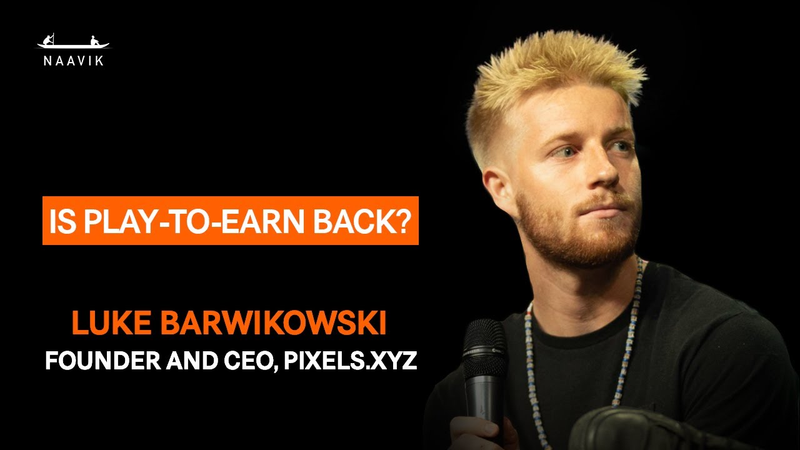
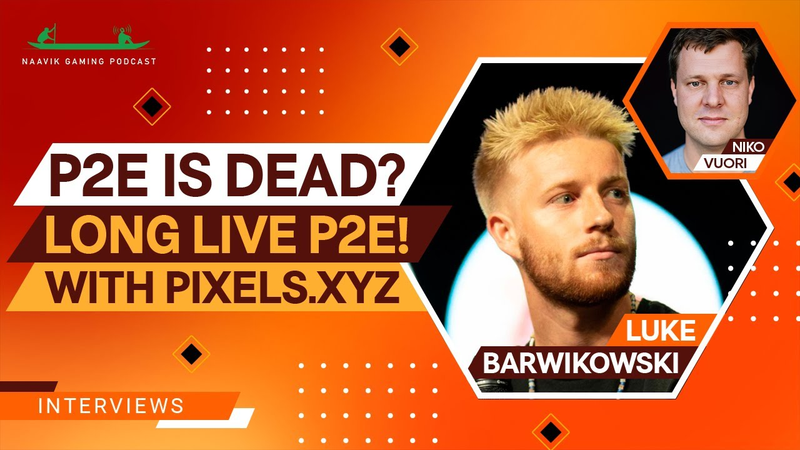
really looks to be back in a big way in 2025 we also have a returning guest on the show he is the founder and CEO pixels. XYZ Luke barowski he was on the Pod almost exactly a year ago in an episode titled play to earn is dead Long Live play to earn and uh it covered what at the time appeared to be some green shoots rising from amidst the oxy Infinity's smoking ashes uh pixels. XYZ had a different approach to play to ear and Luke at the time claimed it was a more sustainable one and of course color me a little skeptical uh we covered that but it sounded promising so then fast forward to almost exactly a year from from that and Luke is back to tell us whether pixels XYZ approach to play to earn truly is more sustainable but this time his words are backed by some pretty legit numbers over 10 million registered players over 20 million in 2024 revenue and growing and he has a very reasonable claim to the number one title in web 3 games gaming pixels is blending farming
exploration and community-driven events in ways that appear to be working they even hosted what's so cool and what's been called the first ever web 3 wedding which I was reading about in a lot of detail I hadn't heard about it and it's just truly awesome so we're going to spend a little time talking about that too uh they pulled in thousands of players concurrently to the celebration of the wedding ingame so without further Ado here to discuss how pixels reached these milestones and what's next next for ecosystem is Luke barowski founder and CEO of pixels. XYZ Luke welcome back to the Pod it's great to have you here yeah no thanks so much for having me I've always been a big fan of navic I was getting the reports sent to me monthly um when you guys were doing that um yeah I love your breakdowns and I am super happy and honored to be here awesome well we're honored to have you back uh and thank you for the kind words uh yeah the noic team do some great work so little plug out for navic here if you're game developer or you're interested in the space go and subscribe
the newsletters are free these days um a lot of the breakdowns are absolutely fantastic and we've had a lot of founders of companies come to us and say hey how did you even know about all these things like this information isn't public so yeah our analysts do a fantastic job nice plug out for for Navi here all right well without the uh further Ado then let's get into the actual episode itself so Luke I know you're a returned guest but I don't expect uh all of our listeners to recall your background from a year ago so why don't you give us a quick recap of who you are where you came from your journey into web 3 gaming and the pixels. XYZ founding story yeah totally my name is Luke I'm the founder CEO of pixels and I was kind of an outsider to both web 3 and gaming before I started pixels um my background is more of like the scrappy startup founder background where truthfully I probably started the startup a little bit too young um I started basically a year after college um I went to college for economics and computer science and I had a really early coding background too I started coding when I was like 12 years old
um and if I had to kind of you know say what my strengths were as an early stage founder was more on the technical side and on building stuff really quickly um it took me a little bit of time to even like break into like the normal startup World um you know I started what became pixels in 2020 when I was living in New Zealand um and pixels actually didn't start as a web 3 game it started as a virtual spaces and events company kind of competing with gather. Town um and it's funny because that was kind of like metaverse but Web Two version of metaverse at the time um that company didn't really end up working out it's a really really tough business to build in that industry um what we found in the virtual event space was that we were struggling with some of the you know things that these companies are still building there are struggling with still retention um engagement um especially postco like what we found is after covid people didn't really want to actually hang out in Virtual events um or you know use that as an alternative to zoom or um you know actually IRL events um
but yeah eventually we kind of found our way into web 3 um I was initially attracted to web 3 gaming even though I didn't have a gaming background um because I love economics and to me that actually was a pretty good founder market fit um I studied economics not because I thought it was going to be useful in the real world or to any of my jobs I just really really liked it and enjoyed it and the idea of um virtual nation building was a really big narrative when we pivoted into web 3 gaming um that's when axi was kind of in its come up and to me it was just the coolest thing I was like okay if I'm building anything um that sounds awesome and I at least want to give a go at it um so we basically took a very counter traditional approach to Building inside of gaming and a web 3 because I came from the startup background I came from brute forcing product Market fit beforehand and we chose to build in public rather than the traditional style
of building a game where you know you take a couple of years to develop it you get it perfect and you release it um instead we released a really bad game in 2021 and we've been updating it kind of on a weekly Cadence um you know Pace has changed a little bit now that we have more users but for the first two years there were weekly updates I think we did like 102 public releases in a two-year span um and the game got gradually better and better and that speed of iteration really helped us figure out some of the key truths that I believe in web 3 gaming at least um one of the big things is kind of figuring out who the audience is you know what actually works and what doesn't um when we came into web 3 gaming there was a lot of theory crafting at the time but not a lot of people that were actually building and releasing stuff and it turns out a lot of those early theories were quite wrong um at least in our opinion I mean what we've seen is a lot of the people who were funded in 2021 aren't even around anymore to be completely honest um and instead we took the apprach of saying
hey we don't really know what's going to work inside of web 3 gaming like let's just build with our users see what is sticky and what's not we've tried a lot of things that haven't worked we've seen some things that are working now and we've kind of honed in on a few key points so what we've seen with web3 gaming is I think that any web 3 game turns into play to earn whether you like it or not um if you have an onchain asset that has open economy open market people are going to optimize their gameplay around getting these assets even MMOs you see this gamepl a lot um most MMOs like RuneScape World of Warcraft they are kind of play their ear um so we think it's a reality of web three gaming now when you have a web 3 game and a play to earn game you also have a lot of people that want to break everything inside of that game there's the theoretical side of web 3 gaming and then there's also the Practical side um and the Practical side is the things like bot prevention and detection um things like smart rewards and reward targeting that we're doing and um what we've been working on are a few systems um we are really bullish on this idea of
play the earn and this metric called return on reward spend we see play the earn as a essential alternative to traditional gaming user acquisition and to us that's really the meat of play their own gaming um so yeah that's kind of what we've been working on my background and how we've gotten here um and yeah it's it's been a counternarrative approach but so far it's worked for us nice well there's a lot to unpack there thanks for thanks for the the background there what um one of the things I so what's nice about what you just said there is it it seems like you've been sticking the course over the last year right so you know your background was you started in early you know early web 3 2021 iterated things you know may or may not have worked great but last year when you came on the Pod you were like hey we think we're onto something we're leaning into play to ear it was not actually that popular at the time like everybody was leaning out of play to earn right and you were like no you know I'm one of the few people who believes in this I have this thesis and it was still very early
then right you hadn't proven anything out it was more just like we have this idea you were featured in The New York Times as well I think that was after the were you did you know that yeah yeah there was something there um I mean because I hope you clipped it like put it up in your office or something like it was that happened after you were on the podt and I was like hey I know that guy like he's in the New York Times Like covering uh you know crypto gaming in the Philippines I think there was uh in Vietnam they were they were covering a lot of that so it was interesting to see that you were very early back I guess into the web3 play to earn space and then have been recognized over the last year or so um as one of the Pioneers essentially of of doing this kind of wave two of of web 3 gaming so congratulations by the way on that and I really do hope you clipped it because that's kind of a cool thing to be in the New York Times yeah no I appreciate it I mean yeah so one of the realities is pixels was not the web three game that people wanted to um be like the flagship leader and it's cool to see some of the validation that some of the stuff that
we're doing has actually attracted real people real users and real spend um and that's kind of what I think builds a successful company you got to do the things that people don't expect because I mean there are some there are some interesting things we've uncovered as we've done this basically and because of that you know it it's nice to get some of the recognition that we're you know moving the space in some aspect I mean I think people also forget because web 3 gaming in even the last year has actually come a long way it's still not figured out yet we haven't solved everything yet either but if you remember a year ago or even like a little bit more than a year ago there were deep questions on if there were even anybody any gamers in web 3 if anybody was interested and that narrative is not the case anymore there were some reports I think even maybe novic posted them maybe that's how I found out that there were like only Gamers quick plug here yeah we so we partnered with game s our very own Devon Becker who joins me occasionally um on the Pod to talk about all things web 3 um we partnered with game seven to
produce this kind of state of uh web 3 gaming report towards the end of last year it's pretty recent and we actually had an episode with Devin and I had a separate episode with George isos from game seven to cover that so listeners if you're interested in the web 3 ecosystem absolutely go and check it out it's on our website easily accessible it's on the game seven website as well lots of juicy details around um web3 adoption The Gaming Community The Gamers themselves the state of the the different chains the l2s the L3 uh lots of Juicy stuff there for for you guys to un pack so yeah I'm glad you you uh you read it check yeah yeah I mean so the narrative used to be that there were no web three gamers at all right that's right um and now that's not the case so now there's more questions of like who's going to grab the attention um like who's building out something sustainable all this kind of stuff so the spaces move the walk right which is great um and yeah I'm glad you have played a part of that awesome all right well there's a lot to unpack like I said um we've got some acronyms again we got some new ones here you got R RS which is something we didn't talk about last last year or at least I don't recall it it wasn't in the
transcript of the the episode uh which I did go over so that's some cool stuff there but let's start a little bit with some of these headline numbers here which is you've put out there that you generated 20 million plus in revenue for 2024 fiscal uh you've reached you say a market cap of 160 million curious to hear how you calculate that you have 10 million registered players that's legit so what are the drivers of this and what are these 10 million players all doing um in order for you to generate some of this Revenue yeah so our monetization thesis is our game on the monetization side monetizes a lot more like a free-to-play game than maybe what you've seen in web 3 gaming before one thing I was really cautious of when we were building out the economics here was I didn't want any Ponzi style mechanics inside of the game um or we really don't even really have any D5 mechanics inside of the game either like there's still no staking in the pixel ecosystem there's no like of APR there's none of that
inside of the game right now all the monetization inside the game is driven through liveop events um it's driven through in-game purchases that kind of enhance gameplay or um like unlock more playtime like you would see in a free-to-play game and then also um through subscriptions or like kind of like premium battle passes which was the thing in our last um you know talk on NAIC as well um but yeah when we calculate Revenue what we're calculating is basically we denominate in US dollars because what we've seen is you know as token price fluctuates there's still kind of that constant us demand uh US dollar demand when you're making a purchasing decision like the reality is US dollar is still kind of the currency of the world and people make decisions based on like US dollar prices of an in-game asset even if we denominate it in the pixel token now what we've been focused on when we think about their economics is still like the nominal economics so we still think about monetization internally when it comes to
like pixel spend versus pixel out um and that's kind of what we're trying to optimize and fix with return on reward spend but the reality is our performance on the monetization side is best nominated in US dollars because you know regardless of token price um you know what you see is like basically how the game is performing is the nominated in that now when we think about how we are growing the game we have a different model than traditional you know web two games or really any game we have not spent a single Dollar on advertising on you know Facebook Google Instagram ads nothing like that um which is really counterproductive or counternarrative to the traditional way that games grow like the fact that we've been able to get 10 million users on zero dollars of AD spent is still quite notable and you know when we were telling people this in the early days um you know I don't think they really understood I feel like last year when we went to GDC and we were kind of mixing with you know the web two game founders um CEOs um I started
telling them these stats you know we've gotten I think we were like five million registered users then um zero dollars of AD spend that's when their ears started perking up so the way that we do that is we have a token right and we distribute some of that token as rewards inside of the game um now you can earn the token through a couple different mechanisms right now inside of core pixels the first game that we released you can earn it mostly through this mechanic called taskboard um it's an in-game feature where basically we give you daily missions inside of the game and you go and complete certain tasks to get potentially reward or potentially other in-game rewards of the pixel token um now we denominate any pixel that we give out as a reward as kind of like user acquisition spend in our modeling when we think about how well we're doing now our goal is basically in the long run what we want to do is we want to give out less pixel than people are spending and that's where the data science and
this metric called return on reward spend is quite important so right now we're not at a positive return on reward spend we're still taking a loss when it comes to reward spend um but that reward spend has been increasing month by month and that's kind of the whole puzzle that we're trying to figure out and the thesis here is there are actually certain users just like in a free-to-play game in our game that monetize quite well actually like arpu um with some of these users in web 3 can be quite high this despite some of the weaknesses of our game right now like if I'm analyzing weaknesses inside of our game I think our depth of spend is not really where it needs to be yet um it's augmented by some other ecosystem stuff that we're doing um but we're still optimizing some of the like traditional web 2 metrics to improve this number the other side of the equation when it comes to reward distribution is kind of like you're running ads but you're running them internally so there's two sides of the equation that we're working on right it's monetization basically improving game quality making it as fun as possible possible increasing traditional
web 2 metrics like depth of spend arpu arpu all this kind of stuff and the other side is making sure that you're giving out rewards to the right people that might um have them spend even more inside of the game as well too when we think about reward spend or reward distribution there's two things that kind of happen there one you're massively boosting retention when you start to get out rewards inside the game at first when we were talking to people people were like your metrics don't count because you're giving out rewards and I think you can kind of like you know left curve it and say that yes um but also the metrics are there right it's kind of obvious right when you give out rewards to people inside of a game they're probably going to stay a bit longer but is that a bad thing we say no we say that we can actually take advantage of that um now there's so much Nuance when you start to dig into the reward distribution side of things um you know the uh systems that we have to actually distribute rewards um right now
we're starting to shift towards data driven approaches towards reward distribution so a lot of the work that we've been doing is on the data science side over the last six months um and we're kind of building out systems that a lot of the big web2 companies have when they build out things like offer systems or monetization optimization we're doing a lot of segmentation work so we've been doing is and we're so lucky to have this with the amount of users that we have is we're almost kind of farming data as we're taking in this loss right now where we can kind of analyze what users do when we give them rewards with these rewards are they immediately you know selling them on an open market are they using them inside of the game is this increasing the metrics that we need to actually convert some of these users into like the whale class or the high spender class and this is kind of the work that we're working on now so the return on reward spend there's two sides you have to look at like is the game good and are you efficiently Distributing Rewards um there's a few things that we've done
that have massively improve this one is our bot prevention and detection um that's the first step that you have to do when you want to increase symetric if you have any MMO any web 3 game um I think a lot of people are naive on this sometimes it will get botted and it will be attacked and you have to plan around that so there's a few things you can do some of the uh game systems that you build have to kind of have this in mind but there's also the data science too um so a lot of we've been working on is the uh basically data driven approach to bot identification um and it's interesting because in web 3 it's a little bit easier to classify because the goal of a bot is kind of simple in a web 3 game their goal is to attack your game and make money um so when we start to label users and start to do all the segmentation and tagging we can pretty clearly see regardless of anything else users that are like earning a little a little bit too much money right um and
as we're going to start to rule out some of this smart reward distribution that's what we're going to start to take a pretty clear look at right um we're kind of labeling users into like five or six buckets right now on how we want to start to distribute rewards but they can get way more nuan just like the uh I take scopely as a great example of somebody who's like kind of nailed down their user segmentation we've even been hiring from scopely a lot lately to kind of help with this is um they basically take a look at like all their classes of users they have tons of different segments Zinga is quite good at this too and they're able to kind of give offers to the right people the right time they're able to give retention incentives too I VI rewards the same way where we can start to Target these even smarter than we are right now kind of Nerf the rewards to the people who we know are extracting maximum value um start to give more rewards to players who are on the right path way to becoming you know better Spenders and better um like ecosystem players and and um like boost rewards even for like
here's a really interesting thing we're doing we're even able to boost rewards for our act risk classes so for example if we know users about to churn and we know that they're on a good pathway towards monetization we might even want to increase their incentive to stay slightly right um so yeah that's kind of the core of what we're doing here so yeah we were able to generate over $2 million of Revenue um denominated US Dollars um what that's looked like is you know we have the stats posted publicly but um you know we basically give out you know about 22 24 million pixel a month in ecosystem rewards and we're getting about 11 million back now this month looks a little bit a little bit healthier too um because we have some other ecosystem projects joining um but yeah that's kind of the high level basically so the goal is to essentially get this reward ratio up and up um every single month we're making really good progress on that and yeah this is kind of the way that we're tackling this
problem all right uh so lot to unpack there as well I I think one of the things that struck me the most as you were talking is um and don't take this the wrong way take this the the right way this is a compliment is like this isn't actually rocket science like this is something that web2 gaming has figured out a long time ago right which is this data driven approach you know I'm ex Zinga I will bore my listeners every time we have an episode with some anecdote from Zinga great o opportunity to do so right here as well um you know Zinga was one of the pioneers of the data driven game product management and data science um disciplines and what you're describing there and scopely of course is taking it to new levels exceptional new levels uh what you're describing there is is not rocket science in the sense that it's best practices for trying to understand your your player base right which is find the right incentives the right moments which will you know trigger a user to either spend more or retain better or whatever the metric is you're trying to move and so what's interesting is that that
didn't hold true for a really long time in web 3 it was like there was this magical thinking where it's like just because it's onchain like it's magically gonna do better and it's not true right like it just didn't that hasn't worked that is for sure not GNA work and hasn't Pro been proven to work but I think what you're describing there is just you know it's a really nice liveops type mode that you guys have gotten into now I will say 11 million uh uh pixels uh versus 22 24 million pixels I don't like those margins very much so so let's talk about that a little bit because um yes you're describing essentially user acquisition which is a huge percentage of uh other Studios Web Two Studios budget but when they're taking in Revenue they get to keep all of that right whereas yours is in firstly in pixels and so you're you know obviously doing the conversion there to 20 million um I don't know how volatile I didn't actually check the chart probably should have but I don't know how volatile pixels has has been over over time and so that's one thing right it's it's not
20 million is not necessarily worth 20 million today you know it may have been worth then now token prices are going up so you know you're probably on the right trajectory there so that's question number one um and then number two is is that margin right like 11 million pixels uh in 24 million pixels out I'm not a mathematician but I think that doesn't back out to profit anytime soon not yet not yet not yet so so I just want to dig on that a little bit further because if we're going to talk about sustainability and and you know I need to be intellectually honest with our listeners that is currently not sustainable so let's dig into that a little bit further how are you making it sustainable you're saying it's getting better each month what what do you need to do in order to make it so that it's not an extractive ecosystem it's you know an addtive one yeah so there's a few things so one basically this model is kind of accepting that in web 2 when you're modeling LTV per user and by segment by cohort you stop at zero LTV right um what you're kind of saying here is like no negative LTV is actually
acceptable um so you're kind of Shifting the LTV Model A little bit here but then that's kind of how the math works now the weaknesses inside of our ecosystem right now is we actually didn't really have the right pieces to monetize the game properly like if you actually play pixels right now we really only had the right team to do it starting in like July to be completely honest um we started hiring better Talent better people on the team that were able to like bring in their experience from web 2 to do this and you've seen big increases in monetization since then um you know in August the return on reward spend was more like. 28 um so we've increased it quite a bit we've increased the rpu by about like 400% since the same time too so one core pixel game quality just needs to increase um you know it wasn't there at the time if I'm being honest and now we're on a better track to do that the other thing too is basically we didn't start implementing the smart rewards until this month um so really excited to see how that actually goes into effect um but it's clear the
better that we get at bot prevention detection and the smart reward distribution we've seen noticeable uplift in these metrics like return on reward spend and um and arpu as well so you know the bet that we're making is basically we're taking a loss just like a normal startup would you know when you go and build a new startup you raise money you normally kind of take a loss in the beginning stages it's the same concept here right so if we're not on a trajectory to get to sustainability that's a big issue not seeing return on reward spend increase month by month and there's no track to get there yeah pixels will never be sustainable and this is a bad thesis and it's not going to work basically um but that's the bet that we're making as a team right like we want to get there we think we can it's actually to me it seems pretty clear that there is a path there at some point and we're even seeing it um like one thing we haven't touched on in this call yet is um you we started expanding the ecosystem a little bit um we're kind of doing some publishing acquisition models right now um because one of the
weaknesses that we saw in our ecosystem is poor pixels we love it um it had a lot of work to do basically to get to the level it needed to with um like feature parody towards web 2 games and um monetization towards web two games too that's improving month on month it's looking a lot better than it was six months ago um but we can also really expand and um like speed up this process through strategic Acquisitions and Publishing deals um we did our first at the end of December we published or like semi acquired a game called pixel dungeons um it was one of the leading games on Tao beforehand and they joined the pixel ecosystem so what that deal looks like basically is they monetize using the pixel token and we give them some pixel every single month for user acquisition as well um and they actually have a significantly better return on reward spent in that game than in core pixels um that
game can be profitable um if we want it to be first two weeks of that game was profitable I think it made something like $200,000 Dollar in Revenue in the first two weeks pure profit um how that game works is basically you go into these dungeons um you're able to mine some pixel um and that game takes a little bit of rake um from players when they go in and do it so it's play the earn but it's more like Risk to earn in a way that game um and some of the cool stuff that we're doing there is we're starting to activate our users inside of core pixels send them to that game um because it's actually a much more efficient use of reward spend there um we started to amp up some of the user acquisition there and we're taking like some acceptable loss there right now but that return on reward spend is sitting at about 0.9 in that game right now um and that's where things start to get interesting so that model is already looking way better when you have a game like can monetize better as well I'll say um and we're starting to look at
that stuff too um we have a couple of other games that we're releasing that we're a lot more confident on when it comes to monetization off the bat um we have a pet companion app coming um that's going to really mimic sush or pangu um and I'm quite excited about what that's going to do um but yeah I think if you start looking at the broader ecosystem too you're going to see like even more promise inside of this model um and yeah we're working with that team to basically even Target some pix or core pixels users and send them to different places so yeah that's that's kind of the thought process there got it okay um related question remind me if you've raised any outside funding and if not how are you guys uh managing your cash flow I mean you mentioned you're hiring some folks scopely they're not cheap I know that so um H how are you guys funded at the moment and how are you making sure that uh you keep the lights on yeah so we raised Venture Capital oh you did okay sorry I'm that went under the radar then when did that
happen uh back before the token launch um Foundation raised some venture capital and then um like opco raised in Venture Capital too so yeah that's kind of the business model right now like our focus is really on token Revenue rather than US dollar revenue and until we get to token profitability I'm not really interested as much in other forms of Revenue before the token to we were able to build up like a decent cash Reserve um we were selling in our in-game VIP passes in the Ronin token for example we're able to build a pretty nice cash cash position that way that was not our token um so yeah basically we can kind of just focus on building out token profitability without worrying too much about that when we're talking about fiveyear plan um yeah we kind of need to focus on other Revenue besides that as well too um because when you're thinking about you know token inflows outflows like eventually this company needs to build profit um in forms other than the token or the company would basically
have to sell token um in order to sustain the lights what I'll say is this team is pretty lean and pretty Capital efficient um I would bet that our um like operating cost um compared to anybody else of similar market cap or size is like 10x lower um we don't need a huge team to do what we're doing we have the right people in the right spots now and my Approach has always been keep the team lean um maybe to a fault some times I think I should have maybe hired a little bit earlier after our token launch so we wouldn't have to wait six months to get the right people for mization and all these other things but you know you live and you learn um and um yeah we just kind of focus on the core mission statement of making play to earn work in the uh short term right um now there are other interesting Revenue models once we figure out play to earn um it's not interesting right now until we kind of solve these fundamentals but I am super interested in the idea of opening up more of this Tech that we have to other teams once we solve this
return on reward spend problem so basically what we're doing right now is we already have two games where we're doing this data science segmentation um and like reward optimization right um and we're building all the tech that we have to be generalizable like that's always my engineering approach right when we build something I want to make sure that's it's able to be used by other people and able to be used in a very simple way in the team so some of the tech that we're working on right now is basically it's almost like adte but it's internally focused right now and it's built towards um like our own designers to be able to use it so what I don't want is I don't want to have a data scientist have to go in and like figure out okay who do we give this reward to who do we give um like what segment do we give this reward to I want to be really clear for anybody in the team to understand we have a campaign internally basically we set aside a certain amount of rewards for different segments um like how do you target it to those users and then what's the actual effect of that return on reward spend
for that particular segment and um we're basically building out tools that are really easy for internal team to do that and eventually opening that Tech up to other teams when we have that positive return on reward spend proved in our own team gets interesting so a good example is when we have this figured out it makes sense for other teams to want to use this too we can start to build revenue streams of other tokens potentially um when we have that opened up so for example if we help another team distribute their tokens um through some platform that we have basically they come in they want to run a campaign um saying to their own users saying Hey I want to give out this many rewards to my highest Spenders we can take rake on their tokens um and what's interesting too is this doesn't have to be in token when we figure this out too what's nice is basically with this model that we're doing right now and why web 3 made sense for this play to earn model is if we wanted to do this in web 2 we probably could have the only thing is if I wanted
to go experiment with the same amount of user acquisition power that we have every single month inside of web 2 I would have had to raise hundred million in Fiat right um and there are probably some Founders in web to that could have gone and done that that's just not our route right so we get all this experimentation um on the user acquisition side to be able to do this at scale that you know a web 2 team would have had to raise so much money for and that's the interesting part and why it's kind of for me acceptable acceptable for us to take like a SL loss on um like token profitability for now um and make direction towards that so that's kind of the bet that we're making we're going to Sol play to earn and hopefully open that up to other teams too and build out revenue streams that way um and then yeah an interesting thing on the profitability Note um is if you start looking at other literally every other web three company I'm not just talking about games but infrastructure um chain any of that we're actually much more
profitable even though we're taking a big loss than most other major projects there's not really any that are profitable right now eth did it at one point right they were able to manage some of their staking emissions with um like token inflows and fees um but if you take a look at salana right like I would encourage you to start looking into um like some of these like large web3 companies um on their net outflows they're crazy actually um so yeah well I mean they've got some Trump coin now and they got some elania coin so they got that going for them yeah yeah um okay okay I mean uh I think the the biggest takeaway for me from this is that what you just described is that you know nobody in web 3 still has has it figured out you're on the path um but they still haven't got it figured out so I I think I think a phrase you just put out there was uh we're gonna solve play to earn or we're going to figure out play to earn um still hasn't been figured out
I think um I'm curious to hear you know you got 10 million registered players you're going to shift now a little bit from the revenue model which I I think we understand I think our listeners understand quite well now based on what you described and you've actually answered a lot of the questions I had coming up as part of your your answers here um I want to talk a little bit about the players now um so you got 10 million registered players who are these people um and where are they coming from I believe a year ago and we talked about your your player base and distribution it was your kind of Aires traditional uh web 3 um environments like the Philippines Vietnam places like that where uh and I I believe the New York Times article which again came out just a little bit after um you were on the Pod last time uh had photos of folks in internet cafes in places like Vietnam and the Philippines um which of course was the original axi Infinity audience right for for play to earn curious to hear is that still true for for you and pixels and what is your vision for I'm presuming you would like to broaden that
out because you're gonna have trouble finding gaming whales who are truly there for the joy of the game um in some of these lower income regions where folks are going to internet cafes purely to to mine Harvest you know earn some token so your thoughts on your player base and uh some expounding upon who they are and where do you believe you have the biggest bang for the buck in terms of acquiring and again you're not doing traditional acquisition user acquisition I'm using air quotes here for our non YouTube listeners um uh you know you're not doing user acquisition in the traditional sense but obviously by giving out rewards that is user acquisition that's very effective Word of Mouth among communities who are like oh okay I can go earn some token here so talk about your players yeah so it's interesting because like transparently this is also some like insights to anybody doing um like demographic Research into web 3 gaming um it's getting harder to do that in games and web 3 gaming in particular because because of um like the pop problem
inside of web 3 gaming um users have gotten quite good at masking some of the demographic data and faking and spoofing it so note that um like if you were look at our demographic data traffic data all that it would look like our number one country is the us right now um that's because a lot of people are bpnn in from the US but also when we start to analyze our spend Behavior regardless of that um so it's hard to get like the general player based demographics you can still see that high of spend comes from us China Japan Korea um you know all the demographics you would typically expect in free-to-play gaming there's nothing really that changes in web 3 gaming with that um but yeah you're also if you see a lot of us traffic in any web 3 game just note that bpn might be because of the broader demographic um besides that people that don't hide through vpns we see a large amount of like the free-to-play player base still based in Vietnam Philippines and um and there are a lot of casual players
that still play in the US as well regardless of bpn masking um but yeah typical Spenders tend to be there um our ideal player and what we've seen with spend profile is really lining up with where we would expect to see it in free to play it is like the 25 to like 45 year old like um you know working like Mom or um like you know male that has a professional career basically um it's a lot of the web three enthusiasts that tend to spend the most inside of the game right um it's it's not surprising right it's the same kind of people that would normally ape into an nft collection or um like participate in any web 3 Eco that we see the highest spend um and that's still kind of like when we're whale hunting what we're thinking about basically so there's there's a few different demographics that we think about when we're thinking about who we want to attract inside the game when it comes to monetization and who we want to attract we think about broader ecosystem initiatives that we have so one thing
that we don't have right now is staking for example and that actually is something that we're going to start to introduce I don't want to go too much into the details right now since we're still trying to clear some of the stuff behind legal and feasibility um but that is coming because I think there is finally a place for it um when it comes to our ecosystem and when we think about those user act like who we're targeting there um still lowest hanging fruit that we really haven't tapped into is know some of the web 3 enthusiasts um like why not Target them um these web 3 enthusiasts I think some people get it wrong they are Gamers too most of the time like most of the time that people um think about these web three people they just label them as D gen um but these are DG that grew up playing MMOs and believe in Virtual economy and like playing this kind of stuff typically um but yeah we're also about to make more of a casual push too I think one area that's been really underexposed inside of web3 gaming is consumer so social and consumer casual um that's kind of the
initiative that we have with this upcoming um pet app that we are going to be doing this is going to monetize way more like a free-to-play game it's going to have most of the uh like free-to-play social um features that you have um I'm excited about this one so yeah basically I don't think monetization like who you target looks too different than web 2 um demographics kind of line up when we think about like ideal customer in same the similar web to demographics um and a lot of it is like filtering and making sure that you actually have the right stuff through all this fake data that you get pushed inside of web three gaming yeah yeah so if I were to recap you know the the mass of the market of the 10 million is coming from Indonesia Philippines Vietnam and those players are there mostly to earn um albeit I'm sure they're you know percentage of them are playing and then in terms of the monetization the whale hunting is happening in the kind of the
web 3 ecosystem now I think if I were to challenge that just a little bit you know yes all free-to-play games are heavily reliant on whales in web 2 um but the ocean in which you're doing your whale hunting is much much bigger than if you're doing your whale hunting in the web 3 Waters right uh to to use that whale hunting analogy here um so I'm curious to hear your thoughts on on whether that pool is Big obviously the pockets can be very very deep in crypto right and if you got some crypto whales they can drop way more than even the biggest Spenders in in web 2 so I I understand and I think our listeners appreciate how orders of magnitude apart those can be on an individual user basis um but I do want to hear your thoughts on whether that pool is big enough longer term to sustain this return on reward spend ratio that you're talking about because you will be heavily reliant on these web three I still call
them Deens I think it's okay I think it's a ter okay these web Deens um if you're going to rely on that you know you really are relying on essentially massive Spenders as opposed to you know Big Spenders in web2 yeah well what's interesting right now is we haven't been relying on that yet um so there's 100,000 monthly active Spenders inside of pixels right now and the depth of spend that you could even possibly spend in pixels is really shallow um there's really not much to spend on besides the subscription that is like 30 bucks so about 10 bucks a month and like some in-game coin purchasing too um so there is kind of a fault in core pixels right now with that pixel dungeons has done much better at that they have a much better depth of spend and I think that's why their return on reward spend is looking better than core pixels right now um but yeah I mean when we think about loing fruit for core pixels that's kind of what I'm thinking in the early stages but I would agree like right now our like bread and butter is actually been getting like those $1 to $10 purchases which has been great um and
that's comfortable enough even for like players in Philippines and Vietnam that's kind of topping out like for them purchasing you know a VIP subscription it's kind of a big deal um and you'll even see like sometimes Guild systems form with this for like whales to help their um like friends or like their guilds even um get this too like one of the things we started experimenting with was this feature in pixel called Guild Wars there's been some interesting Behavior with that where there are these whales who are kind of like playing this meta game of managing a guild um and helping basically these you know freet to-play players from um like some of the lower income countries um like level up and do all this stuff um I like that it's different than the axi guilts um this has been like a bit more of a friendly guilt system basically that's like a little bit I don't know there axi is in a much different spot than it was two or three years ago and I think people you talk about axi you need to understand that previous axi even the
axi team knows that like some stuff with that was not right um current axi is in I think actually a pretty good spot um but yeah previous axi guilds I think turned a little exploitative these ones are a bit different um this is all center around gameplay um and yeah cooperation which is a bit better um would encourage people to dive into our system there it's kind of cool um but yeah um with agree though um we do need to start targeting these other audiences so the key thing here that we're working on also is you play pixels right now first time user experience is quite bad um it's getting better and this is where we literally just hired somebody fulltime to come in and fix this for us um we have a bunch of X RuneScape devs on our team now which is great too I mean that's to me one of the coolest things um but yeah we got somebody who was doing data science and run and optimization um onboarding optimization from RuneScape to come in and help us um like redo our ftu to make it friendlier
to people who are not crypto-friendly basically um so yeah there's some work that needs to get done there I would say with our q1 goals that's probably the biggest thing we're starting to we're going to start to go back into a growth stage we've been focused on for the last six months is kind of like optimizing the game fixing game economy game economy kind of broke um with these changes around chapter 2 so we had to go and fix that um now it's in a good spot with these updates that we released this last week and now we can start to focus on um like the new user experience growing into more casual audiences and making that friendlier and then yeah we're also augmenting that with like other apps that kind of complement the pixels ecosystem that can Target a more casual audience without them having to know anything about crypto so some of this is one done by like the really basic stuff um like better login experience um you know better tutorials um I think going mobile first on
something like our pet app is gonna be a big boost to that too um we're basically to make sure that everything is Absol compliant do whatever we need to to make that happen and that might mean sacrificing some of the web three components to actually make that happen we think it's going to be the right call on that particular one um and then yeah then we can also start diving into um like some the interesting like K actor optimization that's the one thing that we saw really blow pixels up earlier um things like incentivized referrals um you know incentivized content creation all of that it's that looks a little bit more like traditional user acquisition spend when you start to model that out but it's super effective inside of web 3 um because it feels a bit more real and it's a bit more like instant reward right and then there's even some other features that we're starting to work on and Implement um like one thing that we're working on is we're implementing a Creator code um Fe that's going to look a lot like fortnites um so you know
pixels did 2.3 million in Revenue last month um what that's going to do is basically you're going to be able to input a Creator code on any purchase in pixels that you make you'll get a 5% discount and then 5% of that will go back to Creator um we're hoping to get some more like fly wheels through that program and then yeah in addition there's some interesting stuff that we can do taking examples from you know other games that might have like real money components not that this is that but um for example one thing that we do and we're thinking a lot about is how can we have people have that magical moment in pixels earlier running your first pixel is a really cool moment inside of web 3 it feels really real um some stuff that we can do for example would be giving people pixel earlier but gating withdrawal until they do some interesting stuff like spend it or um like some other outcomes basically but it's kind of like free pixel um for us
if they know can't withdraw it so there's other onboarding experiences that we're working on there too got it okay a lot of experimentation going on this that's one key takeaway from this uh this uh talk with you here it's a lot of experimentation so uh again haven't quite figured it out yet haven't quite got it sustainable yet but are on the on the path potentially to do so so curious to to see how that goes come back of course um in the future once you're like we've got our first month of uh you know net positive return on reward spend RS um I definitely want to be part of that conversation um okay I we have some more time still so I want to ask you a little bit about uh continue on on the player piece here I mentioned at the intro um that you had your first ever web 3 wedding uh this is just a really fun story um why didn't you tell our listeners what this was all about I think it's super cool um and uh you know does speak to engagement in the community does speak to some kind of kinship that players
have um you know as part of this ecosystem yeah I that was awesome so what is one of the biggest strengths to the pixels team is speed of iteration and getting stuff done quickly we're able to do that with for a combination of things like one the team just works super hard and we're able to respond really quickly because of that too we have a really great set of liveops tools and core pixels as well that allow us to do like live events create new things like that without any code changes which is a huge Advantage um so we're able to spin up requests towards the community quite quickly and yeah there was a Community member Cloud white who was like really early in the axi like beloved by the roning community and um yeah he made a request like hey what if I did my wedding inside of pixels and yeah I mean to me that just sounded awesome so immediately when you asked that we're like absolutely yes um and ended up being the most event that we've ever had um it was so special I like I
literally I love the use of that word wholesome I think because a lot a lot of people still associate web 3 rightly or wrongly I mean sometimes rightly depending on on what part of web 3 you're looking at wrongly for the most part it's just honest hardworking developers trying to make things work and trying to experiment with stuff but but uh yeah wholesome I I just love that that that word for this yeah that's something that we really try to push up like this community is very wholesome I mean one what I'll say is like I think Filipino culture in general is extremely wholesome um yeah if you guys haven't like dug into um like the Philipino player base at all I think they they get a really bad rep for no reason and it's actually a little offensive to me sometimes um but yeah the culture is just like very Goodwill and wholesome and very sweet um and yeah I I love it so a lot of the player base in our game like they're actually very anti- PVP features um like even we released an update one time where you know you have farm
animals inside of the game you have like CPS and chickens and the chickens died and they were very upset by that um they didn't like chickens would die in the game um so that kind of you know gives a picture into um the pixels audience like they we actually changed it so the chickens fly away and they were much happier rather than dying um and yeah I think that kind of shows just like that event to me really showed what the pixels community was um the amount of concurrent people that we had inside of that was insane and actually also I I'm a really big fan of kaido when it comes to analyzing mind share across um like crypto and um web 3 in general if you look the single biggest day of Mind share that pixels had besides the tge was that wedding day um where I think our mind share across web 3 was like 11% compared to an average of like two um so yeah also showed that was like one of the advantages pixels too if we can respond to that kind of stuff and like you know build for the community um there's also a ton of benefit across the
board with that too yeah I think you guys sold a bunch of uh virtual suits and and dresses and um you know so that's that's a really cool thing I yeah I was just thinking it's kind of ironic I don't know if you thought about it this way but but you you know you said you started out in a virtual events space which was kind of a failed you know startup hard space to work in and you've kind of come full circle I mean a wedding in in web 3 is I mean isn't that the ultimate in Virtual events yeah so events are great like events are amazing for Community Building you can't just have an events platform too like one virtual event that was really successful too was we posted the virtual version of binance blockchain week um and we basically created like um the Coca-Cola arena in Dubai in pixels and we created like all the booths inside of pixels and that was so well done I thought like props to the team on the implementation on that one but there were 200,000 visitors to like literally like all these virtual booths of sponsors inside
of the game too um yeah the amount of traffic that we're able to generate through some of these events I think is impressive um and yeah kind of shows that events do have a place but you need one to combine them with liveops I think so having some kind of like reason to do that um we're actually like side note we totally revamped our liveop strategy this month to the kind of facilitate that stuff a bit better um and you need like an in-game reason too or you need that base of players to come in and make it better too yeah okay uh and following on uh kind of final specific question on pixels here is um I hadn't seen these three letters combined since the headyy days of 2021 2022 but apparently uh the community Dao is back the Dao the decentralized autonomous organization um and you have a treasury as well so again this has not been very uh popular fashionable for the last few years ever since the early days when everybody of course did have a dow and it was like oh yes we're GNA have a dow and the Dow is
going to do this and that um but you're doing it so tell me so you've got to correct me if I'm wrong on the numbers here but I believe you have a community treasury it's about $7.6 million and you're going to put that into the hands of a dow what are they gonna do with this and uh what what is your vision for why have a dow in the first place yeah exactly um so I I'm always of the opinion that just because of thing in web 3 didn't work the first time doesn't mean that it won't if you do it better um and to me Dows are really interesting when it comes to um basically like taking ownership over um like some of the games success in a way right um you know I always have to be careful about how I talk about this stuff but um what I'll say is we're going to be tying governance of this community treasury into staking like that's going to play a big part but we also like the idea of staking that isn't just solely tied
into um like whale incentives but also combin something to do with gameplay and um like other aspects of the ecosystem one interesting thing that we built out is a reputation system internally um basically we give users points and reputation based on the way they behave in game so our reputation system is basically like half in-game actions and like onchain data and half data science too so the score isn't super clear to users on how they get it um but that's kind of intentional you we track all the uh like first party data that we have on users and we start to give them like more trust for certain in-game actions it's partly anti-bot partly like live Ops oriented all this but it's also a pretty interesting mechanism to start to give governance um share to users inside of the ecosystem also one that's not like completely able to be controlled by whales who might not have the best interest inside the game but then also I really like the idea of community treasuries and obviously this is something that is going to be Community
run it's not completely in our hands of um Distributing back um like some of the spend inside of the game to the right people inside of the game too um so we kind of want to help guide them when it comes to making those decisions and give them the right rails to do it and we have some of the tech to help distribute rewards in smart ways now right um but that treasury is basically getting filled up every single month from revenue inside of the game right so how it works right now is 80% of the revenue spent in game um so all the pixel um goes into this community treasury it hasn't been touched yet um but you know soon we're going to open it up for governance and um you know that's really up to the community decide what they want to do with it um but we really like that flywheel of basically pixel spent in game going there and what's even more interesting is we're probably going to start to split up Community treasuries by game inside of the ecosystem um yeah kind of our staking system how we plan it right now um and again I
can't go like too much into the details but I'll give like the high level because I think it's pretty cool and interesting is um basically what we're going to do is we're going to have it so you can stake pixel in the ecosystem and when you stake you're going to get to choose what game in the ecosystem you stake to right now there's two but there's more coming we're also still talking with other games on publishing acquisition deals too so the ecosystem is can expand more games pretty soon as well um any game that joins the ecosystem you know kind of the deal is they start to share data back to pixels so we can start to build out these play earn models stronger and better and we have even more first party data to work with the other Advantage if you join the pixel ecosystem is we're also going to start decentralize emissions a little bit on the top level so right now 28 million pixel every single month are earmarked for um like core pixels distribution inside of the game right um we've already started giving some of that 20 million to pixel dungeons to go out and acquire new users right um I would love
for this to be a bit more decentralized and to have stakers or um like players of the game start to decide which game starts to get the pixel emissions right um and I really love the idea of having stakers to those particular games own that Community Treasury and start to decide how that Community treasury is distributed to um so it'll be a pretty interesting flywheel model that model is going to work even better when return on reward spend increases over one and that's when it starts to get quite interesting um but until then basically we'll have some guard rails on where emissions go so we don't want to interfere too much with core mission statement of um getting us to that return on reward spend of one we're getting really great data inside of pixels core right now um but yeah it's eventually going to expand to um a model where stakers maybe get to save over where um like game Revenue might go interesting all right well good luck with that again it's not uh to your point it's not that it can't work it's just that people didn't make the Dow model
work back in the the the first wave of web 3 adoption so um interesting to hear your model and definitely an innovation from from what came before um okay well I we have time for my final question which I ask all of our guests because we are gaming podcast um three games what three games are you playing right now or are most excited by yeah I I just got a switch and started playing breath of the Wild for the first time which is kind of crazy I haven't played until now um but yeah I mean even that game is giving me like so many ideas I like dang we need way better questing inside the pixels better narrative better lore Better World building better tutorials um kind of a wakeup call playing that and it's cool to play I when I do research on games I actually I play a ton of mobile games and um like casual games to get research on best practices um that game I'm just playing because you know it's an amazing game enjoying it yeah and it's cool to like also just back into those kinds of games because I don't know they're to me they're works of art and um like the
intention behind them is a little bit different than like mobile freeo playay all this right like they're putting something beautiful out in the world and they want people to experience it and I think that's a great intention to have with anything that you build and make and I kind of view that with like what we're doing with play to earn too I think play to earn is going to be very very useful to the world when we have it finished um it's not there yet though um but it's good to remember that other one I played recently I started playing Rim world that game ST dresses me out though um in factorio too um we want to do some automation style mechanics inside the pixels and um yeah the new factorio is it's fun it's dangerous it's addicting it's also so stressful like that kind of game is maybe not for me um and um yeah what else um well that's three that's that's your that's your three right there yeah talking about World building um I I just picked up Red Dead Redemption 2 again I hadn't played it in years I played it through like 98% or something like that when I played it through the first time and I haven't had
a lot of time in the last few years and I just picked it up I still don't have a lot of time so actually I'm not making a lot of progress but I just picked it up to sit on my horse and just ride around and just like appreciate the beauty of nature uh in that game like occasionally do some hunting but mostly just riding my horse around and I know that sounds really silly but like that's sometimes what you need in a game you just need that escapism and you just want to like just go and hang out in a beautiful space with great storytelling and and uh you know Well Done mechanics that aren't overthought like I still go back to Assassin's Creed 4 Black Flag and just ride around the pirate ship and that's all I I I know right so yeah it's it's funny that that you mentioned that breath of the wild because that's that's kind of how I'm viewing Red Dead Redemption 2 right now so okay well that was it that's all we have time for today uh but you Luke thank you so much for coming on the podt again um I you know don't make it another year come back come back a little sooner I hope you've got your uh return on sorry I'm blanking on the term you r o RS return on reward
spend thank you yes uh return on reward spend above one soon and uh when you do and you've held that for for a month like on any game on any product that you have come back and uh tell us all about it because uh you will then I think have been the very first ever to have cracked play to earn um and if that's the case that's a momentous occasion and it deserves to come back on the Pod for sure so thank you Luke for coming on today and hope to see you again soon yeah thanks so much for having me always a pleasure all right and of course as always a big thank you to all of our listeners we'll be back next week with more interviews more insights and more analysis from the weird and wonderful world of gaming so until next time friends feel free to send questions guest recommendations and comments to me my email is Niko nov. stay curious and keep on gaming if you enjoyed today's episode whether on YouTube or your favorite podcast app make sure to like subscribe subcribe comment or give a five-star review and if you want to reach out or provide feedback shoot us a note at
podcast.co or find us on Twitter and Linkedin plus if you want to learn more about what navic has to offer make sure to check out our website www.nic.edu and advisory Services again that is www.nic.edu Co thanks for listening and we'll catch you in the next episode
Auto-generated captions from YouTube — names and numbers may be misheard.















Comments