How Web3 Games Work (and Sadly Don't)
15 Aug 202261 min video
Transcript
[Music] so my name is will robinson and today i'm going to talk about web3 games for me that means games they use nfts blockchains decentralized ledgers smart contracts cryptocurrencies etc i've designed this talk for people who have heard about these things but haven't been behind the curtains so to speak who haven't seen what the industry is like and would want to know why people are motivated by it and where things are going it turns out that most people in this space are interested in lying about it so i'm hoping i can give you some truths at least uh before we begin i'd like to make it clear that despite me working crypto for four years i have empirical data to say that at least 97 of web3 projects are misguided malicious or broken and the ratio is even worse for games in
web3 so just want to make sure that i'm not here to red pill you in fact hopefully i'll convince you not to make a web 3 game because it's either too early too dangerous too expensive too criminal or too evil to bother instead i'm going to give you some mental models to think critically about what's going on and let you know what i think people in the industry would rather keep secret at the same time i want to highlight towards the end of my talk how there are some interesting potentials that web3 has offered at least one game community uh which has done some beautiful things uh that's fully open source it has no token it has no venture capital has no carbon footprint and it values the labors of its community in really interesting ways and it uses blockchains to actually like dig deep into the affordances of the medium and so i'll be happy to talk about that later me so in 2017 i completed my doctoral thesis in game studies i focused on how rules
incentivize people to enact stories i worked on feminist marxist post-colonial critiques of games in-game items and mods and modders if you want to follow me on twitter i'm danger will robin if you want to check out the website and the project i'm working on now it's called alliance.xyz before even graduating actually my dissertation i'd already decided to leave academia i was building a career as a forensic crypto auditor which is a pretty strange thing i was actually doing it in an accounting firm and you might think this is a radical shift but for me i was still chasing the same rush that game designers chase which is that i'm addicted to twist endings i know this is cringe but ever since watching richard kelly's donnie darko at age 16 i've been obsessed with twist endings and i've been setting myself up for surprise by the media i consume ever since almost anyone who's ever designed a game knows that they are especially suited at bewildering even their makers so games are almost like players in
themselves they lead players down garden paths they have players evolve dominant strategies that are new and unexpected and unforeseen and we usually call these second or third order effects these higher order effects are table stakes for people who think about systems and for systems designers trying to get your initial conditions your incentives just right so that your system reaches some interesting experience well that's a maddening ordeal um and so bitcoin is totally along that track uh and i know you've heard of it but maybe you have don't have a good mental model so here's one that i like to have it's a spreadsheet that's all it is it's a spreadsheet you can reduce the number in your cell to increase the number in someone else's cell you're not allowed to reduce anybody else's numbers and nobody can increase numbers unless they decrease their own that's the game it's like soccer if everybody plays by these rules something fun emerges and what was interesting is that these numbers were of course meaningless at the beginning like points in soccer
right but because the sheet runs regardless of what you do to it it can't be stopped can't be stopped by governments or by corporations it has an intrinsic value to have a number on this sheet and so you'll pay to have someone reduce their number to increase yours and it turns out that satoshi nakamoto's intellectual contribution was that this is only possible if you waste energy and if everybody agrees to take the ledger that provably wastes the most energy well then you get a censorship resistant currency we'll talk about why you might want that later um but the problem being solved here in the cryptographic framework is called byzantine fault tolerance if you want to google it later the wikipedia articles are very interesting but if you do waste this thing and if you know at least less than 50 like if any owner owns less than 50 of the wasted energy then you have a credible neutral system on which you can rely that it will behave the way the code says it will and you'll want to remember that for later because that will be helpful for thinking about games
and so because it was making this funny money it was a pyramid scheme it was just people computer playing in their basements coders pariahs people who were made fools of for thinking bitcoin was real it was faking it until it made it basically um and and i think if bitcoin is like an entity like another player like a game that plays itself it has its own personality its own agency um and not just a player but i think of it as as a devil like you you can sell your soul to it and it will empower you with wealth and riches like dr faust um and i actually think of it more than a devil i think of it as a lovecraftian elder god something that like cultists in the 1920s in new england are like throwing in a reagents into a into like a cauldron to summon something terrible that you know might give them power might enslave them who knows um and the reason is because it creates value bitcoin for people captures that value and redistributes it
it pays its followers right and those followers then proselytize they go on and they say more and more and more bitcoin everywhere and it works it's a self-perpetuating philosophical object and you'll want to remember that too if a bunch of people hold the same asset they will coordinate to increase its value that'll be helpful for web 3 games later here you can see that bitcoin did exactly what it was supposed to do a censorship resistant money allowed foreign powers to fund an internal terrorist organization or revolution in canada depending on your side of the argument um and we won't debate that here but essentially this is like the native beautiful possibility uh that the bitcoiners see right so at the moment when 2008 happens the crash occurs uh and the governments instead of punishing the banks prints more money to bail them out basically taxes everybody who's holding dollars by saying your dollars are now worth less so i can give some money to the banks to make the banking system not collapse
instead of you know doing something else satoshi makamoto gets very angry he says this isn't a very good thing to do i'm going to create bitcoin uh but more than that like imagine if things got really bad your government became despotic all-powerful could check your credit cards could freeze them as soon as you want to resist that government which has now massive surveillance because it's the future and surveillance is easy and free well how are you going to resist this super government and so for the cypherpunks who are building bitcoin they're trying to come up with a money outside of normal you know regulations and so we make bitcoin to resist government to be illegal to be a criminal object like by design it is it is meant to be criminal um and and criminal is not always a bad thing right like in a terrible government criminal is like actually the good guys uh and so that's how they see it and so bitcoin becomes this like reliable code that anybody can depend on just like tcp
like the internet protocol right it's a standard we can follow it and and this is one more thing to remember for web3 games you're building something that's reliable right a layer protocol that everybody can build on and expect to behave the way it was set out to no one will have the power to change it okay just as a side note these cypherpunks although they had these like noble ambitions to like you know stop despotic governments they do come from a pretty creepy place of like anti-semitic gold bug world and if you want to read more about it i recommend david columbia's book but the same with the love crafty and cultists just because they had intentions and ideologies and politics doesn't mean that the thing they eventually summoned had those same politics and ideas right the games you designed don't do what you want the games that you designed to do they have a life of their own okay at the same time that the banks are unfairly supported by government central powers vitalik buterin is upset because world of warcraft has nerfed his warlock
the warlock had a drain life spell and a siphon life it was called and it was removed and his entire build was ruined and i think he jokingly said though it's not clear if it's a joke with vitalik but blizzard had way too much control over his game and then set on a long course journey just like satoshi did to you know neuter government to neuter game developers to make them subservient to their games so to speak so uh it takes years uh he eventually uh comes up with a new cryptocurrency called ethereum and instead of being just a ledger with plus and minus numbers um it's a global computer uh every cell can be a program now uh and a bad computer like a really bad computer like imagine the whole world sharing one palm pilot bad computer um that's what we're that's what we're after because it's hard to get the whole degree to one computer state if if anybody tells you they can you can
get the whole world to agree on a very large state you can probably say they're lying like they're part of the camp of liars or they misunderstand their own technology you can't get a decentralized view of a large state right now with our technology uh okay so he you know in this sense you know you could imagine putting the rules of world of warcraft on the computer not run world of warcraft on this computer and then sign off on them as like these are the rules nobody changed them now any game designer will tell you that's untenable we need to evolve and adapt our game heck even chess has patch notes every 400 years right so you know to think that it would make sense to keep a game stable wouldn't be ideal but instead think how would we get a community to govern those rules to to decentralize that ownership of the game and that's where ethereum is going to sort of try and propose this this this benefit so all these cells like we said before computer programs can be anywhere the owner can be the program it can own its own programs uh the programs can own money
this is a a novel like shift for most people programs owning money is weird right imagine a self-driving car that charges you and then it takes its money and it goes and it pays for gas from a self you know gas filling terminal and then just is a virus right the car makes enough money it makes an order itself to a factory to make a new car and that car shows up on a boat and it starts making its own money you know you could conceivably think of protocols living on their own in this way right um and so the first major use case for this super computer machine was just to create mini bitcoins right every cell became its own ledger a program for another split up of tokens and that enabled this ico the initial coin offering boom of 2017 where we could once again um do criminal activity with crypto in this case the criminal activity though wasn't subverting governments in revolution it was uh subverting the sec so the securities and exchange
commission right has clear rules on like how you can like tokenize your company usually it is through stocks and through regulations i was an auditor i can tell you the the list of regulations is very long it's very expensive to make a stock and to get people to buy your stocks but what ethereum did was permissionlessly let you buy stocks you could just say these are my stocks and you can buy them here and if my company goes up in value these tokens will go up in value which is very dangerous a lot of people got sued by the sec i don't recommend anybody do it and the thing is people aren't used to having that kind of financial access we weren't growing up in like schools that trained us to buy stocks directly from the source companies right we have brokers who make sure that we're not drunk when we buy our stocks very often or you know even robin hood gets in trouble when it puts fireworks after you buy your stocks but here like we can gamify the heck out of stocks we do whatever we want with stocks no one can stop us except when eventually you find out who
you really are as a real person and then you go to jail so people lost their shirts and more contracts broke contracts were like lying et cetera et cetera but a tiny percentage of the ico boom produced what we call today decentralized finance we invented how to swap tokens how to get loans and leverage and basically rebuild the financial sector um in crypto here the top five as of uh yesterday and you can see like maker did the first thing we needed to do which was a stable coin put usd on uh the chain ave lending that lets you basically borrow against that usd so you can leverage up or short positions these are just sort of fundamental pieces building blocks of any financial system those were built um and you know by 2019 we have this great financial system the fees are way lower like if you're trading on coinbase it's a ten times
more expensive to make a same trade uh but we can only have seven trades per second for the whole world to share that's the palm pilot again seven trades visa does forty thousand transactions a second rate oh it might be fifteen trades but it's really bad um and so uh the that was the good news no more brokers no more middlemen the bad news is we could now have like drunk 12 year olds with an internet connection taking leveraged long positions on pictures of cats right that's the financial system that ended up being built a crazy casino right and the knee-jerk reaction here is like well we got to regulate this but it's it's unregulated that was the point we created this elder god that gets to enslave us now it cannot be censored um the the the sort of cognate i would say is it's kind of like discovering peer-to-peer sex um right so we had brokers these priests you know you'd go to them they'd let you have sex with people you know one other person only if that person was like a different gender than you et cetera et cetera and
then we found out we can peer-to-peer sex and we did a lot of it and it was messy we had lots of sexually transmitted diseases we had unwanted sex we had you know sexual assault we had unwanted pregnancies etc because we didn't teach anybody but how to have peer-to-peer sex we haven't taught anybody how to do peer-to-peer finance and so people are getting all kinds of scams monies lost et cetera et cetera not knowing what they're buying um and so that's the situation we're in probably can't stop peer-to-peer sex you probably can't really stop this either you'll only get to maybe educate people out of this problem um okay um then at the same time we're creating nfts so this is where we get to the sort of game side um the model is different um this is like one cell in that ethereum sheet from before so a single one of these cells here one of these programs looks like this and an nft is very simple it's an array of numbers so and there's not even an array of numbers just an array of slots so one two three
four and the person who owns that slot alice on slot one maybe bob on slot two and then they can trade you all you're allowed to do is say i own this slot and i no longer own this slot i give it to someone else that's the rules in that smart contract usually have one website link it points to a a service that'll hold a jpeg and if you own slot 3 that means you own jpeg 3. uh if you own slot 5 you own jpeg 5. that's an nft that's all there is to it uh there's a way to hash that file that's on the other server so you know that it doesn't change and then all of a sudden you have the capacity to um move objects we tried to in 2017 as a crypto community to make a game on chain and we ran into that seven transactions per second problem you can't crashed ethereum basically with this thing called crypto kitties uh which was just a way to like breed cats on chain that looked like they wore sailor suits or different fun cute
things um but these objects um inherited like these this art status um some of the early ones today maintain veblen status like a way of showing your wealth um they also avoid a lot of sec regulation because their artworks for personal use a lot of the time and i'm not your lawyer and i'm not your financial advisor and everything i say you can't take me to court about but basically a lot of very wealthy people move their capital out of defy when regulations started getting hairy and into nfts it was a place to do more regulatory arbitrage this time it was less criminal but only because no one had ever thought to regulate this kind of thing and so nfts became the stand-in this new shelling point a place to store value um and the og ones like the crypto punks here they're worth hundreds of thousands of dollars each um and you think well why it's just a jpeg but it's more than a
jpeg it's a coordination tool in the same way that bitcoin is just a number on a spreadsheet this is the first nft so it is the obvious place to store value and acts as a social coordinating mechanism people can then look if you're starting a new venture capital firm or you're an old venture capital firm and you want to like raise money and then invest in crypto projects there's no way they'll take you seriously but if you buy one of these things and make it your profile picture all of a sudden you show your commitment to this industry and to this idea you're ready to put your money where your mouth is and so they act as a kind of social signal social signaling is so valuable and they're a hundred thousand dollars but they're resellable so it's not like you lost a hundred thousand dollars you just lost the time value of that hundred thousand dollars and then took on exposure to the price change okay so nfts come out they're very exciting people are very uh interested in growing them we have this model of many people owning one collection and we
talk back about bitcoin when people like own a lot of one asset they can coordinate to grow its value they all become shillers shilling each other's bags coordinating around them today or only a couple days ago i believe there was like a 450 million dollar deal for an nft collection company to basically come into existence and compete with brands like hermes because the community owns the brand in a decentralized way in a way that's totally new and novel um and evades regulation in interesting ways okay so now we've got nfts they're exciting axi infinity the nfts start to become useful they're being played with in games and again the game is not on the blockchain what happens is i connect my wallet to an account and that account looks at the blockchain and sees that i own something i and by own something it sees my address at slot 3 it looks up what slot 3 is it's that not cryptokitty but axi it's an axolotl
on the left and it populates it for me in game it's a database lookup no logic is put on game i win some games a centralized company called sky mavis then goes and prints some tokens to my account right and it does that printing on chain that's the model of the web 3 game that's super successful axiomfinity here had a valuation recently at like 60 billion dollars it's a it's like a mobile game right it looks nothing like any 60 billion dollar game you've ever seen it doesn't play as well its community is um very different from most it's almost entirely based in the philippines and the global south because when you play this game you get those tokens and those tokens have values and those that value can be higher than what you can do you know working in one context or another and people here misunderstand why this game is valuable they think
it's valuable because it somehow revolutionized play to earn you can now play games and earn money and we've solved capitalism absolutely not people who believe that fell prey to a very terrible pyramid scheme and the value of axes the value of this company have all plummeted since the curves of growth have not mapped on to the the flood of uh inflation in this game but what this game did do is millions of players with no banks all of a sudden using axey as the front end to d5 using axes the front end to the blockchain axi isn't on ethereum it's on its own chain called ronin and the people who own ronan are the people who made axi and ronan has its own currency exchange called katana and the people who made katana are the people who made axi and when katana takes a fee actually is taking a fee and so what you have here is a 40 billion game project but it's a loss leader to a neo bank it's a new way of banking people who've never had access to banks
the promise of bitcoin was to bank the unbanked it turns out we're gonna do it through uh you know cute axolotls on a mobile phone app you can't even buy get this app on the app store you have to like download the apk it's like there's a lot of friction but uh the the sense here is that games right now in web 3 are acting as loss leaders they games on web 3 are strictly less fun and they are strictly more expensive to make and they have more friction for their players there should be no reason a web 3 game standing on its own merits would be better than a web 2 game what they offer is a new way to monetize players through banking and the problem is there's a lot of regulatory uncertainty here so doing it is very dangerous you have to be comfortable with a lot of risk but if it works you can disrupt much more than any game industry um okay so
mental model check here these aren't really games right they're front ends their marketing their user acquisition right for players to then have wallets who have access to all of web3 and all the fancy you know um regulatory bank business now web 2 companies like ubisoft have tried to capitalize on this nft movement there's a lot of excitement around owning the objects you have but i mean i technically own the objects i have in my steam marketplace i i bought a dazzle skin recently i made dazzle on dota 2. and that dazzle skin it's available via api it it's an open api anybody can read that i have it you can display it anywhere you want uh it's basically as good as being on a blockchain and i can sell it on the store and the fee for selling it is two pennies
um the fee for there's no crypto fee lower than two pennies um so the the benefits people will say is true ownership but like i don't know what that really means and other than saying tomorrow's steam could turn around and turn off its services it could kill the steam store and if your blockchain items were in a smart contract theoretically that could be possible that they wouldn't be turned offable and theoretically there is value capture there so i would say that this is like really a stepping stone it's a way to also get players to start connecting their wallets to um companies so they can have your id and your on-chain identity and your on-chain like financialization there's a benefit there for sure long term on the esg side because i know we talked about how you have to waste energy for bitcoin i just want to be clear um this was on tezos that's a different blockchain it doesn't use proof of work it uses totally different consensus model this did not cause any carbon
footprint it was really annoying to see that that being the major critique against ubisoft also the majority of blockchains today don't have proof of work it's too expensive for them to get proof of work instead they use things like proof of stake instead of wasting energy because you have to waste something for your blockchain to work instead of wasting energy they waste the time value of money you lock up your money it's time value is now in jeopardy that's what we're wasting not not energy anymore uh an ethereum which is proof of work will be merging to a non-proof of work system very very very soon so i think the worrying about esg when there's all this other terrible going on in web 3 would not would not worry about that and esg is in about the environment side just to be clear uh so yeah cello algorand cosmos polkadot solana don't worry about esg worry about other things um okay so i promised i'd get to like why web 3 games are um cool what i like about them
and where there's some possibility for salvation this is a screenshot from my favorite web3 game in fact i started an entire decentralized autonomous organization to play it uh it's called dark forest uh and it's an open source game uh and what i think is possible uh is that you can make open source a profitable endeavor for all the people who want to contribute to the same code base no matter who they are where they are by paying them using web3 and by making that copy of open source valuable so in the same way that web3 made nfts jpegs not copy pasteable created scarcity in a visual object you can create scarcity in a piece of code and that can let that piece of code get owned by the people who contributed and built it uh without having any need for venture funding or studios just hobbyists building together
and that's what's happening in dark forest and you likely haven't heard of it because it is just hobbyists building it together right they don't have a marketing budget the only people here about it are you know crypto nerds who get nerd sniped by this thing and who hear about other nerds they respect getting nerds tonight by this thing um so unlike games like and this is what i'm studying in university um skyrim or little big planet which depend on suckering players into building levels so that the value of the game can grow and then capturing that value and not redistributing it to the players but to investors in the core dev team so it's it's not like that right it's not an exploitation of playbur here we can have a game protocol that depends on the players building it but where the proceeds can go back to those players that's that's an interesting switch right because we all love user generated content we just wish the generators of that
content could get fairly rec compensated for it and it does happen like again dota i'm a big fan the pros who play the international like i pay 15 for a battle pass i get to watch them play professionally they get some amount of that 15 the developers get some amount of that fifteen dollars they're laborers those pros and they labor for dota they make the game more valuable by playing it and in the same way dark dark force takes on that kind of role um to give you a sense just before we go on a little bit more of what dark force is is basically galcon if you've ever played that like take over a planet planet makes energy send that energy to another planet you've got two planets making energy send those two planets to one bigger one capture three planets exponential growth of just like moving across the map what's cool about dark forest though is it's played in zero knowledge what that means is every move you make in this giant world is provably true in how you craft it and present it to the blockchain but no one knows what you did it's like playing
chess in the dark only once you shine your lights on the spot where that move happened can you see what happened there for real that's an interesting feature right because there's no central server to handle fog of war right it's a decentralized unchained game no one owns the protocol so there's no like database where i can look up hey what's under this fog of war you have to create fog of war in totally new ways uh which is very interesting to see cryptographic primitives do that and what that means is because there's no central database there's no core team with superior powers over the game compared to say like any other competitive video game where devs can have like a back end access and knowledge um winning in this game is fair it's provably fair uh right you just followed the protocol's rules and so what the what the game community does is it awards prizes to the winners and those prizes are just like nfts just
like commemorative badges and their commemorative nfts on gnosis chains so uh again no environmental impact on this chain um and it will get us to the top 63. we've never seen a level five six or seven planet which are the biggest ones get sold but uh you know they sell for about 15 to 40 000 the smaller ones i think a big one would sell for a million um today uh because they're really hard to win at this game right this is like an enormous amount of engineering power to come first uh you need to have like a good team working round the clock for weeks and it's sort of like a nerd competition like a somewhat like a math olympiad winning this game uh which i think is kind of cool uh provable credentials for the team that wins they're able to solve a bunch of cryptographic problems and think deeply about it um at the same time it's like still very playable for any novice who wants to just like struggle through like a bit of crypto learning um okay so
in addition to these players winning planets for winning the game they'll also get rewarded planets for revealing their strategies for how they won because often players do crazy things the winner in round one rewrote the client of the game so the whole front end like they took the open source code and then found the places where there were awaits in move making and instead of serializing the moves just parallelized them and was able to just make more moves faster um in changing the code um in round uh two it's the team that won we don't know what they did but in round one four having revealed the new client um they want an additional planet and that's really cool because now you're paying your players to share their improvements on the game with everyone else as a community uh so in round three we
made like a marketplace so that in-game you could trade your like strategic weapons uh there was no marketplace in the game before the community made the marketplace the people who made the community they got a commemorative nft the nfts have no value right they're freely given but the community ascribes them value through their cachet like if you have one of these planets it's because you were pretty cool and did something pretty cool at some point um and i would like to buy it from you not only because i think it's a valuable planet but i know i'm funding someone who's building in web 3 at the cutting edge right i feel good about what i'm buying because the people making this game are are like only working on donations right there like a 16 z will come up to them at dinner with like a 10 million dollar check at any valuation they want and there's like no like this is this belongs to the community and that's a very different approach right in thinking about this um okay so where does this take us right what is the what is the point of web3 games from this angle because
it's hard to make money with it um it's hard to build a new community there's no way you can scale this right like this this these players who these players here like you can only handle about a thousand players at a time maybe two thousand at best uh and then you'd have to like work on new blockchains and like when we when this game does play the entire blockchain shuts down like there's no way to use it you have to pay huge fees to get past the game in order to like get your transactions through and that's one of the fundamental problems with web3 games so it won't be a retail sensation right it'll be a niche community of super engineers who maybe are building up their cvs in the way that like people build their cvs with github repos um so not not thoroughly exciting in that way um if they're going to be valuable these kinds of games they're going to do different things than what normal games do they're going to stress test new blockchains they're going to be training grounds for new engineers they're going to be credentials for cvs
they're not going to be these new fun times that reach 40 million players it's just like not possible to put on chain games to 40 million players um which is sad it's like a sad truth like really a big bummer i sad about it every day actually um instead we're going to see a lot more of this right a lot more games that rely on some centralized organization running a normal web 2 game and then pushing some data to the chain to get some financialization of players that's the that's the fundamental premise here um this is just way more popular we get way more of it and these games are serving as user acquisition to their underlying blockchains so what's good for axey is they own the blockchain they're acquiring users to but when i go downstairs and look at all the booths of all the people who are
making games on someone else's blockchain i get really worried because i i i'm not i don't know how you're going to capture the value maybe through a wallet that will like start taking fees at the wallet level but certainly the people are going to capture the value of the blockchains that are under that level right and so if you are making one of these games make sure you talk to that blockchain and you ask for a lot of money because you're doing them a huge service and well that's something that that i do for the companies i help right so this is me again what i do in real life is i run an accelerator for web3 games uh i help game companies stop making games on web 3 or help web 2 companies start making games in web 3 depending on the use cases and what they need so the you know the it's so hard to to get it through in one chat but basically we have guilds who are managing thousands of players now because those players are playing to earn in these sort of pyramid schemes and they're able
to take wealth out those guilds help connect them to players and uh sorry into game makers i maintain a large collection of those um also the studios that are in charge of game making or the entities i mentioned engagement at the all the layer ones so like solana cello algorithm whatever the whole list tara maintain relations with those trying to get people who are in this space to safely um and not um scammily hopefully as best as we can um try and make things like this uh that's that's the sort of state of the industry uh for now um look i i want to leave a lot of room for questions uh the sort of possibility space of where this talk can go will be very long and i'll give really long-winded answers to your questions hopefully so uh if you do have any um um please feel free to uh to ask uh yeah that was that's my talk thanks [Applause]
test test all right hey uh thanks this was a really insightful talk it helped me a lot um one of the things that i've been trying to wrap my head around is whether [Music] blockchain offers something that databases don't like a standard database doesn't offer to um to a company like microsoft or a major game publisher why would they choose for example to try to i don't know put the arbiter's sword in the hands of a call of duty player using blockchain as opposed to a database of some sort um and um it doesn't seem to me like it makes any sense like why would you do that but anyway that's a that's an excellent question um and the reason it doesn't make sense is because it doesn't make sense for the most part um so there have been a lot of attempts to make centralized blockchains uh over the
last seven or eight years enterprise blockchains we call them it's sort of ridiculous because the point of a blockchain right was to make a uncensorable right like government fighting machine and as soon as you centralize it then the government can just lean on the company that's centralizedly owning it and say stop and it's over so as soon as you centralize the blockchain there's every benefit that it could have had from you know um allowing people to you know guarantee certain things about their nfts not moving or changing gone out the window so there's literally zero reason for centralized blockchain like none um if microsoft can somehow get a decentralized consortium of people that's so decentralized that a government couldn't stop it then you enable um regulation circumvention you can enable things like what we call regulatory arbitrage finding opportunities against web 2
companies because they have to follow the rules that web3 companies don't but the thing is microsoft's a publicly traded company if it starts to break any kind of rules it's going to be in deep trouble and it has a lot of money to pay fines and so it's a good target to go after so i i would be very nervous about seeing as something like that i do think that the disruptors in this industry will not be like classic web 2 companies they'll be companies that can take a lot more regulatory risk at least for the near foreseeable future and then so then a normal database is great take that sword from this dragon game and put it in this gun game like that's cool um and make your database publicly available and open api and let people come in and use it and have other people use that item uh and and build a marketplace in web too like you can build all these normal things so the only other real reason is that it might be cheaper
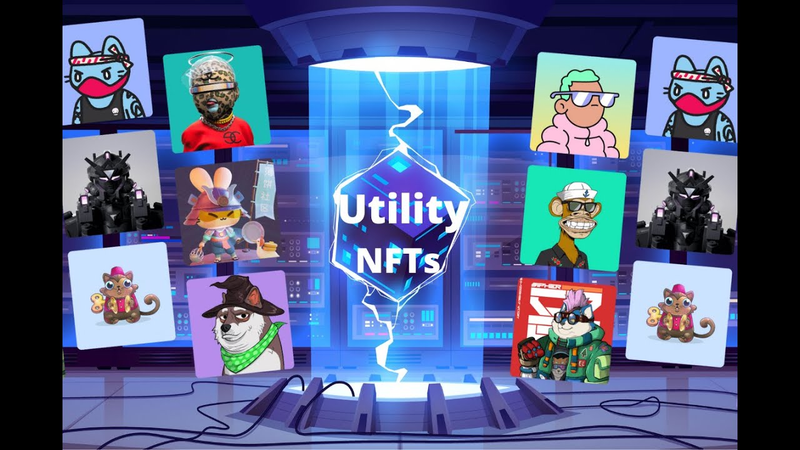
like there's so much free work being done in web 3 so much open source code available you can just use that infrastructure even though it's like fundamentally worse and wasn't made for this purpose as a sort of leapfrog cheat and not have to build anything yourself i can see some sometimes like a really operational reason like that be there hey yes i'm honestly still kind of confused on the value of um like some of these these nfts just taking the example up here oh yeah so you own these characters on on that particular blockchain which sounds like the blockchain itself is owned by a company yeah even if the blockchain survives if the game were to shut down right what where does the value come from right the fact that you own these characters but the game itself itself is gone sure sure so my argument is that the company has value um not these assets these assets actually have gone down in value dramatically i i bought these with company dollars sorry company for um
two thousand dollars i think uh i think they're worth like three hundred dollars today um these objects are lost leaders to getting more players onto a platform that can do all of this if you get players to use your app as the front end to finance especially when those players come from a world where they don't have access to banking lending trading swapping leveraging shorting you get to be the owner of all the fees they're going to pay the lifetime value of your players is huge and so the company that made this game owns those players owns the front end those players have to this unregulated financial sector and those players don't live in the usa where there's an enormous amount of regulation they live in places where you can actually get around a lot of these problems and so that's why there's a lot of value being that can be captured right when people value these
at two thousand dollars the reason was really weird so you'll have to bear with me as i do with my hands so imagine a world where there's three axes only because that's what you need to feel the team okay but we'll call those three axis one axi for the sake of my model there's one axi and this axi makes slp smooth love potions that's the currency in the game if it plays the single player campaign it gets some smooth love potions if you want to make another axi you'll need a certain amount of smooth love potions and breed your axi if i want my friend to play i need to give them smooth love potions or breed them an axi they're scarce they're a limited number the protocol sort of limits the number um so that smooth love potion right scarcity leads to an increase in value of smooth love potion now my friend doesn't want to play that badly you know maybe he'll buy it for two dollars right but someone hears wait a second you played this game for a day and made two bucks right playing that's crazy i want an axi too
but now okay two or three people want to do this the price has gone up because demand has gone up and the supply of axes is still really constrained so now there's you know three dollars for naxi some new people here three dollars a day that's 50 better 10 people want to play now because there's 10 demand spikes value of an axis spikes on the market and what happens is this crazy um funnel problem happens where these things spiked to hundreds or thousands of dollars as there was not enough supply to meet demand and because they were so expensive demand grew because people thought you could make more money with them but like a pyramid scheme eventually you reach a point where the number of axes is growing exponentially because each one you make can make more and the number of players coming in isn't growing as exponentially there's a sort of stop where we have huge amounts of inflation of axes and then the price just goes as close to zero as it can over time so they don't have value right
they have a limited value through people who miscalculate where they are in the pyramid right that's and that's very dangerous right and you want to protect players and kids from from like huge mistakes in their financial decision making um so yeah no value there value in owning the front end in the same way that facebook is like the internet for many people right where the facebook app is their like interface to the internet facebook owns those people owns their marketplace or the way we chat in china owns all the marketplaces of the people using it axi will be super app it'll be your social media network it'll be your bank etc and so this is a loss leader ponzi scheme that attracts lots of players i think that's that's the way to have the mental model does that make sense yep great hey over here uh sorry i just wanted to like clarify what you said earlier so um you're saying that the value of the these nfts or these tokens in general are basically they don't exist and the only value is to the company who
initially started and fronted the whole thing because they got the profit immediately and then it eventually all oh no yes sorry i'll clarify that so the company actually made no money off these nfts almost the these nfts when you make the slp and create the axio and sell it you get 95 of the profits for what you sold it for and the players were the ones creating them that's what created the economic flywheel and the incentive to play in the first place they just took a five percent cut of the sale sure okay so then uh my follow-up would be like so then what is uh i guess the overall purpose of adding these in the first place if it's just like artificially essentially generally generating like a small amount of income before it disseminates again and there was no point in the first place oh sorry i didn't understand the question can you repeat it again so so uh the way it sounded like was um and maybe i misunderstood was uh the value you're getting from these uh tokens that you made are like very small and then it's only given to like you know set amount of players at the beginning or
something and then slowly over time you know even these don't have value anymore so then what was the purpose of like adding this extra like a lot of effort actually to like integrating this into your game right so the reason was it was um like a multi-level marketing scheme so it's a go-to-market uh user acquisition strategy so if i tell you you can play this game and make a hundred dollars a day you will download this app and you will play it for a hundred dollars a day almost like a huge number of people or 300 a month i think that's what it was at its maximum um and so people actually weren't buying the axes it turns out because they couldn't afford them they were too expensive so these organizations called guilds went out bought the axes and then lent them to players to play for money and took a cut of that money and gave the rest to the players and the players just made money playing money that was brought in from new players coming in wanting to play but at a certain point they weren't new
players they were just new businesses like like taxi cab medallions like i'm a company that owns medallions i lend the medallions out to my drivers who go and drive for money and then i take a cut now uh those guilds ended up holding a lot of axes that dropped a lot in value especially the later ones they sort of got you know cleaned out but what happened is those guilds were like oh my god this is profitable like i buy an axi i get a player to play this game and now i make money and that player makes money and all of a sudden you have um a company that didn't have a marketing team didn't need a marketing team to acquire new players right cottage industries emerged to acquire new players for them so they went from having like 200 000 players to like five million players in the span of a month um on this kind of model so why user acquisition that's the why because the pyramid entices people to come join thinking they're going to make money in the same reason why do people join normal pyramid schemes they think
they're going to make money and in this case they did because the people who lost the money weren't the players for the most part they were these guilds i did it i hope that makes sense over here and we'll go over here um a few of the things i've been hearing over this week as the benefits of building on a blockchain are the interoperability and the ownership components um i was just wondering how you factor interoperability into your mental model thinking about these as funneling users to d5 sure that's a great question so just to clarify interoperability is this powerful concept right because this uh ledger is open right anybody can read uh what you're holding as assets right um and you know the steam marketplace is interoperable for a while you could even like gamble with your like cs go skins on like gambling websites because the api was so interoperable and powerful and so the improper really isn't novel to crypto we can have it anywhere we
want it's default in crypto so that's one thing the other thing is interoperability is also a promise that keeps getting unfulfilled so if i'm a game developer that makes money selling nfts um and now i've made that money it's strange to think there'll be another game developer who will use the nfts i made the money on right like they make them passes to their game the answer could be they want to siphon off my players right say hey if you hold this nft here's a cool perk in my in in this other game and so it can be a way to use a require say people who own this asset come come to me i'll give you a reward that might be why the other cool thing though beyond interoperability and this is a big part of defy is composability so i like to think of interoperability as um you can read
data um but composability is you can activate logic so like when you use ave to borrow maker um what you're doing is actually asking one program to activate the code in another program and when programs start not just interoperating by reading their data but using their logic across themselves you might get an explosion of value um that's and and that is what's happening in dark forest right the composability here as we like for instance in round four we made a smart contract player in our guild the player was just a piece of code it couldn't really play the game but what it could do is if you gave it a planet it would cash out its points and give the planet back and we had like 54 strangers i think like give this planet uh this the smart contract their planets it cashed out their points then kept track of how many points they each gave it um and then when it came 33rd on its own uh with the help of these
other players it could then like give that nft to them pro rata for the points they gave right so that's really powerful composability interoperability is less interesting and and also more possible whereas composability is really hard in web 2 like it's hard to use the logic of dota in another game like i don't know how you would get past the walled garden if that makes sense yeah thank you um over here yep thank you for the great talk um so it sounds like you've described this life cycle of those uh games like actually uh where uh you know everything is great at beginning more and people start joining joining and eventually it collapses right do you think that's just like forever was going to be what do you think there's a way out of this cycle great question there's a way to make your pyramid um longer so it explodes later you can tweak the economics that way it means giving up less money earlier there are ways to
look here's what it is axi was paying players to play alone in their basements that makes no sense because you're not creating value when you play alone in your basement or outside you create value when you bring new players in you create value when you twitch stream you create new value when you run an esports tournament and people pay to watch it right you create value when you build a mod and people like to play with it and if you create value web3 can capture it and redistribute it that's a powerful feature of web3 um in the case of axi by giving out value for things that weren't creating it's an unsustainable model it's like uber paying you every time you take a cab ride which doesn't make sense but uber did pay you when you brought a new user onto the platform that does make sense so as long as you can make sure that the value coming in is greater than the value going out then you can maybe guess that it's a sustainable model i think that's a fair way to think
about it thanks but just real quick but eventually you're going to run out of users right like what eventually you're going to run out of new year's yeah yeah you eventually run on your users so what you need is those users to start um paying money right like i pay 15 to dota to watch the international right dota isn't paying me it's paying the pros right so they keep getting paid money as long as new players are bringing in money you have to capture value eventually what's interesting about axi is it can start capturing value in the financial instrument side and funnel that to the game side the game could be the loss leader that you keep funding through other ways of capturing value because it's part of a rich ecosystem uh that like is boggles the mind of a normal game maker right because you're never a gamer and a game maker and a bank and then all of a sudden that's what we're expecting you to be awesome thank you so much hey my pleasure hello in terms of the con the overall con that you're describing that you know these
are games are ua to be on these blockchains and then essentially people that don't have banks have banks so the overall con about you building web3 games that i understood from your talk isn't that how technology in general is in terms of business for example facebook they provide this value to users but they want your data that's how they make their money they're not expecting you to pay and get you to make money amazon you can buy things really easily from them and it's convenient and so you use them primarily for how you consume and make your shops but they're not making money from the products you're purchasing they're gathering your data and then using that data to feed all of the side businesses that they create it just seems that it's expected that blockchains will have this secondary value which is the primary value for them by having games being well using their blockchain
right so and and so that's that's that's exactly what i'm saying okay like i think i think you you've got it so if you're just making the game part that's like just making the social media platform without any of the ads part right like um you'll ne that's unsustainable you need to have a second source of revenue otherwise there's no reason to make it on chain anyway in the first place like you should make a web 2 game and create value just through fun what's happening here is axis creating value by doing user acquisition right so it's not about data here it's about what it could eventually be about data but it's really about this huge friction barrier of getting people into web3 because once you get a web3 user they're worth so much money um so yeah i think it's expected when you think critically but people aren't thinking critically about this people really thought like you could read these articles they really thought axi had solved
universal basic income like the entire global south was just going to play video games and make a living for the rest of their lives i seriously like non-stop could hear this and i was just like this why do you believe this the laws of physics can allow for this yet like that's that's that's what i'm iterating here i guess yeah i think axi is one of the examples in the space and you know i think there is a difference when you have game designers who are experienced in building game economies that they could find a way to make it where the financial play of it is just another aspect of fun and not i don't think everyone believed that play to earn is just a thing and you can live off making games i think there's a percentage that believe that i don't know do you think that everyone just expected to during the hype phase it was pretty intense and then it went from play to earn to play and earn and like people are on you know changing the message as they learn it and figure out what works but yeah like there are games where the economy is the fun
for sure like eve online yeah exactly yeah i was thinking that yeah and and there's a great book by the way uh called virtual economies by vili ledon virta uh it's so good and he talks about this right and that often game game makers are going to give a little bit of currency to their players just so they can see the economic engine that's there and how enticing it is so certainly there are blockchain games doing that and as long as the loop is closed and there's no value bleeding out like that can keep happening but what's happening is these blockchain games because they're on chain and they're interoperable and composable with all of d5 the tokens in that game are sellable and if people are selling tokens um that means someone else is buying and if they're buying because they want to make more money in the way that like i buy milkshakes from the milkshake person above me in the pyramid so i can sell more milkshakes the people below me like that will collapse and so yes there's definitely a way to make a more sustainable economy um and hopefully we'll see them soon um but when you do their those sustainable
economies are less viral right so they yeah so they don't satisfy that purpose of lost leader for user acquisition thank you thank you so much for your questions i i asked if blockchain games could be a good solution to have people play pvp for for money basically so let's suppose clash royale you go in and you bet one dollar before the match and the winner takes you know 1.9 dollars yeah that is a good use case um because the game isn't unchained um the the thing is that's um gambling uh so there's a lot of laws you got to worry about um even if it's like an entirely skill-based game there are probably laws you have to worry about also um there's kyc problems so you're not used to it but like you don't want to fund terrorism through this channel of moving money so you become like a virtual asset service provider or a money service business so like
it is doable um it's just you have to figure out what you're gaining over just a dollar right like why not just put a dollar in the account move the dollar over and if what you think you're gaining is regulatory arbitrage the answer is probably no you're probably not gaining much because you're exposing yourself um so to to to regulatory scrutiny right because i was thinking of building that uh in our pvp game adding the ability to play entering a room with tokens then the winner takes like ninety percent of the tokens the other ten percent goes to fund esports tournaments and also the debt team and the expenses but you say it's going to be a regulatory problem yeah i would say you're gonna have a lot of regulatory problems uh skills what skills is basically doing the cash-based tournaments um yeah look i mean i'm not your lawyer i can't i can't tell you but i i'd be worried i would just like it raises red i think it's cool bit cool to explore it
i think it might be more efficient um especially if you want that gambling to use in-game tokens that are usable in your own economy and a more smooth thing but particularly more efficient if that's going to be your way of onboarding users to financializing them if on top of letting them gamble you also let them swap assets and then take fees on that make more money that way okay yeah thank you okay that's all we got for today everybody thank you so much for the for attending we appreciate it [Music]
Auto-generated captions from YouTube — names and numbers may be misheard.
Key insights
6 takeaways · ~2 min read- 01Web3 games often function as loss leaders for unregulated financial services, where the primary goal is to capture the lifetime value of players through banking, lending, and trading fees rather than game revenue.
- 02Many play-to-earn models, such as Axie Infinity, operate as pyramid schemes where the sustainability of the economy relies on a constant influx of new players to fund the earnings of existing ones.
- 03Blockchain integration in gaming is often technically inefficient compared to centralized databases, offering little value to major publishers unless the intent is to facilitate financialization or bypass traditional regulatory barriers.
- 04NFTs serve as social coordination and signaling tools that allow developers to build community loyalty and raise capital without relying on traditional venture capital structures.
- 05Unlike traditional games that exploit user-generated content for the benefit of developers, decentralized game protocols like Dark Forest allow for the redistribution of proceeds directly back to the players who contribute to the game's development.
- 06The 'composability' of blockchain assets—the ability for game logic and items to be used across different platforms—remains a significant technical challenge that is currently difficult to achieve within the walled gardens of Web2 gaming.
Ask AI about this video
Cite this video
Citation
Generating citation…
















Comments