VideoDeconstructor of Fun
What Makes an Investable Founding Team with Maria Kochmola & Dara Leung & Phylicia Koh
15 Mar 202442 min video
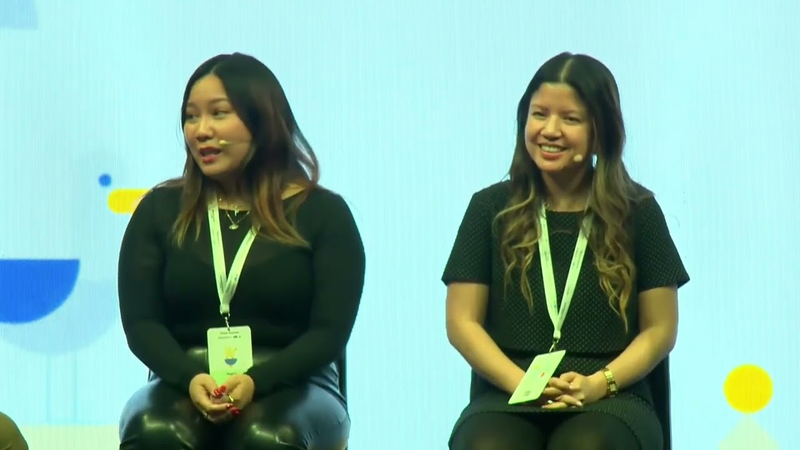
[Music] [Applause] [Music] [Applause] [Music] all right okay so we are on I'll do a little bit of a reintroduction so Felicia Cole no I like it better how Laura said it Fel we so Felicia Cole from play Ventures an early investment fund uh focusing on games and a little bit more than that yes that's right gaming game studios uh tooling Tech infrastructure and everybody's hate at word which is gamification but and a little bit of a web 3 as well yes that too although we
won't talk about it here I think okay so Felicia is a partner we have Dar long from RE sorry rain group it's been a long day it's been a very long day now I making mistakes so rain group uh an investment fund for growth investment fund um and you're so it's a many things rain's a merchant bank we do both m&a advisory and growth fund investing we have $4.5 billion dollars under management and we're entirely focused on the entertainment sector so a big vertical for us is gaming but we also do Sports film and TV and music as well yeah thank you thank you so much for that and Maria kachala so you are for from uh the games fund and also an early stage fund for games as as the name would uh would suggest and your focus is perhaps a little bit more in Eastern Europe and Middle East yeah exactly so we are focusing on early stages and we believe that we have um a unique access to the European markets
and Cyprus so this is our key regions although we invest globally uh and mostly we are focusing on content so we have a small um allocation for infrastructure and tools but our key interest is on uh games and Studio developers perfect you're also a partner and a co-founder of the fund correct yeah so how many in the audience are have raised are or are raising currently from the uh VCS surprisingly a little okay interesting so we're going to go through a bunch of different questions and if they're not shown here I need to go to my phone do you want to get your phone out first there's so many questions that I have to look at my phone so apologies for holding a phone in my can so I think the uh the first first question is what is the difference between an early stage fund like play and the games fund as well and and a larger growth fund so perhaps we start with yeah sure so so so
play specifically invests in what we call in VC speak is preed to series a so preed just very simply is pre-product pre-revenue often times maybe you just have a pitch deck an idea a couple of your friends and you don't even have a company bank account like that's what I'm talking about when I'm talking about preed and you you probably remember those days sound a bit familiar um cstage you know you might have raised a little bit of Angel funding you've built a little bit of a prototype you have more metric but you know you're not generating serious Revenue yet and then series a is when you kind of would probably have a little bit further down start to generate some meaningful Revenue um that's the span that we we invest in and then I think after that that's more daras so at rain we have two separate strategies that invest in gaming one is a gaming specific fund we write checks 10 to5 million and for that it is post revenue and post metrics uh but it's typically right after the rounds that the game fund and play does
so we speak all the time and try to stay in touch and understand each other's portfolios really well so that when the companies graduate from play or from the games fund we're ready to intercept them so the earlier we get to know a company the better it is for our games fund to invest the next stage is our growth fund uh which is our principal strategy that's where we spend most of our time we're on the fourth fund and that rights checks from 50 to 100 million um so that's typically series C Series d uh valuations can range from 500 million to a billion we used to think that that would be the last stage of investing prior to an ultimate exit either an IPO um or a sale to another strategic what we've learned obviously is that our most successful Investments even though the initial check size from us is 50 to 100 million they end up raising subsequent rounds and those end up being our most successful companies so the next stage from R fund typically is like a buyout type growth investment from KKR Apollo
those that have full buyout strategies but also have um a growth arm within them to help the companies continue growing and I would say for all the companies at that growth relater stage it's either close to profitability or post- profitability and the biggest most important thing for us is that there's clear product Market fit and with that 50 million to $100 million of primary Capital it could really dramatically accelerate growth and oftentimes what we see as well is because the companies will be investing so dramatically when they receive that size of check sometimes the profitability dips so it's not uncommon even though it's extremely painful for us to present our IC like a company that's like break even profitable and then as soon as we invest the profitability dips because they're accelerating uh their growth engine um but that's ultimately what kind of drives to uh greater and greater outcome so I would say that's the difference principally between uh early stage and growth so Maria talking about like the first stages so the early stage when
you're getting your preed or seed check at that point you may have product Market fit but most likely you have a hunch of a product Market fit and the team is much more important aspect when doing that evaluation correct so how do you evaluate a team well I think that uh you know experienced teams and uh bigname teams uh are an easy target and uh most of the investors they are kind of hunting for these type of opportunities and um personally I can understand why proven track record matters uh but at the same time I think recently the most interesting ideas we received came from uh less experienced Founders uh so I'm not sure um of the necessity of such pedigree for the founders and in the games fund we're trying to stay open to probably less experienced uh but still outstandingly talented Founders um and um for us preferably there should be mixed of experience devel Vel opers and young blood and I
also think that um we believe in Balance teams for example there should be a mixture of different skills in the founding team from creative to Tech and marketing you were talking about mobile Alicia yeah I mean I think I I generally agree with uh Maria I think when it comes to I guess more established genres or platforms like you want to see that experience that domain experties that Laura was talking about but if it's like something totally new where honestly we are all equally uninformed you know sometimes folks with less experience just have like fresh insights or a very native understanding of the audience of that platform and they can do really well even though they they've never built a game before they they have just kind of more I guess hustle when it comes to go to market and how they're thinking about it because the playbooks don't exist so there's there's really no advantage that you know a more experienced team will necessarily have and would you agree with the same thing of like initially it was a lot of a big name but now you're more VAR or I mean we've like at play I
don't think we've ever really been big logo Hunters because I mean I I I love ride games but you know just because you've worked there for 10 years on an established title does not necessarily mean there's a lot of transferable skills there so I mean that experience doesn't help and I can understand why some investors index on that I don't think that's what we necessarily look for but I think in this market you know fundraising is tough it's tougher than it's ever been and VC's experienced that it trickles down all the way so I think what we for people who really can show that they are great fundraisers and and as an early stage fund like we would love to support you until Series E but we just can't our Fun Size can't support that so we need to be kind of more confident that hey you know if if we give this guy the ammo or this girl the ammo or they them sorry um that they you know they'll be able to run with it they'll be able to go out and fundraise and they'll be able to charm the socks off out of anyone Dar and teams when when they cross that line and when they get on your table like like how like
what do you look in a team cuz it's totally different so it's interesting I was debating this in my head as I was hearing both you guys speak I think we've had equal success to be honest with first-time Founders and like very experienced people that come from big companies and I'm just thinking of two like our two most successful Investments on the grow side one is DraftKings in the US which is a sports betting platform Jason Robbins was like I can't even remember what he did but it was not sports betting because that market didn't exist anywhere in the US um but he had like a ton of conviction and hustle to get it done on the other hand our other most successful investment is this company called Moon bug out in the UK and it was founded by a gentleman named Renee reckman who was a senior senior executive at Disney and actually wanted to build that company within Disney but he was literally told by Iger if you can go find funding go build it yourself maybe one day we'll buy you back and it's just proven to be very successful so I think for us what makes uh the founding team work work for our investment thesis is one a really strong
understanding of like how the market looks and then within that what is your unfair competitive advantage that you have as a team or as a Founder that fits right into how this Market's working and why no one else can compete where you are I think that's probably where we look for the greatest differentiation got it and you look probably more past the founding team and more at the whole organization because at that point they have a product Market fit they are SC scaling they have all like you look at the holistic company at that point right we're definitely looking at the holistic company and that's a great Point mea because as part of our diligence I think the first call is always with the founding team but before we can even really get to um final docs we have met the majority of the leadership team so that's across every single function coo HR incredibly important Tech analytics marketing product we are looking for a very strong bench that can kind of
support that CEO to your point Felicia fundraising is going to continue being important or exiting and sales is going to be incredibly important and that ultimately is what the CEO is going to be focused on near the end um of our investment Horizon as well so to know that there is a strong bench underneath that can continue scaling a team is incredibly important for us okay so you're at the situation like let's say I'm at the situ well not on me somebody's at the situation where they have a founding team we discussed it's a diverse team great talents this and that the the seed preed is there how do I make a pitch like what is a good pitch because like I remember from my own time it's like okay now I have the idea I have the people and now I have to put it into a presentable form and then you get these ideas in your head of like I need to wow the investors and especially through a video call like like how do you how do you get from I have an idea and like what what is the pitch what's a good pitch like if you can even walk through some of the good pictures that you've seen and and and
heard uh well honestly I think like peaching is an art and uh people from different backgrounds from uh different countries they have their own style of peaching for example people from the US they have completely different style We compare people from Eastern Europe let's say um but like the overall rule is that uh you need to provide a clear communication of your vision so what exactly you're building uh why you're building this product and why investors should invest right so there should be a clear narrative that leads the investor to the idea why they need to invest in this company um well I would I would suggest that you don't need to focus especially during the first call too much on lore and characters so try to focus on business side and product side uh be aware of the timing so let's say if you have one hour of call so it's better to have 30 minutes of pitching and the rest will go for the uh Q&A session from the investor um there are some also adice like let's say if you have
co-founders uh and you decided to bring them to the call so make sure that they also talk to the on the call otherwise it looks weird and uh sometimes we also saw the stations when founders brought their existing investors and um so don't do it uh because like you know we invest in Founders and we expect them to lead the process otherwise it's look like um kind of they brought parents to the first date yeah I was almost saying like bring my mother in like invested a lot in this course and of course if it's a virtual call so try to invest in a good setup so you need to have a good sound good camera good light so it's really important uh and of course post impression is also important so even uh in case you got a know try not to be aggressive or like back for reconsideration um of course still you can turn it into the yes yeah yeah so uh as an investor you probably get count probably I know you get countless of P all the time when when the call starts
like there's a there's a question mark do you pitch at the call or do you just answer the questions because you would assume that an investor has read it and now we're just going to talk about the stuff like which one is it well I think it depends like I think at play we make an effort to to look at the materials you s we'll probably ask you for your deck you know just so that we can spend like let's say half an hour actually having a conversation but I know sometimes investors don't do that so what I would suggest is like ready for that eventuality like have something that's like eight slides long you know maximum you can run through your pitch with them five to 10 minutes right don't don't take the whole half an hour so that way you're they're caught up and you can spend the next amount of time kind of going through any questions you know we I think we prefer to have a fluid conversation rather than have you show us slides because we you look we can read um or at least I hope that most of them can read um so yeah that's what I would say I I would also say that even though so you know one thing that we're
seeing even though technically at a preed and seat stage you're supposed to be pre-product but I think one thing we're seeing more and more is that companies or teams will come to you even with some sort of metrics and I'm not saying that we have to have metrics to invest but I'm saying that that's a trend that we're seeing so obviously if I'm a preed investor between choosing between a company that has something shows me that they can build something and they know what you know how to interpret the metrics or there's something there that's going to give you a leg up compared to something else that just totally doesn't have anything how important is I just wanted to one more question is like how important it is to have a growth strategy at preed or seed now um like in in current environment or like how do you look into that because I'm sure there's ton of culture decks yes and product decks but what about growth we do I mean we do ask that question like we're early stage investors we know that look this is just like ideas and hypothesis and the the key thing that we want to see is that this is not an afterthought because
we're just not in that environment anymore so it has to be a a key part of uh the pillar that when you think about business building it's not just about product right it's like your go to market user everything has to come together so what we want to see is that there's somebody that owns that piece and that is really on it and that they're not operating on a Playbook that was like true three years ago but then it's like you know we can't use any of this now so we want to see that there's been thought um at the very least you've thought about it you have ideas yes you're going to test it out and some of them are going to go into the trash bin and that's okay but at least you're thinking about it and that I guess gives the investor confidence that this is a team that has really thought about how to grow a business in this environment and dar in your case like the pitch decks are probably less but they're much more thorough that's right I think just given the growth stage and where we expect the companies to be when they are pitching there's a few basic questions that the entrepreneur or the founding team should just keep in mind when speaking to a growth stage investor
because the reality is the investor that you're speaking to is going to report back to a committee or another team and there's basic questions that you'll have to answer so very simply it's going to be where your financials are from an annual LTM in a run rate basis what your users look like from a da ma basis where your last round of funding was done how much cash you have in the balance sheet what's your burn rate if you're burning what's your profitability if you're profitable and you know what does the board composition look like and for this next round what do you expect for board seat governance rights preference I think these are just the basic things that a growth stage investor needs to report back to the IC and and then from that point on it's going to be you know thematic and whether or not the vision kind of aligns with the hypotheses the growth fund has but without those building blocks inevitably you're going to be asked those questions and regardless of kind of whether or not those metrics look optimistic or
pessimistic they're going to find out anyway so it's just great to get it out in front and then once you have those answers and you're like writing them out and you're preparing your pitch there's going to be certain points that might look weak but you can explain them away so for example if your cash profile doesn't look as good as you want it to be that can simply be because the last three months you saw a ton of opportunities so you're like accelerating growth it's not because you're bad at cash management whatever it is I think once you're pitching at the growth stage just keep in mind that's what the investors are looking for and then once you have those answers kind of clearly in your head make sure that you're reorienting uh your followon responses to um anything that might bring questions just have a response for those got it and Maria do you think that uh as a as an founder whether you're in a in early seed stages or you're pitching for growth funds should the founder be changing up their deck depending on the investor uh well good question uh um honestly probably it's a good idea but
um I don't think it's doable you know like a Founder has um like dozens if not hundreds of peaches and just to customize each of the peach to a specific investor I think it's too much work and it doesn't worth it of course if there is like one specific investor and you want to customize a specific investment thesis to this investor it's okay uh but it's an exception and definitely do not try to customize terms to different investors so don't offer them different valuations and these type of things sometimes it happens uh because you know investors talk to each other and uh like eventually they will know it and uh offering different terms uh wouldn't play well yeah I I going to piig it back on that you said investors know each other and talk to each other so how do you get fomo Phil that's a good question how do you get fomo yeah and that's
that's what Founders are trying to do they're trying to create a fomo so at as many investors as possible at the same time thinking about investing and through that the valuation goes up yeah look I I like to to Maria's point like I don't think you want to start offering different terms that we will that we will definitely find out I think when we talk to each other uh we will talk to each other generally about the deal like how do you think about it you know but we're not going to start any like hey let me open up my my whole memo and and share that with you so um you know I think the best way to generate for is just to get any as many people in the race as possible to be your lead investor right because then we know look and and at best there's like two leads yeah not everybody can be a lead so so then that's where you want to generate fomo and then the rest of it like you know maybe you get more of your full on investors in and that's a great thing your round is done and congratulations how about in the growth stage because there the fomo is not anymore about talking now you have to be
showing some numbers yeah I it's it's a great question and it's inevitable like investors really feed on it as much as we're trying to avoid it and I I would like to say that you know we don't act based on fomo but the reality is there is that kind of social pressure or internal pressure that if you had an opportunity to look at an investment and you really liked it and then to think six months down the line you don't you aren't the one that gets it it's a very painful thought so how you drive that as a founder or a founding team though has to be very organic because I think the thing that you want to avoid which I think is one of the questions you had later on mot which is like what not to do the thing you want to avoid though is appearing arrogant like the last thing a founding team wants to see from an investor is you know we have so many options and we can invest in anyone like we don't really need to be talking to you the last thing the investor wants to feel too is that there's no appreciation for the fact that this is a pretty big exchange of capital and a pretty big check that we're administering to the
team so that if you we get the sense that you can get it from anyone it makes it less attractive for two reasons one because we know we'll be in a competitive process and then two because we don't feel like we can be part of that value ad and that isn't going to be an area at least where we'd feel comfortable investing so the the reality is if you have a lot of lead opportunities for yourselves you're going to feel that constraint on time which is the things that you would say to myself as someone who's um you're pitching to is you know like these are the dates that we can pitch you know this is the set of information we've provided everyone else you know we can do bespoke data polls but it might take a while like that's all very real and we can feel that um and there will be great examples too like suddenly a fting team will like be in London for a week so then we kind of know which of our competitors they're pitching to um I don't think you can easily fabricate
that stuff if you can it's great but then it's also very easy um to identify if there isn't um a lot of competition for the round and now we're talking more from the fa from the perspective of a Founder trying to get money but there's also the other side where the investors are trying to win the case because when you meet the other type of a team there's going to be several funds that want to leave and several funds that want to follow up so my question is is how do you win a deal from a VC point of view yes from your point of view um that's a good question I think you know lots of VCS will tell you when you meet them like hey you know we value that a lot we're Super Value at and I think how VC's win that deal is to really show you know that they can walk the talk and you know make introductions be helpful to you even when you are in that fundraising process and you don't have anything signed with them and if you see that they can deliver on that value which they're claiming I think that's a really good sign and that's one way we think about it um in terms of being supportive of the portfolio
companies um you know I think they would be you see it in them just being super responsive because they know that you know the more responsive I am like the better it is you know the likelihood that I am going to win this deal um I'm going to try and make my IC schedules changed so that I know that I know that you're waiting for a term sheet and you're going to get it on maybe Thursday Friday so I got to get my IC in on like Monday I'm going to shift it just to kind of you know make sure I can get back to you as soon as possible I see is investment committee sorry about that yeah I can oh yeah yeah I can also add like former is big uh thing for me and it makes uh my work so much stressful uh and uh you know it's like with a casino so you need to set a certain threshold uh you should not go above otherwise the deal doesn't make sense uh but of course like how you win you need to uh try to charm the founders and want them to work with you uh but at the same time for example if I know who are the other beers and these are
friendly kind of funds whom we usually Co invest and we can call it so it's totally fine and I would rather go friendly and try to make a combo deal together with funds for us what I've seen that we do is if we know it's extraordinarily competitive we actually will move on valuation and we'll try to be creative with certain structures to make it work for the previous investors and the founders as well so whether or not that looks like primary plus secondary but the secondary is at a significant discount so you can blend down the valuation but you might give some early employees Founders or investors um a path to liquidity that's one second is warrant structures so initially the investment looks like the valuation with XYZ and the primary capital in was XYZ you know a year or two years from now that we can blend down our entry valuation or through right so if evaluation and typically that ends up being uh one of the biggest factors for growth around Investments and it it's
very competitive um a focus for us we can actually move I would say from a starting position and and we're ready to do so I think the other thing and the reality is when I think through all of our investments and the ones that are very competitive it's typically it's a very long-dated relationship we've known the founders for over 10 years we've worked with them in the past so hopefully that speaks volumes to Felicia and Maria's point of you know adding value we've done it already consistently throughout before our investment even um and we'll obviously continue doing it uh after yeah and from the founders perspective you have to say that there are a lot of soft skills that come to play when talking to VCS and there are certain like people you click and there are certain people who definitely don't click and that plays a big role because as a Founder you're looking to these people as your partners as somebody who's going to be on your board at somebody you have to work with and somebody who you have to take critical feedback from so all that type of a uh whether it's you know promptly responding but also having a a thorough
conversation about the business and if the if the VC is expanding your view you'll be like oh that's a great partner so uh so there's a the soft scales are quite important in the VC land as well yeah um I I got last ones and then uh it would be great to ask from the audience if they if they want to participate on something so I have certain phrases that VC say and I want to know um what they really mean because um I've know I've learned what they mean but I didn't know and I know that a lot of people still don't know what these mean so um Felicia I'm going to start with you so I get a I get a reply uh you're a little bit too early with this fund raise oh what does that mean should I come in later I'll let I'll let Dar answer what that means for a growth stage investor I think for an early stage investor it's it's unlikely that we're just going to put it at there and say you're too early if if an early stage investor tells you that then that probably means they just not interested so don't bother but if
it's coming from Play I think what we will probably tell you like you're too early because there's something that's missing so things like for example you've got a bunch of business leads on your team nobody that can actually code so that's that's a problem for us I'm not saying for other funds but just for us um or that like we like you but you're missing something like because we talk about that complete founding team right or we like you but just not this Bas like but you know think about it and come back to us again so so it's not so much you're too early but it's more like you're missing something um yeah I'll I'll let D series a and forward if you're too early what does that mean so that that is a clear no and I would say don't even try to come back until that investor has raised its next fund and you've shown that three to four year progress I think the reality is I was thinking more about the question last night after we rehearsed it and for ourselves like if it's actually too early but we really really like the founder we really like where it's going we'll stretch we'll figure out a way to
like move ahead move earlier go lower on our check size and we'll still invest so when we default to the phrase too early it just really simply means no and no for quite a while um from our funds perspective well I'm not that negative I think that it can me it can mean different things right and I think that there are some investors for whom this is indeed too early but of course for some investors it means that they have some concerns and they don't want to say it explicitly they reason and of course like the investment decision depends on hundreds of criterias and sometimes it's just much simp simpler for them to use this wording it's too early rather than to explicitly say all the reasons why they decided not to invest and again for us so we invest very early preed and Seed stages and for us it doesn't make sense to use this uh wording uh and even on the website we have this um uh never too early narrative uh but at the same time we also have our kind of risk profile uh
and sometimes we see that um the risks that we highlighted are higher than the potential so we can also suggest like come later uh probably something will change down the road so probably the team will be strengthened or some metrics will appear or you will pivot to another product yeah okay got it so in plain English it's if an early stage fund tells you too early they probably you have to bolster your team if a late stage fund tells you too early you should delete their number from your phone and not call them again no not delete them you can go back to them in three years maybe maybe maybe uh how about this phrase so this has this is something that that came up to me when when talking to um to some of the founders like they would ask my advice and they're like hey um so there's a lot of interest I just need to find a lead because there's like a lot of a lot of these funds are are you know interesting to follow but they just tell me to come back when I have a lead so um Mar if we start with you like what does that mean okay uh again so usually we don't say it
because we prefer to lead uh but uh I think it can mean different things so there are funds who do not lead and we know these funds like one up for example uh but I think for some investors it may mean that um kind of they have some concerns and that they're not sure and they need some Market validation for the idea and especially true if they don't have enough expertise in this particular area yeah okay political answer Dar let's I think for us if we actually hear that it would be somewhat positive if we can lead and that that's because we our fund mandate is to lead so especially in the growth uh fund side 50 to $150 million checks we want to be underwriting the valuation we want to have a board seat we want to have governance we want to set the rights and we want we actually want to do the diligence and then and then pay for all of it and then if there's room we absolutely would take on those um other investors especially if is like some sort of strategic angle that they could
bring so you mentioned oneup Ventures there's other funds that you know are comprised of exf Founders and X entrepreneurs and we would love to have them in or they individual VCS that are uh investing almost as an angel capacity so for us that is super interesting but the reality is I don't think you would hear us say something like that because we wouldn't default to that as an excuse because we just wouldn't be able to uh follow on if there's another lead investor so even if if a funer comes back and say I found the lead yeah then you would come up with another excuse it's too early it be too early we too early all right so find a lead what does that mean uh find a lead means like maybe just in your Rolodex deprioritize them for for the purpose of Founders who have limited time energy right and and also money um you want to focus on finding the lead because the lead will pull in the follow on on investors and they'll set the terms um it's very unlikely typically
that a follow on investor pool will convince a lead investor to invest when they had already been thinking not to invest right there are some good signals like you know you have amazing gaming Angels you have some really high quality uh followon investor signals there that might make uh investor more inclined to look at the deal again and just kind of look at it in Greater detail but it's it's very unlikely that you know like a follow on uh pool of investors will just suddenly say oh my God please take my money um but yeah I think uh I think for for some funds definitely like there are follow on investors like oneup who are who are great and if you mentioned that yeah you know oneup set they'll follow on nobody's going to think it's weird because we all know that yeah oneup only does follow on checks that's fine and and the reason for these sort of a soft nose is because in the end this is a very unexpected business and sometimes uh I think it happen that is totally against your hypothesis and your conviction and you want to say oh wow
well these look kind of great so welc come back and and that's why you don't want to be definitive and also that founder can start a new company and they can pivot and something can happen later on where they come back and you still leave the door a little bit open and that leads to my last question how do you open up that door how do you win the KN now to here's the term sheet um yeah so I think it's a good question and in our portfolio we do have some such companies at least two that uh turn a no into the into yes um and uh just the general rule so uh when you get a no uh don't get aggressive uh so it's not the exam right uh the investment pit and just keep updating investors send them uh your progress reports uh updated builds short uh short yeah not so often right so not on a weekly basis otherwise it will seem like spam and some at some point investor will block you or just put in the spum folder probably I think
quarterly updates are good uh yeah and eventually investor can decide that it's a good opportunity for them completely agree regular follow-ups quarterly perfect Cadence if you feel comfortable enough and you have a strong enough relationship with the investor feel free to make asks I think investors love to feel helpful so if for example you see that there's this portfolio in the investor um fund you know can I get an introduction because I think I can sell into them investors would love to make that happen because it could be a two-way street similarly even the other way around you know like if your friend's raising a if your friend's fundraising and you want to introduce that interpersonal dialogue that's how you start shifting it from like a pure transactional like please invest in my company to a more personal relationship and that will pay dividends um over time and I'm just thinking of a few companies in your portfolio Felicia that have regularly followed up with us and like we're getting there like we talk about it every IC and you know they're not sending you weekly updates so they're
very very good or essays or essays yeah don't don't write a essay rebutting every point because that's actually not helpful I think the main point is like if we've given you specific feedback and if you think that is actually something that's helpful or valuable or actionable and take that on board don't be defensive um keep the door open for yourself as well and then you know when you come back to us with updates it's like hey you know that was really great feedback I've actually taken steps to address that right I filt this Gap I've made some changes so that my cap table doesn't look so problematic anymore um that's great for us because it shows us that hey this guy is open to feedback this or this girl or this they them are open to feedback and that they you know they're people that we feel like we can work with in like over a multi-year horizon like we're not not every every point of feedback is going to be an argument yeah and that happened in my situation as well a found said not now and I was like not because a co-founder we need a somebody who's strong at this
to believe in it and then uh maybe a couple of months later how about this and they were like yeah and that's it yeah and so uh so yeah those things actually happen in my own experience so are there any questions that you would like to ask now or once people please just y I'll repeat it my name is my question is I know the answer but I I'm curious about what you think about the question answer so one do you think is the unfair advantage of Turkish ecos the unfair advant unfair unfair advantage of a Turkish ecosystem that's a great question um I think that your unfair advantage and I've seen this I think in a number of Turkish teams is that you guys just keep going um you know and you're not like we've seen it in other ecosystems sometimes it's like
somebody tries to fundraise and it's like oh no okay and then that's done and then you meet them one year later and they're you're like what happened and they're like oh yeah no it just it's I nothing basically and I come here and then it's like one year later and you meet somebody and they're like and they're telling you you know they've done this and they've tried that and I think it's that willingness to experiment especially in this kind of a a climate an ecosystem um the willingness to try new things is definitely an unfair Advantage um and a lot of people don't do that and honestly in this environment I think if you don't do that you will die so I think what I've seen is that is an extremely extremely aggressive entrepreneurial environment and it's from my perspective very risk-loving which is fantastic I mean the and then you guys also have a history of exit so I think Peak and Graham give you guys sorry I think Peak and Graham gave you guys the examples of what is possible and then companies like dream and how absolutely aggressive they were with their spend and their building
of the org and their vision is unlike anything we have seen in the past five six years so it's unbelievable and even just in this week of visiting um Istanbul got the chance to meet with cway and like what they're building is no one else is building anything like that besides maybe bending spoons in Italy so for all of that to come from this city where not actually a lot of investors travel to is is quite unbelievable the fact that Google is investing so heavily into this ecosystem is also fantastic so the opportunity is phenomenal um for IST and I think it actually when we at least for me when I hear that a Founder is from istan or building their company is it's definitely a positive so it's something that everyone here who's a Founder in isol should lean into yeah I think that there are several reasons um one of them is that like Dar mentioned so there is already an existing ecosystem so there are many big companies and uh there are lots of uh talent in the region and uh
kind of many teams in these big companies they're ready to split off and to launch their own startups and they have this experience uh and of course many people they just encouraged by the success of these big companies so they want they also want to kind of build a multi-million uh games uh and uh another reason is that um uh like the economical system in the country probably on the personal level it's not the best thing but at the same time I know that you have like high inflation and many people they tend to develop to build uh kind of international businesses that have international source of Revenue um and uh kind of games probably one of the best type of businesses for these purposes and the FD reason is I know that um the Turkish government is kind of supporting many gaming companies so there is a special incentive on uh user acquisition so there is a big payback um kind of amount uh yeah so I think this all contributes
to the uh kind of industry growth I'll add one more thing that so I agree hungry uh very smart but one thing that's working with Turkish Founders many of them are very humble at the same time and these I'm talking about humble people who are very successful are still very humble they always are very eager to hear any kind of feedback what am I not seeing what am I not getting despite like getting straight A's with everything is like what what do I don't know and I think that is a quite unique characteristic yeah it's a great one I any other questions or all right I think that was a great question thank you so much thank [Applause] you
Auto-generated captions from YouTube — names and numbers may be misheard.
Successful venture capital investment in the gaming industry hinges on a founder’s ability to balance visionary product development with disciplined business execution. At the pre-seed and seed stages, investors prioritize team composition, market conviction, and the capacity to articulate a clear competitive advantage. As companies transition to growth-stage funding, the focus shifts toward proven product-market fit, robust board governance, and concrete financial metrics, including burn rates and last-twelve-month performance. Regardless of the company's maturity, the ability to communicate effectively and lead a fluid, interactive pitch is considered as critical to success as the underlying product itself.
Founders must navigate the fundraising process with transparency and professional rigor. Fabricating competition or providing inconsistent terms is counterproductive, as the venture capital community maintains strong internal communication networks. Instead, building organic momentum and fostering genuine rapport are the most effective strategies for securing capital. When faced with soft rejections, such as requests to find a lead investor or return at a later date, founders should prioritize securing a primary partner who can set terms while maintaining long-term relationships through concise, quarterly progress updates that demonstrate coachability and consistent execution.
The global gaming landscape features diverse hubs of innovation, with the Turkish ecosystem serving as a notable example of resilience and high-level technical talent. This region benefits from a unique combination of government-backed user acquisition incentives, a strategic focus on international revenue, and a cultural emphasis on aggressive experimentation. By leveraging these regional strengths alongside a disciplined approach to fundraising and operational transparency, founders can better position themselves to attract investment in a competitive and evolving market environment.

Deconstructor of Fun · 2026

Deconstructor of Fun · 2026

Deconstructor of Fun · 2026

Deconstructor of Fun · 2026

Deconstructor of Fun · 2026

Deconstructor of Fun · 2026

Deconstructor of Fun · 2026

Deconstructor of Fun · 2026

Deconstructor of Fun · 2026

Deconstructor of Fun · 2026

Deconstructor of Fun · 2026

Deconstructor of Fun · 2026

The Game Business · 2026

The Game Business · 2026

The Game Business · 2025

Deconstructor of Fun · 2025
Deconstructor of Fun · 2025
Deconstructor of Fun · 2025

Deconstructor of Fun · 2025
Deconstructor of Fun · 2024

Deconstructor of Fun · 2024

Deconstructor of Fun · 2024
Deconstructor of Fun · 2024
Deconstructor of Fun · 2023
Comments