VideoDeconstructor of Fun
The Surprising Truth About Gaming Startups in Pakistan!
14 Jul 202565 min video

Transcript
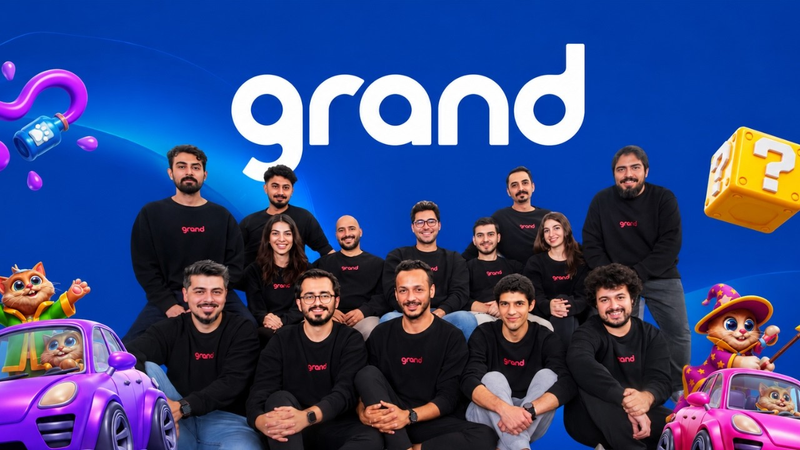
[Music] Sad Hamid, CEO and founder of Game District. I'm so glad to have you on the podcast. Finally.
Finally. Thank you so much, Misha. I am I'm being very very honored to like you know come on this uh podcast. Um this is one of the podcasts we have been listening from a very very long time and like you know like know there were founders coming from around the world and we just thought like you know okay this is this is amazing and like you know I I can't like you know um I'm not able to tell you that you know how how good I'm feeling right now and wanted to tell you the story about game district in Pakistan because I podcast during couple of like you know last years is about the ecosystem around the world and telling the stories about the founders and also telling the right stories about the ecosystem.
So really excited.
I'm I'm honored like we've met in Abu Dhabi and you know I know a little bit about Lahore sorry Lahore you're in
Lahore I know a little about but game district and can you just tell more people about game district because you have like 15 studios right
so I I think I think I wanted to like you know uh tell a really really small and easy story for game district. So one of the funny thing is that you know when we developed game district our idea was to like you know uh develop districts so different district and then at that time I didn't know about the story of supercell so it's kind of like you know the super cell and the game district has the same kind of like you know u metaphor so this districts is cells so where like you know teams are actually like you know doing their like you know games independently and they have like you know full like you know uh like you know authority of like you know developing games and everything but the difference is like you know the fin Finland has like you know really really developed like you know culture and develop like you know mindset of developing games on the other side Pakistan has this like you know hit and
trial method to grow so that's why like you know other than that like you know the full anatomy of autonomously growing uh like you know strategy of supercell to developing games we have like you know do some controls And these controls is only because like you know founders they or or or the teams don't do mistakes. And this this is the philosophy why we have it because like you know it's a bootstrap company we have never raised any capital. So we need to like you know wash over feeds like you know what's going here and what's going there. So our strategy is simple. Um during this uh like you know period we have like you know really top teams and then like you know which we call it like you know scale team which are right now in the phase of scaling. Then we have a team which is like you know still like you know learning how to scale. There are couple of like you know problems either it's like on the scaling side on the execution side or on the innovation side. Then on the third tier the mostly of our teams are actually a part of uh incubation process where they
actually understand how the game district game industry works what is the like you know key KPIs of game district and everything and how this layer actually works. So you get into the incubation get into the mid zone and then like you know you go into the scaling teams and then like you know um the world is yours. So that's the strategy game district has been doing. It's the the funnier part is um and the very interesting part is whenever like you know I'm just meeting with all all the founders and everything um so everyone has the similar kind of story but in their own colors so you talk with like you know either in Europe with boom bits and everything and they say okay we have the same story you study about the supercell they have a similar story but in a different uh like you know colors so I think I think it's very beautiful that you know how all the f founders thinks about same in the mobile industry and we are we are we we are doing the same. Uh the w was very different at game when we when we started game district and now we are actually at a
par where we are developing the vision and the big statement about game district how we wanted to carry on this mission for the next one decade. So that's that's about game district. Other than that in terms of numbers we have like you know around 3 plus billion downloads uh all over uh we still have like you know 22 million daily active user uh around 250 million plus monthly daily monthly active users. So that's like you know a kind of a little know about game desk and how we are operating.
How many people do you have working for games?
So we have like you know 400 plus people right now working.
Nice. Um we also have an office in a small office in China and also like you know really really nice office in um Istanbul. So we are really connected with around the world. We know that you know what is the beauty of the each ecosystem and how we can like you know uh take things from from them. So one of one of my very very favorite things about uh I wanted to mention it is is
one of the quotes from Sha O'Neal. Uh so someone asked Czech O'Neal um that you know what is the best thing about you? He said like you know I'm the best thief. He said like you know what what do you mean? He said like you know um I'm the best thief when I see someone and I see that you know he's better than me. I steal from him put it in my mind and just play with that. So he said like in my in my career I see Michael Jordan, I see Muhammad Ali, I see Magic Johnson, I just like you know steal everything from them. So I think for us also it's it's very similar. When we see Turks they're amazing. When we see Chinese they are crazy good. So we're just like you know taking everything from them putting into the Pakistani like you know mindset and like you know wanted to build best of the best.
I love it. Imitation is the best form of flattery as they say.
Yeah 100%.
And and so so talking about the your company and Pakistan like you're the biggest game developer in in Pakistan and publishing. We are we are we are now
the biggest. I hope like you know there would be a lot others. Um but uh the whole ecosystem is magical. Um the the thing is there's a lot of other companies a lot a lot of companies and they are all on the way of like you know what GM district has done. Today's podcast is brought to you by ABSFly inviting you to dive into their new first of its kind report the state of creative optimization 2025 edition. It's not about how to make creatives. It's about understanding what makes users actually stop scrolling and what emotional and psychological triggers drive performance. Based on over a million creative variations and nearly $2.5 billion dollars in ad spend, the insights in the report will help you develop a winning creative strategy. Check out the link in the podcast description below or go to appslar.com and search the state of creative optimization. That's appslider.com.
And like there's there's many ways to go
here. Like one when you were talking about these well your your studios going basically from incubation to mid zone or production into scaling and having these almost like gates and a little bit more control than a typical cell structure. Of course, cell structure works when your company has billions in the bank. You can afford to make years of mistakes and you that won't even even hurt you in any way. But when you're bootstrapped and you're coming out of, you know, nowhere and just getting to that scale, like you you can't you can't take too many losses because then it will be that'll be too bad. Yeah.
But um but it's a it's an interesting point of of of Pakistan because like
not too many know about Pakistan's ecosystem, but those who know know it's up and coming. Like Pakistan and Vietnam are like the the ecosystems that that people are talking about are are
rising. People have played games that come out of Pakistan a lot not knowing like Hexosord for example uh my favorite uh puzzle game for the last what two and
a half years.
So can you talk about like what's driving the rise of gaming studios in Pakistan right now?
I I I I tell you a little story which which I always like you know talk about. So I think I think there there's always two sides of an ecosystem to grow. one it's the divine and once the cerebral success this ecosystem creates so when it's um come to the like you know divine success Pakistan got it before anyone else in the in in in in the industry when it's come to the mobile games so back in 2010 Pakistani studio made a game called Tapfish it was huge it was the you know area of like you know the era of like you know um Angry Birds but the thing is like you know Hang how like you know Finnish ecosystem use like you know angry birds and develop the whole industry is phenomenal. In the other side the Pakistani uh like you know u uh unfortunate thing for Pakistan. This divine success were never able to create
a whole big industry. So the thing is this game sells by Dena. Uh so the studio is acquired by Dina and then like you know the founders actually like you know flew like you know flew out of Pakistan and then like you know the industry is like you know all barren and like you know at the back foot so if you see like you know after the flappy birds or or like you know all the industry like you know grew up so that's like you know the first thing about the Pakistan but at the same time what happened was like you know it was some it was the first ignition of like you know taking things forward in the mobile industry and the small studios uh stood up and they were start working um at a at a really big IT workforce in Pakistan. Pakistan mostly like you know Pakistani studio started as a games as a service-based model. So they just started like you know working for the other companies of the world and then like you know they understanding the ASOS and like you know developing everything and then like you know getting in there but there were no like
no solid studios actually uh started. So there were there were a couple of studios I would say like you know Mindstrom is one of them then Ozie Technologies and some other studios who actually worked in 2014 and 15. um Janiah teams al also doing really good at that time. But the thing is that that was the first part of like you know of of the game development studios and the thing is I would I always say that you know the first era of like you know mobile game developers always like you know make the lesser money than the second or the third era because like there was no monetization no great ad networks and everything during the 2014 and 15 period at that time we do with my co-founder I I have a company and we used to do services and little like you know uh games for for for for for ourself. In in in in 2015, I got a chance to like you know work very closely with a Y combinators founders and understand the Y combinators the whole philosophy how they like you know
bring this things and like you know build it to the billions of dollar and I thought like you know it would be really interesting if we if we create this Y combinator model which eventually become the district model and then I got to know it's a cell model also and give the teams the right choices to make the games and like you know just give them like you know a right um support when it's come to the at the top and just tell them like you know to do what they are best in so that's the model I've just like you know bring on board with one of my best friends or my class fellow from class 4th Ahmed and we started game district in 2016 uh late probably 17 early and then we thought okay let's do it and the only thing that you know we hired these team leads or We just bring them from our team and give them the authority to develop their games and just give them a right nourish nurturing to like you know develop it what to do what not to do and the vibe was amazing. So we were like you know a
small team sit late at night and like you know eat food together and everything. So the game districts the first phase of game district is all uh it's it's live on the on the wipe side and I was I was listening to your podcast with the Turkish founders where the Graham game founders have like you know they made 30 like you know prototypes in two weeks we were the same we were same like you know crushing it the rate was crazy we're just doing it like you know a lot of like you know prototypes and developing in one week launching it on Friday uh then like you get back on see the results on Monday and it was it was a crazy time and with the over the period of time slowly and slowly we are moving hit and trial hit and trial u lot of mistakes a lot of understanding we we started to developing and able to understand like you know the whole um blueprint of like you know how mobile game industry works. So why we are unique? I would say there
there have never been a gaming company or a uh like you know a a proper uh gaming studio works in Pakistan before. So for example if you if you take the example of um Vietnam Vietnam used to have Ubisoft and like you know and and all of these studios in there from 15 years. India have Zinga from like like last 15 years. uh Turkey do have like you know some studios also. So Pakistan is one of the very crazy ecosystems where there was never never a like you know a proper gaming company international gaming company has been established so over model was hit and trial we just hit and trial hit and trial and take things forward I think the right way of like you know doing in the gaming um vocabulary we're doing everything testing testing and testing and learning through testing also so that's that's about the Pakistani gaming ecosystem and then like you We have um
companies like Mindstrom who deliver uh like you know uh this u ha puzzle for like you know um for for uh for like line studios they work very close with line studio and then like you know overgame supermarket which like you know one of the one of the top leading games publishing from Pakistan other than that we we do have a really really nice IP it's called like you know scary teacher um one of one of the very uh famous like you know um IP characters on the YouTube and everything is also like you know developed in Pakistan also.
Mhm. So just like any ecosystem like there has to be some kind of a first ignition or a spark that's the spark of success. Somebody does something and others like hey I I could be doing that. So the first founder set up the the successful game, sell it, leave it kind of like don't leave anything to grow upon, but their example of finding success is the most important thing. Not not even them investing back to that.
That would have been great, but just that they showed that you can find success relatively fast in this thing called mobile gaming gave a spark to others. And then you talked about uh the talent that Pakistan has. So just before the recording cuz we're kind of like talking about like in in in Europe there's nothing about Pakistan like it's not a it's not an area that that we would have a lot of news on and we only have news whenever Pakistan is tied to India and then usually with there it's always like comparison of India and Pakistan and then Pakistan is so much smaller than India and then we were just talking about it but like so much smaller is like 300 million people which is like more than three times larger than Turkey. So, so it is a it's a very big country in in all the means and and known for IT talent and u and that of course gives you the uh the workforce and and especially if you're finding a success in gaming then the best of the workforce turns towards gaming because not only is there success but it's also
much more fun to develop games than B2B SAS or or whatever cloud cloud computing for for big companies. I think I think I I agree with you. So Pakistan has been the stigma that you know we are a small country but in in in real we are a really big country. Uh and the thing is like you know every every founder or like you know friends like you know coming from from anywhere in the world once they come to Pakistan they have been very they have been like you know become ambassador of like you know Pakistan. I would say that because the thing is we are different but we are very unique in our own way. So that's that's one of the things but other than that you're very right that you know uh the great like you know um uh universities we have we we still like you know think that you know there's a lot more things can be done in Pakistan but uh we still have like you know really good universities and we have been producing really good IT talent and one of the best IT talent with very good
English speaking skills and everything it's it's very unique in the world and then like you know all of these gen Z's like you know in the world right know for them like you know working in a like you know SASbased product or like you know enterprise software it's not fun where the gaming gaming company and developing games and like you know running the character you have just developed or something it's more fun so I think it's a it's a great advantage for any anyone in Pakistan and uh the the only difference what what we feel is right now is the difference between the uh the institutes or academia and the industry so any any person who graduated he do he he he's probably a great like you know computer engineer or something but he's lacking the game u like you know the the grit of a game developer or something so that's why uh three years back we have started a program called pixel so pixel program is one of like you know one of the very unique programs at game district where we like you know
after the graduation we give them like you know a chance to build their skills skills according to the uh like you know industry standards. So they got to know about the retentions and what what the right execution of a game would be and everything. So this this this is the program we have been really passionate about and every year we are doing like you know from 50 to 100 like you know guys like you know getting in there and they just like you know polish their skill. So it's not only related to game uh development, it's related to like you know game design and related to like you know uh video editing because like you know now creatives are it's going to be the big thing. So we are just like you know doing all the roundups and and and doing this like you know from last three years and it's been really phenomenal for us. Web stores. You've seen what good looks like, but have you seen great? Appch charge is the direct to consumer platform backed by the likes of Supercell and built by monetization pros
from Moon Active, Platika, Huge Games, and others, people who know the difference. App charge powers over half a billion dollars in transaction a year for top studios, optimizing every detail. Deeply personalized web store offers, custommade design, industry-leading monetization features, in-game payments SDK, and more. 70% of top grossing games already have a web store, but the one scaling fastest, they're doing it with app charge. Learn more at appcharge.com. Huh. Uh, how about cuz you said like in the beginning there were not a lot of gaming companies. Now there are more gaming companies and then of course the way you're building your company is pretty perfect to spawn more game companies because of that autonomy approach. What's the situation with publishers and venture capital? because like I know that there's ton of publishers like Google always invites me every year to to do an event in but it's
always in July when I'm not
it's like I can't come in July but it's always like come to Lahore and then I know a lot of publishers have been asking if I would come with them like hybrid casual publishers so they definitely are investing into the region and and um investing into the games investing into the talent but how about venture capital is is that still there
I think I think I need to I need to tell two or three things here which which I wanted to like you know tell uh with this podcast to all my Pakistani founders also um Pakistan um has been very unfortunate when it's come to the whisies of the world are looking Pakistan as a growing market and that's that's because like you know they think that you know there there would be like you know other SAS companies or fintech companies would be really interested to do like you know VC we see are working on that side even the VCs who are working at in Pakistan I have talked to them a lot of time they don't think
business gaming as a business because it's an entertainment business it's a hit and trial method again like you know not all of your shot would be a moonshots and that's why they are a little reluctant but at the same time I would say that you know any gaming VCs would come here there would be a big queue of like you know developers who would be looking forward for even like you know the smaller chat tax to like you know build something really really fancy out of Pakistan. Uh that's the one thing. The second things where I think with where a lot of work can be done is the credit facilities for the UA. So a lot of game developers has been uh working in Pakistan. They always like you know chasing the cash. So they don't have the right amount of like you know money to spend on their games and then the problems start happening. There's two or three ways like you know why they are failing. Uh the first thing is they are not amazing when it's come to the UA and monetization but they're great in terms of like you know making games. So there's a huge opportunity when there is
a games which which like you know scaled the western studios sees that and they see it's a great potential for them to improve the monetization and improve the UA and they can like you know just like you know take it to the moon and then they buy the games from them for like you know really good like you know um like you know things and that is that is one of the missing part in the whole ecosystem the right monetization the right UA and the right kind of like you know econ economy for the games and if everything is fixed we have a huge problem with the credit facilities in in Pakistan. So any company who can like you know provide like you know credits to the UA it would be amazing and this ecosystem could be ignite 10x. So that would be a problem from which which I think from the Pakistani perspective uh could be solved by the international like you know VCs or companies and the ecosystem can can grow like you know 10 20x easy in the next couple of years
if I understood this correctly like the the now it's not the issue of talent you have plenty it's not the issues of of even previous success because there's some massive heads being launched even though they've been published by others And that's where it gets into. So the issue is more on the capital side. So there's no there's no gaming VCs investing into P which is wild because there's gaming VCs in India which is
right right next to you and um and in Turkey and in Israel and in like every other place and they still don't come where you are despite the uh the uh you know the growing potential and not just the potential but the the evidence of growth. And then there's because of that there's not too many new companies being launched because there's not that early funding that they would need to go from a seed stage to uh to actually shipping their products. And then when it comes to scaling, even when these smaller studios are able to ship a game that
shows a lot of promise, they don't you don't have the access to the capital to scale it. And then there's two types of access to scale capital. like you can get a VC to scale which is to be honest not the most efficient way of scaling because you're giving away equity for money to scale what you already have rather than scale your company and the other part is what we have right now is of course UA scaling so there's plenty of different companies there whether we're talking about Medicica or PVX partners or some other ones that I'm just blanking on uh has has UA financing been part of this in in any way? Uh so we we have not been any any um we have not been very uh we we don't have a need of UF financing till now but as I said UF financing is one part so most of the companies will need UA financing but you you you just like you know mentioned like you know meta and I was mentioning that you know there's there's couple of companies who are helping the whole
ecosystem like crazy like Google has been like you know instrumental about the whole ecosystem the way they have like you know discovered this ecosystem start building this like you know in a very unique way helping the founders to like you know grow telling them they are not like you know uh lesser than the any like you know other founders so that's that's that's been amazing then like you know I think apploin has been instrument has has been instrumental also they've just like you know working really closely with the with the top studios and tell them like you know the world is yours you can like you know grow as much as you want and that's like you know that's the applo thing and Then a lot of other companies we worked with like you know Finnish companies and like you know the companies from around the world. Uh we have been working with Mattha you just mentioned their name and they have been like you know instrumental. So the biggest problem for us is monetization. How to understand the numbers of like you know which we have never able to use because the founders are always like you know gritting on the side of developing great products executing the best way
and there's a huge margins around the game and like you know which which you you which you wanted to unlock but you wanted to unlock in an easier way. So there would be like you know couple of companies where you go and they say okay do this do that and like you know the founders like you know get out of that motivation and they say okay I don't want that extra like you know 15 20%. But where we have been working with a meta and they had like you know really simple integrations a very hands-on team they have been like you know instrumental the guys like you know came to Pakistan um also one of the co-founders Justin came to Pakistan. Oh yeah,
they have been helping us like you know a lot a lot of good and then like you know they have also um moving towards because like you know I've been talking with them and they're listening all the time and then I told them like you know Pakistan is one of the fastest growing gaming market where all the Europeans are looking for growth. Pakistan is the fastest growing and the thing is I told them like you know build this U
facilities and there would be a humongous like you know Pakistani studios will be coming to you and the numbers would be maximized because the games are there the numbers are there it just like you know right mediation like right like you know monetization and UA and then like you know the US spending facilities if these three things can be fixed it would be a humongously like you know huge like you know train for Pakistani gaming ecosystem.
That's crazy. Yeah, because you've gotten to this point without essentially any external capital.
No, we we we I think I think there is there is no company in Pakistan who is in mobile games and they have raised any capital. I don't know them. I I I don't know any.
And how are you approach So you talked about monetization and UI like how are you approaching monetization and publishing in Pakistan? Like are are the games made for for like low arpoo markets which is you know the global south or are the games
made already to cater basically the tier one western markets and so forth like high arpoo uh
audiences. So Misha I would say that you know right now this is this a transition period of like you know whole ecosystem. So for us like you know we always thought like you know this tier two tier three makes a lot a lot of sense and the reason is the amount of capital we need we need a faster ROI that's a very simple equation that you know you need like you know you put a money today $1 today and you wanted to get like you know 150 or 1.20 20 by the end of 10 days or 15 days that's the only way you can like you know manage your cash flow but the thing is with this like you know dynamic changes in the mobile game industry because like you know after two three months everything has changed so we got to know that you know if we wanted to build a really world-class products world-class products and we wanted to retain them like you know for a very longer period of time we wanted to spend like you know we wanted to spend at the at the par where we like
you know have a little longer like you know break human window we can like you know get the right games and like you know build them and then like you know at the time we will be making money from like you know those games from from next like you know couple of years. So this is this is a transition period of like you know the whole gaming ecosystem in Pakistan and especially for game district also and for that reason we need to learn a lot of things. We need to like you know get uh our monetizations like you know fixed down um using like you know um using using our tools and like you know our brain on the each players and like you know able to understand how one player can like you know give a lot of benefit to you and like you know doing a lot a lot of testing. So for this reason like you know as I told like you know we we got like you know some hires also um x triple dot and like you know x like you know uh guys like you know who just who knows that you know what what what the monetization is or what the UA is actually so we we admire couple of
companies and triple dot is one of them uh like you know u how they like you know take the users and everything. So I was just like you know all almost like you know sometime like you know talk with my co-founder I said like know we we do you know like you know the fun part is we almost have the same kind of like you know monthly active users as triple dot.
Yeah.
But in terms of revenue we are not like you know even the size of like you know 10% of a triple dot is. So that's like you know what the real uh like you know what the real uh meaning of like you know right monetization right understanding of your user and then like you know the scale is yours like you know the ground like in the field is yours. So we we we we got to know where we are working where we we where we need to work and we are doing that right now. So that's that that's a process right now.
Got it. So, so the next stage is unlocking UA with capital but also unlocking UA with higher LTVs, which
again means that you have to not only become better at app monetization, so whatever mediation platforms you're using and so forth, but also adding live ops as as a part of your your tool set. So, currently there there hasn't been much focus on live ops, right, with with the type of games you're making. You've heard of Heroic Labs by now and we keep talking about them because you need every edge to be successful in today's market. Heroic Labs gamestack is built like a brick house. You got the Nakama their backend game server, Hero, their game development framework, Sattorii their service, and last but not least, Heroic Cloud to provide massive scalability. Heroic Labs is a battle tested partner and their tech enables you to be flexible, creative, and scale for success. Focus on your game, avoid tech risks, grow your product with scalable live ops, and save a big chunk of cheese. All with heroic
labs. [Music] We we we have been working on live ops. Um um but to be to be honest uh Misha like you know last year we acquired Gleam Games from Turkey. Mhm.
So it's like you know one of the studios we really adore at game district and the and the CEO of Gleam games now the chief strategy officer at game district eer and the reason why we why we have this game on boarded with us is the reason we wanted to know that how good Turkish teams are doing the live ops and doing all the things. So again like you know I don't want you to take hit and trial method and wanted to learn it in the next one or two years by over self over ideology simple that you know if we are doing something good let's build the best brains who just know they have been done like you know couple of times and they don't know this part of the world which we have been doing and then like you know the two brains comes in and
then like you know the knowledge team would be like you know it's a two-way steam from Turkey and Pakistan and something knew will be happening. So that's like in the the the way we have been thinking and we acquired gleam games and I think it would be um it was instrument instrumental for us like you know when it's come to like you know understanding the data how like you know the raw data can be really benefit for you uh the live ops of the games and everything. So we have been working on this with like you know uh and like you know he has been instrumental till now.
That's that's really good. Okay. So, and and how about the other competition that you're facing now in in in Pakistan? Like I assume that you're competing for talent and for uh games with Wudoo and and probably Omar and and all these like um European triple dot. So basically these European-based uh publishers, right?
Um I I I still think Pakistan has a huge
margin to play with any of the European studio. This is my philosophy. I said like you know uh the thing is what we what we do in terms of talent. Um it's okay like you know you can you can you can hire talent from Pakistan but we are producing new talent. So they would be always like you in new talent and the top talent we always like you know wanted to retain um retain like you know at any cost. So that's like you know one of the things but the second thing is that you know the biggest problem what I've seen with the western studios is they're like you know breaking one window and they're like you know for example uh any company makes need to make 20% more money uh to to compete with the Pakistani ecosystem. So for example, if a company is making $1 or 10 cents like you know they would be not profitable. They need to like you know make $1.50 to be competitive with the Pakistan ecosystem. And where we have the cost
advantages we have to only make $1 and maybe 15 cents and we will be profitable.
That's like you know the competitive advantage we have being in Pakistan. And then then we wanted to leverage it with the right like you know placement of the things we can leverage it for the next like you know couple of years. So that's like you know over mindset that you know with this mindset the leveraging mindset of of the competitive cost we can play a longer game with any of the ecosystems and that's why like you know we are not getting like you know uh we we don't see anyone as our competitor competitors but we see that you know we can help them uh in a different ways to like you know get their profitability or growth maximized. So like you know if triple dots voodoo or hom wanted to grow they wanted to think as Pakistan very differently or Vietnam very differently. So that's my philosophy on that.
And have any of these outside Pakistan
companies set up operations in Pakistan or are they treating the market more like an outsourc outsourcing for higher market or a place where you can buy an a game? I think I think I think line studio was the only who has uh who has like you know something going on in Pakistan then then we say like you know I think it's it's all about like you know the Adam's mind who's like you know much clever than the whole industry that he able to understand it before anyone else can do that. So I think that like you know now the more studios will come here and able to understand that you know this Pakistani uh like you know competitive advantage. interesting. Um, when when we're thinking about like the bottlenecks for growth for Pakistan, correct me if I'm I'm most likely wrong, but the way I'm trying to understand ecosystem is I put in like five meters or bottlenecks for growth. One is timing, which is, you know, something you can't really hit as market, technology, whatever it is. The
the second one is talent. So, how you know the seniority of talent, the the pipeline of talent. The third one is funding. So, access to capital. The fourth one is infrastructure. This means like platforms, regulations, uh payment systems, you name it. And the fi final one is cultural challenges which is expectations, appetite for risk and so forth. So when I for example go through Helsinki, I would say hey like you know timing wise in terms of gaming bit challenge with the type of games that we're making. No hybrid casual here. No hyper casual only midcore to be honest at this point which is like the most difficult or even PC. O that's a that's a tough one. But talent we got plenty of talent. Funding we got plenty of funding. Infrastructure we got plenty of infrastructure. Cultural challenges are huge in Finland then again that I'm seeing which is appetite for risk is low. Appetite for success is if it comes it comes. If it doesn't, it doesn't. It's all fine, you know, rather
than like the the cutthroat appetites of of the uh Tel Aviv or Istanbul or probably Lahore. So, can you talk to these elements or other elements like timing, talent, funding, infrastructure, culture? Um what what do you think is the bottleneck and what do you think is a great driver for Pakistan?
I think I think timing wise we we are okay. I would not say like you know in terms of like you know timing wise we are late to the party or something. We we still have a lot of like you know things to like you know do in terms of timing and we can like you know improve it with over competitive ads on the cost. So that would be the first thing when it's come to the timing. The second thing is talent. We have great great like you know young audience like you know who's like you know coming and who just like you know living the life going to the colleges and everything and we are just like you know trying to get them into a right place which which can be like you know game industry or the IT services and everything because like you know Pakistan is an economic uh
struggling country economically struggling country and the IT services is the most booming industry in Pakistan so that's why like you know all of the young guys and like you know girls like you know coming into the industry and they wanted to learn either they wanted to do the services business or they wanted to be in the product side of the world. So that is one thing I think talent would not be really problem but the biggest problem would be it's like you know the top experienced talent. So Pakistan don't don't have like you know experienced talent and that's why I think one of the best thing would be that you know the consultants uh and the like you know right people who just know the industry from like you know 20 years 15 years or 10 years they know that you know what is the right way for them for for example like you know how game district solve it out. So game district has a position then they can like you know get the right consultants right people or actually um u like you know acquiring the studios by acquiring the studio it's not like you know we wanted to acquire the game games we can make we wanted to acquire the mindset to like
you know developing into a longer period of time and where we wanted to be the next Talib or like you know the next like you know Istanbul of the world so that's the that's the that's the thing then we we we have been like you know uh like you know We don't have really good BIS to understand the marketing and everything. We just like you know catching up with everyone seeing it from the world and as I told like you know whatever we like and we thought like you know it could be beneficial for game listic we we try to snatch it if we we we we have been very smart like you know in terms of like you know these areas we we have been like really good and we anything like you know from a founder or or or any like you know guy I like it. I wanted to be like you know tell them that you know I wanted to snatch it from you and then like know we talk and we have been like you know so so good in terms of like you know people loves us this gaming whole gaming ecosystem is beautiful to be honest like you know people are are happy to help you people are listening to your story and then
they know that you know it's same kind of founders which is like you know couple of years like you know younger than they they are and they are happy to help all the time and this is this is one one of the one of the things when it's come to like you know the way we are looking forward to the future and the last thing you you ask I've just like you know
yeah funding infrastructure culture
funding the the one of the one of the infrastructure problems I still think like you know we we have been we have been working with government a lot and government has been very very understanding and they have been like you know doing it like you know with with all the challenge they have they have been very supportive they have been always very supportive. It's um they're just trying to do uh like you know uh they're trying to help us in in in terms of infrastructure in terms of like you know the facilities and everything they they want to develop. There are like you know couple of infrastructure problem on the uh dollar account side they which which government has been working with
us. Uh and the third thing is the UF financing. I think UF financing is something which which could be instrumental and the thing is the lower the interest the maximize the profit would be. So that is one of the things like you know how this industry can be actually revolutionized in Pakistan because the people I I've I've met like you know a lot of guys they have the games uh they have like you know the things they have they wanted to risk it all but the only thing is they don't know the way to like you know take it forward. Um so they there is no like you know VCs there's no banks like you know support in the credit lines there is no um only like you know the credit line sports or or or or or like you know US sports we are thinking from from this uh like you know big companies like uh like which which which which they think that you know are are very um very crazy when it's come to the interest rates. So that's why like you know people don't want you to take that
risk because the interest rates are so high that they don't want it to go on that way and that's that's the only reason I would say that you know people are not taking the risk otherwise they are they are right people they're taking very very high when it's come to the taking risk as as high probably I would say uh the um Israeli and Turkish ecosystem or the Vietnam c
yeah can you talk a little bit how about Pakistanis as um as entrepreneurs and and you know early stage uh employees like like how do you work essentially in Pakistan because I'm asking this because like uh you know on LinkedIn we have this these not only LinkedIn but that's that's one of the media we have this clash between uh VCs talking about hard work like 20-minute VC Harry Stemings talking about like 996 in China and and basically raising awareness that if you want to be the 0.00001 0001% of the companies, the 10 billion dollar companies, you got to work like a
maniac. There's no days off. And he's saying in the US, 7 days a week, it you live your company. And then there's a huge backlash with uh with you know, with the the European way of working like people work life balance is like a holy thing here and like we have pretty much socialist states everywhere. And so that sets a totally different type of expectation. And that's a giant culture clash between the entrepreneurial class and the uh the the work the work, you know, uh not the normal workforce. So I'm I'm And then I go to Turkey and everybody pretty much normally works between 10:00 a.m. to 11:00 p.m. That's not a crazy day. That's not a crunch day. This is the just delay the you know the day in a Turkish startup is is like that. And they are happy that they don't work seven days a week anymore. Now they've cut it to six or maybe sometimes they go lazy and only work 5 days a week. So So just curious how do how Pakistanis work. Attention app and game developers. Are
you ready to unlock the secrets behind the world's top performing apps and games? With Sensor Tower, you get the ultimate competitive edge. Whether it's breaking into new markets, fine-tuning your UA strategies, or boosting monetization. Dive into data like never before. Track global trends across app stores. Analyze market leading inapp purchase and inapp ad strategies and benchmark your performance with realtime insight. The best part, Sensor Tower doesn't just deliver data. It helps you turn it into action with intuitive tools and expert analysis. It's everything you need to make smarter, faster decisions. Thousands of app and game studios from indie creators to global giants trust Sensor Tower to help them win. So why not you? Start your free trial today at sensortowwer.com. That is sensortowwer.com.
So, so I think I think uh that's that's that's one of the things I would say that you know Pakistani Pakistanis are very open. If you tell us to like you know work 7 days and the company needs it, they will they will work for 7 days. If the company needs 6 days, they will do six days. If the company needs to work on eight days also, they can do the eight days thing also. But the only the only thing is the only thing is that you know at game district what we have think what we have been thinking that you know let's not like you know uh go the western way but the leverage should be on the employee side to have like you know little family time little good time because like you know that's the that's the way they can like you know produce really good uh like you know uh things and I would say I would say this 996 in China and everything we we have seen it uh we have a small team in China they incredibly fast but the only thing in
Pakistan is that you know we are really early to understand all these cultures and everything. So for example like you know all this Gen Z's and everything they have been reading and like you know talking about the cultures and everything but in terms the culture has very tightly like you know knitted with the work quality and what where you want it to go. So for example, if you talk about the Finnish ecosystem with the roios and the supercells of the world, they probably can say that you know they have achieved something out of that industry because like you know great companies $10 billion plus like you know uh values but you can't like you know give the same culture to Pakistan which has not been even arrived to the red carpet. So for that the grit has to be there the like you know the mindset has to be the startup mindset and the decisions like you know how you wanted to take the energy and the nourishing how how where your where you take your country uh to the podium. So that's like you know one of the fundamentals I would
say like you know um teams needs to understand because the thing is we we have not arrived we have just like you know shown our cards to the like you know god and they just like you know make us enter into the podium but now from here to like you know go forward it's a it's a long long like you know uh way to like you know look good and everything so I think all of that work we need to have to do it's not only about the employees but I would say like you know the founders and the co-founders and like you know the top management into the gaming companies in Pakistan needs to work crazy needs to understand needs to needs to talk to the more developers and more more uh more founders around the world that's like you know one of the things I would say I I wanted to encourage uh to to my teams at game district anywhere that you know the more we need to like you know understand um the ecosystem and how they actually working and actually we your your podcast is like you know one of the like you know spot on things to
understand the cultures and how like you know these different ecosystems are working so you can evaluate yourself that what you are asking for so that's like you know one of the things even like you know not for Pakistan but I think if your like you know podcast go into the Finland and a founder sees that you know how the other like you know ecosystems are working and they have been competing they have to compete with them so it would be it would be a different mindset shift for them also so if you wanted to be like you know compete with China the nine and six how how you can like you know compete with them they are like you know great talent in doing nine and six it's it's it's going to be very very massive and challenging for for the for the rest of the world
yeah I mean and you can see that you can see the proof in the pudding because they are taking over the game industry as a whole no matter whether you're talking about double AAA mobile they're just
they're just everywhere they're just everywhere
they're everywhere and and just just beating the the competition And and yes, I mean, I worked at Chinese companies. I know I I've seen people sleep at the
workplace. It's uh it's it's pretty brutal the amount of hours they put in. It's also they they don't talk about things like how um the workforce turnover, for example, is pretty big. When you run 996, you lose about 50% of your workforce in a year.
Yeah. And sure, it works when you have over a billion in population and you live in cities with tens of millions, but I don't think it's it's possible. And it's and this is just me saying like,
yeah,
there's no one way. There's a way for for your ecosystem, but there's also a way there's a way to succeed. There's a way to find a way for your ecosystem. And there's also a way to fail. And that is by by copying somebody else without understanding what their what their you know unique elements are and why they are able to do it. So
yeah 100%
interesting. Um if you would compare Pakistan to other competitive geo uh geo area or countries like for
example uh Turkey you mentioned let's say Finland, India, Vietnam which is another one that is rising like what's the country's superpower in in this one like what you know how does it stand out?
So one of the superpower we have I think we have the highest growth rate in the world right now in terms of population. I'm I'm just like you know saying it from like you know I'm just saying it like you know from the Finnish perspective where the growth rates are minus and Pakistan is like you know surplus.
Yeah.
We have a great great like you know youth population which is like you know very very hungry very hungry. I think we have like you know 60% of our population which is like you know in 20 20 and 30 years of like you know so that's like you know one of the superpowers we have if we like you know give them the right direction and it can like you know ignite everything
we're very hungry guys who wanted to like you know do it like you know for for themselves they wanted to like you know challenge the world that you know
even the even Pakistan can like you know produce really really great things so that's like you know one of the one of the superpowers we the people the people we as as all united together we think that you know that's the biggest superpower we have and the thing is one one another thing is the uh power of learn so the smartness of doing things and the power of learning so that is the second thing I would say so with this like you know top talent of like you know young population and then like you know they're they are not like you know the young population who don't want to do something they are hungry like anything and at the top um the the way they learn things and the and the way that they the the the things that they do do very smartly is something very very unique in the world. So that's like you know I would say how we can like you know portray Pakistan it's a young audience smart learners and great in doing things very smartly. Hm. Um, and
how about how about the type of u the type of games that you focus on in in Pakistan versus the other ones? Like we know Turkey is hybrid casual and puzzle puzzle puzzle puzzle or you know um and then if you look at Finland this is more like midcore mobile type of an area. A little bit of a PCA um Vietnam hybrid casual but still not too many publishers. there's publishing for others and kind of incubating their own powerhouses for publishing. So where does uh where does Pakistan stand in terms of genres?
I think we we have been like you know really big success with the simulation category before and now also. So Pakistan whole Pakistani ecosystem if you if you see back like you know in five six years back the biggest like you know simulation success was coming from Pakistan. So either like you know car parking or like you know driving simulators and everything it's coming from Pakistan and now like you know the
like you know I would say like you know very very refined version of that kind of simulator is comes from also like you know game district Pakistan was super uh market simulator which is like you know a simulator of the supermarket. I think that's like you know one of the very core genre of like you know Pakistan ecosystem where we have been like you know working very well then like you know we have really good like you know simulation like you know hyper casual games coming from Pakistan also and now the whole industry is actually actually transforming everyone is looking for their like you know piece of pie for example we are also like you know trying to like you know crack the puzzle genre with the right kind of mindset because like you know puzzle genre is not only developing games with the right numbers but understanding the right monetization and how you taking your game into the longer cohorts of like you know profitable so for example Turkey in Turkey there's a lot of VCs who like you know spending millions of dollar it's very easier to like you know go into the
longer cohorts and tell them like you know we are getting successful in date 360 or probably like you know much more than that it's it makes a lot of sense but in Pakistan when you have like you know bootstrap like you know way of uh like you know uh developing or building the products you need to find out that you know in the hybrid casual genre you need to also redefine the hybrid casual that you know these are the games who make their ros positive in 45 or 90 days so that's that's the only way your your cash mechanics actually works otherwise like you know you can't go for the longer cohorts until unless there would be like big VCs or or or other like you know big uh big u like you know UA financing companies come to Pakistan then then the Pakistan mindset would be changed. So based on the mindset and based on the things we have, this is the mindset we have. It's about like you know all the hybrid games which make them self-p profofitable in day 45 or day 60. That's the that's the one way of
looking what Pakistan is focusing right now.
H got it. Um let let's I wanted to kind of pivot back to you know we we kind of circle around and it's always gets back to capital as well as certain tech infrastructures that you have to build around live ops or whether it's UA financing. So going back to the capital talking about venture capital uh or global investors talking about publishers what should they know about the ecosystem like if they if they're not the lion studios of applovin or now triple dot who are already active in the area like what's what's sort of a misunderstood about Pakistan
I think there there is no misunderstanding it's just like you know they are missing out it's it's just like you know So one of my really really good friends uh like you know it's Caesar from Tik Tok which has been on your like you know podcast and because like you know he saw the Turkish industry really closely and then
like you know one of my friends who's like you know also a Finnish really really a great guy like you know who who transformed like you know Pakistani gaming industry from the Google's point of view um kari so I always like you know asked them couple of question I I asked them like you know from I asked one question from Caesar and I asked him like you know you see the Pakistan like you know large customer at Tik Tok how far we are from Turkey he said like you know you are three years behind Turkey
that's how far
and then like you know I asked Kari I asked him the same question Kari you have all the datas and everything how far we are from Vietnam he said like you know sad one maximum two years so the thing is for the VCs and everyone who's listening to the It's the time to invest in Pakistan.
Maybe like you know after 3 years you come the valuations and everything would be really different
but this is the time to understand that you know all these big guys from the
gaming industry who actually see the gaming industry when it's come to the numbers and everything and they say like you know we are three years behind the Turkish ecosystem. So it's something very very well. It's it's something uh it's it's it's a it's a statement that you know Pakistani ecosystem done really well for themsel by all bootstrapping by all like you know doing by hustle and everything. So it's time to like you know take up on this ecosystem and take it to the world.
So let me ask you this. What would it take for Pakistan to hit that breakout phase that Turkey has experienced? I think the right way of like you know using the right people into the system. Uh I think Turkey and like you know all these companies has been very fortunate that they have very experienced people and I think Pakistan is getting there. uh like you know finding the right guys uh and like you know getting their uh
point of view into the games and understanding how product works uh what it takes to have a like you know super hit product or a normal product and what it takes to like you know scale the product and what is the right like you know layer of like you know doing uh doing things better. So, so for example like you know we have we have been listening and we have been able to understand okay this is how games work and when you grasp it more you feel like you you are you are at still like you know zero or or or one there's like you know a lot of things you need to learn and like you know apply on your games and then like you know everything would be double it down from month to month. So that's the whole new philosophy I would say like you know we have in front of us if we have the right in infrastructure in terms of like you know capital and the right people on place on the games the games are already there we just to like you know put these people on the on on on on the podiums and tell them like you know do their work I think we will be growing double it down every month to month so that would be that
would be that would be my philosophy that you know if we have the right people and the capital the growth would be unlimited in from Pakistan I would say to unlock capital you need exits. So that that's really what what drove the other trading system as well.
You know I was I was talking with one of the guys in Griffin during the move also and I told him like you know why you're not coming to Pakistan. He said sad you know how this uh Turkish ecosystem like you know started everything. I said tell me. So he said like you know after the peak acquisition the peak founder give like you know 50,000 check of like you know 10 companies and all the VCs like you know give a lot of money to those like you know companies who these like you know guys actually give the checks. So we're still like you know looking for one big exit from Pakistan hopefully really soon. So I think it would be it would be maybe like you know biggest ignite or maybe like you know it would it would make sure that you know Pakistan is on the on the podium to like
you know serve to the world of mobile games.
Yeah. Well sad you've been at the forefront you know waving the Pakistan flag for for game development. Maybe you'll have to also do the exit for for the for the country.
I need to think I need to think about that. Maybe we need to have a little more chat about that after after the podcast.
Okay. Nine nine years in running. So, um I mean s this is really really great and so happy we were able to do this first podcast because we're going to do more but on site hopefully next time hopefully in Lahore. Uh if not then maybe in Abu Dhabi midway.
100% 100% man. and and kind of like my takeaway from from this conversation is like Pakistan is really in the uh the earlier the scrappy builder phase.
Yes.
Um you got hungry talent. Uh you got a lot of focus, you got you know systemic challenges to overcome
but the techroot culture it's it's in the grassroot. It's really resilient and it's still forging that identity that is that is now forming up and as you said between two to three years from from hitting that that Istanbul stride. So you know or as we said one exit away from from becoming the uh the focus of the venture capital
100% we we are I'm really really happy to have this conversation and I think uh this conversation will ignite a lot of things for Pakistan. I know that you know uh your your deep roots connections. So I know that you know who are who are the people who are listening to your podcast podcast and I'm really happy that you know we had this conversation. It's a long due conversation for the Pakistan ecosystem and I'm really thankful to you that you know who actually talked to me and uh bring us on the on your podcast and I think I think it' be it would be massive to like you know chat with you more again in Pakistan. I hope like you know Google do it before July and you will be
like you know you'll be here and talking with developers and then like know you see it by yourself
we'll do an event this year let's do an event in in Pakistan it's after this podcast I think it's easy to get a nice group come together and and fly off to
person and we we can't like you know wait to like you know host you in our office and like in a lot of other places
perfect well it was always a pleasure to talk to you. Um I know I'll see you later this year. So uh until we meet again and for folks wanting to connect with Sad, there's a link in description below on his LinkedIn profile. Just DM the nicest person in Pakistan. I don't know too many Pakistani, but I can say you're the nicest person I've ever met in Pakistan.
Thank you so much. Thank you so much, Visha. It's been so nice and love talking to you, man. Love talking. Amazing. Thank you.
Thank you. Thank you everybody for listening and catch you next time.
You did it. You made it to the end of
the episode. As a fan of the show, it would help us out if you'd subscribe and leave us a review on the podcast service of your choice. Those stars and likes, while a small action on your part, mean a lot to us and help to grow the show. More importantly, are you a member of the Deconstructor of Fun Slack group? If you have 5 years or more of gamesindustry experience, go to deconstructorofund.com/slack and apply to join. Join the games industry best professional community filled with peers always willing to lend a hand or subscribe to our newsletter to get all the latest insights from the deconstructor of fun content creators. Thanks for listening. [Music]
Auto-generated captions from YouTube — names and numbers may be misheard.


















Comments