Key insights
7 slides
The rising bill
Xbox layoffs and studio closures mark major contraction.
Microsoft's Xbox division recently underwent a major restructuring. The changes resulted in 9,000 layoffs and the closure of several studios.
Scale of cuts. Microsoft's Xbox division laid off 9,000 employees.
Spending decline
Spending by 18-24-year-old Americans fell 25% year-over-year.
Financial data indicates a 25% year-over-year decline in video game spending among 18-24-year-old Americans.
Launch success
Switch 2 sold 5 million units in its first month.
The Nintendo Switch 2 achieved a strong global launch. It sold 5 million units within its first month of release.
The core issue
Publishers prioritize corporate branding over individual developer visibility.
The video game industry faces a persistent challenge regarding mainstream cultural acceptance. This stems from a lack of recognizable, human-centric "auteur" figures.
Case study
Kojima's Hollywood-style marketing positions games as artistic expressions.
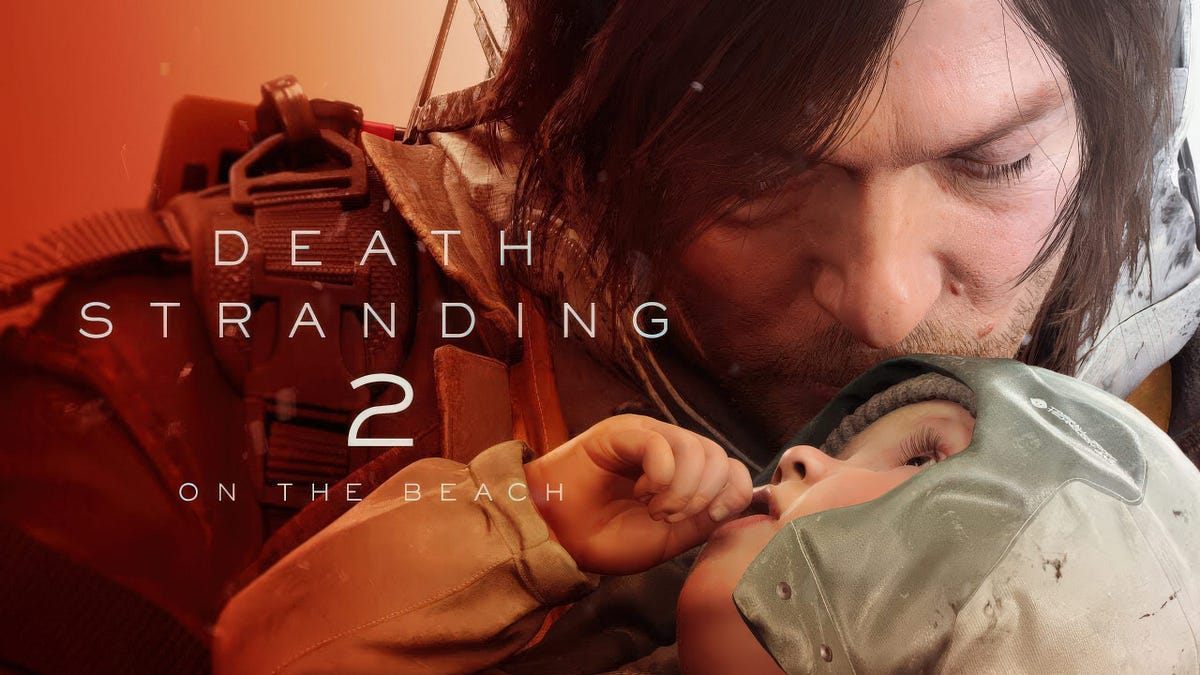
Hideo Kojima cultivates a personal brand and leverages Hollywood-style marketing. His high-profile, art-led launch events for Death Stranding 2 demonstrate this potential.
Auteur approach. Kojima's Hollywood-style marketing can successfully position games as unique artistic expressions.
Industry hesitation
Industry remains hesitant to embrace individual creator visibility.
Despite the success of the Kojima model, the industry remains hesitant to embrace such visibility. Many publishers view games primarily as products, obscuring the contributions of individual developers.
The tension
Commercial scale conflicts with human-led cultural identity.
The industry continues to grapple with the tension between its commercial scale and its struggle to establish a consistent, human-led cultural identity.
1 / 7
Ask AI about this report