
The Russian Video Game Trade Association (VIDO) has unveiled a formal strategy aimed at revitalizing the nation’s interactive entertainment sector following years of industry isolation. The primary objective of this initiative is to elevate the domestic games industry to the seventh-largest market globally by 2035. The strategy focuses on four pillars: maximizing investment, fostering constructive dialogue with the government, establishing video games as a positive cultural asset, and creating specialized educational pathways to cultivate local talent.
The development of this strategy follows a period of significant disruption beginning in 2022, characterized by the withdrawal of international firms, restricted access to development tools, and exclusion from global banking systems. To address these challenges, the industry is lobbying for state-backed funding, tax incentives for investors, and export support. The plan also includes specific operational goals, such as combating in-game cheating, strengthening anti-piracy measures, and promoting national pride through initiatives like a dedicated video game museum and a monument to Tetris.
Despite the industry’s desire for autonomy, the strategy remains deeply intertwined with the objectives of the Russian state. The document advocates for closer ties with non-endemic, state-linked organizations, including energy giants like Gazprom and Rosneft, and relies on funding from entities sanctioned by international bodies for their role in the conflict in Ukraine. While the strategy mirrors professional development frameworks seen in other global markets, its implementation is complicated by the ongoing threat of restrictive, China-style regulatory legislation. Ultimately, the industry faces a precarious balance between seeking state support for growth and maintaining the independence necessary to operate effectively within the global gaming ecosystem.

Video Games Industry Memo · 2026

Video Games Industry Memo · 2026

Video Games Industry Memo · 2026
Video Games Industry Memo · 2026

Video Games Industry Memo · 2026

Video Games Industry Memo · 2026

Video Games Industry Memo · 2026

Video Games Industry Memo · 2026
Video Games Industry Memo · 2026
Video Games Industry Memo · 2026

Video Games Industry Memo · 2026

Video Games Industry Memo · 2026

Ubisoft · 2026
Capcom · 2026
Capcom Co. · 2026
Pearl Abyss · 2026
Capcom · 2026
Sony Group Corporation · 2026
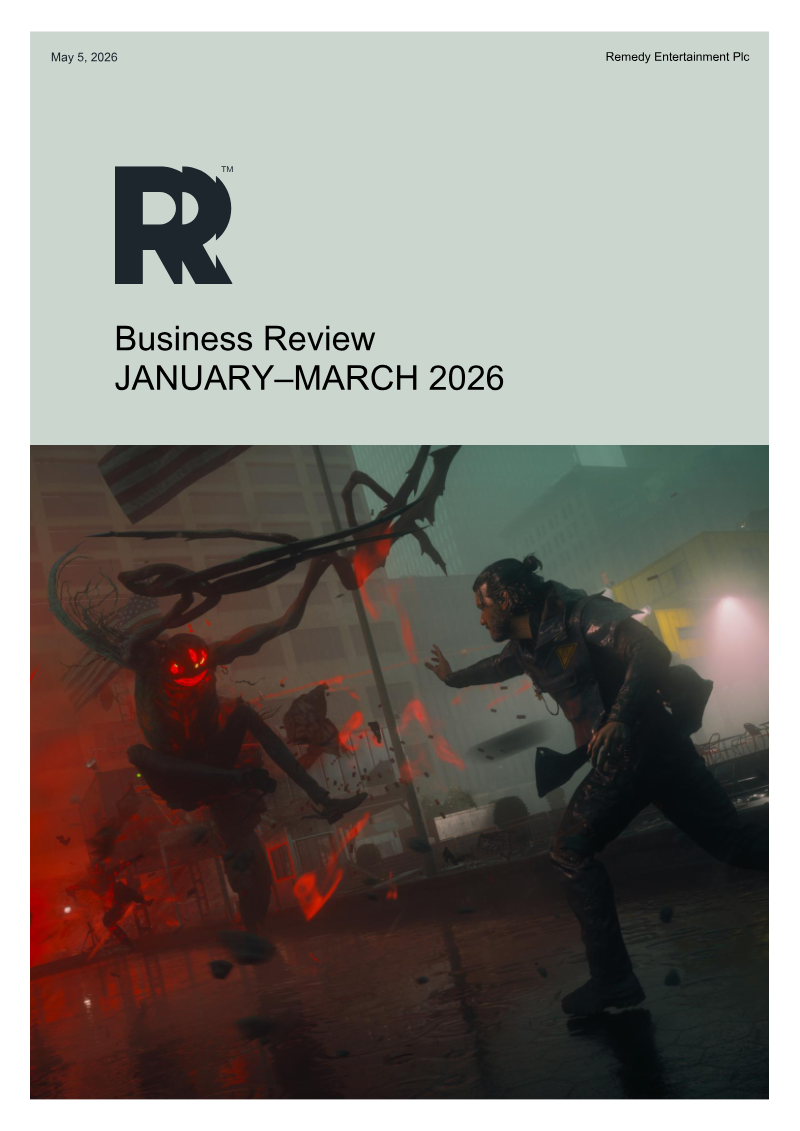
Remedy Entertainment · 2026
Giant Network Group · 2026

Archosaur Games · 2026

Enthusiast Gaming Holdings · 2026

Aream & Co · 2026
Drake Star Partners · 2026