Transcript
Is it possible that not only are there too many video games in the world, but there are too many demos for video games in the world? We are going to answer that question and I have a feeling that you all in your hearts already kind of know the answer. Welcome to the Game Discover Co. Show. I am your co-host Christopher Thomas plant. I am joined as always by the brilliant, the wonderful Simon Carlos. How you doing today, Simon?
Good. Simon Matthew Carlos if you want to go for the full name. So yeah, I have I have a classic kind of like biblical biblical middle name. Always very important, although my parents are not religious. Generic 70s British name, I guess I should say. Uh but yeah. Yeah, I'm I'm I'm doing good. I Yeah, I'm excited. I'm I'm a little intimidated by some of the volume of stuff that we always have to talk about, but it's always a fun time.
There is so much to talk about, and I'll just cheese right here. By the very end, we will also talk about some possible GTA 6 news that is utterly bonkers if true. But I want to start with what we
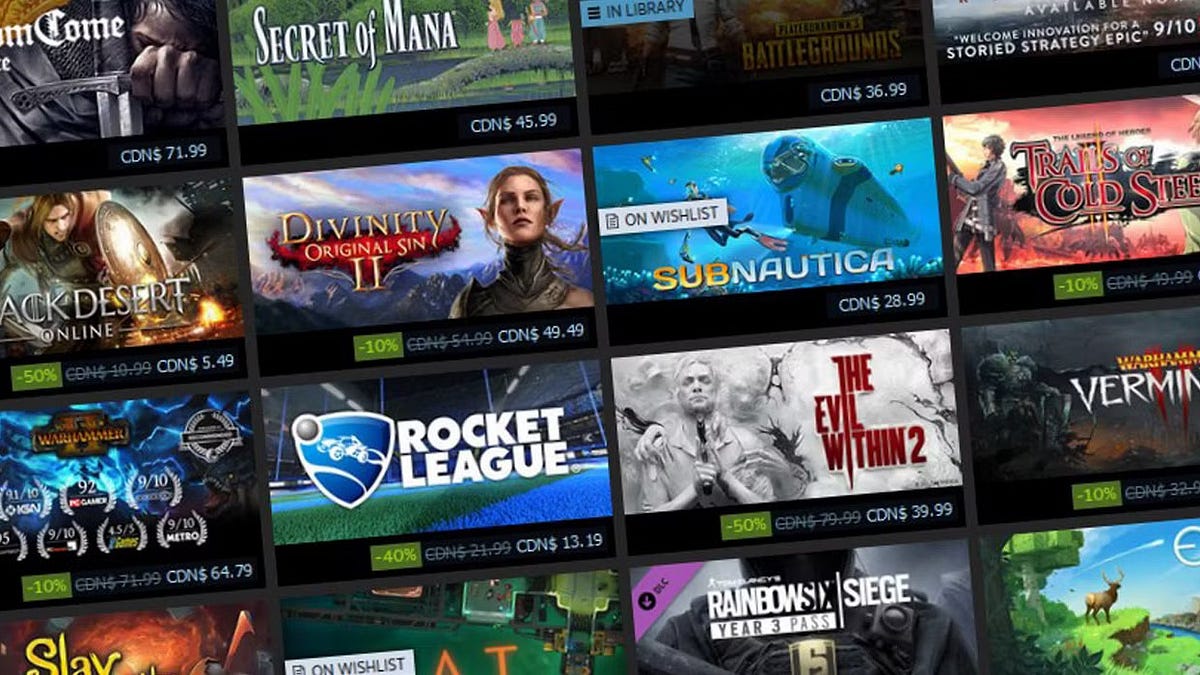
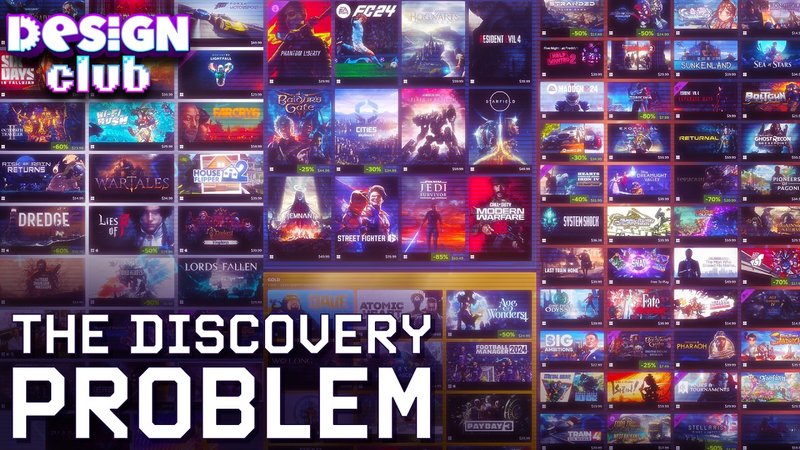
were teasing up top, which is Steam Nextfest. It is starting October 19th and it is in the dev preview right now and it has over 8,000 demos. There's a chance that some of those will be removed beforehand, but like let's be real, in a absurd amount of demos, more than any human could ever possibly play, maybe more than most could even like look through if they made the time for it, are going to be available very very shortly. And I am wondering first, well actually let's set the table a bit here. Is how does this compare with the previous fest? Is this an aberration or is this just the new normal?
Yeah, I was just looking at this but like like before we started cuz I wanted to make sure I had my numbers right and and we track this and it's been going up by about 600 per fest for the last three fests. So October 2025 it was 2,900. February 2026 it was 3500 and uh June uh
2026 it was 4,300. So, I actually think it is possible that it will go up by that amount again because there's definitely people who enter NextFest at this point. By the way, just so everyone knows, most people, the only people who can see Nextfest right now are developers who opted in in into it. So, we had some reporting in the newsletter this week from developers who had opted into it. And that's what they that's what they told us. They actually have a token nowadays, so you can't see it unless you're opted into it. But right now, people are telling us there's about 8,000 in there. I think I think that will uh spill out a little bit, but I think we'll still it would not surprise me more than 5,000 s sounds pretty likely at this point when everything is said and done. So, that really is a a giant number given that we were talking about even even in 20 like let's go February 2024. Really not that long ago, there was 1,123 in there. So, this is
and it felt like a lot then like a lot. I I think one of the recurring themes of
this show that we've kind of discovered as we've been doing it over these first few months is Steam does want to find solutions for glaringly obvious problems. They do want you to be able to find things in Steam that that the algorithm thinks you will like basically or that maybe other tools can help you get to. So there's at least one new kind of solution that they have for this. Can you describe how this works?
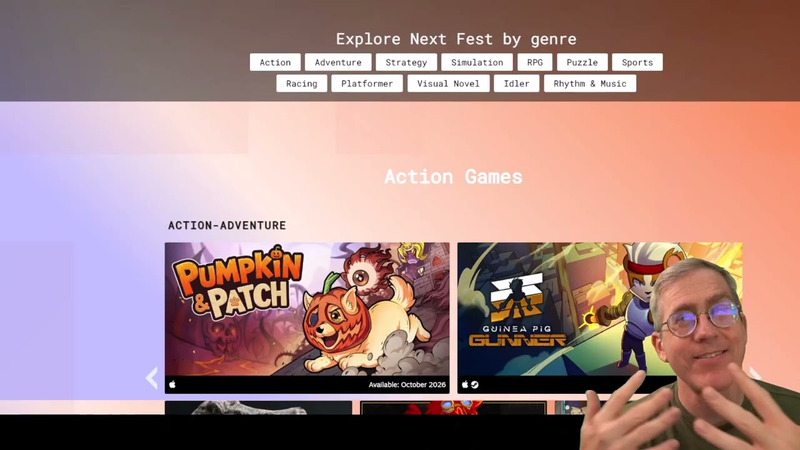
Yeah, I mean I saw a screenshot or two and we'll see it properly when it launches, but basically uh that they're asking devs to opt into picking two tags essentially for their games, which is interesting because one issue that Steam has as a platform is there sort of not I mean there's genres, but there's not really main tags for a game. And we run into this a little bit. It's just a list of 20 tags that are sequential. And so what Steam's decided to do, which I think is smart, is they have this period of NextFest where uh it is randomized for the first couple of days because they want people to sort of uh you know, pick games and then they'll recommend
based on that. And I think on the one hand, that's really smart. On the other hand, I have heard complaints from people because I feel like a lot of people come to Next on the first couple of days and you getting a pretty random set of games. So I think what they're trying to do is split the difference and they've sort of got to have, oh well, you already like driving games. we know that. So, we're going to recommend you anyone who sort of had driving game tag, but a random selection of those driving games. And then based on that, for the rest of the fest, they'll try and open it up and be a lot more recommendation based. So, I think, you know, I think this could be we'll see how it works. This could be a smart kind of compromise potentially.
I I definitely like it. I do worry about it emphasizing trends that already exist. And by that I mean if there's a gajillion survivor like games there, you're more than likely going to see them a lot on the page at the beginning, you'll click them and then it'll think you like those games when in reality if like 60% of the games are those, you're just bound to give it that signal. But I
would hope that they have some idea for that in mind. I on on that note, what sort of games are most likely to succeed in a hypers saturated next fest environment?
Well, I mean, it's essentially, it's interesting, right? I I now see Nextfest as relatively peripheral to the demo based marketing of your game because really what's happening is you already want to have something that's fairly successful. And in fact, you know, I do think people who are releasing their demo on the first day of NextFest are making a bad decision by and large because like most people are putting their demo out at least a week or even two weeks beforehand. We just had that triple eye initiative showcase and someone pointed out to me that an awful lot of the games in the eye initiative showcase were like demo out now and and that was sort of timed nicely for sort of 10 days before uh before NextFest. So I think I think what we're seeing is people put out their stuff early. They make sure that
streamers get a hold of it early and they already have some momentum. And when you have that momentum coming into next fest, there are some advantages to that. It will get shown to more people probably in the recommendation based algorithm. But I think you know Yeah. Yeah. My main comment is it's sort of and this was always the case and people found ways to game this and I think uh Valve's managed to cut down on the gaming because you always used to like pregame to get in the charts when when it launched. I think I think Ralph got got annoyed at that. So that's why they've gone to this kind of much more randomized start. But in the end after the randomized start, although they do say is all recommendation based, I'm sure games that are more popular will get recommended more often. So So there's still this kind of concept that you want to be launching, you know, launching your demo early and getting some momentum in that. I I'm realizing we'll get to another question on this topic in just a second, but it feels like there is more and more work being put on especially like solo or very small teams in the marketing roll out. And I look at this and is it just
assumed that a demo should be part of your plan ahead of a video games release at this point? Yeah, I mean I kind of think it has to be unless you had a particular path, a particular type of game that you don't need that for. Or or maybe your game went very viral based on short form video already and and you think it's quite it's quite a hookie kind of idea. Maybe you just want to release it for cheap uh or cheaper. But I I think yeah, I think most people should do that. The other thing is it does you know we did some research on this recently. It does give you a basic idea of how the game is going to is going to do. Like if you launch a demo and you get 200 concurrent users, then I do think you're probably going to get I don't know like 500 to 800 concurrent users when you launch the game. And you can sort of extrapolate from that. Well, that's you know uh 700 concurrent users is probably like 15,000 copies week one and it's like uh 50,000 copies year one. So you start to get an idea of how you're going to do. And I actually think there's obviously exceptions to that and it moves up and down a lot. But I think that's the other reason that demo is helpful. It's going to give you it's going to give you a
read and then maybe if you put out your demo and it gets 50 CU, you don't want to spend that $100,000 on on like launch marketing because you might be okay well, you know, maybe this one isn't going to hit, so we're going to do something different and we're going to save that to make part of another game or something like I think that's what people I don't know if people are doing that, but I think that's what people should be thinking about.
Yeah, I do wonder about this ability. It's not even a trial balloon, but a way to just get those first hundred hardcore fans that you need for a game that otherwise might not find it. Uh there was a game that came out maybe two years ago now. Mini mini golf, which is a game about mini golf in environmental collapse. Wonderful game. It took it, I think, a year and a half to really start to find its audience. And then I compare that with a game like Penguin Colony, which comes out in a couple days after this episode goes live. And that is a game about penguins and Cthulhu. And it seems like that game's demo, especially with the press, and myself included,
kind of like brought people to it so that when the game comes out, people are ready for it. And it's not going to be those games that, you know, oh, we discovered it six months later. Um, so I I do wonder about that opportunity. I want to keep things moving because we do have another thing to talk about that is more work for uh small game studios to be mindful of, which is the difference between a viral short and a trailer and whether or not those two things are different and how they fit into a game's marketing plan. I'm curious for you like what do you see as the difference between a short and a trailer? Yeah. So, this is based on a YouTube video that that we'll link in the in the comments about from Derek Louu and um he's a he's a long-term he's a really good uh one of the best I think trailer makers and he's an indie an independent trailer maker, but he's made trailers for some reasonably well-known games. And so he was just talking about it because to to some extent the makers of trailers may feel threatened by the fact that there's now a lot of short form video creators
who are either organically or for money via products like Jester essentially making trailers for your game uh on Tik Tok or Instagram. It's and and so what he was talking about which I think is super interesting is the stylistic differences between uh something that's going to be a big hit on Instagram or YouTube shorts and and a trailer. And it is quite different. You know, you have a lot more captions and explainer and even voice over for the kind of Instagrammy vertical video stuff. And but but you have um you know, I I think YouTube videos still need to be pretty snappy, but they can be a little bit less snappy. I think there's a there's a little bit more room for kind of explaining things in there or like like bringing out gradually. So, so, so my takeaway from this was I think that the point he made that I particularly liked was uh a lot of the short form video people are going to make um videos based on based on the trailer you put out. So, in other words, you need to really think about putting the right footage in the trailer. Otherwise, the people who are
like recutting it, clipping it for later won't have the cool stuff to put in the actual short form video snippet or whatever.
Yeah. Yeah. I mean, I I also wanted to say here, Dererick has done a great job of explaining the business of trailers and how trailers work and educating people on how to make them for so long and across so many different platforms. I just think that is kind of fantastic. There was one detail in the YouTube video that stuck out to me, which is did you do you remember the marketing funnel that he describes and where shorts places into it?
I think so, but but go through it for me and the audience. Yeah, it's basically [clears throat] the idea of like, you know, you put the inverted pyramid and the idea of shorts being at the top and that people are going to see that and they'll be curious, but you still need the trailer then to answer a lot of those questions and that yes, you'll see it like, "Wow, Penguin Colony Penguin sees Cthulhu. How interesting." But then
you still need to go to the see the trailer to see like, well, how does this game work and when does it come out and what is it offering me and is it actually worth buying? And in that funnel, you see people starting with the shorts, but it is when they go to the Steam page and they see that main trailer where they're actually more than likely making their decision of am I wishlisting this? Am I buying this game? and that idea of one alleyooping the other and it also kind of going both directions like you said that the trailer is the thing that often the creators will discover to create that short then then send people back into the trailer. Um it really helped me understand that these things harmonize really well and that you need them to kind of fulfill different beats in getting someone to, you know, the ultimate goal for the developer of them actually purchasing the game.
Yeah. Yeah, and I'm a big fan of like I think paid trailers are important and I suspect that sometimes people skimp on them because there's enough people on the team where they're kind like oh we can do a trailer and then and then a lot
of the point like like like part of the point of either trailers or some of these makers some of these short form video makers is they will distill what is interesting about your game. So, I'm a big fan of using external people to do that because often you don't as a dev, you do not fully understand what is interesting about your game. And I think uh if if you give it to one or multiple other people to do that, whether that be a trailer maker or a short form video creator, then they will sort of distill that down. It might it might not be quite the thing that you thought it was. So I actually think that sort of external discussion about like you know what what is really I was helping I don't often do stuff with trailers but someone was showing me one of their trailers recently and I was I made a bunch of comments about like oh I think these these three moments in the trailer are really great and what they did which I think a lot of people are doing nowadays is sort of this thing where you have like a an 8-second teaser for the trailer and it shows like the interesting bits at the front which I think is really smart because on Steam a lot of times people will not hang around long enough to see all the cool stuff. So they did that and that really helped I think. So it's just like sort of a
little kind of flash of like oh here's some cool stuff and then it just plays plays the full trailer. So I think there's all kinds of ways to do this and uh many of them are valid but it is down to hook and that's why I think this discussion is important because you need to understand your hook, right?
Yes. I I remember writing about that trend, I mean maybe a decade ago, beginning with uh movie trailers over at The Verge. And while writing about it, my initial thought was
how silly, you know, like we get a trailer before the trailer. And as I was writing it, I was thinking about literally the process of writing a news story, which is you write that first draft, it's your lead that's like here's everything you need to know and now I'm going to tell you the story. and I realized, oh, this is how storytelling has worked to get people to actually commit for a a long long time. There's there is one other thing I want to hop uh I want to spotlight here just because I found it really helpful is Derek notes the most important aspect or one of the
most important aspects isn't even the video at all. It's this the ability to make contact through links in your bio. And that idea of like, you know, seeing a video as your calling card quite literally is like how a business card works. Like you have a flashy side and then you flip it over and it's like here's my email address, here's my press page, here's those things. and that you want to make sure that wherever people are coming in that they have a sense of where to do that, where to get that information, whether it's automatic or whether it is a thing at the end of the trailer or the beginning with a link. But making sure that everybody who is seeing your material and needs to know where to go, they have a sense of have how to do that and that there's zero friction when it comes to that part. I found that really, really, really smart.
Yeah, it's true. Like I think calls to action are important. I mean, honestly, the default call to action nowadays is people go to their their favorite game system and search for that game name, but sometimes it's not on their favorite game system. So, you have to be you have
to Yeah, you have to be careful about that.
Yeah. There there there is this one last thing, and you you kind of touched on this already, but I'm curious if you're seeing it in the marketplace, is he describes creators of trailers and creators of shorts as as effectively two different skills and jobs. And are you seeing that out in terms of like who people can pay and contract for this thing that you know like go to Derek for a trailer and then there are other people that you should go to who specialize in shorts.
Yeah. I mean uh I mean I mentioned earlier I'm not uh plugging them in particular but Jester Jes are probably the the company that's most well known for the short form uh video stuff right now. And really what you do is you give them uh footage and they go out to all their partners and you're paying I think you know CPM. So, for every thousand views that stuff gets, that those trailer makers, a lot of whom are um sort of semi-professional, they put it on their own Instagram accounts uh will will get some money. So, that seems to have been sort of a smart starting point. I think there are some questions
about where that goes because eventually, I was talking to someone who was looking all these all these creators up. Eventually, a distressingly high percentage of some creators um Instagram reels are paid, right? So, it does it start to get a bit like blinged out eventually. But I think what people have found is folks like Derek are amazing uh for trailers. Uh and I think honestly everyone should think about that. And then I think the same is true for short form. Everyone should think about having some kind of uh paid interactions whether it be with individual creators or with an aggregator. And then you'll get a bunch of different takes. The other thing I like about that is you'll get a bunch of different takes on ways to market your game. And maybe you can take something from um you know Derek or from the other folks and actually integrate it in your overall marketing because maybe you haven't thought of that. So, I think that's a real advantage.
Yeah. Yeah. I I I routinely turn to um Zavir Nelson Jr. in Strange Scaffold as kind of my go-to example of people who really get the shortest format and what you can do with it. I want to talk about something that is on the opposite side of uh indie studios making videos to
sell their wares, which is Minecraft sharpening its platform power is a term that you used. and we're going to talk about what this means. But first, please tell me what sharpened platform power means to you.
Yeah. Okay. So, so Minecraft historically has been a really important platform, but has not in my opinion, I think other people's monetized particularly efficiently. Like they have a they have mostly a store and they have various subscription levels, but their store, as I understand it, has actually been only open to trusted partners. and it's kind of been quite opaque about how you get items into the store. And they also haven't wanted to flood the store. So, their store is sort of somewhat limited. They have a bunch of interesting that they have a whole kind of game pass equivalent for uh for Minecraft where you get access to a bunch of packs for a monthly fee. I'm not sure that everyone pays attention to this, but my kid had it for a while and I thought it was kind of interesting. But basically, everything is paid with,
you know, your virtual virtual points if you if you want to get, you know, the Jurassic Park add-on or interesting characters or levels. But my point is I I yeah I I don't think they've had a very dynamic compared to Roblox which is wide open. Minecraft has not had a very dynamic UGC system. And so my impression is Asha Sharma has come in sort of said well Minecraft is one of our crown jewels and is sort of looking at um looking at this and one of the things that that she's done as a result is you know she's moved someone else to be in charge of uh in in charge of Minecraft at the same time as moving the person who was actually fairly new uh in Minecraft across to this uh interesting XP division that various people have been staring at. Yeah, I am very curious about what this does or where it fits into like the overall Microsoft strategy. And in some way, this is a silly question. Again, we've talked about this on almost every episode where the strategy that is vocalized and shared with the public doesn't always align with maybe what
we're seeing actually happen and that probably in the coming months or maybe in, you know, mid 2027, we'll have a clear idea what the real goals are here. But this is so fascinating to me because it feels divorced from the Xbox console and PC gaming strategy and almost sounds more similar to something like King and their mobile strategy or or maybe it's entirely different. Is that kind of what has to be done with Minecraft that it's so big that if it is going to go after the Roblox it it can't follow the same playbook that they're using for most everything else?
Yeah. And and just sort of quoting if people didn't read the story here. Uh the folks at Two Field has spotted a job ad and it was just really interesting interesting phrasing. It said part of your job uh you know this is a hire on Minecraft be defending against competing platforms like Roblox, Fortnite, UF UFN, Unity and FAB through better developer experience, tooling and enablement at portfolio scale. Like for me that is not
uh you know that is not Minecraft. That's not that's not old school mojang kind of wording. That's quite sharp businessy kind of wording. And so uh so yeah, so I definitely see this as a you know they think Microsoft thinks I think correctly that Minecraft is a bit of a crown jewel that has been a little bit oddly sidelined by people getting obsessed with the kind of game pass play. And I think I have a feeling that Asher Sharma and CO are sort of like well why are we spending so much time trying to sell our upsell our slightly decreasing hardcore players when we could actually do a much better job. And I don't think I mean we'll see what happens with Minecraft. I think I think there's a lot they could do that would be positive that isn't even wouldn't even be considered like very aggressive for the Minecraft community. I don't think this is like a oh they're going to they're going to inshitify Minecraft immediately.
Well that that's I I'm I'm asking you basically to take off your analysis hat and just go full
on speculation hat here, but I I do think the real measure of where Xbox is going with each of these different divisions and projects and plans is ultimately investment. Like where are they pulling investment away from? Where are they putting more staff and more money? And do you think that this is the beginning of a a much larger investment in Minecraft or is this, hey, we're going to kind of start to figure this out and these are just bringing in some people who are, you know, at the the early stages of seeing what a new direction could be for it.
I think it's kind of both. And it is it is interesting. You know, I think one thing that Minecraft's never really done, for example, I'm not saying they're going to do this, but you know, Fortnite is very much about collabs, and their collabs bring a lot of interest. And the same is true for games like Dead by Daylight. Dead by Daylight has done a great job of like horror collabs, but but Minecraft, you know, for example, it it does have a I think an officially licensed Jurassic Park level, but they've never it's never been part of their main thrust of things. So, I'm wondering, you know, like like they
could go it it's kind of a little bit against the existing ecosystem, but they could go more collab heavy in marketing, right? It' be like, "Oh, this week Spongebob's in Minecraft. Look at this cool level we made. Everyone can check it out." And that's historically not not how they've worked at all. So, I'm sure they're thinking about stuff like that without obviously removing the special source that is Minecraft. But, I did notice they just rolled out a new environment, right, for Minecraft. But, wasn't it the first environment in a hilariously long amount of time? It was like first environment for at least 5 years. I can't remember exactly exactly what it was, but um but yeah, my point is I don't think they've been very fast on the iteration and I'm sure that's something also that that the new management that Xbox will be looking at.
Yeah. Uh the final big story of the week and then we'll get to a little GTA 6 thing, but there was a story in the New York Times uh this past week by Max Reed about gambling being everything or everything being gambling. And this is obviously familiar to people in the
video game space as people who have wrestled with the loot box economy uh for a long time, but now even more recently seeing random randomized rewards in games of the idea of kind of divergent runs in video games. And the piece is really fascinating to me because it doesn't talk about video games basically at all. I think it's briefly mentioned once and I I think that is deeply strange. We'll get to that in a a second. But I'm curious for you when you think about the rise of gambling, of sports gambling, of um blind box items, of all of these different things, do you see that as gaming or or am I am I off base here? Because I always thought of gambling as another part of the larger ecosystem of gaming, maybe one not everybody loves, but is is part of it.
Yeah, it it may be. I mean really my takeaway and the reason I put this in the newsletter and the reason I'm trying to put stuff like this in the newsletter is like we are all part of the attention
economy. I think I had something
or I have something in today's uh in in in today's uh newsletter which is uh which is about short form like vertical video vertical video kind of soap opery kind of stuff which again it's not not quite games but the sort of sometimes interactive choices and you have to pay more to see more and so I yeah I mean I think this is all the same kind of attin continuum that everyone is competing for attention and I think you sort of ignore this ignore this stuff abstractly at your at your peril. you really have to be like, "Oh, what else is out there that is fighting for attention?" And I think a lot of stuff, I mean, yeah, I mean, the ease on which your phone, at least in the US, and I think elsewhere, I heard Brazil has a ton of sports sports gambling and gambling kind of like like on online kind of issues. And certainly the current the current US government seems pretty fine with prediction markets for example. Prediction markets are a whole other you know like like macro giant size of uh and there are actually by the way uh um cuz we were talking about this in our
discord a few weeks ago. There are there are game release prediction markets. So you can so you can actually wager on whether a certain game is coming out this year or not on on these on these markets. So I don't know it's it's it's all a yeah it's all part of a continuum. And I think the continuum is like people like having fun and getting risk and reward and risk and reward is a big part of games and risk and reward is a big part of this. I guess I'd say
yeah it it's funny. I feel like we came to this piece from like polar opposite sides and reached a similar point because for me I read this and I think ignore gaming video games at your own peril. Again, I I think Maxree did an excellent job with this story still, especially because it's largely focusing on prediction markets, but at the same time, I think about loot boxes being a congressional question. I think of the rise and fall of online poker. These ideas of game gambling, you know, entering the public space through gaming
uh have been going on for for decades. And and same thing with fantasy football, you know, it's popularity giving way to draft kings and suddenly we've kind of like shoehorned our way in there. It is this weird thing for me where gaming seems to have been a launchpad towards a lot of these larger societal trends and then has kind of I know been not erased from the history but never even noticed maybe because it's just not something that's covered in these spaces with any frequency and I find that I find that very strange and I guess when there's a quote in in this piece it's depending on how you account. This makes gambling almost twice as large as the global music, video games, and film industries combined. And like, I get that comparison, but again, I'm like, I just don't think video games in being able to gamble in an app on sports or
are different in the same way that say the music or the film industry are different from gambling. And I would I would like to see more people and smart people picking at that. Um because I think it will help people understand how to I live in a world where where this is just ubiquitous.
Yeah. Well, that's a good point. I mean, I think what you're saying to some extent the people in the prediction market area don't look at video games enough. It's sort of the other. It's it's sort of like every everyone's in their own little essentially trench and they're not not necessarily looking up and and and checking at what some parallel industry is doing, right?
I I really wish I could remember who I saw say this on Blue Sky. So, my apologies to whoever was brilliant and thought about this, but the notion that if you have played XCOM and missed a, you know, 95% guaranteed shot, you would have a better understanding than most people who play on prediction markets of what percentages actually are and it would have a very different impact on you. And that that is really stuck to
me. I I will say that before we wrap on this, do you think as someone who has seen, you know, the laws crackdown on things like loot boxes and on online poker, is it possible that this is a blip in the grand scheme of things and that we actually will see similar laws come in and maybe prohibit or like hyper control these things or do you think that this is different than all of that stuff? Well, um I think that the world uh I mean uh this is this is maybe a bit macro slash depressing for this nor normal uh podcast, but uh um you know like I I I do watch um I do watch the resters politics uh uh uh podcast in in the UK and they've been talking a lot about the rules-based order of the world starting to break down. And when you talk about rules-based order, that actually applies to everything. That applies to like gambling crackdowns and that applies. So I think really I think
we're entering a period of instability where rules-based order is there's just going to be less of it. And I think that absolutely uh includes stuff like gambling. Like with everything that's going on in the world right now, are people going to get gambling laws through whatever whatever government you're in in in in the country you're working with? I think most of the time absolutely not. So I do think it's going to get more layer, not not not less layer. And I think, you know, that's got some big advantages and some big disadvantages. So we just have to have to keep an eye on it. Right.
So last thing, and we'll get to our usual wrap-up stuff of the show, uh, what came out last week, what's up this week. But first, the other week you said something that I was completely I did not believe. I I I was a shocked, a gasast that you said it. He said, "What if Grand Theft Auto 6 releases on PC in Q1 of 2027?" I said, "There's no way. That's impossible. The game is coming out on console now. Think of all the angry people who are going to buy
it, buy their consoles, and then it's going to come out in PC and then they'll just be furious and then Rockstar will finally, you know, have to pay the piper." And what do you know? But there is some news, maybe a rumor that this might actually happen. Can you explain what's going on here?
Well, yeah. I mean I mean we'll see. It's it's a report out of out of game games beat and I think it's kind of early so I would say not 100% confirmed but but they're certainly reporting PC version Q1 2027. Like my view on this is it is fairly parallel audiences. And I do, the other thing, I didn't talk about this when we talked about it last time, but I do think that Rockstar's got to be looking at the supply issues with premium consoles right now and start starting to tear their hair out because they're kind of like, how many people want to play this game and can't because they can't get hold of the hardware, right?
Yes. Yes. I I will also say I have since then heard more rumors about what Grand
Theft Auto 6's long-term plans could look like and the idea of like, oh yes, if this is more of a a living game in some way and that it's like growing, how could that influence the need to get that PC version out? And that that changes, I think, my calculus a lot. And I don't know why I hadn't thought about this, but we I think hit on that idea of, you know, like what's user generated content in this space? What is their roleplay? What is their online features? Why would you want to get as many people on there as possible as fast as possible versus the previous strategy? And if that's the case, yeah, it starts to make more sense. But again, we are like deep in rumor murky territory right now. So,
who knows? It's yeah, it's it's kind of unclear. And the other thing I'd say is immediately they put it on PC, it's going to be easier to decompile or mod it. And I think that, you know, they've had trouble in the past. It would not surprise me because this will be the single player only version. It will not
surprise me if people tried to mod multiplayer into the single player PC version and that could get messy from Rockstar quite quickly because they already had that issue with GTA V where they had a whole shadow like I believe more people still play PC GTA online not on Rockstar servers than they do on Rockstar servers. So So yeah, I I don't know. So it is opening a bit of a Pandora's box when they go out with the PC version. Especially with and we'll have to cover this at some point. you know, all the decompilation stuff that's happening with the AI, it got way easier to decompile games and sort of sort of take them apart. So, um I'm sure they're thinking about that as well. But I also think um you know, and I I think the big unknown for me to be honest is like when I said Q1, I did mean the single player only stuff. And the big unknown for me is all the all the whatever GTA 6 online is stuff. I have no idea where they are with that. And and that is very question marky for me. So, we'll see. I'm going to put a a little lantern on the uh decompilation in the being able to port anything anywhere stuff for
maybe next week because this is news that is I I feel like hitting like a a Mac truck. I I I the past three or four weeks have been so strange with that. But that is a bigger story for a future episode. I want to move on to the stuff that we wrap up with releases on Steam. What happened last week?
Yes. Uh let let me let me find that. So uh so so so last week it was kind of it was kind of interesting because uh the Gears of War was obviously a big release and uh Star Wars and Hellraiser. We we we talked about all of these and in the end I think my conclusion was Gears of War Eday has done fine but I don't think the numbers that they would really need for I think I said this in a newsletter for maybe a 200 or $300 million release. I think you know we're looking at it had 31,000 CCU at peak. So um I don't really know what that means but you know it's
going to it's going to sell at least a million or two over time on on PC. And then there's the Xbox Calculus where you you try to work out how it fits into the Game Pass money. But um yeah, I think it's done fine, but I do feel like Gears in the End is a little bit faded as a franchise, unfortunately. And I think Star Wars Galactic Racer has done good. I think I'm guessing that was somewhere close to close to their expectations, at least on PC. We had we had it second at 15,000 CCU. And then uh and then the Hellraiser revival uh was 8,000 CCU. and Order of the Sinking Star, the John Blow game, uh was 6,000 CCU, which I think they'll be fairly happy with for like a Soaban style game. I mean, that sort of implies again, you know, it's selling 100 150,000 on PC first week and so should, you know, should sell. Okay. So, I think I think honestly all all of that stuff was was pretty good, but I do think everything it's just so busy. Everything I feel like I don't think anyone would be none of the games I just mentioned were probably overwhelmed by those numbers. They were all kind of
like, sure, great. Yeah. Yeah. I'm Star Wars Galactic Racer feels like of of that bunch, the closest to like Yeah, that's around what we would want or or expect. Um, but Grand Theft Auto awaits and I do wonder how much we're starting to see people's uh wallets tighten as that gets closer and closer and closer. Speaking of, there is still a lot of games coming out this week. Um, I I did make the mistake of uh we usually do my the what do I see in my uh you know Steam calendar. You can change the game count on this of how many games recommends and I changed it to 250. That was a mistake. So, I'm bringing it back down to 50. We're going to see like what that actually does when I look at it. I look at this week and the the stuff that I see is like Valor Mortise
is the big um I would say not triple double A game
and then in the indie space I see things like
B well there's still big property games Castlevania Belmont's Curse which not really indie uh Warhammer 40k Bolt Gun 2 um and then a game that I just am excited about Penguin Colony and also Rollola which I think we're seeing a little bit of like uh cosmic horror having a moment ahead of Halloween. But is there other stuff here that is invisible to my corner of the video game space?
Yeah, you got over 50% of the ones that we list by top wish list. I think you know the the big one which would be interesting is this game Over the Hill which is that co-op off-roading game and that app appears to have 1.3 million wish lists. Like people really like this idea. What I will say is I continue to think that people slightly lazy wish list these co-op RV off-roading games and then I'm not always convinced that the final product is quite what they're looking for. And so so so I think there's a lot of viby wishlisting on those. So I think that game could could do great over the hill if it's what
people are looking for, but there has been multiple ones where people it was not quite what people were looking for and so you know it was a bit more marginal. Um, and then the only other two I had actually one was interesting because my kid was just watching a video on this. Planet Zoo 2 is out and um, you know, obviously continuing theme park simulator thing. And I guess I guess he was watching a video now, you know, you can you can change up you can change up all the physics on stuff. So people go go wander around on off water slides at a great speed and all that kind of all that kind of stuff. So you know people people will be kind of checking that one out. And then I think um there's a game called Deep Dish Dungeon which is a dungeon crawler and I presume calling being called Deep Dish Dungeon. There might be some cooking in it. You know, the classic dungeon dungeon cooking franchise. Like again, there's a ton of anime that has dungeon cooking in it. I don't know if you've kept up on that trend, but but there's there's like a whole genre now, the dungeon cooking subgenre. So, uh I'm guessing it's something like that. And we have that at
like over 500,000 wish lists as well. So, I think I think I think I think those are the titles that we'll be we'll be checking out. And as you say, it is going to slow down, I think, after this, but I feel like we said it was slowing down for a couple of weeks and it's actually been quite busy again. But I it but it is going to slow down at some point fairly soon because if nothing else, we get into autumn sale, winter sale, and people don't like launching during those. So, yeah,
currently on my scheme calendar, I have one game next week.
Yeah.
So, there's definitely a slowdown happening here. I will say on the over the hill mention of that uh semicoop just toolled around in a a fun truck uh or RV or whatever. That is a perfect example of how demos are working now of that is a game that I actually played the demo of because it was an easy thing to throw on my Steam Deck before a trip and you mentioned it. I'm like, "Yeah, I'm definitely buying that." That was one I enjoyed and I know for a fact it is not just a another maybe I'll play it with friends. Um, so the system the
system is working. Speaking of the system working, Game Discover Co, what is going on? What is new? What can people go check out right now?
Yeah, it's a good question. So, uh, on Game Discover Co, well, we're just we're just re relaunching our homepage. Uh so if people are interested, we have a nice much more dynamic homepage which I think will be launched by the time you uh you uh you listen to this uh pod/videocast. So so that's nice. And it sort of has I don't know some more client names on it, some more dynamic data on it. It's it's just a little bit cleaner. So that so that's nice. Um we're fixing up a few other things like we launched that big redesign uh um last week to all all our UI and or a couple of weeks ago and now we're going through and for example we have we have this feature called of affinity which we think is really useful where you can look at sort of enhanced overlap on game discover code pro. So it's like oh these people who played this game also played this game but but but but but this time this percent more often than people who didn't play this
game. So, it's sort of like a way to see clusters of games. And so, we've we've redone that interface a little bit. We've done a whole bunch of behind the-scenes stuff that we actually don't even talk about too much in our change log sometimes, but we've we've done a we've improved our PlayStation Plus uh splits. So, that's something else that we've been working on. Um yeah, I mean I mean I mean there's a whole bunch of stuff going on, but um yeah, I mean I'll I'll think about how to how to round this up going forward because uh sometimes we have a whole bunch of small stuff that's a little bit difficult to describe, but and that's pretty much this week I think.
I do have one final question uh as is tradition, which is when will it be safe for people to release video games again? because we're about to or maybe we already are in the Grand Theft Auto 6 window. Um, should people be thinking about holding their games to January, February 2028? Like when when does when does it feel safe or normal?
I mean, I'm okay, honestly. I'm okay from now until US Thanksgiving, which is the end of November. So, I'm actually okay with people personally releasing as long if it's an indie title or or a midsize title in in this area. There's some argument that there's people who won't play GTA, especially because it's console only right now. And so, there's going to be room on on on Steam if you have PC players, but I I get the worry. Um I I'm not a fan of people releasing in December on Steam because what happens is there's a very compressed sort of Thanksgiving. Yes, Thanksgiving. And then the Steam sale starts I think December 15th or so and runs all the way to like January 6th. It's a super long sale. So, so, so what happens is there's a lot of compression in the first two weeks of December. I think it might be the most compressed two weeks because some people are like, "Got to get this out this year," you know, and then so so, so I'd say that's almost the only time of year when I'm a bit like h it is kind of busy in that space. Um, but you know, in the end, everyone has their own fan bases, but I do think January uh and
February are pretty good months to release in. So, if you have some flexibility, especially, you know, given, you know, you want to get you want to get in front of streamers, right? And, uh, you know, like streamers are probably busier around December getting ready for Christmas. And so, I I I think I think Jean Feb pretty good month. So, I think if you can if you can hit it to Jan Feb, I would do, but but my view is uh you have a good you have a good five or six weeks here where I would still release, but I'm not you. So, feel free to think about that. I can say as um press few things love more than a game coming out mid January and I get code for it in like the final week of December.
Yeah,
Christmas is just done. I'm like, "Oh, you know what? I'm kind of just hanging out. There aren't a lot of new games. I have something to play." That is a real sweet spot for me personally. Um so take that anecdotally. Let us wrap things up. This has been another great episode of the Game Discover Co. Show. If you enjoyed this, you should obviously go
and check out the game discover code newsletter in the entire ecosystem if you somehow aren't already. And that is a wrap. We'll be here next week as always. I am Christopher Thomas plant and Simon, I'll let you take us home.
Yeah, I'm Simon Carlos. Thanks for listening and we'll be back next week. Like a
Key insights
6 takeaways · ~2 min read- 01Steam Next Fest is becoming increasingly saturated, with upcoming events expected to feature between 5,000 and 8,000 demos.
- 02Developers must adopt a dual-pronged marketing strategy, using short-form viral content to drive top-of-funnel awareness and high-quality trailers to convert interest into wishlists.
- 03To maximize visibility and avoid the saturated December release window, developers should strategically target the January and February periods.
- 04Industry analysts anticipate a potential 2027 PC release for Grand Theft Auto 6, a timeline designed to accommodate a live-service model and mitigate hardware supply constraints.
- 05Major industry players like Microsoft are shifting focus toward competing with platform-based ecosystems like Roblox and Fortnite by prioritizing enhanced developer tools and collaborative models.
- 06The current market environment requires developers to treat trailer production and short-form content as distinct, specialized skill sets that must include frictionless calls to action.
Ask AI about this video
Summary
Steam Next Fest has evolved into a massive promotional engine, with upcoming iterations expected to feature between 5,000 and 8,000 demos. This saturation necessitates a strategic shift for developers, who must now balance Valve’s algorithmic discovery tools with proactive, early-stage demo releases to build momentum. Success in this crowded landscape requires a dual-pronged marketing approach: short-form viral content serves as the top of the funnel to capture initial attention, while high-quality, professionally produced trailers remain the primary vehicle for converting that interest into tangible wishlists and sales.
The broader gaming industry is increasingly defined by its integration into the attention economy, where game mechanics frequently mirror trends in risk-based entertainment and gambling. Amidst this, major players like Microsoft are recalibrating their strategies to compete with platform-based ecosystems like Roblox and Fortnite by enhancing developer tools and fostering collaborative models. Meanwhile, the industry faces a period of regulatory uncertainty, which, combined with a highly compressed release calendar, forces developers to be more tactical. Experts advise avoiding the saturated December window in favor of the more favorable January and February periods to ensure visibility.
Looking toward future hardware and software cycles, the industry is closely monitoring the potential for a 2027 PC release of Grand Theft Auto 6. Such a timeline would align with a living service model and help navigate hardware supply constraints, despite the inherent risks of modding and decompilation. Ultimately, the current market environment demands that developers treat trailer production and short-form content as distinct, specialized skill sets, ensuring that every marketing asset provides a frictionless call to action to survive in an increasingly competitive global landscape.
Cite this video
Citation
Generating citation…







Comments