Key insights
8 slides
The platform risk
Steam’s light-touch moderation enables extremist organization and recruitment.
The platform relies on reactive reporting and avoids explicit anti-extremism policies.
Recruitment channel. Steam’s light-touch moderation and reliance on reactive reporting have enabled extremist groups to use the platform for organization and recruitment.
The removal count
Steam removed 179 games for policy breaches since 2018.
Despite these removals, the platform continues to avoid implementing explicit anti-extremism policies. The research identifies this as a significant concern for the industry.
Lax enforcement
Kick and DLive allow hate groups to operate with minimal interference.
Smaller or newer services often exhibit lax policies compared to major platforms. This allows conspiracy theorists and hate groups to operate with minimal interference.
Minimal interference. Smaller streaming services, specifically Kick and DLive, are identified as having lax moderation policies that allow hate groups and conspiracy theorists to operate with minimal interference.
The contrast
Twitch maintains more robust moderation standards than smaller services.
Major platforms like Twitch currently maintain more robust moderation standards.
The recommendation
Experts recommend public-private partnerships for moderation best practices.
Gaming companies should collaborate with public bodies to share knowledge. This helps establish best practices for moderation across the industry.
The stakes
Self-regulation aims to preempt rigid, externally mandated regulations.
Proactive self-regulation is presented as a necessary strategy for firms. It aims to mitigate extremist influence and preempt the imposition of rigid, externally mandated government regulations.
Brand safety
Companies must prioritize brand safety and community integrity.
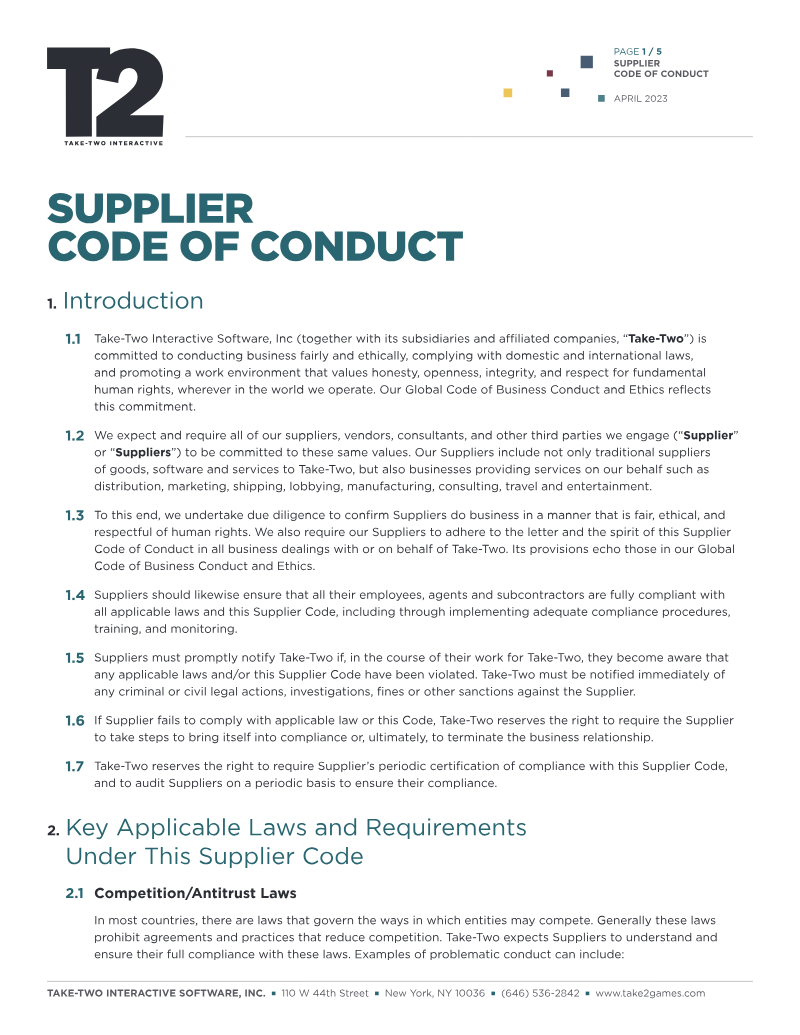
Firms are urged to exercise greater due diligence in their partnerships. This helps avoid the reputational and political risks associated with hosting extremist activity.
The conclusion
The industry faces a critical juncture regarding self-regulation.
The analysis concludes that gaming companies must prioritize brand safety and community integrity. This is necessary to avoid the reputational and political risks of hosting extremist activity.
1 / 8
Ask AI about this report