ArticleVideo Games Industry Memo
The Esports World Cup: Serious Tournament or Soft Power Play?
19 Jun 20251 page~17 min full read
Key insights
7 slides
The event
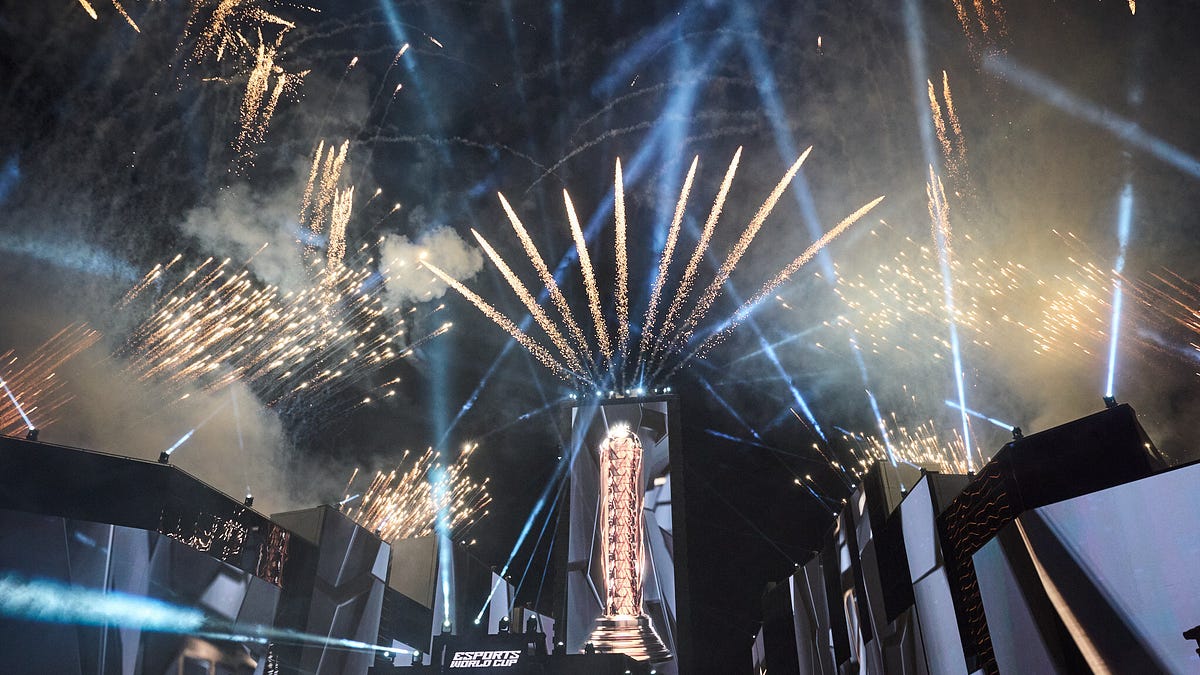
The Esports World Cup offers a $70 million prize pool.
The event is held annually in Riyadh. It uses a centralized club championship model.
Scope
The event spans seven weeks and features 200 clubs.
Clubs compete across 24 games. Organizers call it a tent pole for the $3 billion esports sector.
Inaugural scale
Last year’s inaugural event attracted 2.5 million attendees.
The event generated 500 million online views.
Vision 2030
The initiative is a core component of Vision 2030.
Vision 2030 seeks to diversify the national economy away from oil. It also aims to improve the state's international reputation.
Demographics
Approximately 75% of Saudi Arabia’s population is under 35.
This population identifies as gamers. The tournament reflects this demographic profile.
Independence
Deep state financial involvement makes independence difficult.
Esports organizations struggle to maintain independence. Economic necessity often forces compliance with the host's influence.
Geopolitics
The event highlights the intersection of gaming and geopolitics.
States can leverage digital entertainment to exert influence. They shape public perception on a global scale.
Geopolitics. The Esports World Cup highlights the increasing intersection of the video game industry with global geopolitics.
1 / 7
Ask AI about this report