1 free read left. Create a free account for unlimited reading + AI research.
Create free account
The business of immersive (AR/VR) games
Key insights
7 takeaways- 01Major technology firms including Apple, Google, and Facebook are treating extended reality (XR) as a core business pillar, ensuring sustained investment in the development of future smart glasses and lightweight headsets.
- 02Studios should utilize demand-side metrics, such as Google Keyword Planner, to cross-reference search trends against supply-side saturation to identify viable market entry points.
- 03Developers should employ an immersive-first philosophy that prioritizes cross-platform scalability and episodic content delivery to hedge against the risks of rapid hardware evolution.
- 04Adopting a minimum viable product (MVP) approach allows developers to validate mechanics and gather user feedback while avoiding the high risks associated with lengthy development cycles.
- 05The immersive gaming sector is in a nascent stage comparable to the pre-smartphone era, characterized by high long-term potential despite current hurdles like hardware fragmentation and motion sickness.
- 06Mobile AR offers a massive reach of approximately one billion devices but suffers from near-zero organic discoverability, whereas VR platforms with 10 to 20 million headsets provide better initial visibility for new titles.
- 07Immersive, interactive storytelling is identified as the primary 'killer use case' for VR, providing a unique capacity for deep emotional engagement that differentiates it from traditional gaming.
Ask AI about this video
Transcript
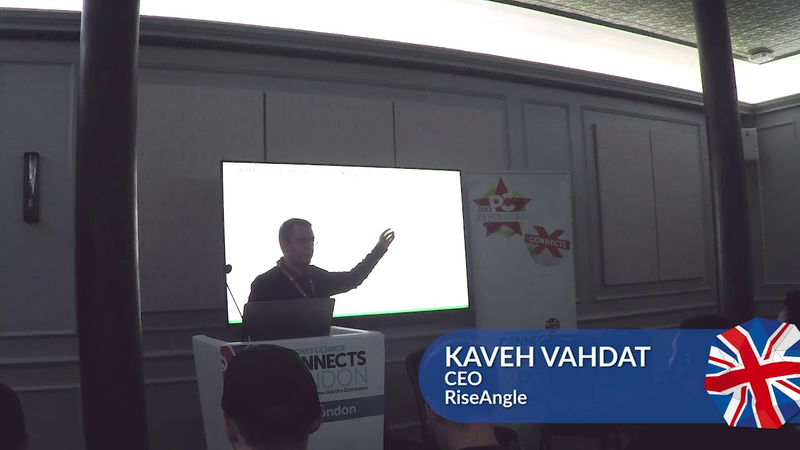
[Music] hi my name is Calvin founder and CEO of rise angle and I will talk about business of immersive games so if you are in any ways involved in developing and publishing VR and AR games or you are thinking about actually getting involved in this space there are many questions probably on your mind the first one being are we there yet now yeah and then if you are there well what is the best sector for us to focus they are or we are which platforms which honors if you are not there yet actually when is the right time to enter the market so I'm hoping at the end of
my presentation you get some insights to answers for those questions and can hopefully be a little clearer about the future a little bit about us right angle is an immersive first game company be incorporated in 2016 we have four games in the market our first AR game coin billion or AR we recently released it for App Store or VR games we have 3 PR games in the market all of them are for the low-end VR at Lascaux and here we are and also what amazes which is our most extensive IP it's also an oculus rift and we are developing it for other platforms including non VR and we are looking into third-party publishing also this year but a little bit before going to business I just want to remind us why we are so excited what we were so excited about this space and what kind of games of future we are so
excited to see I mean there are so many things we are excited about but I'm just going to mention some of them so we are excited to see games that actually let us go through or try to the stories and experience them and really lived through those stories and have unlimited opportunities to end those stories the ER it's very excited about the board that it has so many immersive experiences that we can actually go and find like-minded individuals in the emergent of immersive world that you like and later and you're gonna we think you're gonna see a board that the board is gonna be the one of the largest extended realities itself with a lot of games embedded a lot of gamification and we think as actually the borders between the actual reality and his extended reality is gonna go away and these are gonna blend we are gonna see more and more opportunities for actually make a living by playing games and I would I'm
sure that everyone here at is loves that so there are so many stats in the market as far as X are and AR and VR games they are gonna become like this size by this year etc I'm not gonna go to them I'm gonna just tell you what what's the reason you're very bullish and this a space and be thinking it's gonna happen and one of the main reasons one of the main reasons is that we think a or b or annex or are really part of the core business for large tech players including Apple Google and Facebook and they have to continue investing in this space it's not like freely optional for them giving Apple as an example they're making money by selling smartphones and watches and then now software etc and I can't imagine or I'm sure they can't imagine a board that X or smart glasses become the main data entry point for you
and they are not really a part of it so it's not really optional for them whether these X or small classes become something that it should work with your cell phone at some point or smartphone at some point or actually replace them at some point they have to be the forefront of that technology the same goes for Google and Facebook and other big players for this for different reasons actually I'm not gonna go through those that being said we are in very early days so 2018 and just a few exciting improvements in a or newer one was actually mobile a our data pudding obviously and then introduction of a standalone VR headsets was an important thing from our point of view specifically the oculus go and why focus and a mirage so low and for 2019 we expect to see a continuation of introduction of these standalone VR headsets specifically we are very excited about our class quest and also wife cosmas and the white
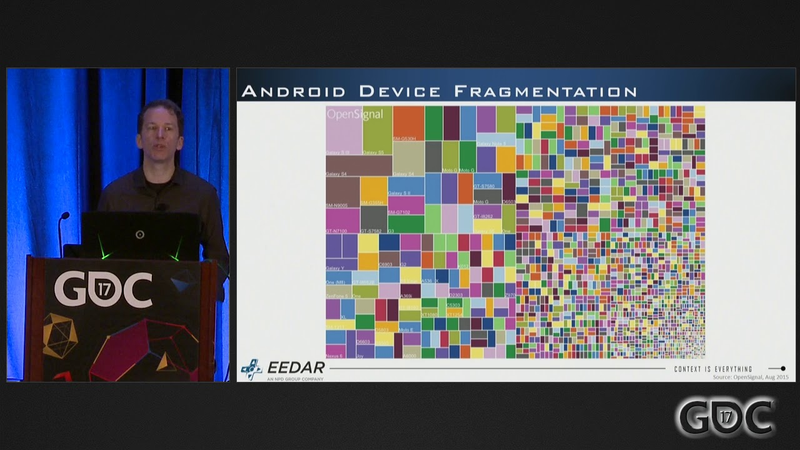
cotton was they haven't confirmed that is actually gonna be standalone and if you're also very excited to see how overall its our glasses thing or a our glasses thing plays out we think that these glasses are gonna be the future of XR and AR and VR or very lightweight headsets and we are specifically interested to see how microsoft hololens 2 is gonna play out what price point how much technology can improve their and magic loop magic lips font content fund how that is gonna play out in this year and if Apple or Facebook actually introduced any anything in data space this year so first I mean what are the challenges if you want to be in a or and VR today whether it challenges lots of platforms actually a releasing content is shipping for a lot of platform is a very difficult thing a limited user adoption user adoption is still not there I mean like not enough headsets in the hands of people quality of hardware
is not great so when it comes to BR it actually becomes a lot of motion sickness and a friction and when it comes to AR really mobile is not the best form factor for AR you really want to be hands-free you want to like interact with the board like that and then it's not very clear about the killer use cases for AR and we are are but why do we want we want to be in this space I mean these are rapidly growing markets we are really in earliest stages and by being first mover you can gain some advantages that you can't gain otherwise these are really pre hungry bird days of cell phones or smartphones or pre farmville days Facebook games so there are going to be a lot of opportunities for people who are early and is still limited presence of bigger budget competitor really not too much quality content which is an opportunity and one thing
that I would like to just pinpoint a little bit more is that you get higher initial visibility at least in VR platforms that I find to be very important so for example when you actually release a game in Apple Store or Google Play the upside actually is huge right I mean the upside is not therefore V Aria but you basically get zero visibility at the time that you actually reduce something it's not the same thing for many of the VR platforms you actually if you release a decent game you're going to get some visibility initially and that's important for actually testing for validation for actually sometimes organic growth if you know what you are doing after that so you really don't need a huge marketing budget initially and that's an advantage another thing that I want to explain is that okay so how can we get a hold of this trend and how it goes how we do we know where we are so there are a lot of tools that you can use from a penny into a sensor tower to others but one that I
really love is Google Keyword planner and just giving you some data about the demand and these are just search numbers and you can see the trailing average search numbers based on different areas by using this tool which is a tool that comes with Google Adwords with Google Adwords anyway so if you have used that one and this is my for example I think we cut this data in November and it was the past 12 months searched the u.s. monthly searches on average for example I mean at that point of time you could see that part of the script games have 12,000 average monthly searches versus for example here we are games that they are 2,400 and you could really compare platforms with each other and you can also see the ups and downs and jumps for example you see after the school games where they actually introduced it has a jump in the number of searches people we're looking for it and then it fell down if you look at the December it has gone up again you can do the same analysis actually for genres so I mean
like again we did the same thing for example you see last year when you you'll search for your shooting games of your horror games they were much more searches for those compared to VR adventure games but then again pay attention to this this is only the demand side right so if you want to like see I show the opportunities or find the opportunities you want to look at both the demand and supply side you find for example you want to go to different platforms and see actually how many games are in that a specific genre a genre in that platform and you can really drill down much more and and look for all sort of demand data and compare it with supply side and see first of all how the market is moving which platforms are actually growing where are the opportunities as far as the game genres set up there you should enter the market with what kind of games and obviously it's gonna take time to develop the game so you want to predict to someone there's some what but I'm gonna explain about that in a bit more so if I have just one thing out of everything else that I'm gonna tell you here today while
we believe that there are a lot of opportunities in this space it's a marathon is not a sprint so it's not a really get rich quick thing that we we create a game and we make millions of dollars today the are actually games in VR that they have millions of they have made me millions of dollars but they are just limited number of those games and that being said so you really wanna think have a vision for the long term and for us that means a few things and then you could just do the same so for example for us right angle is an immersive first game company not immersive only it means from the day that we start the product we think about how we want to bring that game later to mobile to consoles to PC how we can license it to toys to other things so is it like what are the possibilities also we design having that in mind so we think about game mechanics from day one from a like camera for Avatar no avatar
different it's just a matter of a few spreadsheets and then that is gonna save you a lot of time and a force later and then also another important thing is that these markets are evolving rapidly the new headsets car coming as we go forward so you really wanna have a minimum viable product approach in mind so you really don't want to go for very long-term development projects because by the time you are they're actually trending headset could have changed so you really want to release something get some data build on it build something else and basically for example one of our games or actually the MVP for our next game and our next game was episodic content which actually the first episode could give us data as far as this is gonna be successful or not is it does it have raving fans all right now so if you compare mobile AR with VR today where do we stand so as far as the
number of the devices is in favor of mobile they are so it's like about 1 billion devices now they are they are enabled versus like when we are if you exclude Google cardboard is about like 10 to 20 million headsets in the market by for mobile they are bits we are there as far as fragmentation is also less so it's like you are dealing with Google Play and I will store for the most part today compared to more headsets in the BR side but initial visibility for mobile layer is almost 0 again so I mean unless if you get featured which is very unlikely even or I mean it's not it's a game of chance at least so you cannot predict anything you are not going to get any visibility which we are actually with many of the platforms you get some visibility to start with also killer use cases are not very clear for the AR games for us but we have a strong case for killer use cases for VR games we
think that immersive interactive storytelling is going to be the future of your in a killer use case for yur I'm gonna explain a little bit more about that so I mean we think that VR is the greatest medium ever created for storytelling only second two books and that's only because of your imagination nothing more means nothing it's your imagination yet so is and that the thing is that it really takes it takes use of all of your senses from visuals immersive visual to immersive hearing haptic feedback taja smile and yeah they are not there yet but they are gonna be and and this actually gives you a very strong way of story telling and really taking people to story some people call it the story living to actually live through those stories and and actually gives you also opportunities for bringing empathy and compassion etc to games the way that you
never experienced before so word amazes our game they are one of the major VR IP is actually an episodic adventure game and in the second chapter of the game we have ghost a ghost actually cost character that has been closed up a kid that has died ages ago and doesn't know that and you really wanna tell that ghost of the kid very delicately and then actually also help that character and that character alone has made people cry in our game and that kind of power that's something that you really can't get anywhere else that being said this is actually a very short video of that game bored of me must be [Music] you must not die smell ended you have
the money Bravo good work [Music] [Applause] [Music] you are only hope so that's our first step toward immersive storytelling which we think that's gonna be the future of VR for sure and we think that this is gonna be like really like huge space but we already have it a few years from that and with that I end my presentation for us actually we are very bullish in that space in general we think it's gonna be there everything it there is a lot of first mover advantage to be there early but at the same time you think that we are very early so if you want to be in this especial right now you have to find creative ways to survive in the space until that a user adoption gets there
which actually it could gradually get there or it could be just by introduction of an awesome device or like an X or a glass as introduced by Apple or Facebook at some point be it like lower prices into the market that actually boosts their for attraction I mean an adoption by a lot thank you [Applause] [Music] you
Summary
The business of immersive gaming, specifically within the augmented reality (AR) and virtual reality (VR) sectors, represents a high-potential but nascent market that requires a long-term, strategic approach. Industry participants are currently in a phase comparable to the pre-smartphone era, where early-mover advantages exist despite significant hurdles such as limited user adoption, hardware fragmentation, and technical challenges like motion sickness and suboptimal form factors. Major technology firms, including Apple, Google, and Facebook, are heavily invested in extended reality (XR) as a core business pillar, ensuring continued innovation and the eventual mainstream integration of smart glasses and lightweight headsets.
Market analysis reveals that while mobile AR benefits from a massive installed base of approximately one billion devices, it suffers from near-zero organic discoverability. Conversely, VR platforms, though limited to an estimated 10 to 20 million headsets, offer superior initial visibility for new titles, facilitating better data collection and validation. Developers are encouraged to utilize demand-side metrics, such as Google Keyword Planner, to compare search trends across genres and platforms, balancing this data against supply-side saturation to identify viable market entry points.
Success in this space necessitates an immersive-first development philosophy, where titles are designed for cross-platform scalability and episodic content delivery to mitigate the risks of rapid hardware evolution. Adopting a minimum viable product (MVP) approach allows studios to test mechanics and gather user feedback without committing to lengthy, high-risk development cycles. Ultimately, the sector is characterized as a marathon rather than a sprint, with immersive, interactive storytelling emerging as a primary "killer use case" for VR, capable of fostering deep emotional engagement that distinguishes it from traditional gaming mediums.



















Comments