Key insights
4 slides
Beyond execution
Environment artists are integral design practitioners who actively shape core gameplay mechanics.
They do not merely execute technical tasks.
1 / 4
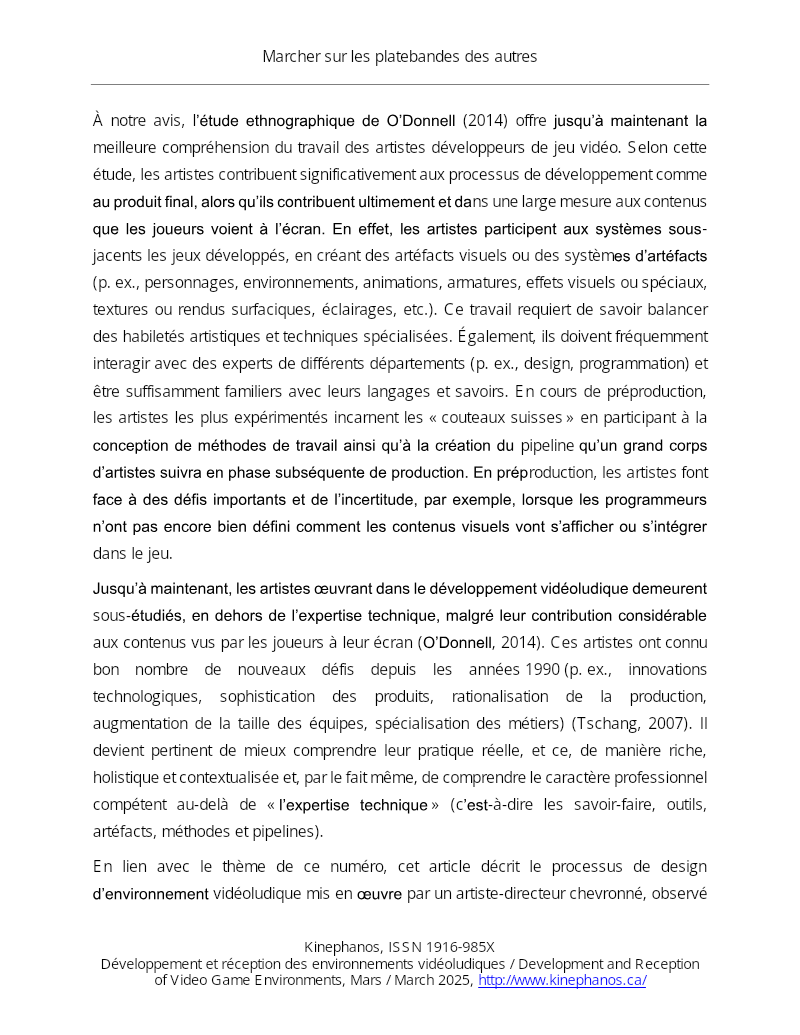
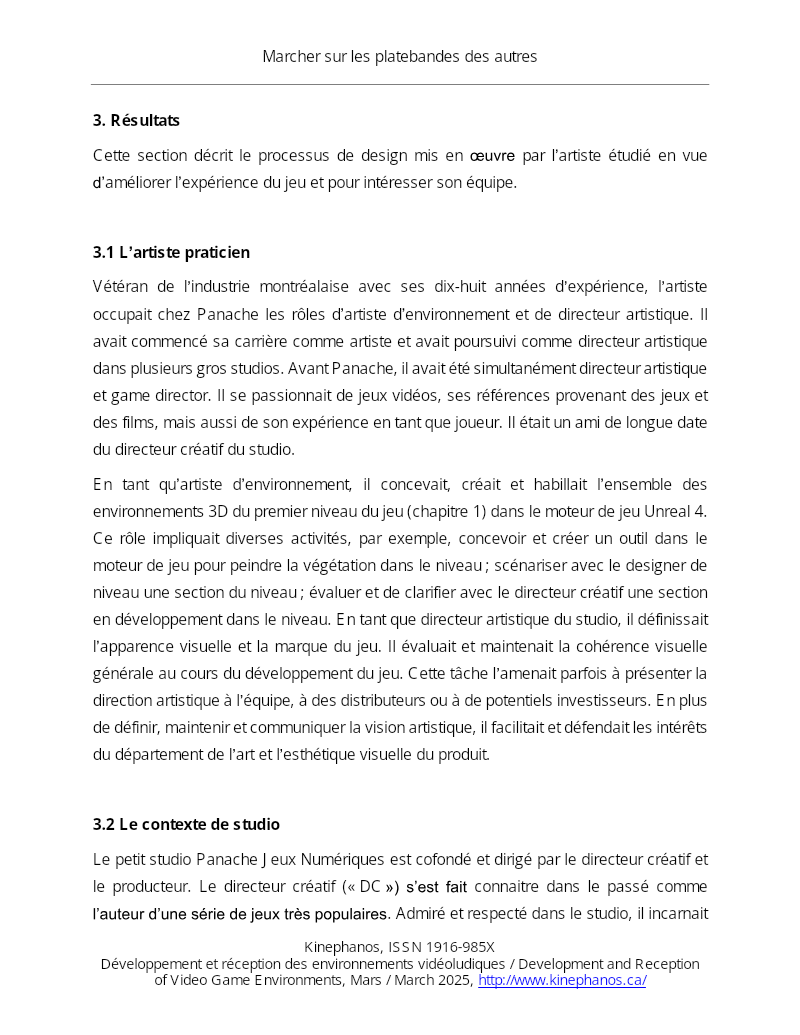
- 01Environment artists at Panache Digital Games function as integral design practitioners who actively shape core gameplay mechanics rather than merely executing technical tasks.See it on page 11
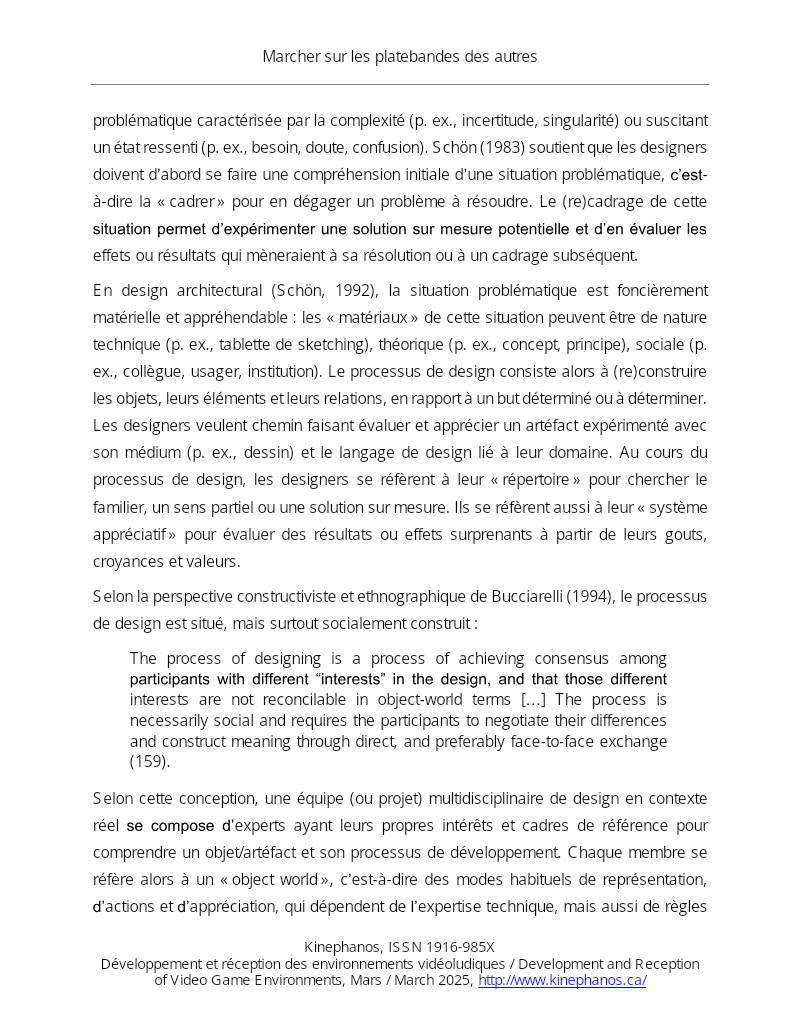
- 02The design process is a social and collaborative endeavor that requires constant negotiation between aesthetic vision, technical constraints, and multidisciplinary team requirements.See it on page 6
- 03Rapid prototyping serves as a critical tool for artists to translate abstract concepts into playable assets, effectively bridging the gap between initial design intent and final implementation.See it on page 17
- 04Environment artists frequently operate beyond traditional job descriptions by proactively addressing development gaps and taking responsibility for overall project quality.See it on page 4
- 05Successful environment design relies on reflexive problem-solving that balances technical feasibility with the broader goal of maintaining functional coherence and player immersion.See it on page 17
- 06In agile studio environments, the environment artist acts as a key mediator who aligns creative output with the strategic needs of the project and the team.See it on page 9
Ask AI about this report
Summary
Environment design in the video game industry transcends mere technical execution, functioning instead as a complex, reflexive, and situated practice. By observing professional workflows at a Montreal-based studio, specifically Panache Digital Games, it becomes clear that experienced environment artists act as integral design practitioners. These professionals navigate the intersection of aesthetic vision, technical constraints, and multidisciplinary team dynamics to shape the core gameplay experience. Rather than operating in isolation, they engage in a social process of negotiation, aligning their creative output with broader project requirements to ensure both immersion and functional coherence.
The core of this practice relies on proactive communication and the strategic use of rapid prototyping. By translating abstract concepts into tangible, playable assets, artists can effectively bridge the gap between initial design intent and final implementation. This approach allows them to influence game mechanics directly, as demonstrated by the successful integration of specific gameplay elements that emerged from an artist’s initiative to solve design challenges. This methodology highlights the importance of a collaborative, iterative environment where artists take responsibility for the project’s overall quality, often stepping beyond their traditional job descriptions to address development gaps.
Ultimately, the role of the environment designer is defined by a capacity for reflexive problem-solving that balances technical feasibility with ethical and social considerations. This model of practice suggests that in modern game development, particularly within smaller, agile studios, the environment artist serves as a critical mediator. By fostering team engagement and aligning aesthetic goals with player experience, these practitioners play a decisive role in the evolution of game design, proving that the creation of digital spaces is as much a social and strategic endeavor as it is a technical one.