Key insights
4 slides
Technological control
Filmmakers gain total technological mastery over the visual medium.
Morphing renders the cinematic image falsifiable, dissolving the boundary between biological reality and artificial construction.
1 / 4
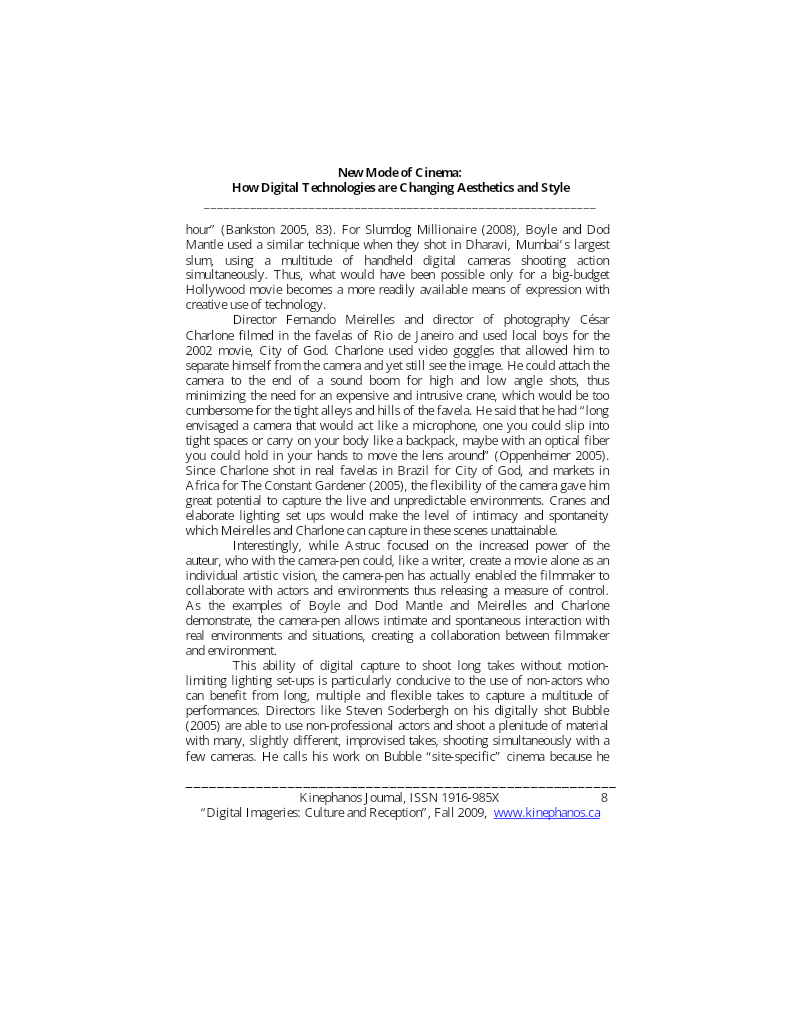
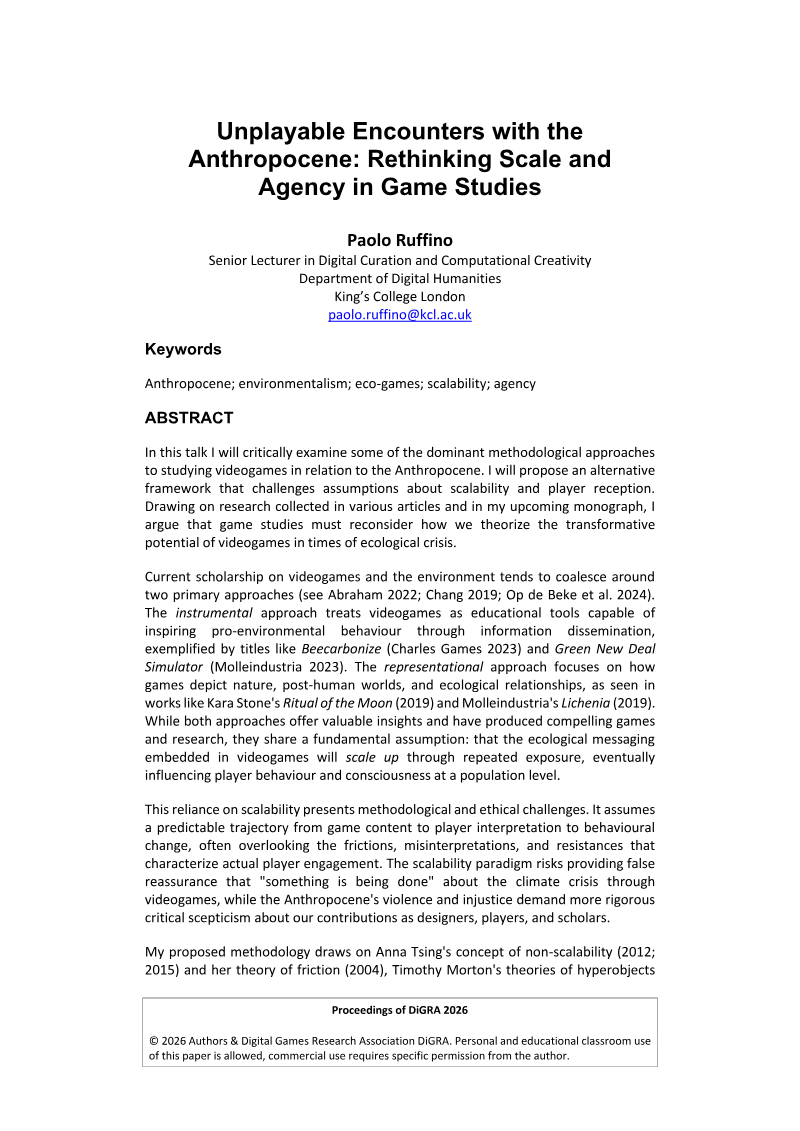
- 01Digital morphing has replaced traditional, discontinuous cinematic transitions with seamless, automated imagery, fundamentally altering the stability of the cinematic sign.See it on page 2
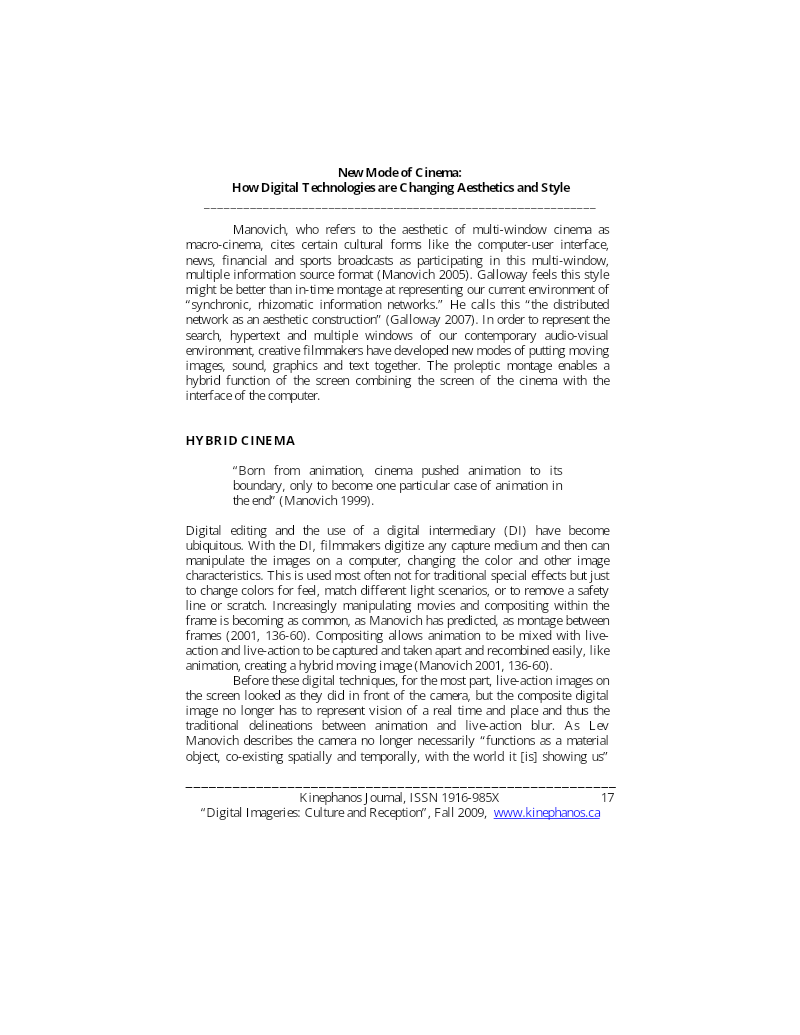
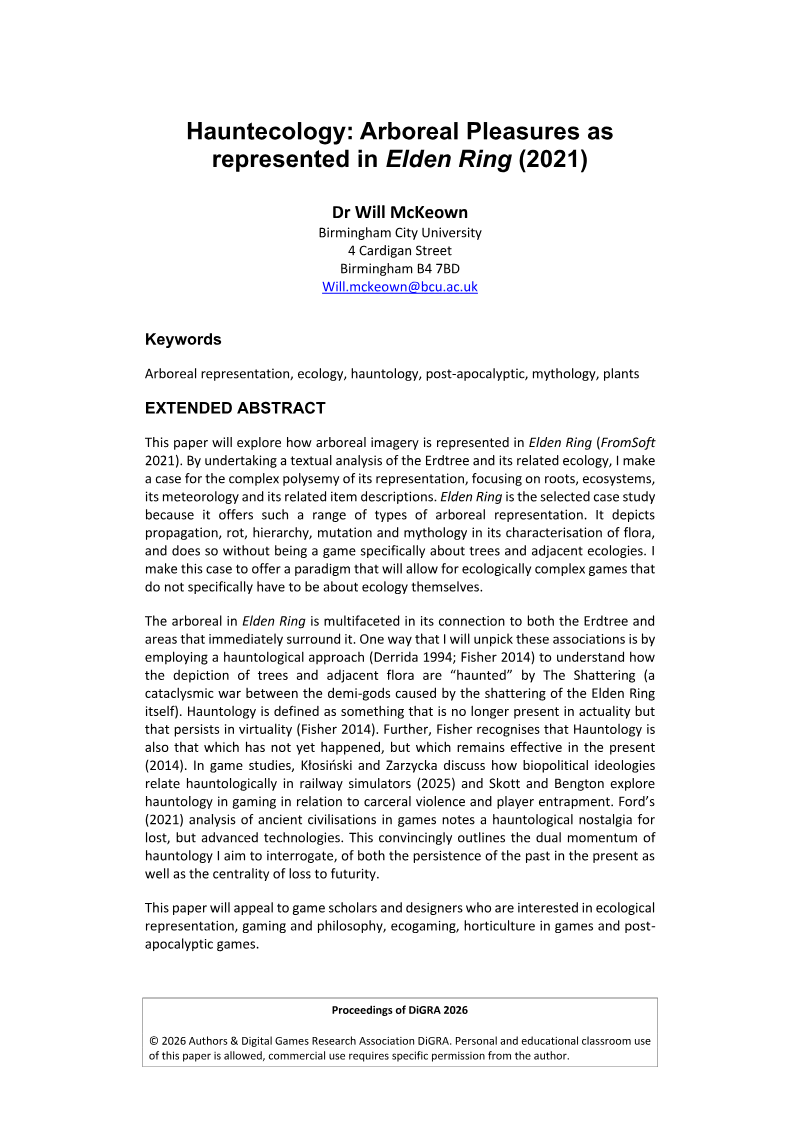
- 02The technology enables the total technological mastery of the visual medium by rendering the cinematic image falsifiable and dissolving the boundary between biological reality and artificial construction.See it on page 17
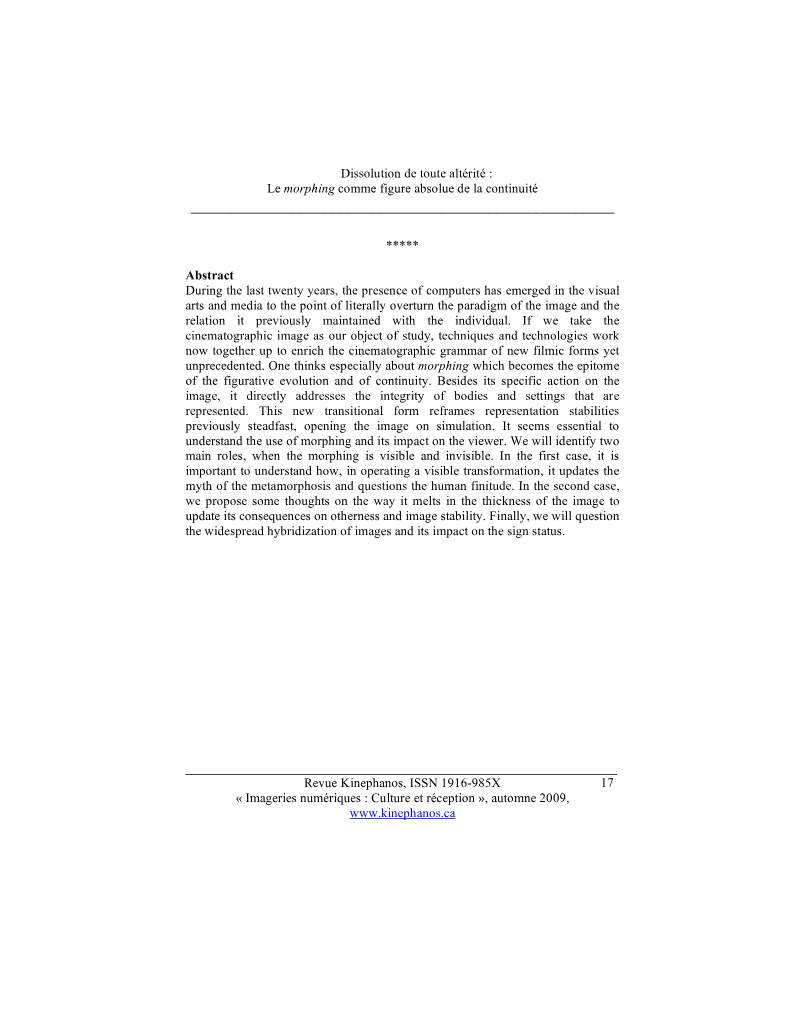
- 03Morphing facilitates a crisis of identification by allowing for the seamless substitution of actors or the synthesis of entirely new bodies that are indistinguishable from physical performers.See it on page 11
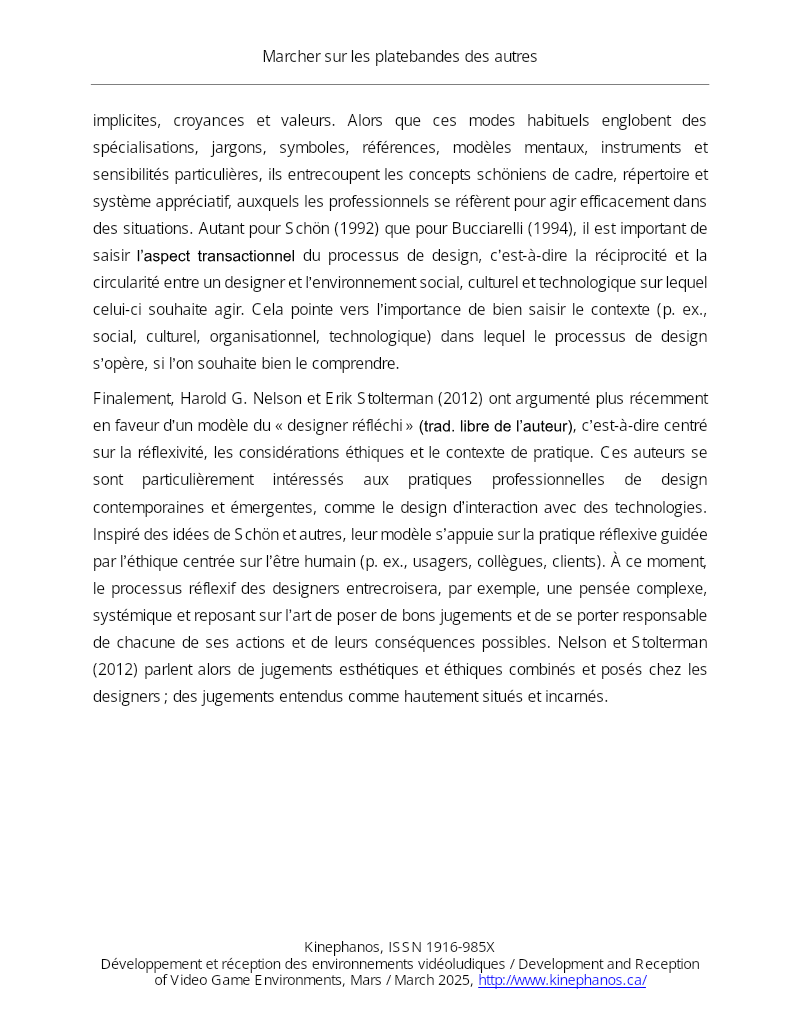
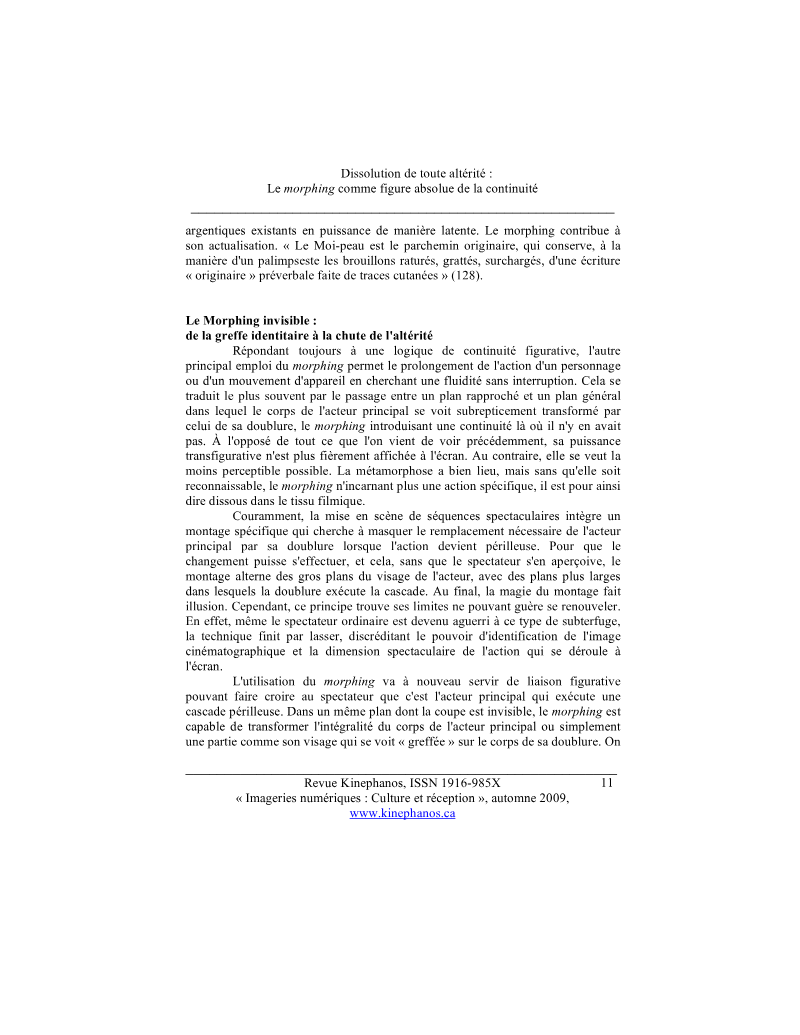
- 04The human body is increasingly reinterpreted as a dynamic, digital 'skin-ego' capable of continuous evolution and the simulation of biological finitude.See it on page 7
- 05The evolution of these techniques, ranging from early CGI to contemporary posthumous digital reconstruction, challenges the ontological status of the onscreen subject by prioritizing absolute visual continuity over the stability of the human form.See it on page 17
Ask AI about this report
Summary
Digital morphing has fundamentally transformed cinematic grammar by replacing traditional, discontinuous transitions with a seamless flow of imagery. By automating the creation of intermediate frames, this technology enables the visualization of complex temporal shifts, such as aging or metamorphosis, with unprecedented fluidity. This shift marks a transition from conventional optical representation to digital simulation, where the stability of the cinematic image is permanently altered. By rendering the sign falsifiable, morphing grants filmmakers total technological mastery over the visual medium, effectively dissolving the boundaries between biological reality and artificial construction.
Beyond its narrative utility, morphing functions as a sophisticated tool for simulating human development and biological finitude. It reinterprets the human body as a dynamic interface, or a "skin-ego," capable of manifesting sensory traces and continuous evolution. This figurative continuity allows for the seamless substitution of actors or the synthesis of entirely new bodies without disrupting the viewer's perception of identity. Consequently, the technology facilitates a profound crisis of identification, as the distinction between a physical actor and a digital reconstruction becomes increasingly indistinguishable to the audience.
This analysis covers the evolution of digital imaging techniques within the global film industry, focusing on the period spanning the rise of computer-generated imagery to contemporary posthumous digital reconstruction. By examining the intersection of narrative fluidity and the erosion of individual identity, the findings highlight a significant shift in human perception. Ultimately, while morphing expands creative possibilities, it challenges the ontological status of the onscreen subject, suggesting that the digital image has moved toward a state of absolute continuity that threatens the traditional stability of the human form.