Key insights
5 slides
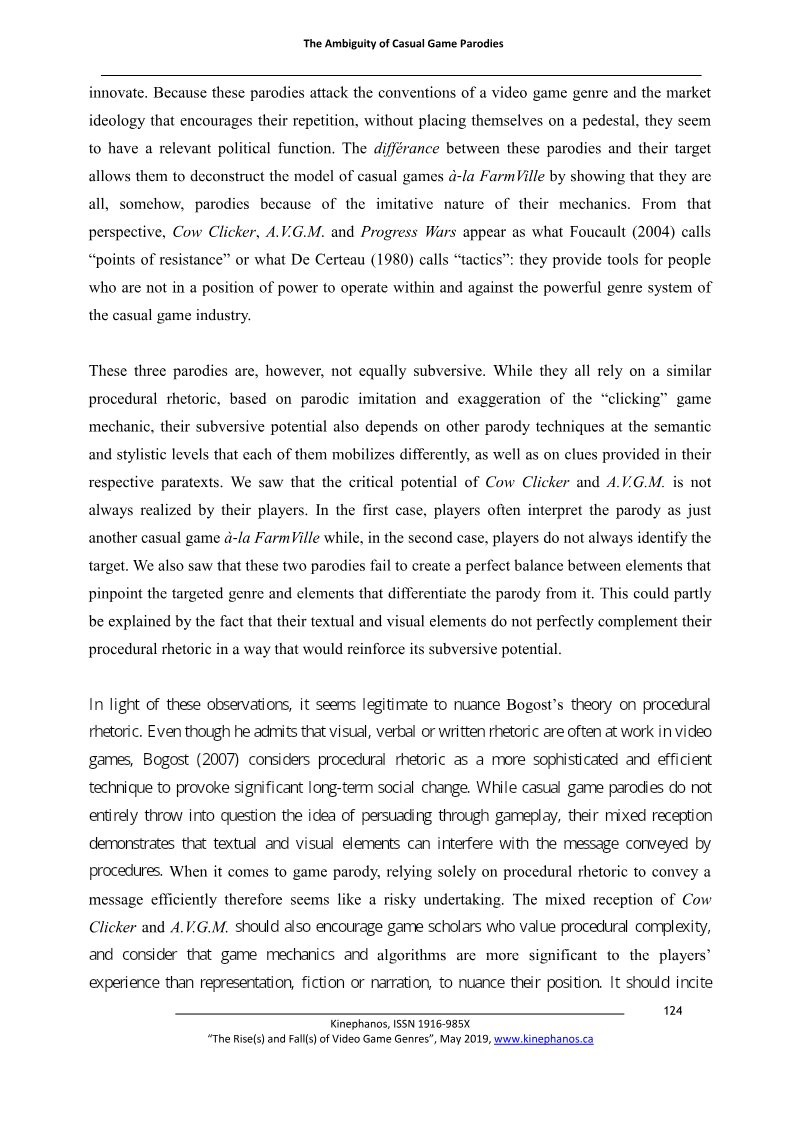
Genre appeal
Cozy games promise refuge and emotional comfort to players.
These titles are marketed as safe, low-stakes environments that prioritize player agency. They offer a necessary respite from the acceleration of modern life.
1 / 5
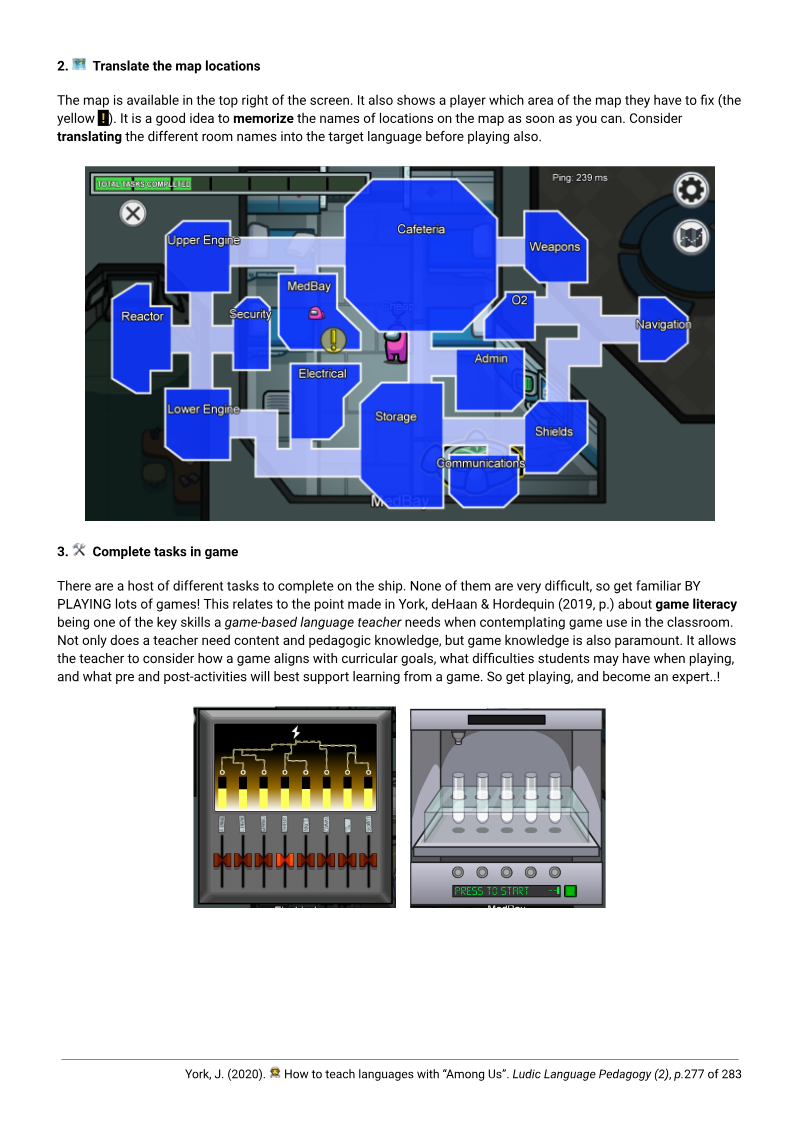
- 01Cozy games often replicate the capitalist structures they claim to escape by gamifying repetitive labor—such as farming and crafting—into frictionless, efficiency-driven loops.See it on page 11
- 02The genre’s design frequently centers the player as a singular, heroic figure, which reinforces individualistic productivity rather than fostering genuine collective interdependence.See it on page 5
- 03By marketing self-care as a predictable, consumption-driven experience, the industry has successfully commodified the desire for tranquility.See it on page 17
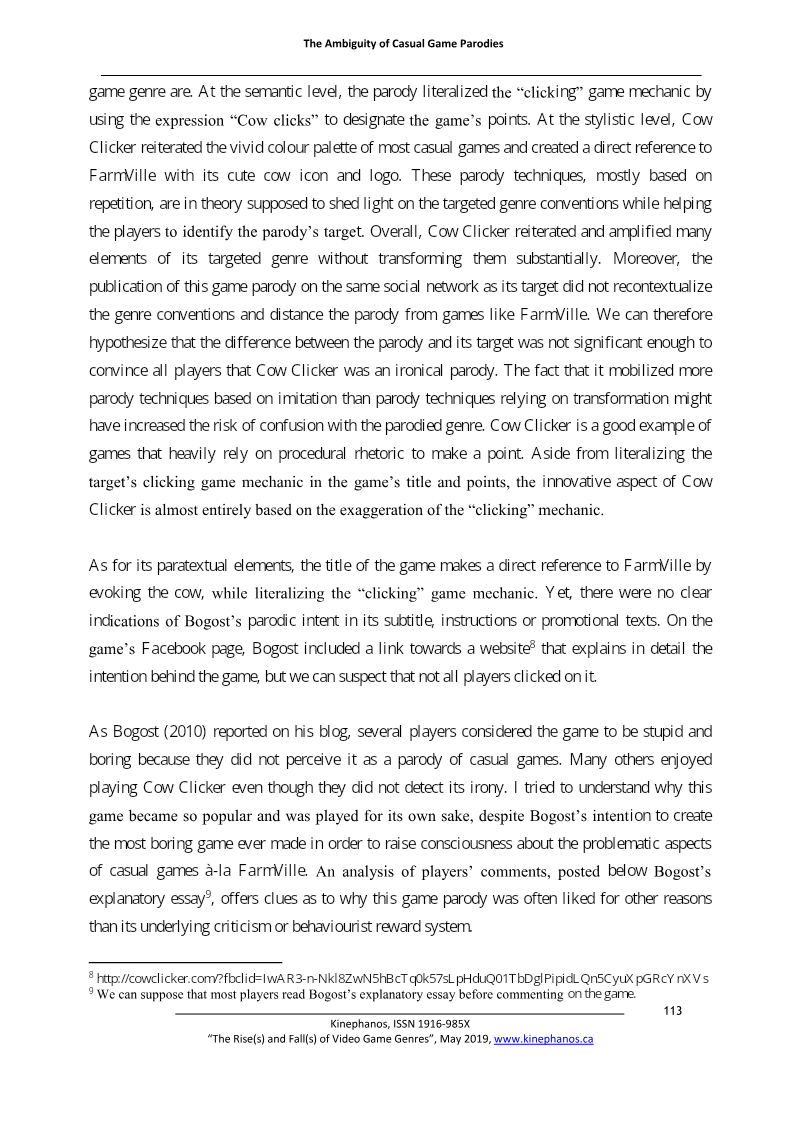
- 04The aesthetic of abundance and control in these titles masks the inherent precarity of the labor they simulate, offering a fantasy of autonomy that mirrors modern homesteading movements.See it on page 13
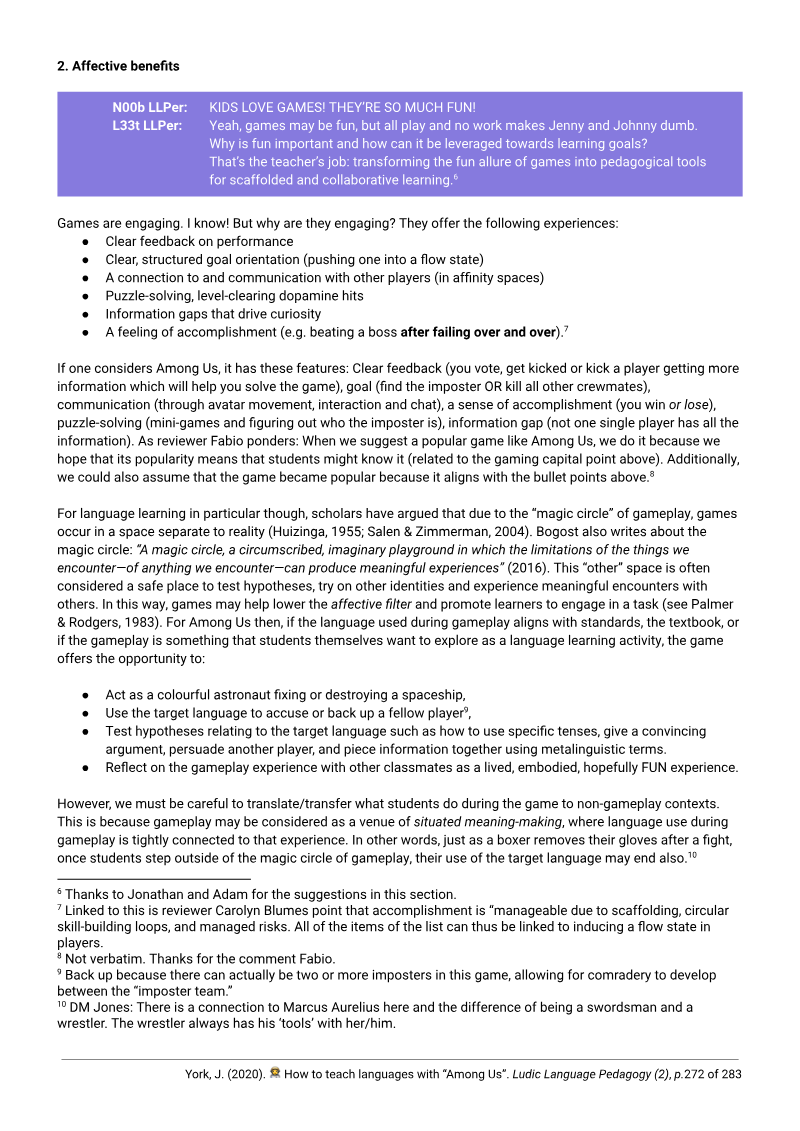
- 05To move beyond current limitations, the genre must decouple the experience of comfort from cycles of efficiency and individualistic productivity to become a site of genuine resistance.See it on page 14
Ask AI about this article
Summary
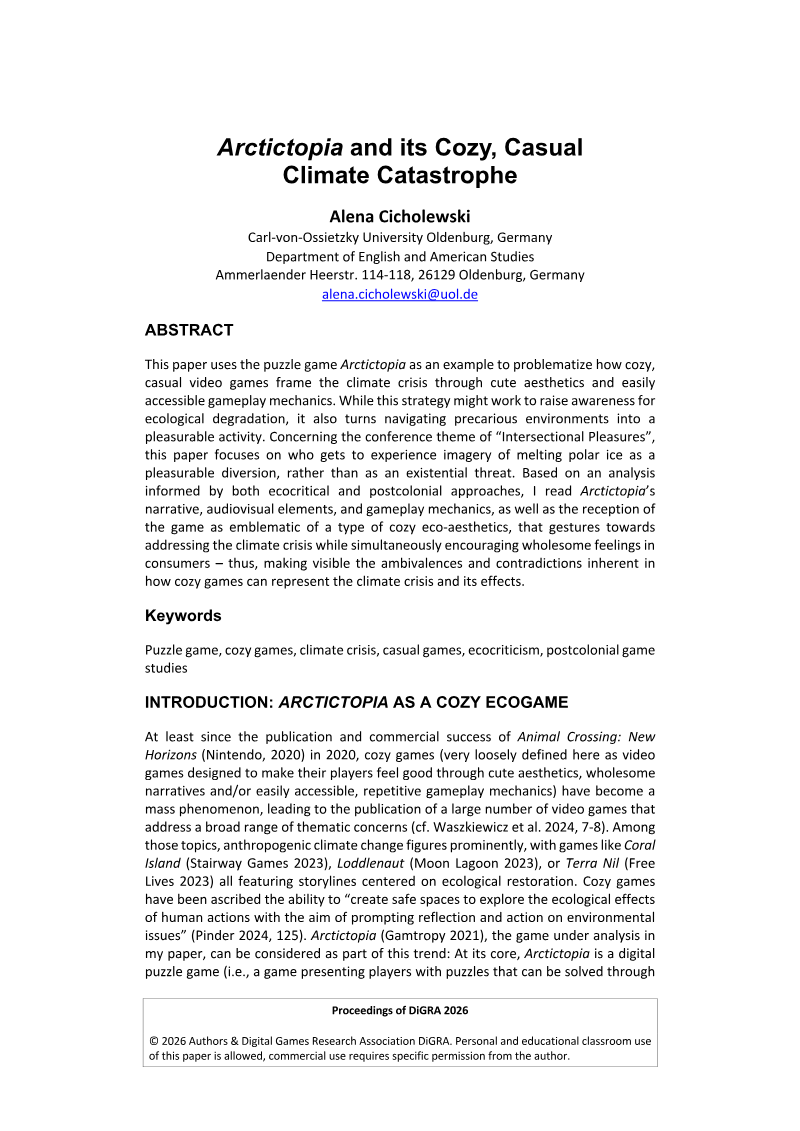
The cozy gaming genre functions as a complex cultural phenomenon that balances the promise of refuge against the realities of neoliberal production. While these titles are marketed as safe, low-stakes environments that prioritize player agency and emotional comfort, they frequently rely on repetitive labor mechanics—such as farming, crafting, and resource management—that mirror the very capitalist structures they ostensibly seek to escape. By transforming demanding physical tasks into gamified, frictionless loops, these experiences offer a fantasy of autonomy that parallels contemporary homesteading movements, yet they often mask the inherent precarity of such labor through an aesthetic of abundance and control.
A central tension exists within the genre’s design, which positions the player as a singular, heroic pillar of a community. This structure concentrates care-based labor into the hands of one individual, reinforcing a hierarchical model of productivity rather than fostering genuine collective interdependence. Although these games provide a form of radical softness and a necessary respite from the acceleration of modern life, they remain deeply integrated into commercial logics. The marketing of comfort has become a tool for commodifying self-care, effectively turning the desire for tranquility into a predictable, consumption-driven experience.
Ultimately, the genre occupies a paradoxical space where the potential for political subversion is frequently neutralized by the demands of the gaming industry. To move beyond the limitations of the current feel-good aesthetic, a more militant approach to coziness is required—one that decouples the experience of comfort from the cycles of efficiency and individualistic productivity. By critically re-evaluating how labor and care are represented, it is possible to reclaim these digital spaces as sites of genuine resistance against a cynical and demanding cultural ecosystem, transforming the cozy game from a commercial product into a framework for radical, sustainable alternatives.