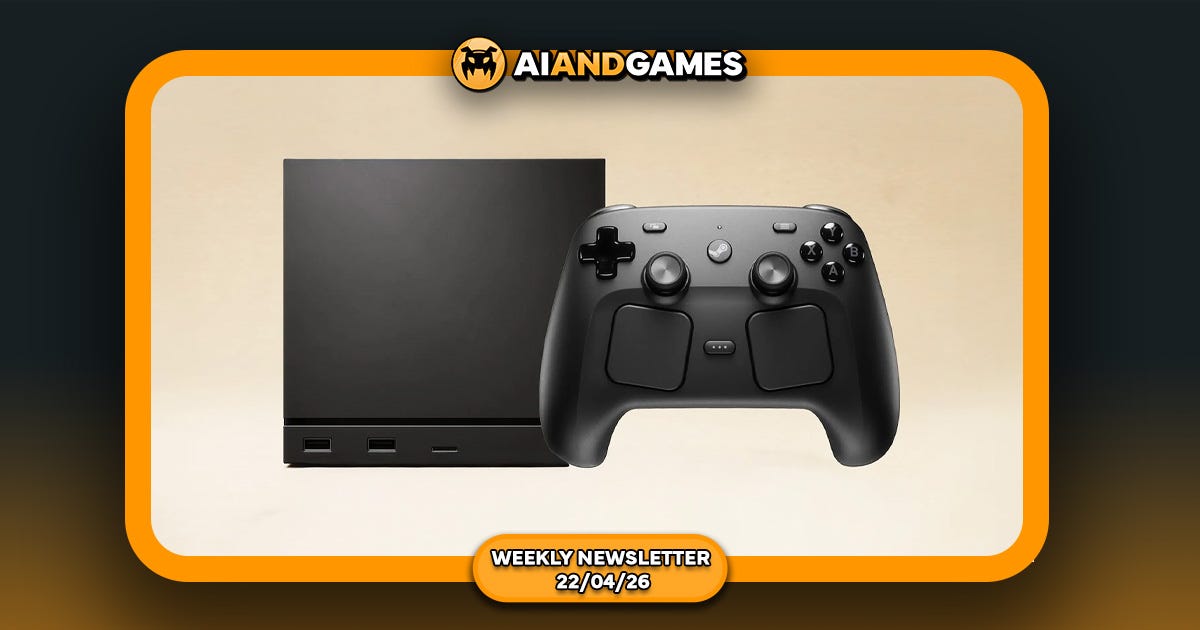
The gaming industry is currently navigating a severe hardware supply crisis characterized by significant price volatility and component shortages. This instability stems from a fundamental shift in semiconductor manufacturing priorities, where producers are increasingly diverting resources toward High-Bandwidth Memory (HBM) to satisfy the explosive demand from the artificial intelligence sector. Because HBM and traditional consumer-grade DRAM share the same fabrication infrastructure, the prioritization of high-margin AI components has created a critical bottleneck that directly impacts the availability and affordability of essential gaming hardware.
The economic consequences of this supply chain realignment are profound, most notably evidenced by a 400% surge in DDR5 RAM prices over a nine-month period. This inflationary pressure extends across the broader gaming ecosystem, forcing manufacturers to delay product launches and pass increased production costs onto consumers through higher retail prices for major consoles and virtual reality headsets. The situation is further complicated by the inherent complexity of semiconductor fabrication, a limited number of global production facilities, and ongoing geopolitical and energy-related dependencies that hinder rapid supply adjustments.
This crisis represents a structural transformation in the global semiconductor market, as major memory producers pivot away from consumer-facing segments to capitalize on the lucrative AI datacenter market. While the current landscape remains defined by scarcity and rising costs, the industry is beginning to explore long-term mitigation strategies. Future developments, including the expansion of domestic semiconductor manufacturing and emerging research into alternative memory technologies, will be essential in determining whether the gaming sector can stabilize its hardware supply chain against the persistent demands of the AI industry.
AI and Games · 2026
AI and Games · 2026

AI and Games · 2026
AI and Games · 2026

AI and Games · 2026
AI and Games · 2026
AI and Games · 2026
AI and Games · 2026
AI and Games · 2026
AI and Games · 2026
AI and Games · 2026
AI and Games · 2026

Perforce · 2024
Unity · 2026
Video Game Insights · 2025
Konvoy · 2025
modl.ai · 2025
VG Insights · 2025
Game Developers Conference · 2025

Google Cloud · 2025
Informa · 2024
Drake Star Partners · 2024
Perforce · 2024
GREE · 2017