ArticleAI and Games
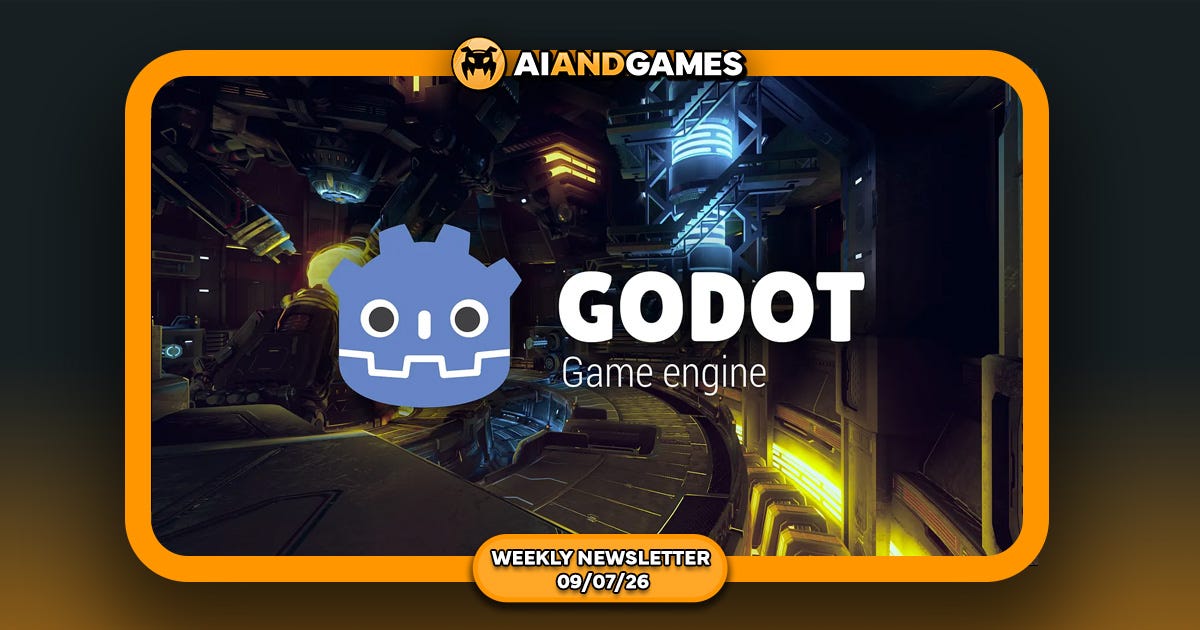
Godot Makes the Right Call in Blocking AI Code in Their Engine
9 Jul 20261 pages~14 min full read
The Godot Foundation’s decision to prohibit the use of generative AI in code contributions and review processes represents a strategic effort to maintain software integrity and project sustainability. As of June 30, 2026, the engine’s updated contribution policy mandates that all submitted code must be human-authored, with the foundation implementing automated bans for users who repeatedly submit AI-generated content. This policy shift addresses the growing challenge of low-quality, automated pull requests that overwhelm the engine’s small, community-driven maintenance team.
The core thesis is that reliance on AI-generated code undermines the long-term health of open-source projects by eroding the developer's deep understanding of the codebase. Effective engine maintenance requires contributors to internalize the system's architecture to ensure new features integrate seamlessly and perform reliably. Because AI models often produce code without a comprehensive grasp of the existing project structure, they create a "black box" effect where contributors cannot adequately debug or take responsibility for their submissions. This lack of accountability is identified as a significant risk to the stability and future development of the engine.
This development reflects a broader trend in the 2026 software industry, where the rapid advancement of agentic coding tools—such as Anthropic’s Claude Code—has normalized the automation of complex, multi-file programming tasks. While these tools offer efficiency gains in enterprise environments, their application in open-source contexts creates a disconnect between the contributor and the product. By enforcing these restrictions, the Godot Foundation prioritizes the cultivation of a knowledgeable community capable of sustaining the engine, rather than accepting the influx of potentially unmaintainable, AI-generated contributions.
AI and Games · 2026

AI and Games · 2026
AI and Games · 2026
AI and Games · 2026

AI and Games · 2026
AI and Games · 2026
AI and Games · 2026
AI and Games · 2026
AI and Games · 2026
AI and Games · 2026
AI and Games · 2026
AI and Games · 2026

Perforce · 2024
Unity · 2026
Video Game Insights · 2025
Konvoy · 2025
modl.ai · 2025
VG Insights · 2025
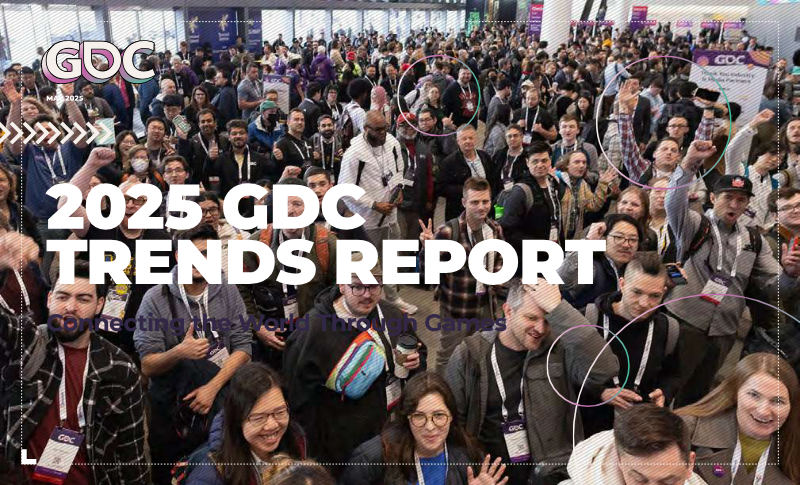
Game Developers Conference · 2025
Google Cloud · 2025
Informa · 2024
Drake Star Partners · 2024
Perforce · 2024
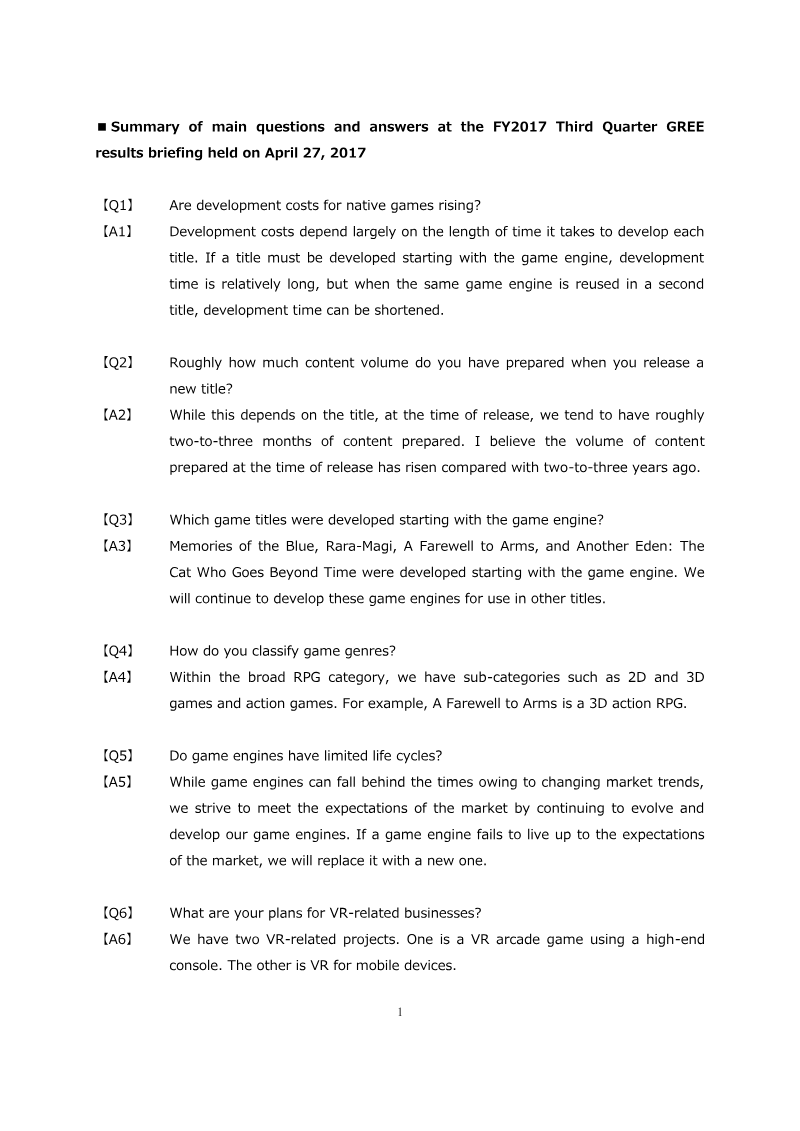
GREE · 2017