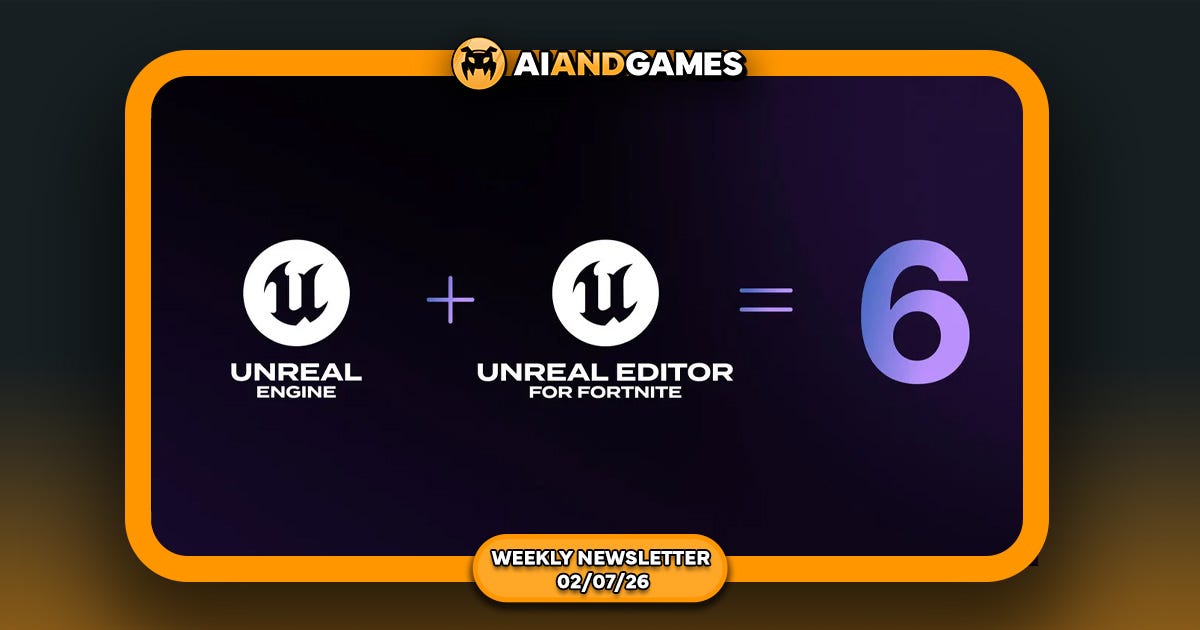
The announcement of Unreal Engine 6 represents a significant strategic shift for Epic Games, prioritizing the integration of the Unreal Engine for Fortnite (UEFN) ecosystem over the traditional needs of the broader game development industry. By aiming to merge standard engine workflows with UEFN, Epic is signaling a move toward a platform-centric model that emphasizes interoperable content and metaverse-style development. This transition includes the deprecation of existing scene modeling and visual scripting tools like Blueprints in favor of a new Scene Graph framework, alongside a push to replace C++ with the proprietary Verse programming language.
Key technical updates include the introduction of a Model Context Protocol server, which enables native integration of Large Language Models (LLMs) to assist with environment design and asset management. However, these features face practical hurdles, including high token costs, significant latency in generation times, and concerns regarding context management and multi-user interoperability. While these tools are presented as workflow optimizations, their current implementation as experimental plugins suggests they are not yet ready for large-scale production environments.
The industry reaction highlights a disconnect between Epic’s leadership vision and the requirements of professional developers. The forced migration toward proprietary tools and languages threatens to disrupt established production pipelines, academic training programs, and the existing C++ talent ecosystem. By prioritizing the "Robloxification" of Fortnite, Epic risks alienating the professional studios that have historically relied on the engine’s flexibility and industry-standard practices. Ultimately, these changes appear to serve Epic’s internal goal of sustaining the Fortnite platform rather than addressing the functional needs of the wider development community, potentially leading many studios to maintain older, more stable versions of the engine to avoid costly and disruptive transitions.
AI and Games · 2026
AI and Games · 2026
AI and Games · 2026
AI and Games · 2026

AI and Games · 2026
AI and Games · 2026
AI and Games · 2026
AI and Games · 2026
AI and Games · 2026
AI and Games · 2026
AI and Games · 2026
AI and Games · 2026

Perforce · 2024
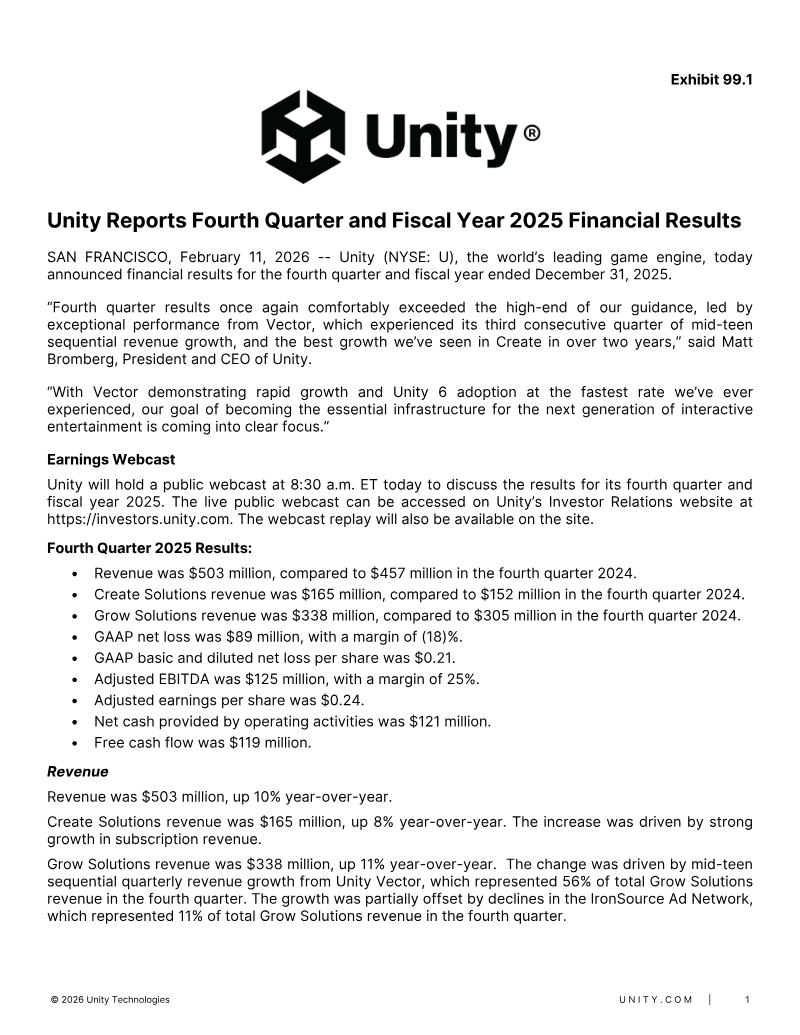
Unity · 2026
Video Game Insights · 2025
Konvoy · 2025
modl.ai · 2025
VG Insights · 2025
Game Developers Conference · 2025
Google Cloud · 2025
Informa · 2024
Drake Star Partners · 2024
Perforce · 2024
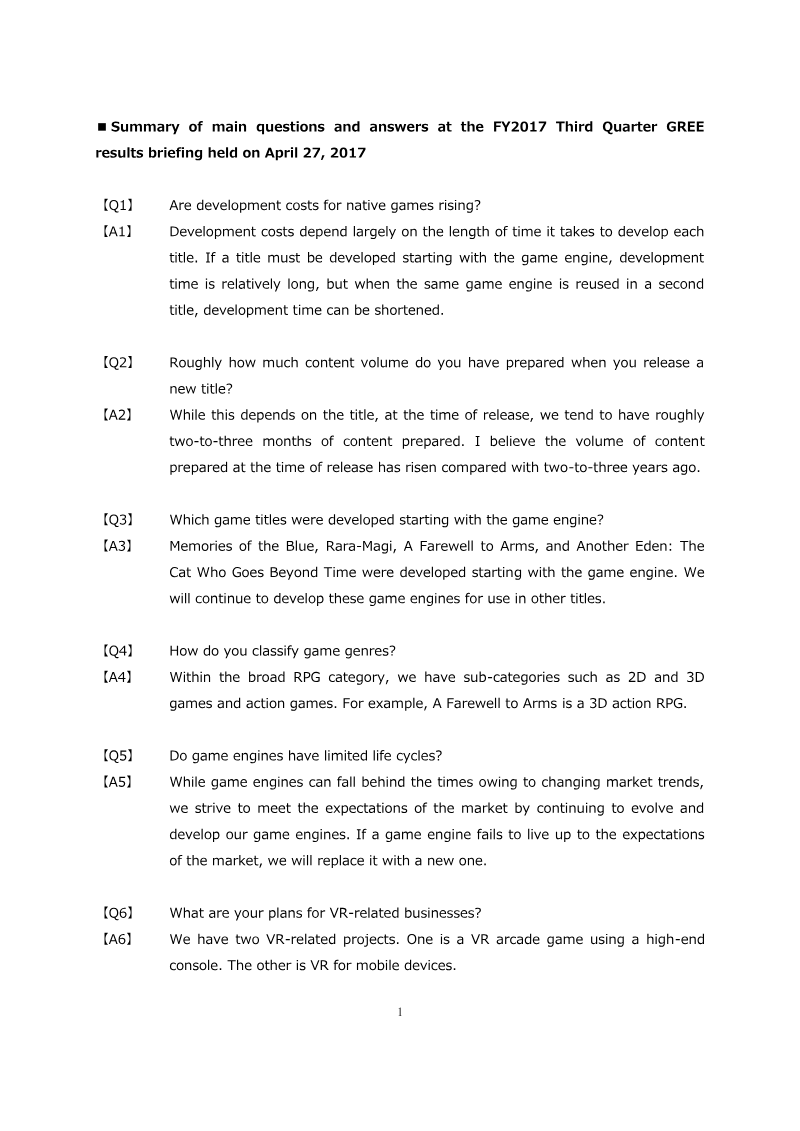
GREE · 2017