ArticleAI and Games
What Does the EU's AI Transparency Rules Mean for Games
6 Aug 20261 pages~27 min full read
Key insights
8 slides
The new rule
EU AI Act mandates transparency for AI-generated content.
The Act requires machine-readable metadata labeling for AI-generated images, audio, and video. It also requires informing users when they interact with AI systems.
August 2026
Effective date for EU AI Act transparency rules
The financial stakes
Non-compliance can result in fines up to 15 million euros.
Fines can reach 15 million euros or three percent of annual global turnover.
Maximum fine. Fines can reach €15 million or 3% of worldwide annual turnover, whichever is higher.
€15 million
Maximum fine for non-compliance with transparency obligations
- of worldwide annual turnover
- 3%
The definition gap
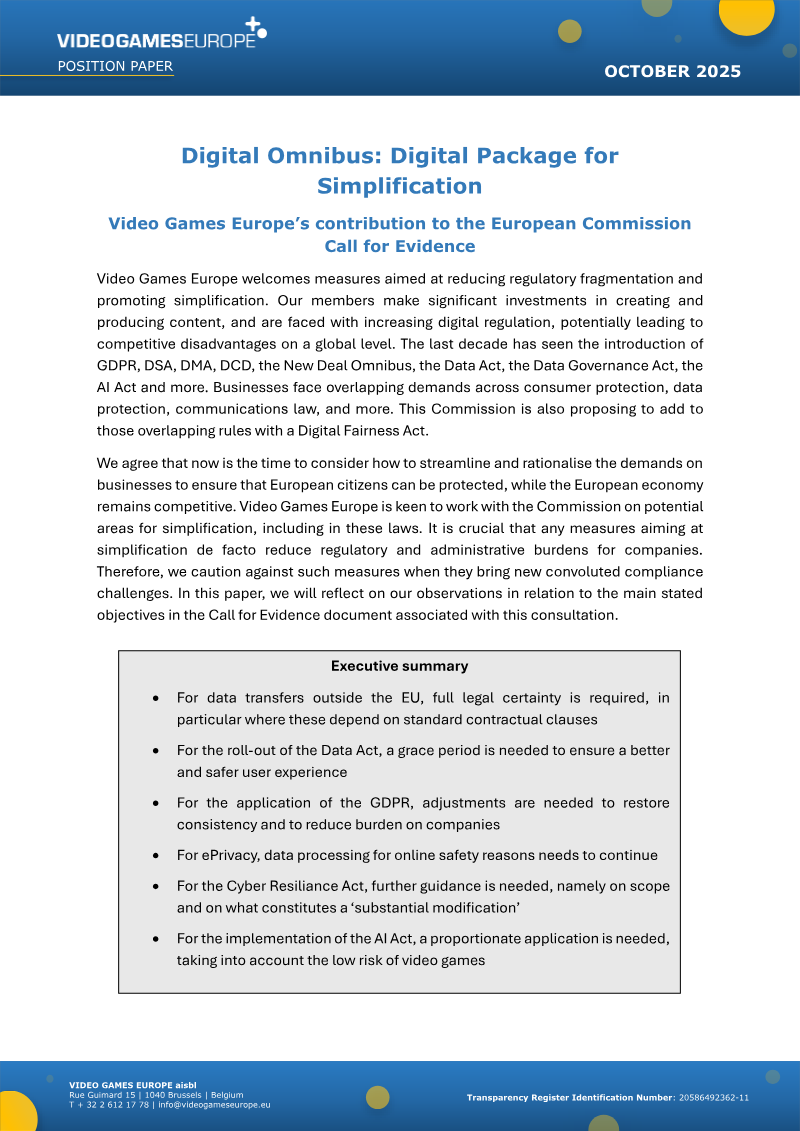
The Act defines AI broadly, including logic-based approaches.
The definition includes systems capable of inference through machine learning or logic/knowledge-based approaches. This can influence physical and virtual environments and derive models from data.
The risk boundary
Games are generally minimal risk, but boundaries remain unclear.
Video games are generally considered 'Minimal' or 'Low Risk' under the Act. The line between permissible game design and regulated AI transparency remains an open question.
Growing interest
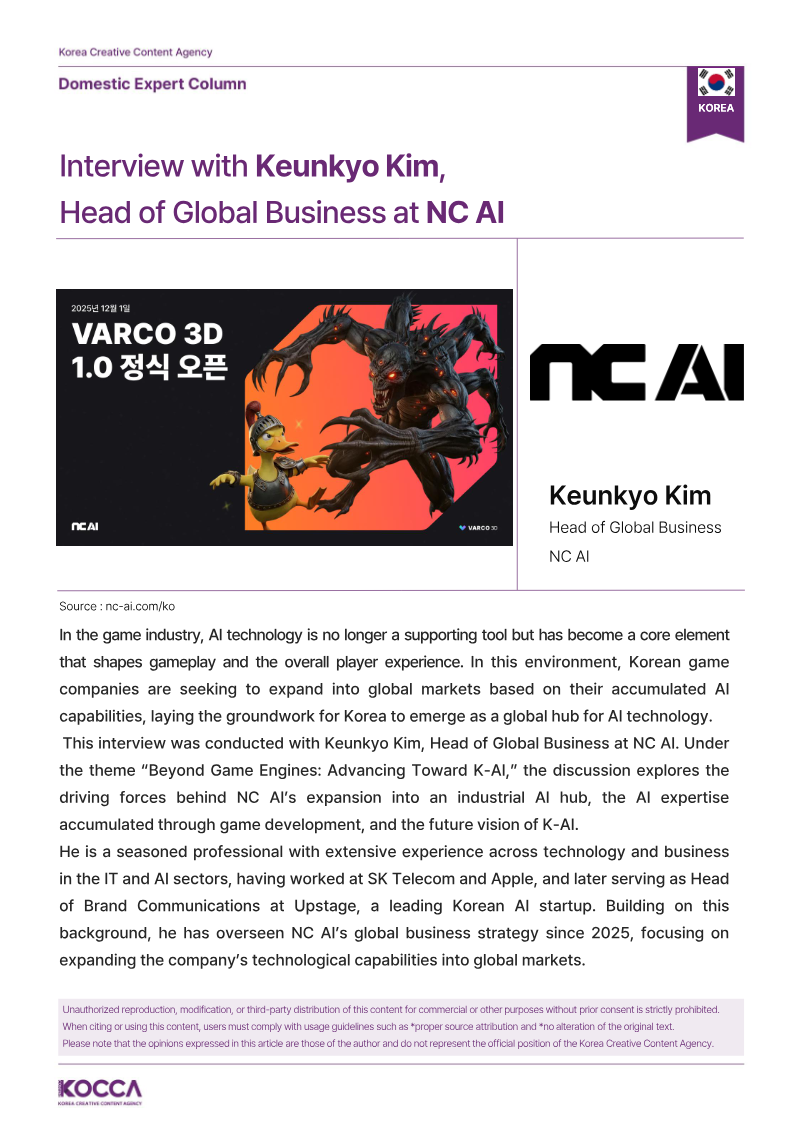
AI and Games Conference received a record number of submissions.
The 2026 conference received a record number of talk submissions. These exceeded those for GDC's Game AI Summit and Gamescom Dev's AI-themed submissions.
Industry practice
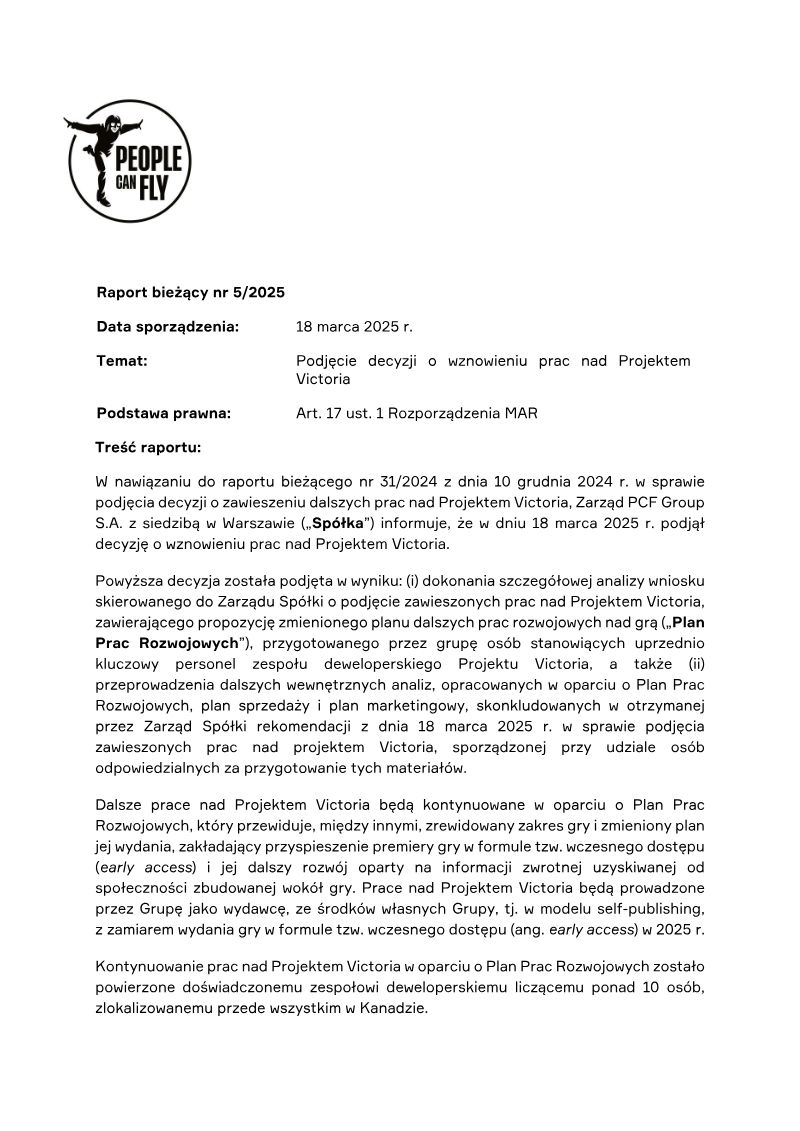
Tencent Games uses deep reinforcement learning for combat AI.
Tencent Games utilizes deep reinforcement learning and LLM-powered pipelines for combat AI in 'Roco Kingdom'. It is also exploring Generative AI for 3D character animation.
The path forward
Standardized disclosure practices are needed to navigate the landscape.
The industry faces a critical need for standardized disclosure practices. Without precise definitions, developers remain vulnerable to regulatory overreach and inconsistent enforcement.
The core problem
Lack of distinction between game logic and machine learning.
The primary challenge is the lack of a clear distinction between traditional game logic and modern machine learning models. This technical opacity leaves developers in persistent uncertainty.
1 / 8
Ask AI about this report