
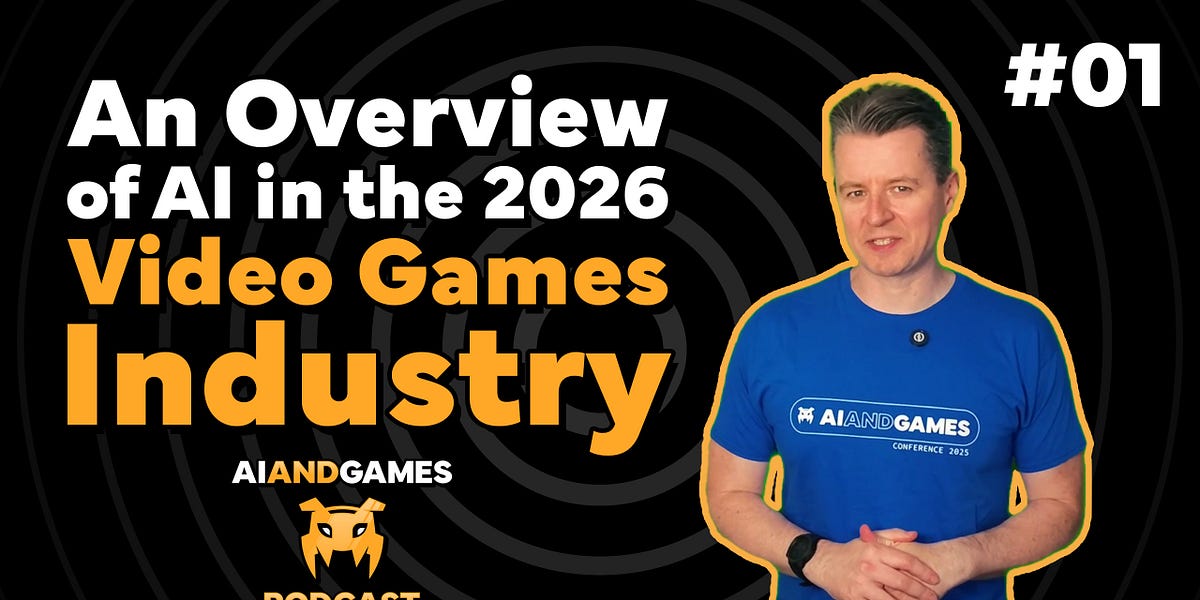
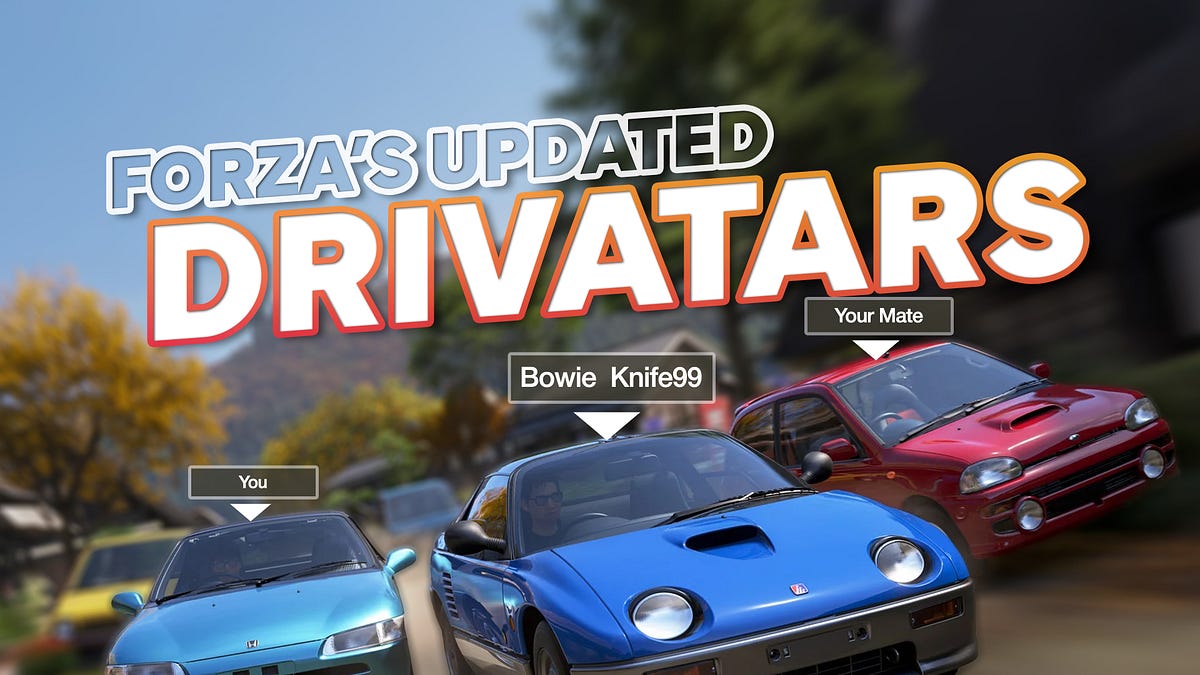
The gaming landscape of 2026 is defined by a diverse array of titles that prioritize mechanical innovation and narrative depth over traditional blockbuster spectacle. Standout experiences such as Outhold, Resident Evil: Requiem, Forza Horizon 6, Pragmata, Vampire Crawlers, and Deep Rock Galactic: Survivor represent the current industry vanguard. Notably, these preferences signal a shift in critical interest, as highly anticipated mainstream releases like Grand Theft Auto VI fail to capture the same level of enthusiasm as these more focused, strategically complex projects.
Beyond individual game assessments, the industry is currently navigating a pivotal transition regarding the integration of generative artificial intelligence. Ethical debates remain at the forefront of development discourse, particularly concerning the implementation of AI-generated voice acting, as exemplified by recent initiatives at Embark Studios. These technological shifts are shaping the broader professional conversation, necessitating ongoing analysis of how automated tools influence both the creative process and the long-term trajectory of game design.
This mid-year assessment serves as a comprehensive pulse check on the global gaming sector, bridging the gap between consumer-facing software reviews and professional industry development. The scope encompasses a wide range of international gaming trends, supported by upcoming industry events such as Gamescom Dev and the AI and Games Conference. By synthesizing these developments, the current state of the industry reveals a sector increasingly preoccupied with the intersection of emerging technology, community-driven development, and a refined focus on high-quality, innovative gameplay experiences.

AI and Games · 2026

AI and Games · 2026

AI and Games · 2026

AI and Games · 2026
AI and Games · 2026
AI and Games · 2026

AI and Games · 2026

AI and Games · 2026
AI and Games · 2026
AI and Games · 2026
AI and Games · 2026
AI and Games · 2026

Ubisoft · 2026

Newzoo · 2026
Newzoo · 2026
Aream & Co · 2026
Epyllion · 2026
Aream & Co · 2025
Newzoo · 2025
Aream & Co · 2025
Epyllion · 2025
Alinea Analytics · 2025

Sensor Tower · 2025
Newzoo · 2025