1 free read left. Create a free account for unlimited reading + AI research.
Create free accountArticle Game Studio Unlocked
1 free read left. Create a free account for unlimited reading + AI research.
Create free accountArticleGame Studio Unlocked
Addressing uncertainty before over-committing resources helps manage financial risk.
Game development functions most effectively when structured as a seven-phase lifecycle designed to mitigate financial risk and prevent premature commitment to unproven ideas. The process begins with brainstorming, rapid prototyping, concept bolstering, and pre-production, which collectively serve to validate core mechanics and technical feasibility. By prioritizing strategic infrastructure and iterative testing over the early creation of polished assets, studios can identify potential failures early, significantly reducing the long-term costs associated with pivoting or correcting fundamental design flaws.
As projects transition into production, closing, and post-launch support, the focus shifts toward maintaining discipline against scope creep and the tendency toward excessive gold-plating. Success in these later stages relies on the consistent application of minimum viable product principles and rigorous, continuous testing cycles. While these phases often overlap in practice, maintaining clear leadership and explicit decision-making frameworks remains essential for ensuring that development remains sustainable and aligned with the original vision.
This framework applies to the global game industry, providing a comprehensive guide for studios navigating the complexities of modern software creation. By treating development as a series of strategic decision points rather than a rigid, linear execution path, teams can better manage resources and ensure a higher quality of output. Ultimately, the integration of these seven phases provides a robust roadmap for delivering successful, market-ready titles while minimizing the operational inefficiencies that frequently plague large-scale interactive entertainment projects.

Game Studio Unlocked · 2026
Game Studio Unlocked · 2026
Game Studio Unlocked · 2026

Game Studio Unlocked · 2026
Game Studio Unlocked · 2026
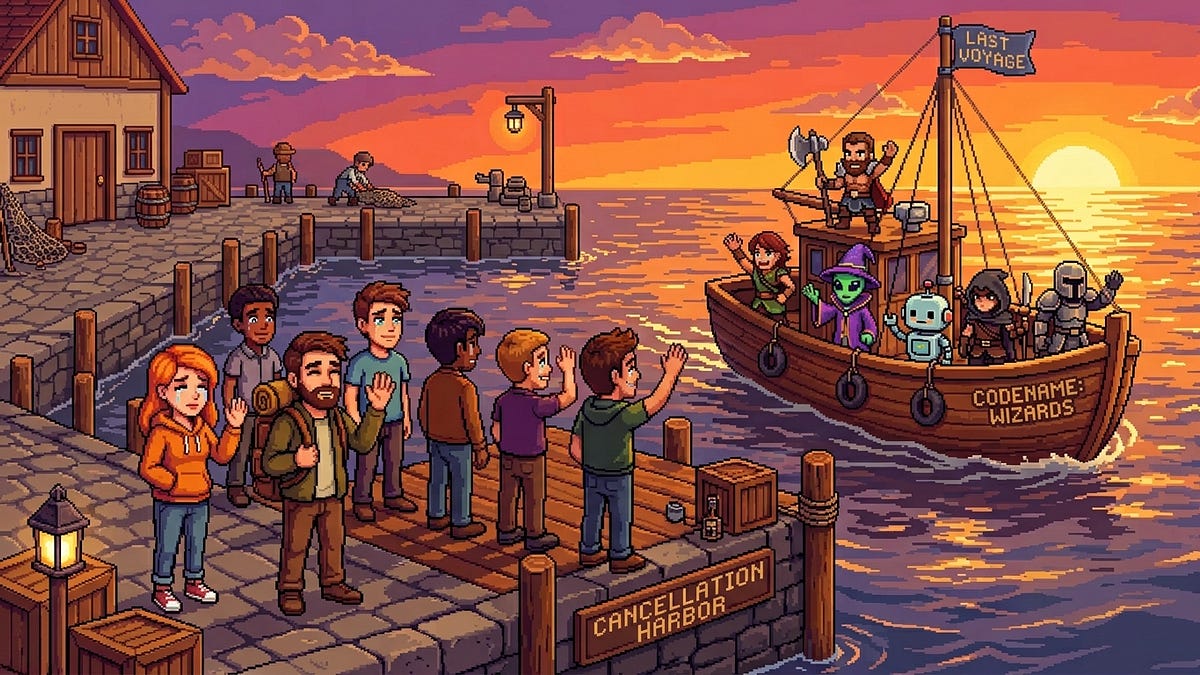
Game Studio Unlocked · 2026
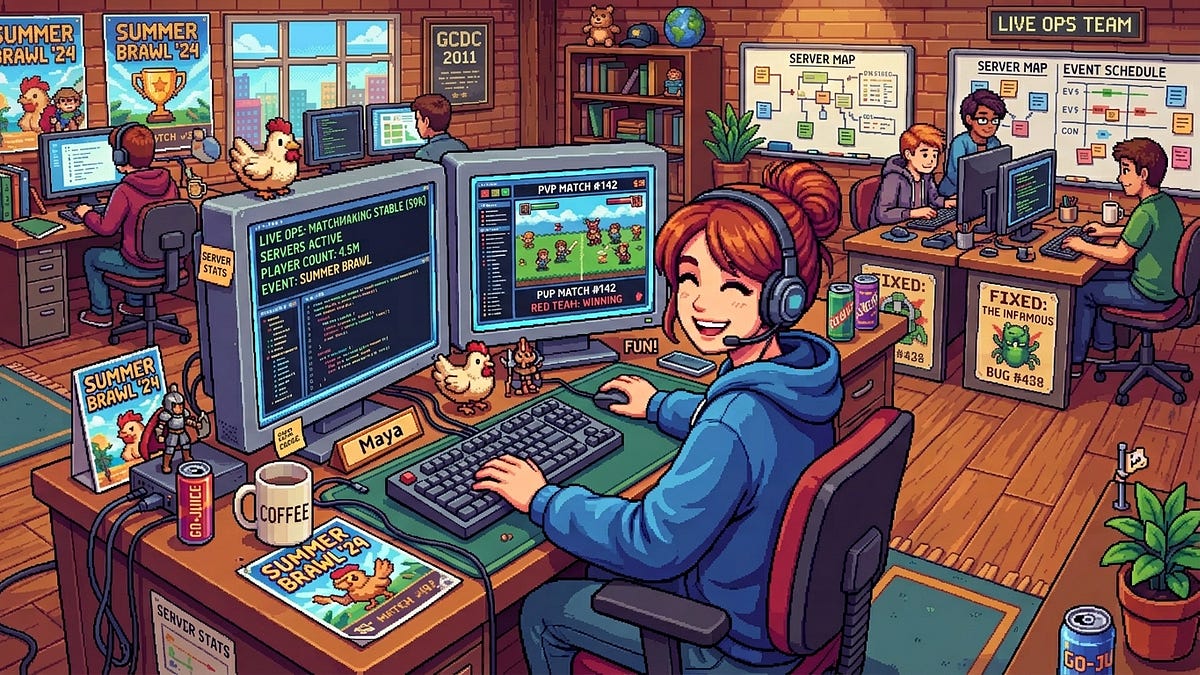
Game Studio Unlocked · 2026
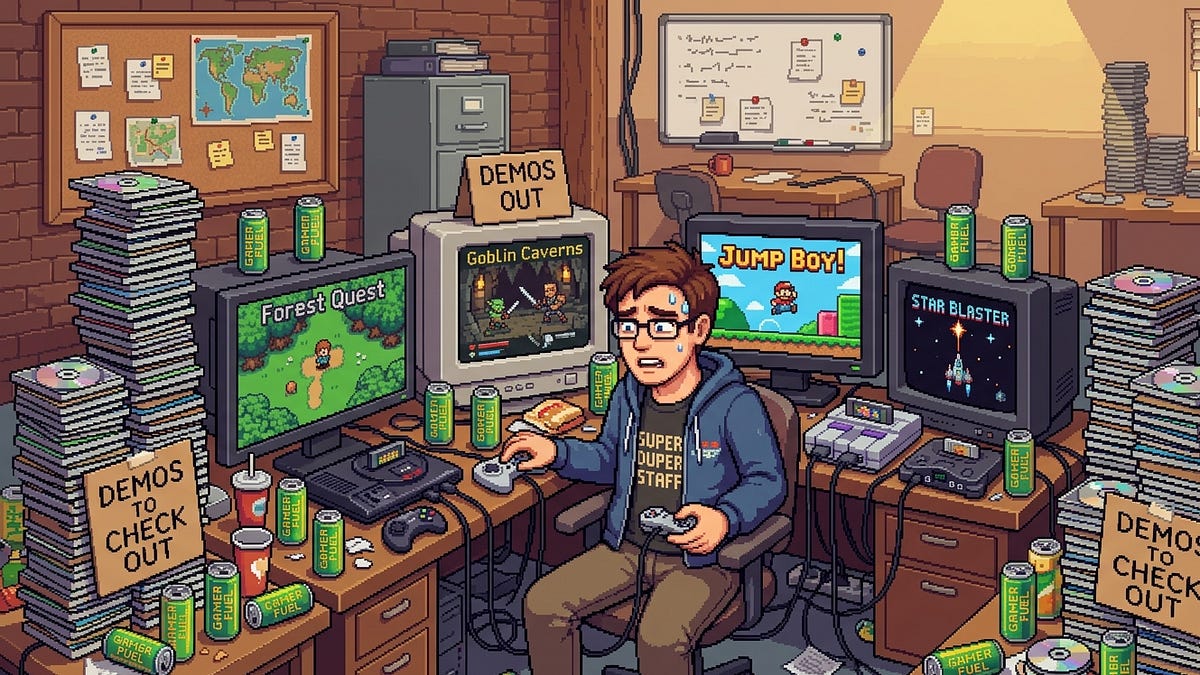
Game Studio Unlocked · 2026
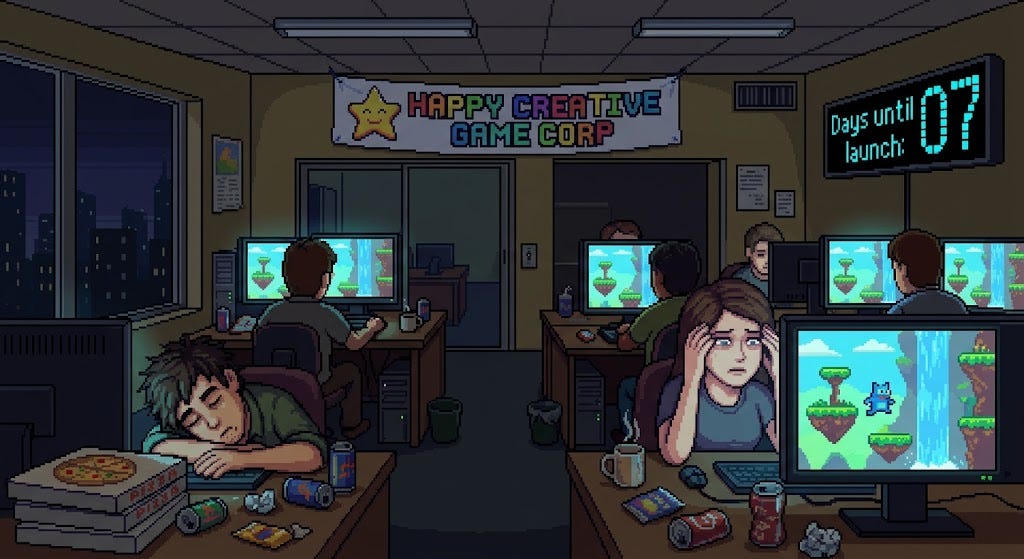
Game Studio Unlocked · 2026
Game Studio Unlocked · 2026
Game Studio Unlocked · 2026
Game Studio Unlocked · 2026
Game Developers Conference · 2024