The introduction of a $100,000 surcharge on H-1B visas by the U.S. government is poised to significantly reshape the domestic video game industry by increasing operational costs and hindering access to specialized international talent. While the gaming sector accounts for less than 1 percent of all H-1B visa allocations, these hires are critical for innovation and technical development. The policy is expected to disproportionately impact smaller studios, which lack the capital to absorb such high fees, thereby entrenching large, risk-averse incumbents and potentially stifling creative experimentation across the industry.
Analysis of H-1B approval data from 2015 to 2024 reveals that digital-native firms, such as Roblox, have increasingly relied on foreign talent to support their engineering-heavy, globally distributed workflows. Between 2015 and 2024, the industry recorded 6,161 H-1B approvals, with an annual average of 616. By creating a financial barrier to entry, the new surcharge risks incentivizing companies to outsource production to regions like Europe, Canada, and Southeast Asia, where labor costs are not subject to similar punitive fees. This shift mirrors historical trends in the UK, where restrictive labor policies led to a decline in domestic industry competitiveness.
The current immigration framework, which often fails to account for the collaborative, team-based nature of modern game development, further exacerbates these challenges. By prioritizing individual accolades over collective project contributions, bureaucratic hurdles already complicate the hiring process. Ultimately, the surcharge is projected to diminish the U.S. industry's global standing, effectively redirecting high-skilled talent to international markets and forcing domestic studios to rely on safer, less innovative development formulas to maintain profitability.
SuperJoost · 2026
SuperJoost · 2026

SuperJoost · 2026
SuperJoost · 2026

SuperJoost · 2026
SuperJoost · 2026
SuperJoost · 2026
SuperJoost · 2026
SuperJoost · 2026

SuperJoost · 2026
SuperJoost · 2026
SuperJoost · 2026
Unity · 2023
GREE

Almedia · 2026
Poki · 2026
Gamesight · 2026
Sensor Tower · 2026

Sensor Tower · 2026
AppLovin · 2026

Sensor Tower · 2026
Newzoo · 2026
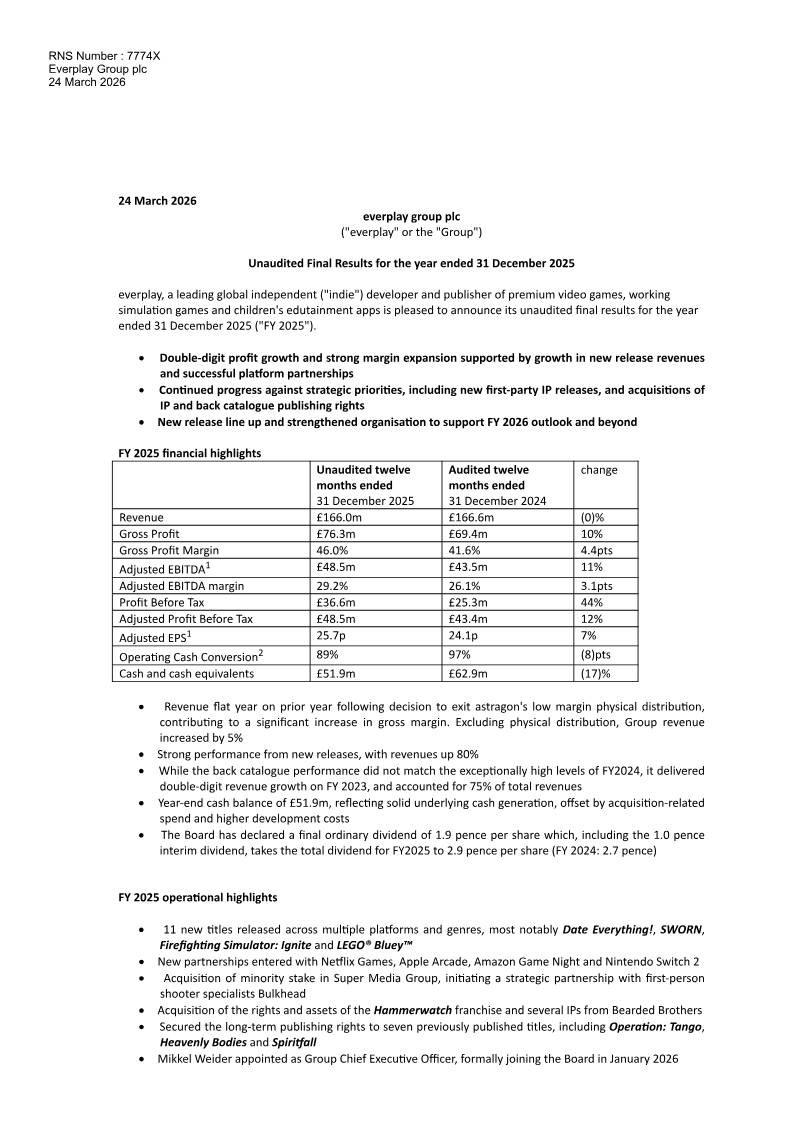
Everplay Group · 2026

Modern Times Group · 2026