The video game industry entered May 2021 facing a significant shift in power dynamics between platform holders and content providers. As major platforms compete for dominance, their strategic interests are increasingly diverging from those of developers, leading to heightened pressure on app store rates across PC, console, and mobile segments. This friction is expected to further divide the industry, particularly as a wave of consolidation fueled by high capital availability threatens the viability of middle-class creative firms. Smaller entities with less access to funding are being squeezed out by larger conglomerates eager to acquire intellectual property.
To survive a saturated digital marketplace, game makers must cultivate distinct brand identities and transparent promises to consumers. This trend toward a cult of personality applies to both publishers and platforms, which must differentiate themselves through specific aesthetic or genre leadership to capture audience attention. Furthermore, the industry is poised for a transition in monetization, where innovation is driven by novel revenue models rather than traditional sales. While legacy companies remain slow to adapt, emerging firms are leveraging subscriptions, in-game advertising, user-generated content, and cryptocurrency to fund a new generation of creative endeavors.
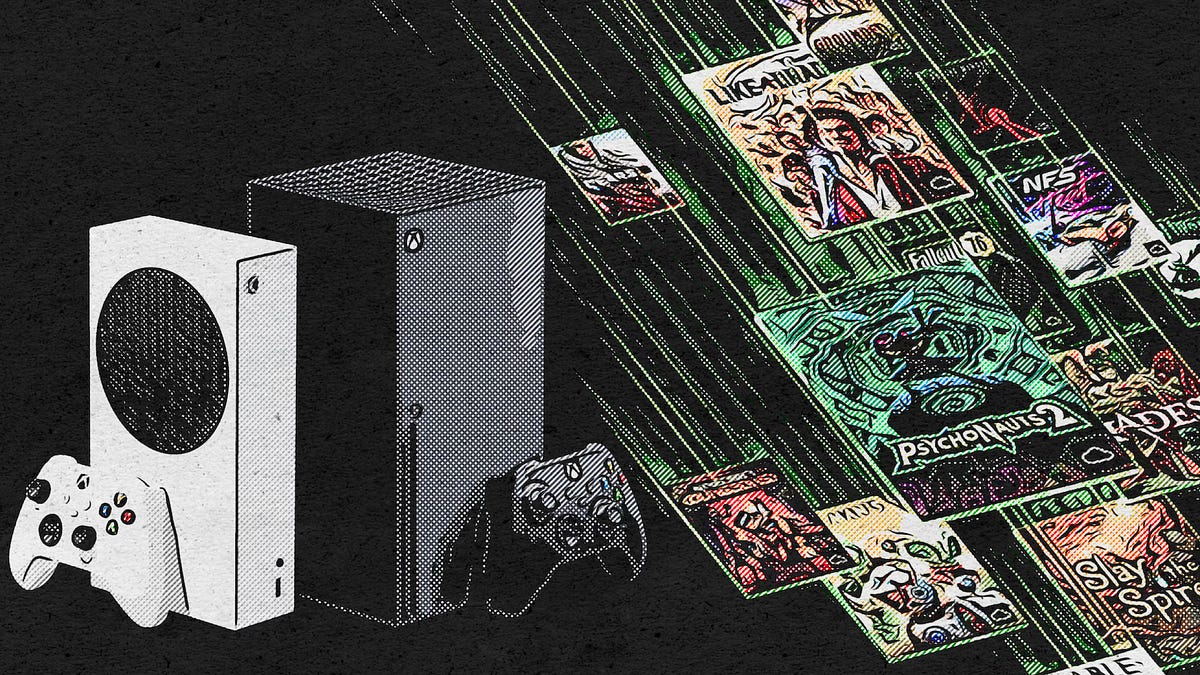
The technological landscape remains in a state of transition, particularly regarding cloud gaming. Although market sentiment remains optimistic, current implementations focus primarily on distribution logistics rather than harnessing true cloud-native capabilities. Consequently, the full potential of cloud-based gaming has yet to be realized. These observations suggest a global industry undergoing structural transformation, where success is increasingly defined by agility in monetization and the ability to maintain a unique brand presence amidst aggressive corporate consolidation.