
This analysis outlines the strategic landscape of the video game industry for 2024, synthesized from expert commentary and market data. The primary thesis suggests that the industry is entering a transitional phase where major players are moving beyond traditional play toward broader interactive experiences and "luxury" service models to offset rising development and marketing costs.
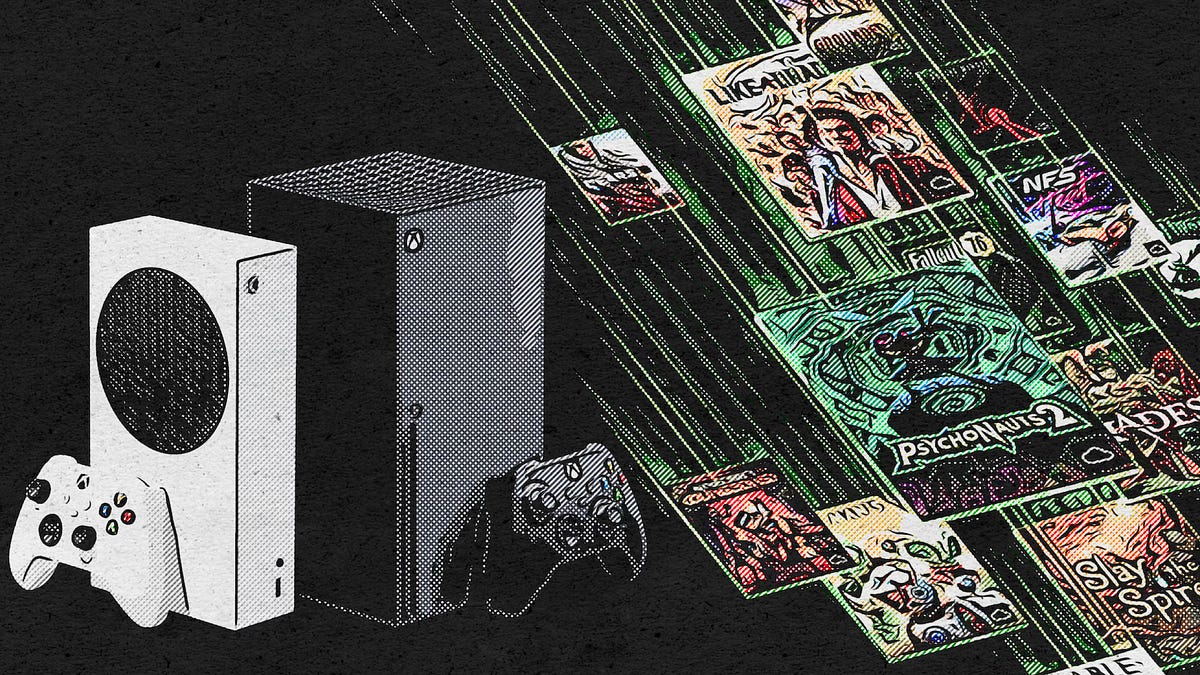
Key findings highlight a divergence in strategy among platform holders. Microsoft is expected to aggressively pursue a 100-million monthly active user goal by launching a discounted mobile Game Pass. Conversely, Sony is projected to focus on protecting its market share while expanding its intellectual property into non-gaming media. Nintendo faces pressure to announce a "Switch 2" at a $400 price point, though the analysis suggests the company may delay hardware releases to ensure a robust first-party software lineup. In the hardware sector, Apple’s Vision Pro is predicted to sell approximately 350,000 units in its first year, serving as a high-priced pilot for affluent early adopters rather than a mass-market device.
The scope of the analysis is global, with specific focus on the United States, Europe, and China. It notes that Tencent’s domestic regulatory struggles in China—where the mobile market saw a 12% decline in late 2023—will likely depress global revenue expectations and force an aggressive international expansion. Additional data points include the predicted sale of Asmodee at a 30-40% discount and the emergence of the first billion-dollar franchise born entirely from user-generated content.
Methodologically, the findings are derived from a qualitative synthesis of dozens of industry reports and analyst articles, filtered through AI tools and supplemented by expert observation. The conclusion posits that 2024 will be defined by a "bifurcation" of the industry, where generative AI and high-priced "luxury" gaming tiers separate the market into distinct economic classes.

SuperJoost · 2026

SuperJoost · 2026
SuperJoost · 2026

SuperJoost · 2026

SuperJoost · 2026

SuperJoost · 2026
SuperJoost · 2026

SuperJoost · 2026

SuperJoost · 2026
SuperJoost · 2026

SuperJoost · 2026
SuperJoost · 2026
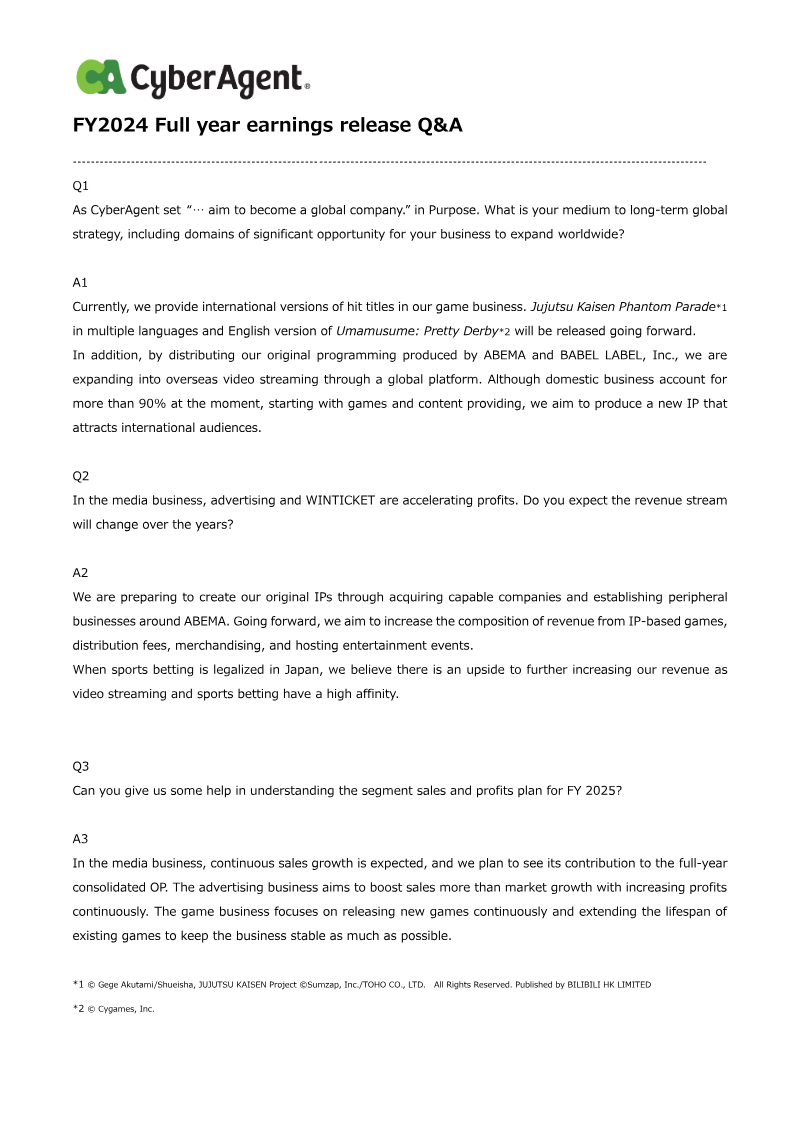
CyberAgent · 2026
Newzoo · 2026
Aream & Co · 2026
Take-Two Interactive · 2026

InvestGame · 2026
Epyllion · 2026
Sensor Tower · 2026
Basic Roots Consulting · 2025

AlixPartners · 2025
Sensor Tower · 2025
Boston Consulting Group · 2025
Take-Two Interactive · 2025