
ArticleSuperJoost
TikTok: Time's Up — Clocking Foreign Influence in Domestic Media and Entertainment
18 Mar 2024~12 min full read
This analysis examines the shifting power dynamics within the global gaming and social media sectors, focusing on the legislative pressure facing TikTok and the broader trend of "games as a platform." The primary thesis suggests that while U.S. policymakers frame the potential TikTok ban as a national security necessity to curb foreign influence, the actual data on investment and market behavior reveals a more complex reality of platform gatekeeping and economic protectionism.
Key findings indicate a significant shift in the gaming industry's structure: in 2023, eight of the top ten game makers were platform gatekeepers, up from five a decade ago. This consolidation has created a "rent-seeking" environment where independent publishers struggle; while publisher revenue fell 2% to $125.7 billion in 2023, platform holder revenue rose 5% to $72 billion. Regarding foreign influence, the data shows a massive imbalance: U.S. investors hold $36.9 billion in Chinese game companies (primarily Tencent and NetEase), while Chinese investment in U.S. gaming firms totals only $516 million. This suggests that Chinese entities are not aggressively pursuing influence through domestic gaming content.
The scope of the analysis covers the global interactive entertainment market with specific focus on U.S.-China relations, the 2023-2024 fiscal periods, and the intersection of social media and gaming. It highlights ByteDance’s failed attempt to become a gaming powerhouse, noting that despite $5 billion in investments, its gaming division generated only $1 billion in 2023—less than 1% of its $120 billion total revenue. The conclusion posits that the erosion of TikTok may ultimately serve to strengthen the "chokehold" of existing American platform incumbents rather than protecting consumers, urging a shift in focus toward supporting creative firms within a suffocating platform ecosystem.
SuperJoost · 2026

SuperJoost · 2026
SuperJoost · 2026
SuperJoost · 2026
SuperJoost · 2026
SuperJoost · 2026
SuperJoost · 2026

SuperJoost · 2026
SuperJoost · 2026
SuperJoost · 2026
SuperJoost · 2026
SuperJoost · 2026
PitchBook · 2026
Skillz · 2024

UnitedHealth Group

Ubisoft · 2026
Capcom · 2026
Capcom Co. · 2026
Pearl Abyss · 2026
Capcom · 2026
Sony Group Corporation · 2026
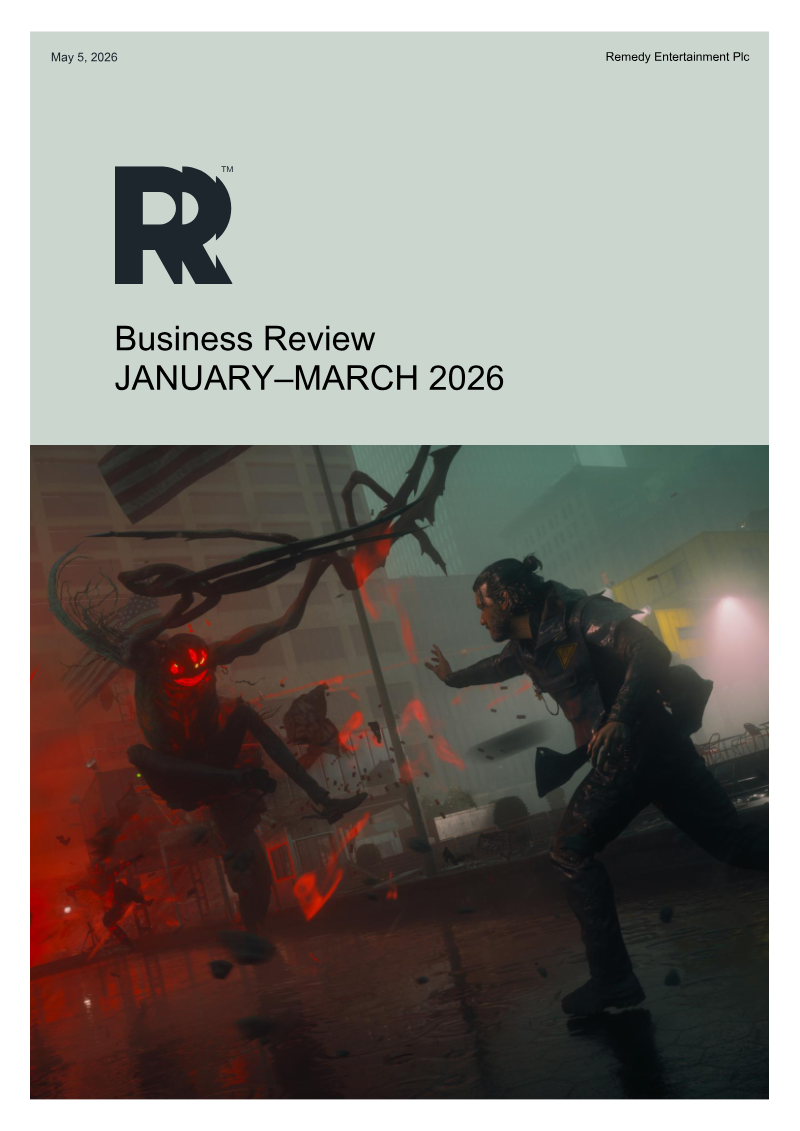
Remedy Entertainment · 2026
Giant Network Group · 2026

Archosaur Games · 2026