ArticleSuperJoost
The Missed Opportunity in Epic v. Apple: NPCs Shouldn't Make the Rules
27 May 2021~7 min full read
The central thesis of this analysis is that the video game industry suffers from a profound "disconnect" between its creative output and the individuals responsible for its governance, regulation, and economic analysis. By examining the Epic v. Apple legal proceedings, the text argues that the trial represents a missed opportunity because the decision-makers involved—including judges and platform executives—often lack a fundamental understanding of, or interest in, the medium they oversee. This indifference results in a regulatory environment where games are treated as mere software "apps" rather than significant cultural expressions.
The scope of the analysis covers the global games industry with a specific focus on the United States legal and economic landscape during the early 2020s. Key data points highlight the industry's lack of formal recognition; for instance, the US Department of Commerce fails to categorize interactive entertainment separately, instead lumping it into "Games, Toys, and Hobbies" alongside pets and stationary. Despite commercial forecasts suggesting US consumer spending on video games reached approximately $65 billion in 2021, the industry remains misunderstood by both government agencies and investment researchers who rely on asymmetric information and public financial cycles.
The author concludes that the industry's "low self-esteem" and its tendency to seek validation from older media, such as film, further hampers its maturity. This is evidenced by the trend of high-profile creators aspiring to make movies and the industry's reluctance to take firm political stances, as seen in the Blizzard-Hong Kong controversy. Ultimately, the text asserts that allowing "non-player characters"—those who do not participate in the culture—to set the rules for the industry stifles creativity and prevents the medium from achieving its full potential as a vital form of human expression.
SuperJoost · 2026

SuperJoost · 2026
SuperJoost · 2026
SuperJoost · 2026
SuperJoost · 2026
SuperJoost · 2026
SuperJoost · 2026

SuperJoost · 2026

SuperJoost · 2026
SuperJoost · 2026
SuperJoost · 2026
SuperJoost · 2026
Drake Star Partners · 2026
Aream & Co · 2026
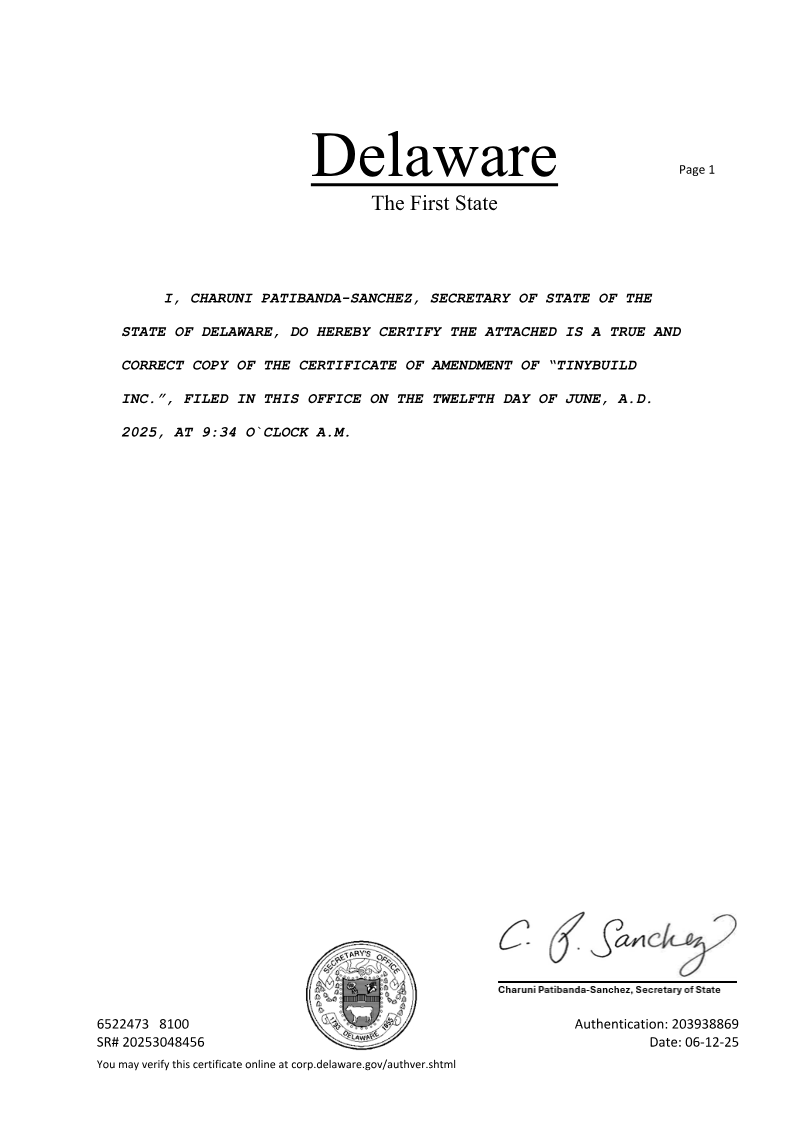
State of Delaware · 2026
Modern Times Group · 2026
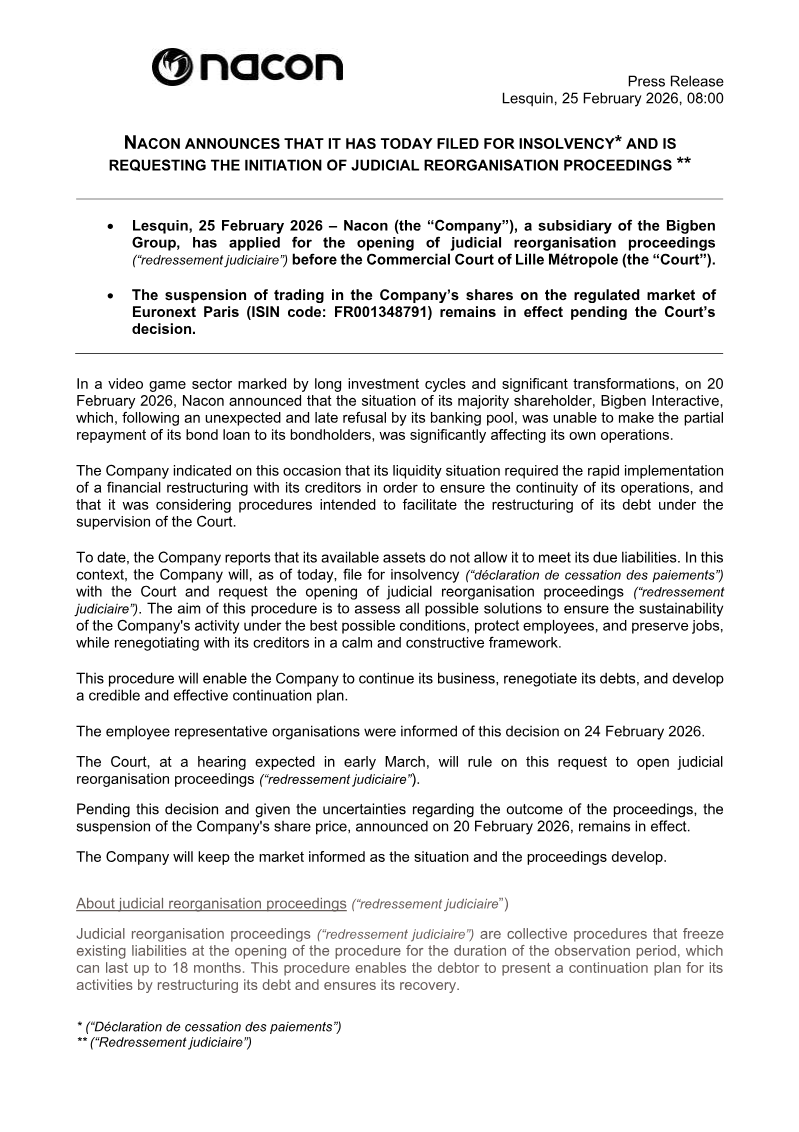
Nacon · 2026
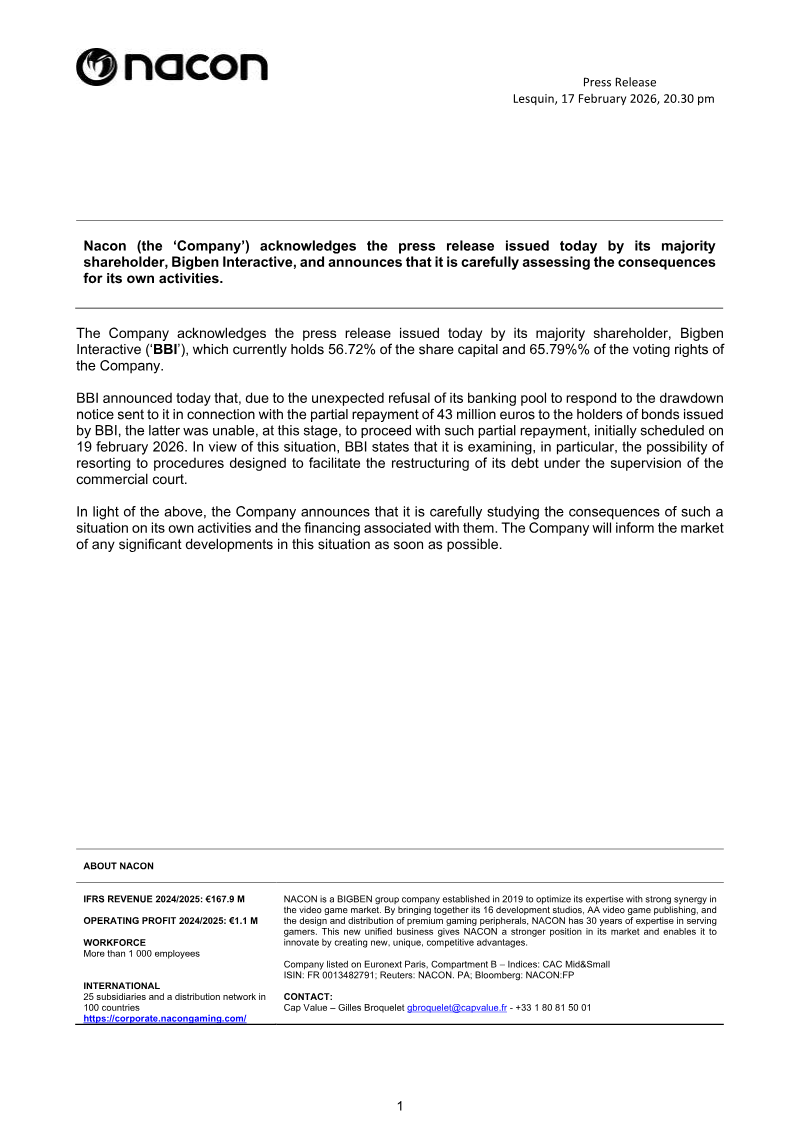
Nacon · 2026
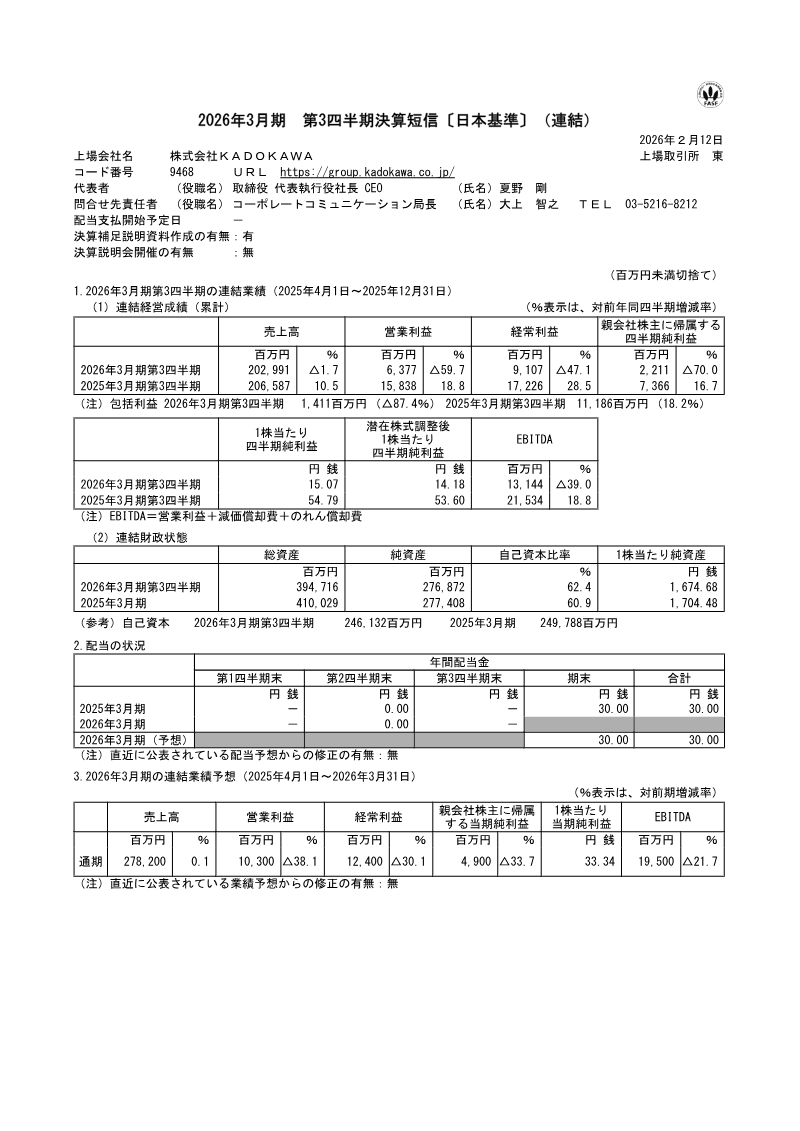
Kadokawa Corporation · 2026
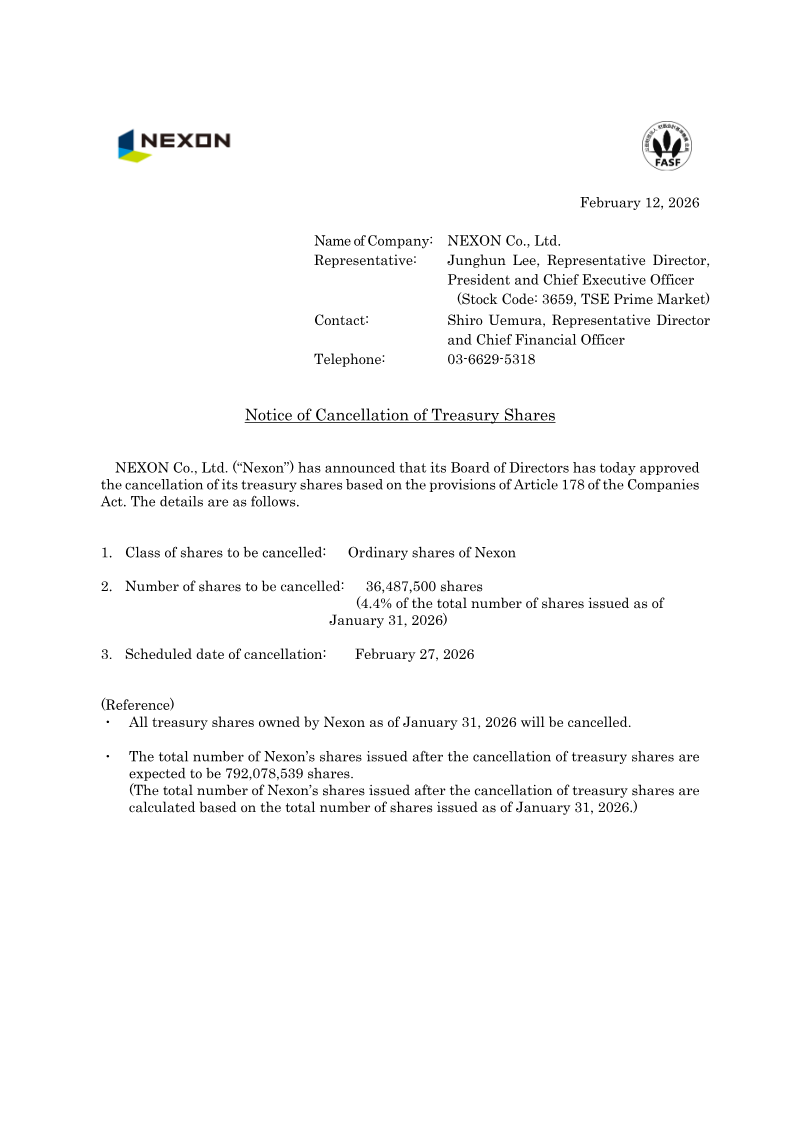
NEXON Co. · 2026
Akatsuki · 2026
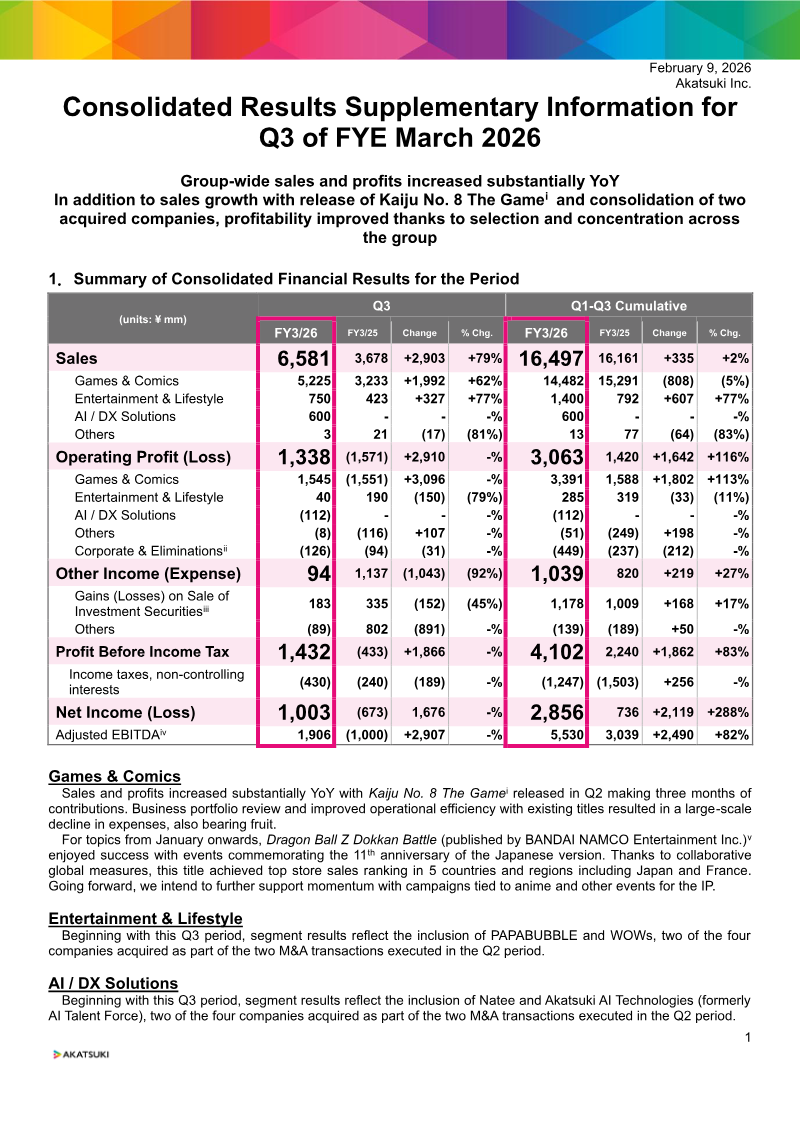
Akatsuki · 2026
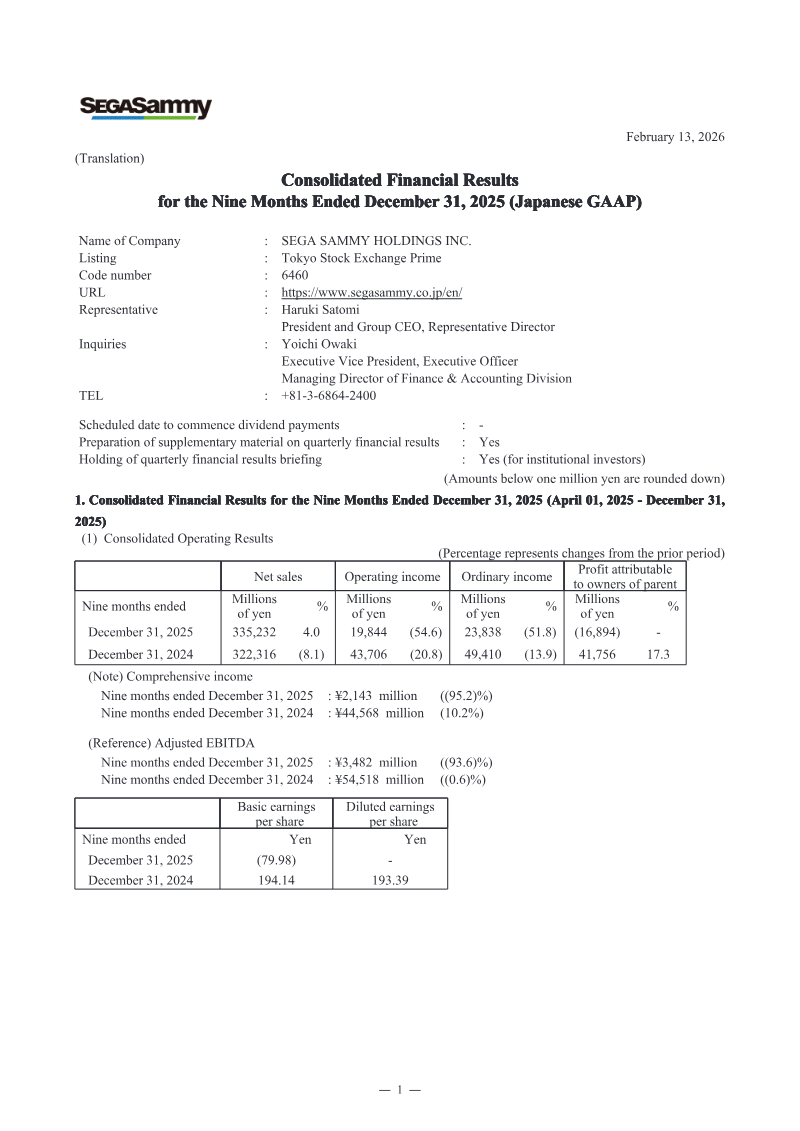
Sega Sammy Holdings · 2026
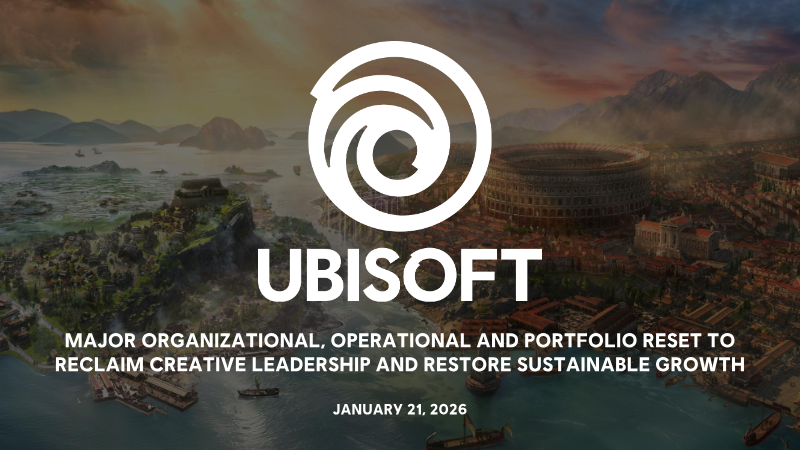
Ubisoft · 2026