
The European video games industry is characterized by a paradoxical relationship between high cultural impact and a lack of long-term independent ownership. While Europe serves as the origin for many of the world’s most successful franchises, the regional market remains vulnerable because its most significant successes—such as King, Supercell, and Guerrilla Games—are frequently acquired by American or Asian conglomerates. This trend is reflected in market data showing a dip in European-owned revenue between 2015 and 2019 as international firms mitigated risk by acquiring proven European assets.
Denmark serves as a primary case study for this dynamic. Despite a small population of 5.9 million, the country has produced global icons including Subway Surfers, the Hitman franchise, the Unity game engine, and the LEGO brand. The Danish ecosystem is defined by a "playbook" of amicable rivalry and radical transparency. Because the talent pool is small and competition from neighboring Nordic countries is fierce, Danish studios frequently share performance metrics and platform insights to counter the information asymmetries often exploited by large tech platforms.
The broader industry context reveals a volatile environment where financial success coexists with significant value destruction through layoffs. Recent performance data shows established European players like Ubisoft exceeding expectations with $588 million in quarterly bookings, driven by back-catalog strength and strategic cloud streaming acquisitions. Meanwhile, global competitors like Electronic Arts continue to dominate through massive console-based franchises. Ultimately, the analysis suggests that for the European industry to achieve sustainable growth, it must move beyond being an incubator for foreign acquisition and instead develop the infrastructure necessary to maintain independent ownership of its cultural exports.
SuperJoost · 2026

SuperJoost · 2026
SuperJoost · 2026
SuperJoost · 2026
SuperJoost · 2026
SuperJoost · 2026
SuperJoost · 2026

SuperJoost · 2026
SuperJoost · 2026
SuperJoost · 2026
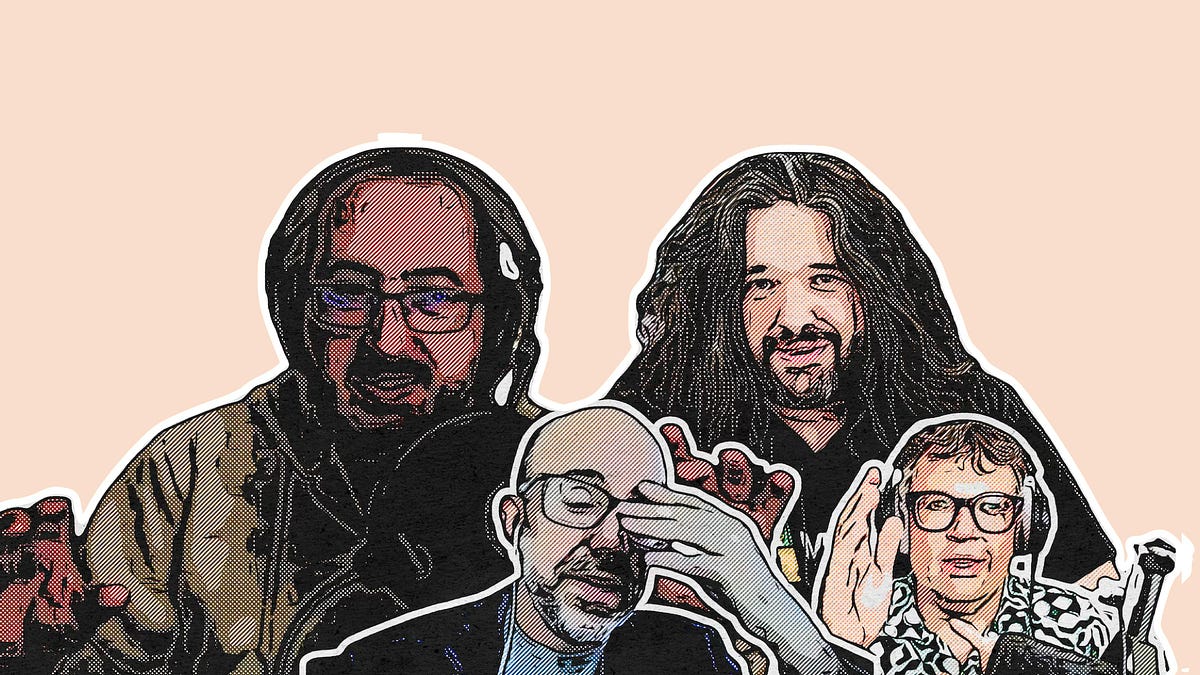
SuperJoost · 2026
SuperJoost · 2026
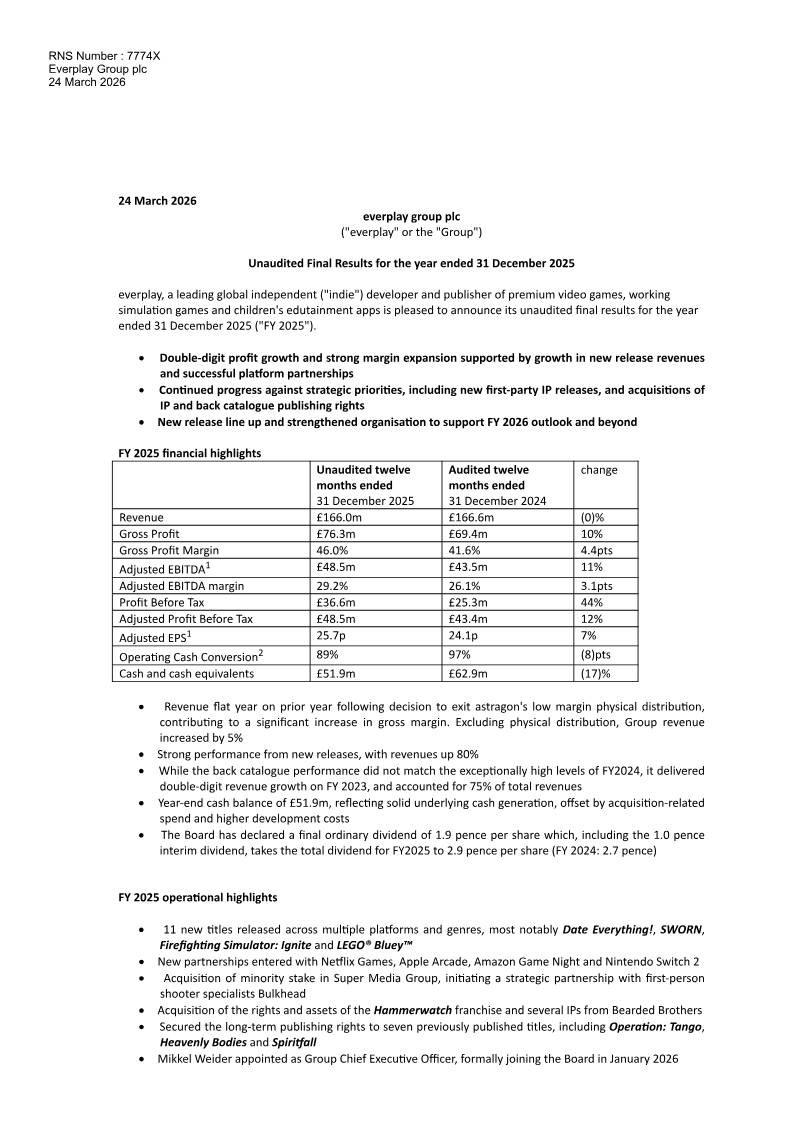
Everplay Group · 2026
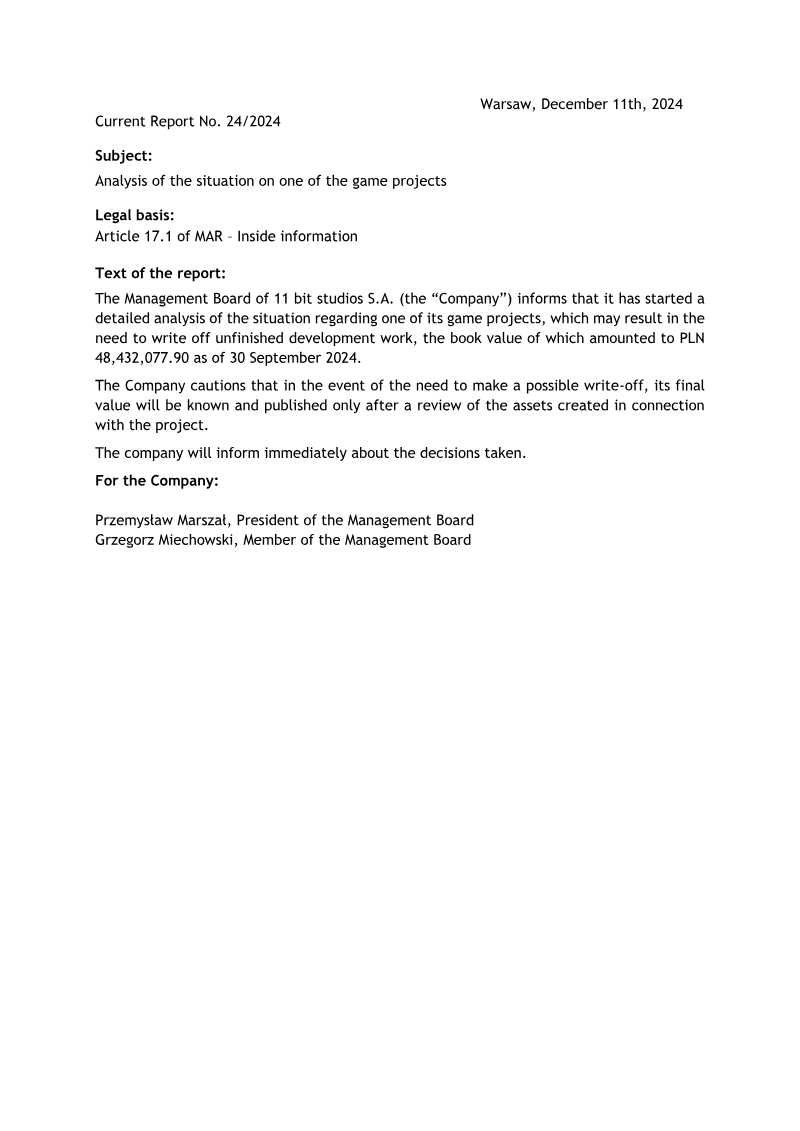
11 bit studios · 2024
Frontier Developments
Poki · 2026
Drake Star Partners · 2026
Aream & Co · 2026
8Bit · 2026
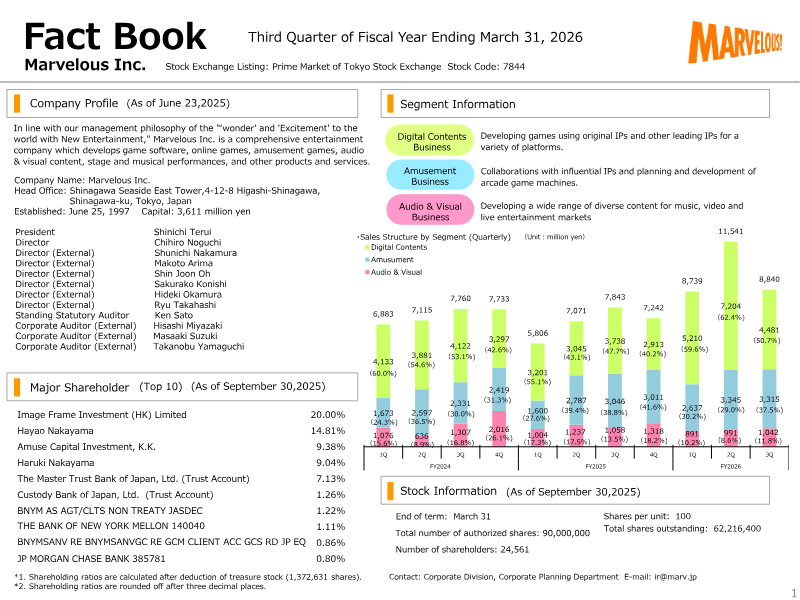
Marvelous · 2026

Modern Times Group · 2026
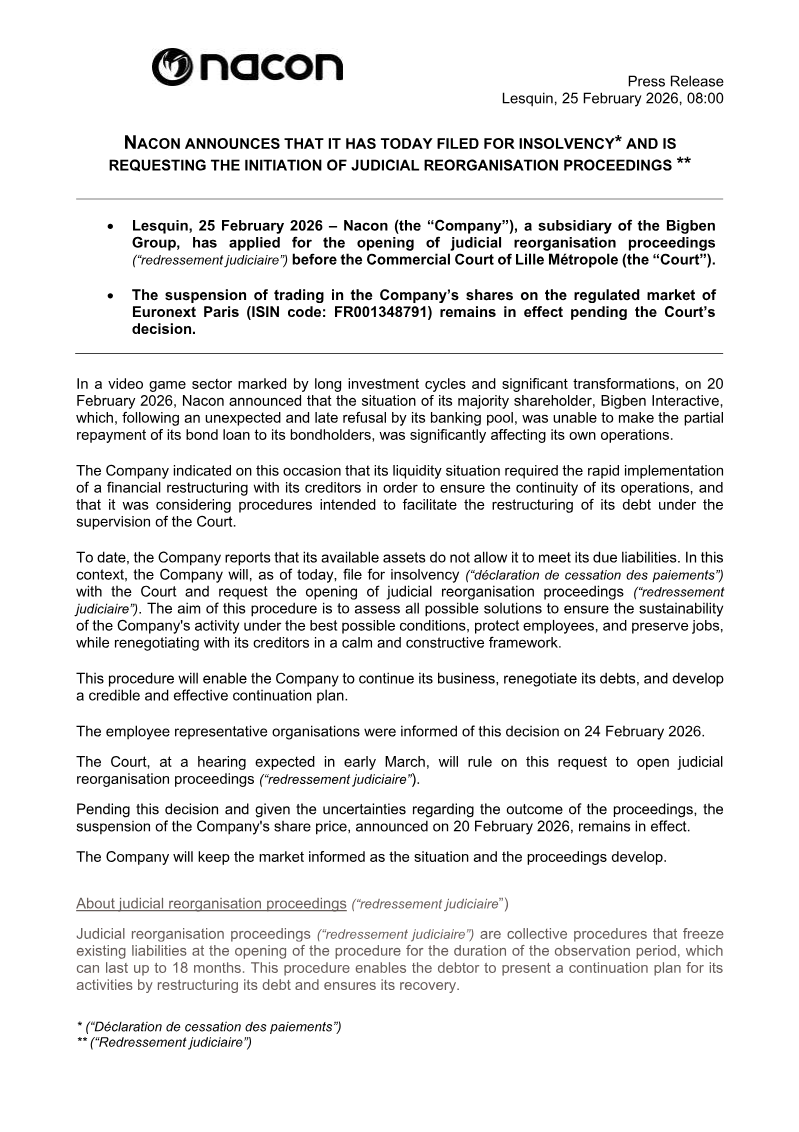
Nacon · 2026
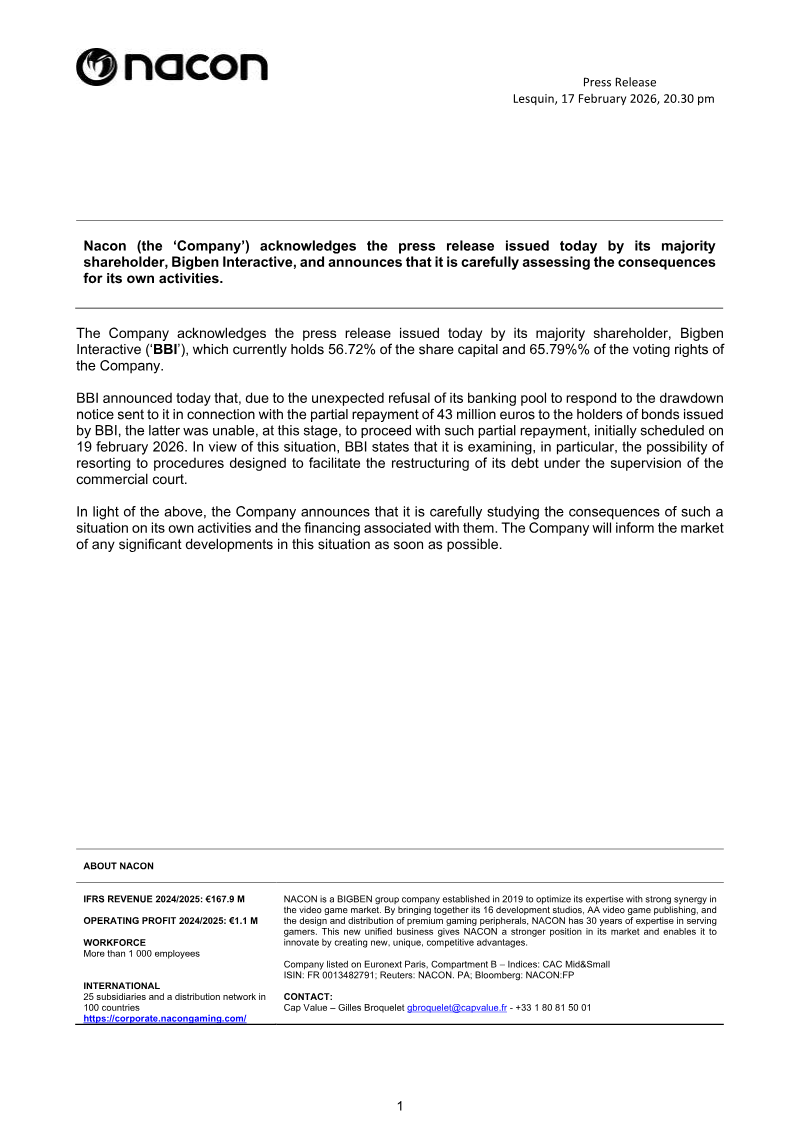
Nacon · 2026
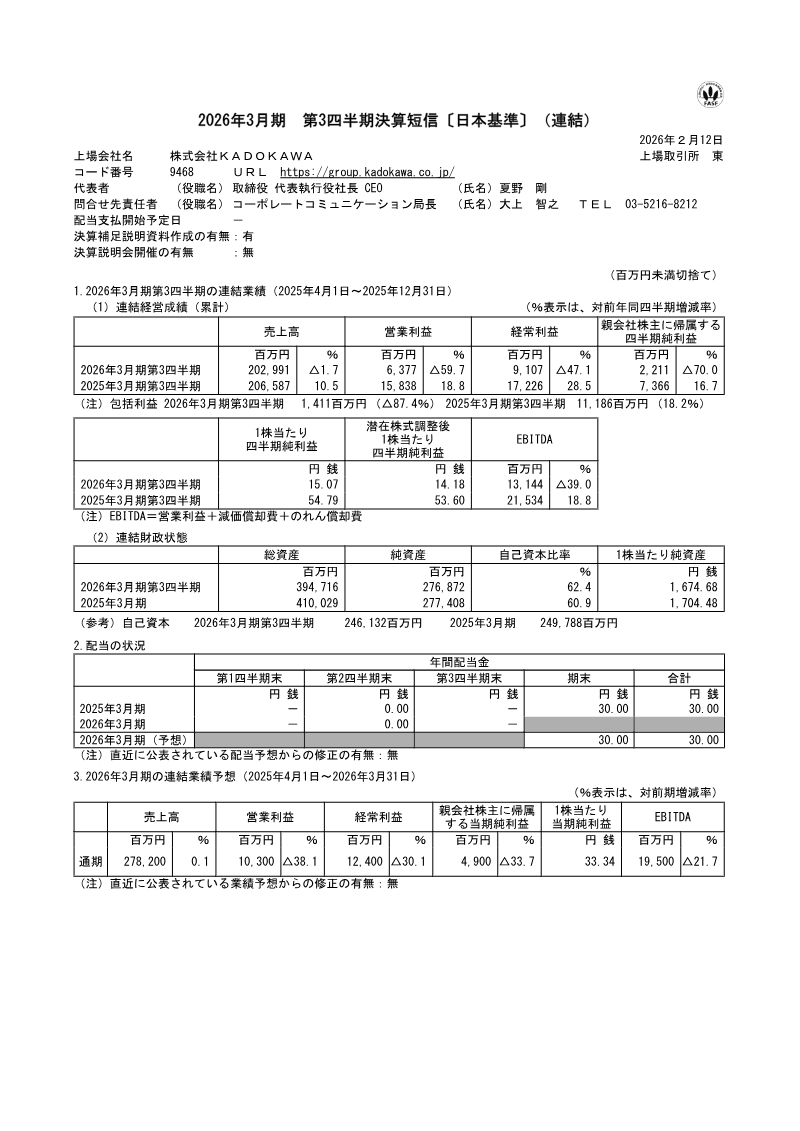
Kadokawa Corporation · 2026