ReportMistplay
Mistplay Mobile Gaming Spender Report 2024: Decoding Mobile IAP Spenders
1 Mar 202433 pages~24 min full read
The mobile gaming landscape in 2024 is defined by a shift toward a more discerning consumer base, as economic headwinds prompt 32% of all spenders and 41% of high-value spenders to plan for reduced in-game expenditures. While gameplay progression and relaxation remain the primary motivators for engagement, publishers face increasing pressure to justify costs. Retention and monetization now depend heavily on the first month of play, during which 79% of spenders make their initial purchase. However, player churn is rising due to perceived imbalances in game mechanics, lack of progression value, and aggressive pricing structures that alienate low-to-mid-value segments.
To combat these challenges, the industry is pivoting toward value-driven incentives and personalized engagement strategies. Loyalty programs have emerged as a critical tool for sustainability, with 79% of spenders actively engaging with rewards and 60% of high-value players indicating a higher likelihood of spending when redeemable rewards are offered. While social recommendations and paid advertisements remain the primary drivers for game discovery and initial installs, they rarely influence long-term spending. Instead, financial commitment is triggered by tailored in-app deals and limited-time promotions that align with specific gameplay milestones.
Strategic growth in the current market requires a move toward diversified revenue streams and direct-to-consumer models. Implementing web shops can increase revenue by up to 25% by bypassing traditional app store fees and offering more flexible pricing. Although RPG and Strategy genres continue to dominate high-value spending through deep progression systems, success across all segments now requires a focus on lifetime value through frequent, lower-cost purchase options and transparent, fair-play mechanics. By prioritizing loyalty-driven in-app purchase strategies, publishers can maintain stability despite a more cautious spending environment.
Newzoo & Tebex · 2025

Sensor Tower · 2026

Newzoo · 2026
Telekom Malaysia · 2026
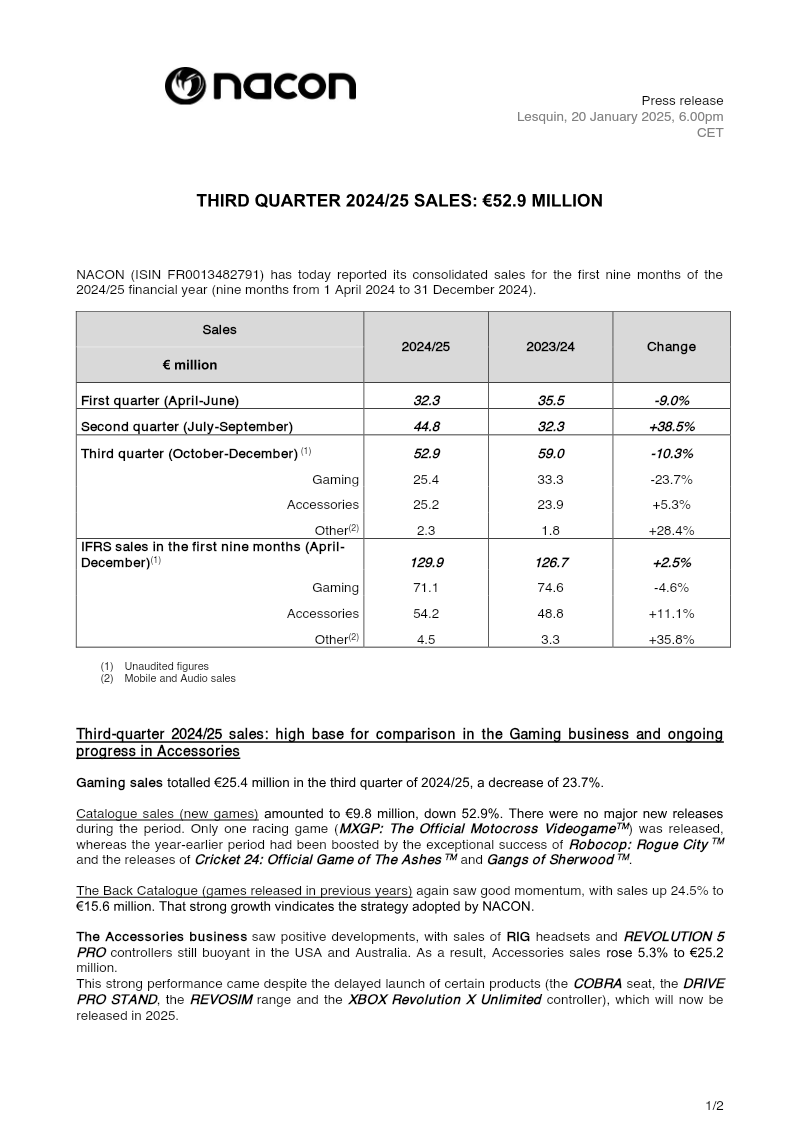
Nacon · 2025
PlaySafe ID · 2025
PlaySafe ID · 2025

Adjust · 2025
AppMagic · 2025
Video Games Europe · 2024
Ipsos · 2024

Newzoo · 2024