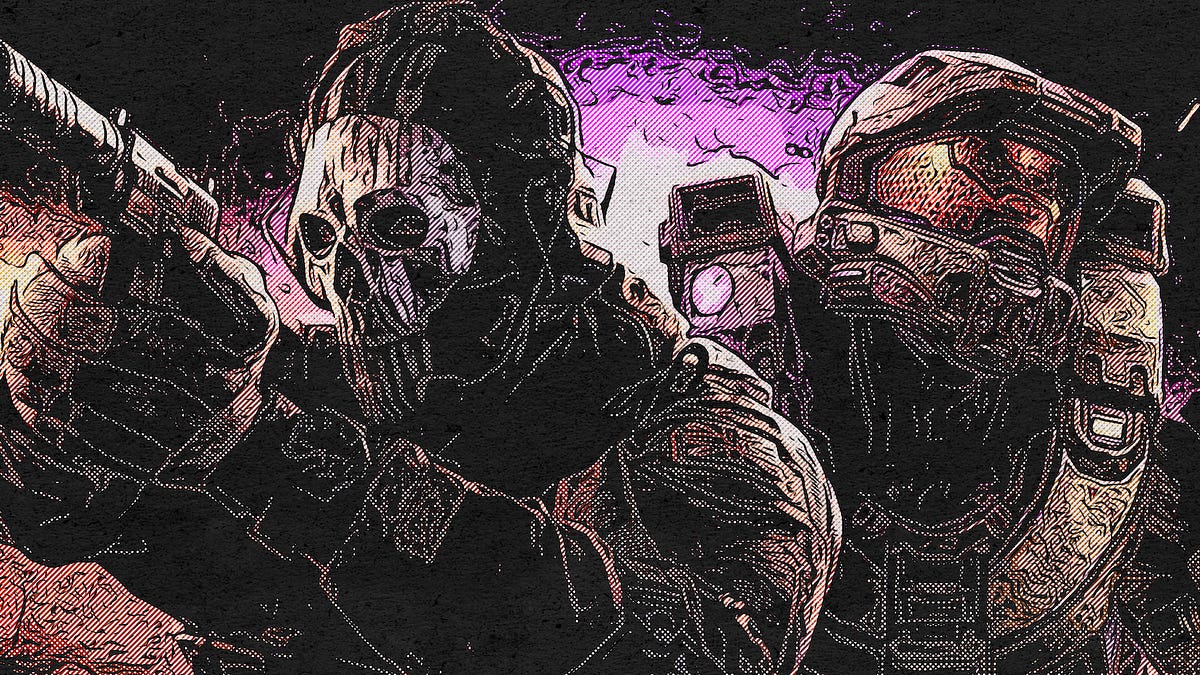
This analysis explores the shifting economic landscape of the interactive entertainment industry, specifically focusing on the integration of in-game advertising by major platform holders like Sony and Microsoft. The central thesis posits that as digital service adoption reaches saturation and competition for consumer attention intensifies, gaming is inevitably moving toward the ad-supported models already prevalent in video streaming and traditional media.
The findings highlight a significant strategic divide between industry leaders. Microsoft is positioned as a dominant force in the emerging ad-based economy, having built a robust digital ad network through over $10 billion in annual ad revenue and key acquisitions such as Xandr and PromoteIQ. In contrast, Sony is identified as being in a nascent stage, relying on strategic investments in startups like Anzu to build its programmatic monetization capabilities. The analysis suggests that while critics and core gamers may resist these changes, the transition is a logical evolution driven by the need for sustainable revenue growth in a post-pandemic market.
The scope of the discussion extends beyond gaming to include broader media trends, such as Netflix’s exploration of ad-supported tiers and the historical precedent of wealthy individuals—such as Elon Musk, Jeff Bezos, and Rupert Murdoch—acquiring media platforms to control communication architecture. Additionally, the report touches on industry consolidation, noting the potential sale of Ubisoft and the financial pressures facing gaming accessory makers like Turtle Beach. By synthesizing market data, acquisition history, and consumer behavior trends, the analysis concludes that the era of "pure play" gaming spaces is ending as the industry adopts the commercial blending common to all other forms of mass entertainment.
SuperJoost · 2026

SuperJoost · 2026
SuperJoost · 2026
SuperJoost · 2026
SuperJoost · 2026
SuperJoost · 2026
SuperJoost · 2026

SuperJoost · 2026
SuperJoost · 2026
SuperJoost · 2026
SuperJoost · 2026
SuperJoost · 2026
Sensor Tower · 2026
Anzu · 2025
Anzu · 2025
Sensor Tower · 2024
Liftoff · 2024

Tenjin · 2023

data.ai · 2023

data.ai · 2023

IDC · 2023
ironSource · 2022
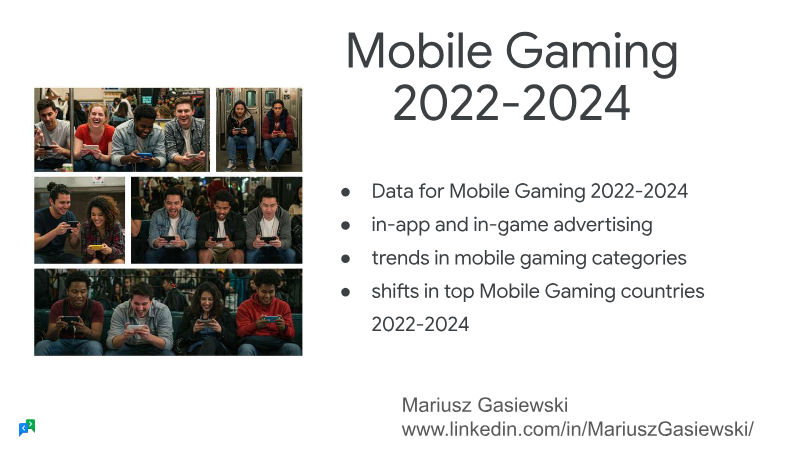
Google · 2022

AudioMob · 2021