
This analysis explores the evolving relationship between the video game industry, self-regulatory bodies, and government oversight during a period of unprecedented market growth. The central thesis posits that as gaming transitions from a niche hobby to a dominant economic and cultural force—contributing $90 billion to the U.S. economy and supporting over 400,000 jobs as of 2019—it inevitably attracts heightened scrutiny from global regulators. This shift necessitates a renewed commitment to industry self-regulation to preserve creative freedom.
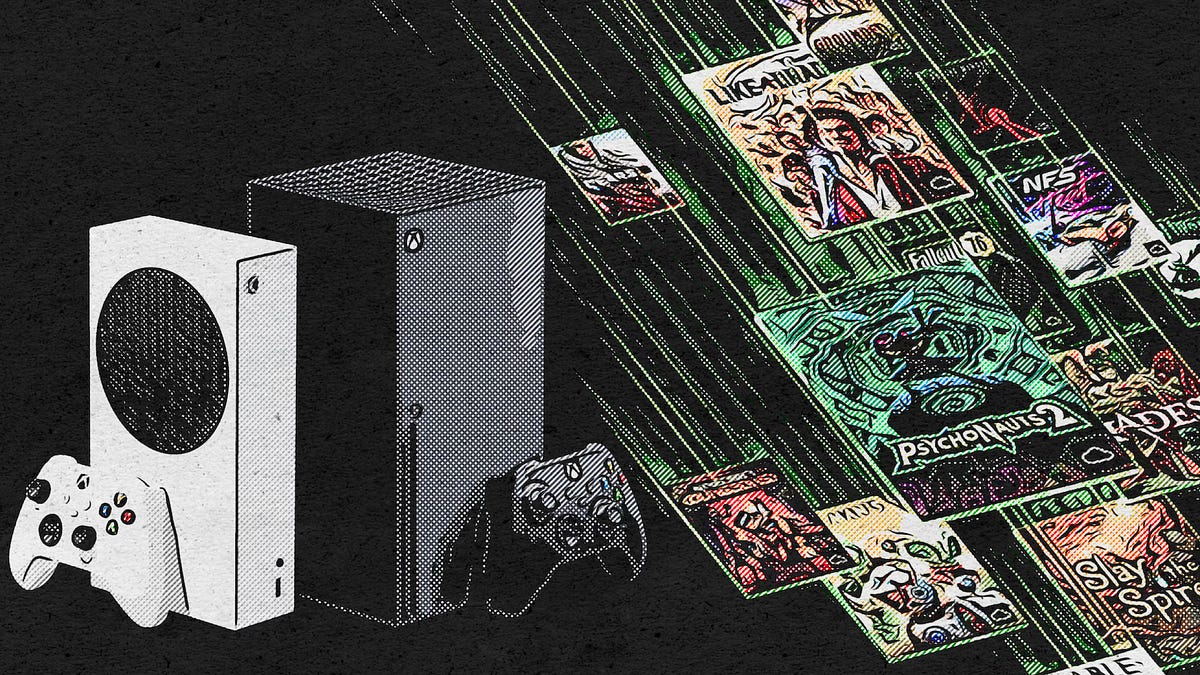
The scope of the commentary focuses primarily on the North American market during early 2021, highlighting the impact of major platform holders and the rise of user-generated content (UGC) epitomized by Roblox’s $38 billion direct listing. Key data points illustrate the industry's financial scale, including Discord’s revenue tripling to $130 million and the projected $20.3 billion value of the loot box market by 2025. The analysis also notes the hardware landscape, citing February console sales where the Nintendo Switch significantly outperformed the PlayStation 5 and Xbox Series X.
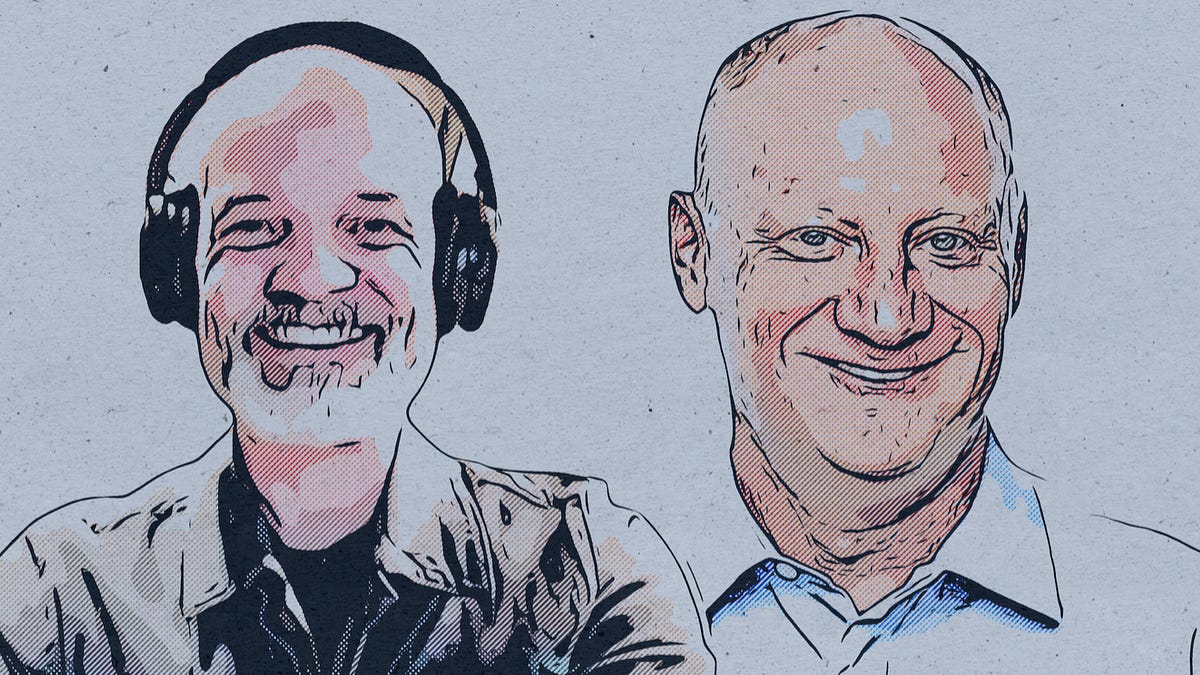
Methodologically, the findings are drawn from industry observations, executive interviews with leadership from the ESRB, and financial reporting from public filings and market research. The conclusion emphasizes that the future of gaming will be defined by how it navigates antitrust policies, monetization controversies like loot boxes and NFTs, and the geopolitical tensions inherent in global trade. To mitigate aggressive government intervention, the industry must leverage its tradition of collective review and rating systems.
SuperJoost · 2026

SuperJoost · 2026
SuperJoost · 2026
SuperJoost · 2026
SuperJoost · 2026
SuperJoost · 2026
SuperJoost · 2026

SuperJoost · 2026
SuperJoost · 2026
SuperJoost · 2026

SuperJoost · 2026
SuperJoost · 2026
Newzoo & Tebex · 2025
Mistplay · 2024

Mistplay · 2024
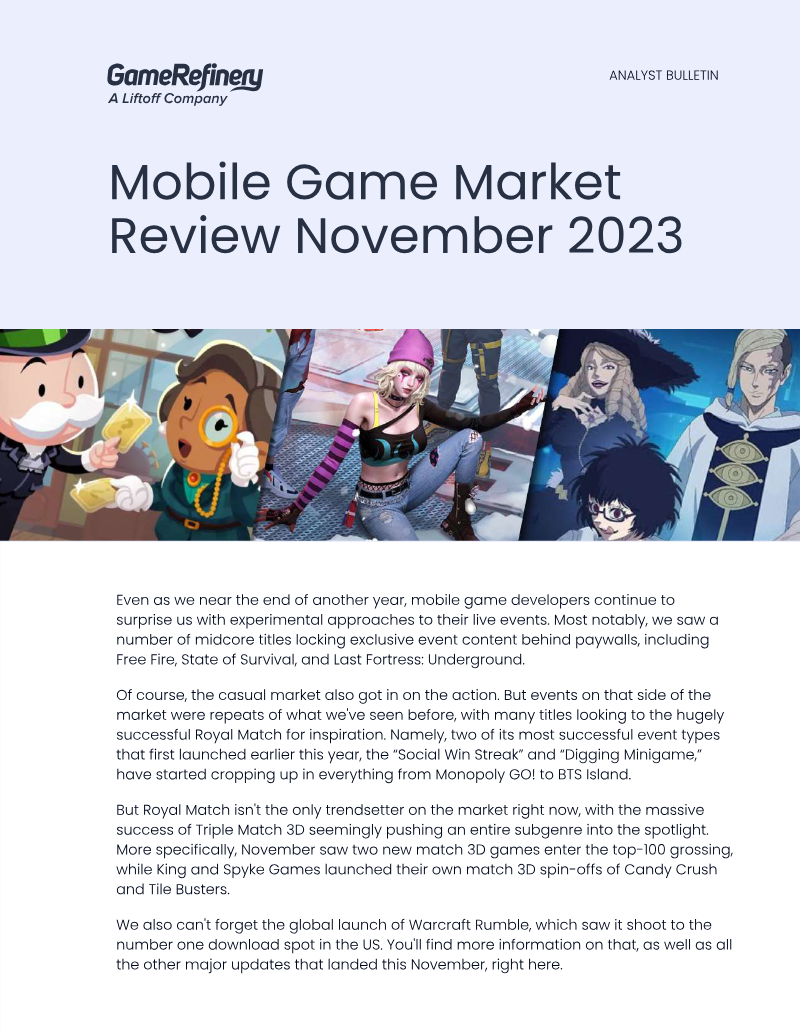
GameRefinery · 2023
Liftoff · 2023

GameRefinery · 2021
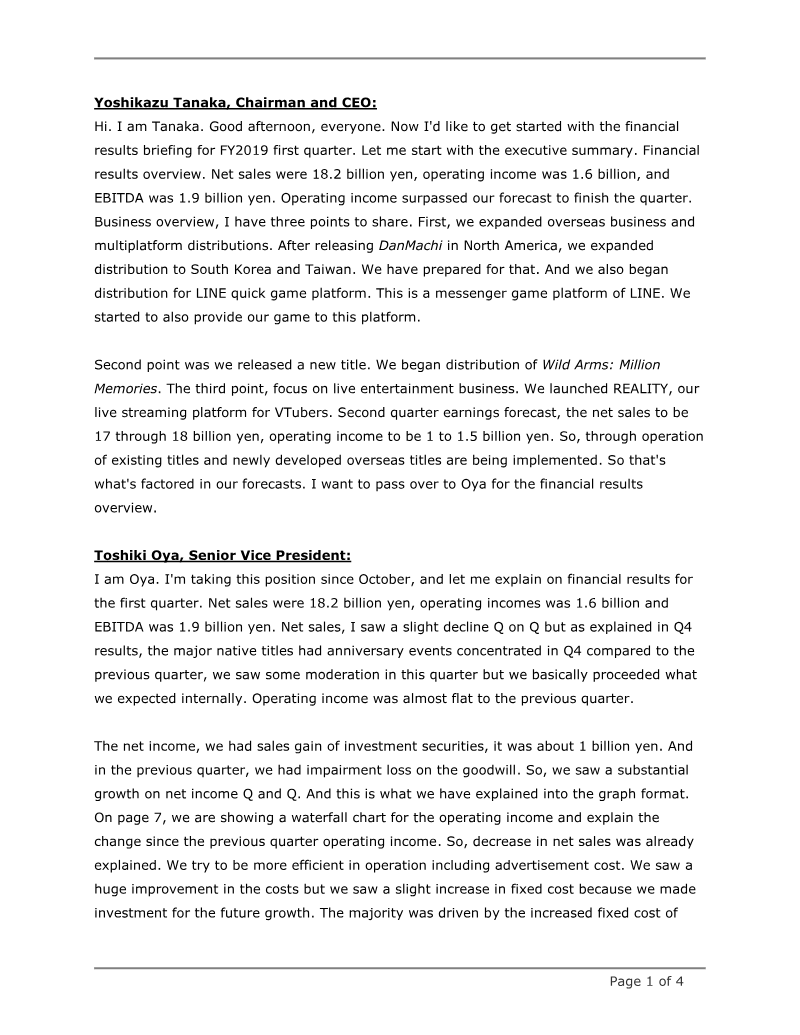
GREE

Almedia · 2026
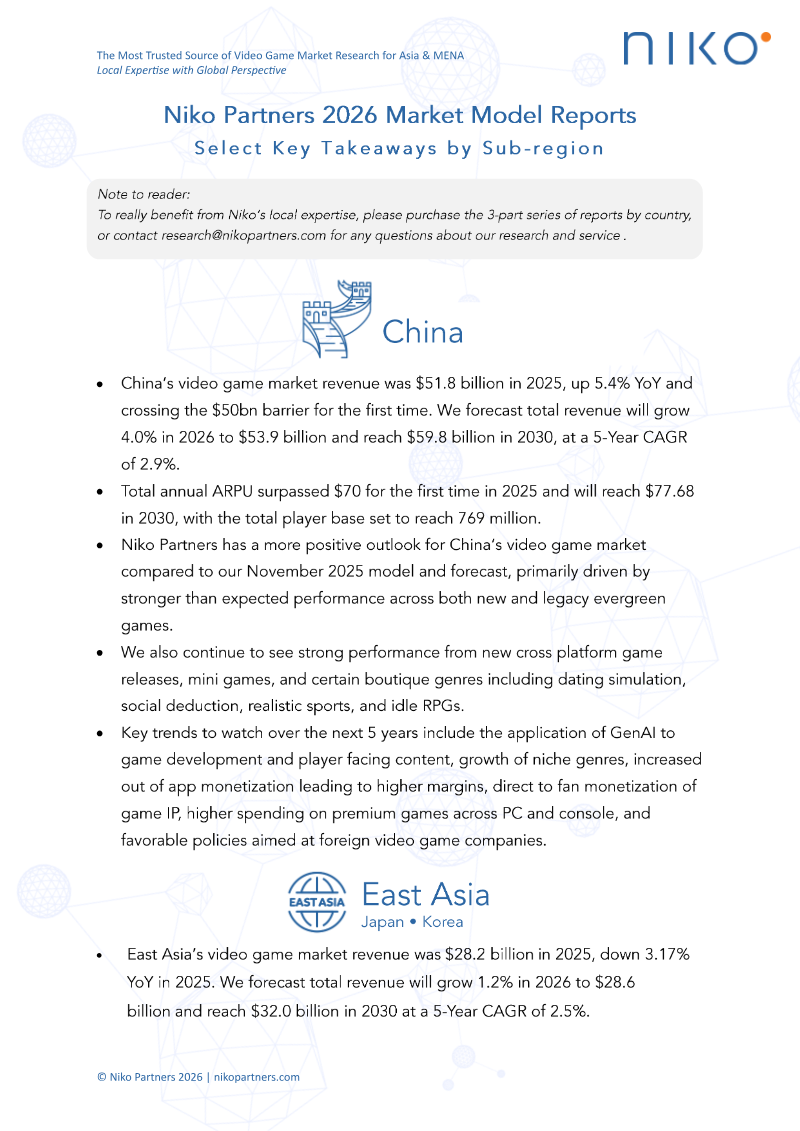
Niko Partners · 2026

Gamesight · 2026
Sensor Tower · 2026

Sensor Tower · 2026