
ArticleSuperJoost
Keanu Reeves Skepticism vs Blockchain in the Games Industry
17 Dec 2021~8 min full read
This analysis examines the intersection of celebrity influence, emerging blockchain technologies, and shifting corporate strategies within the global games industry during late 2021. The central thesis argues that while high-profile skepticism from figures like Keanu Reeves dominates public discourse, the underlying utility of blockchain—specifically for rights management, royalty distribution, and digital ownership—remains a necessary counterbalance to the increasing centralization of power among platform holders.
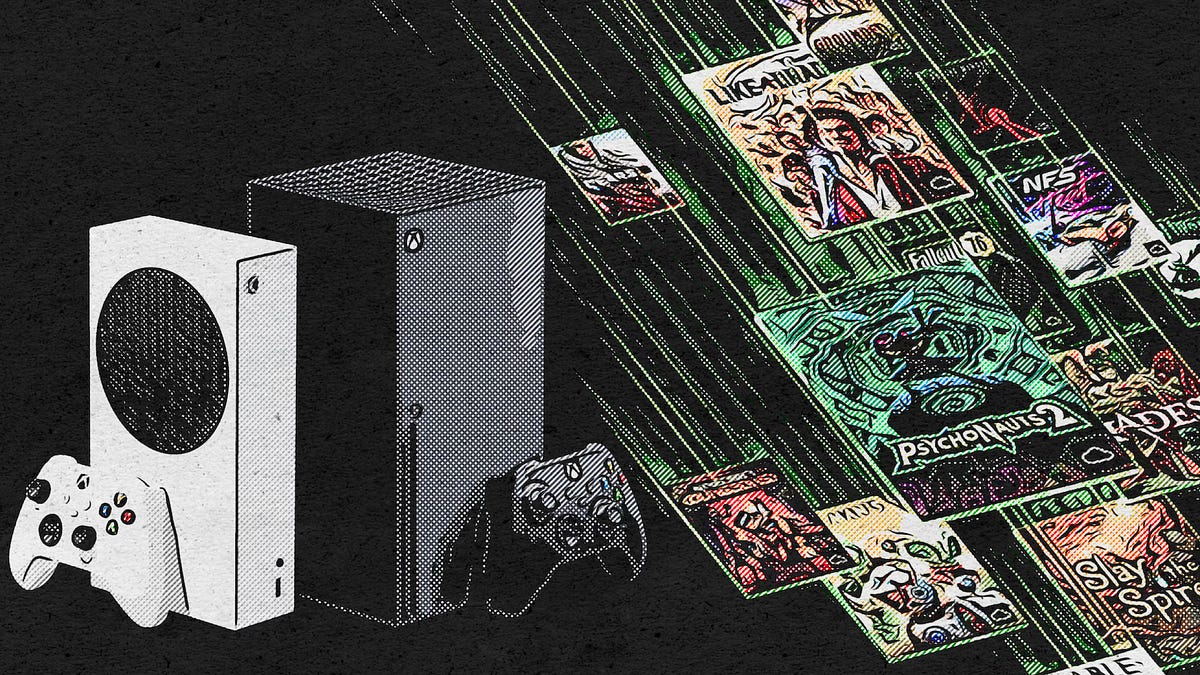
The scope of the discussion covers major industry shifts in North America and Japan, focusing on the transition toward service-based models and digital distribution. Key data points highlight this evolution: Sony now generates two-thirds of its quarterly revenue from digital content, achieving immediate profitability with the PlayStation 5 despite traditional hardware cycle losses. Conversely, physical software sales in November 2021 fell 12% below estimates, signaling a decline in traditional retail. The analysis also notes the rising cost of entry for consumers, citing Square Enix’s move toward a $70 standard price point, which may further alienate players and necessitate new engagement models like digital asset ownership.
Broader industry trends are identified through significant corporate actions, including Microsoft’s investment in a $27 million crypto startup and its expansion of blockchain-based royalty platforms to manage complex creator payments. In the M&A sector, the $3 billion acquisition of Asmodee by Embracer Group suggests a strategic hedge, valuing physical tabletop experiences as a "guardrail" against total digitalization. Finally, the report notes Roblox’s November performance, where daily active users grew 35% year-over-year to 49.4 million, despite a slight dip in bookings per user, reflecting the continued but volatile growth of metaverse-style platforms.
SuperJoost · 2026

SuperJoost · 2026
SuperJoost · 2026
SuperJoost · 2026
SuperJoost · 2026
SuperJoost · 2026
SuperJoost · 2026

SuperJoost · 2026

SuperJoost · 2026
SuperJoost · 2026

SuperJoost · 2026
SuperJoost · 2026

Almedia · 2026
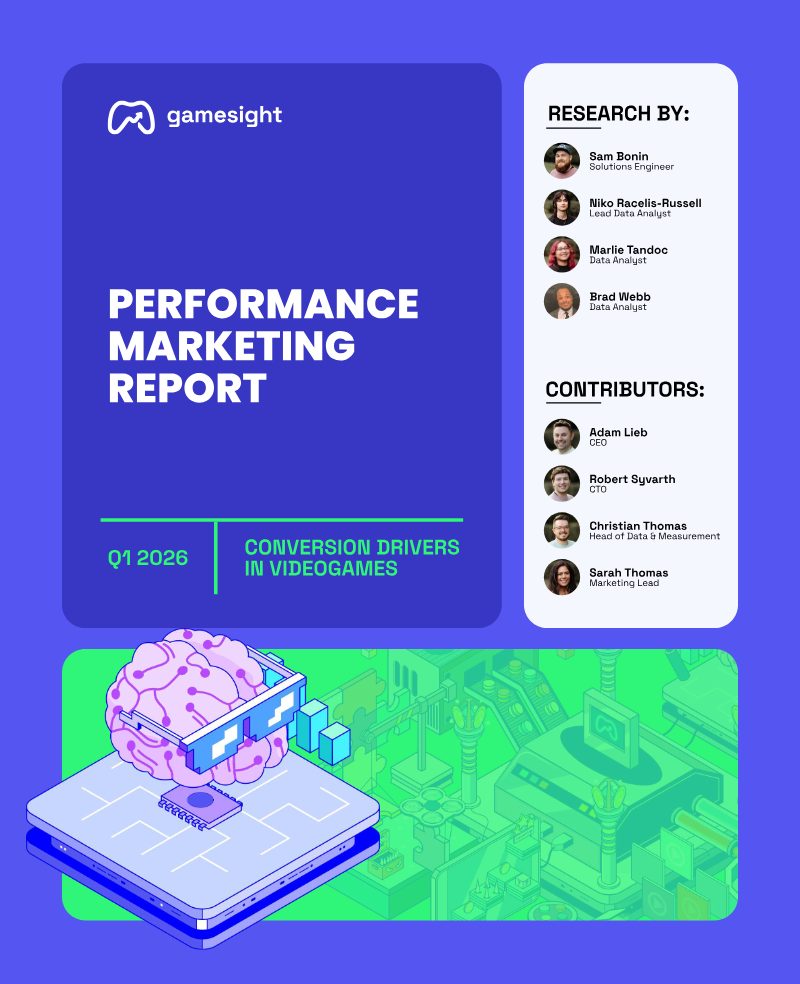
Gamesight · 2026
Sensor Tower · 2026

Sensor Tower · 2026

AppLovin · 2026

Sensor Tower · 2026
Newzoo · 2026
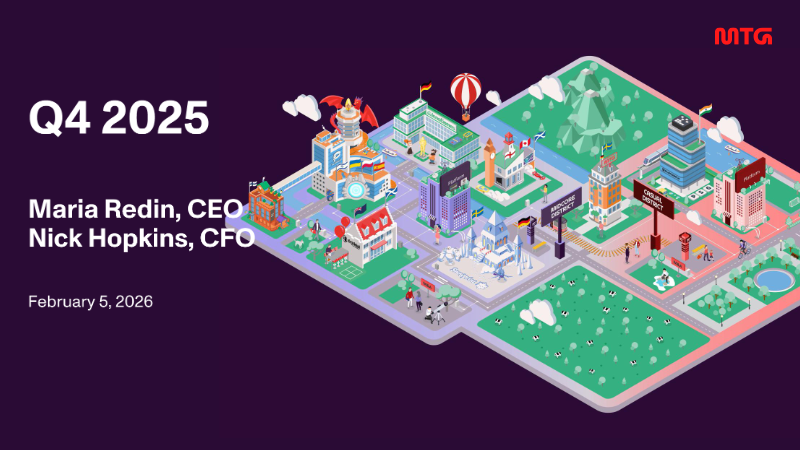
Modern Times Group · 2026

InvestGame · 2026
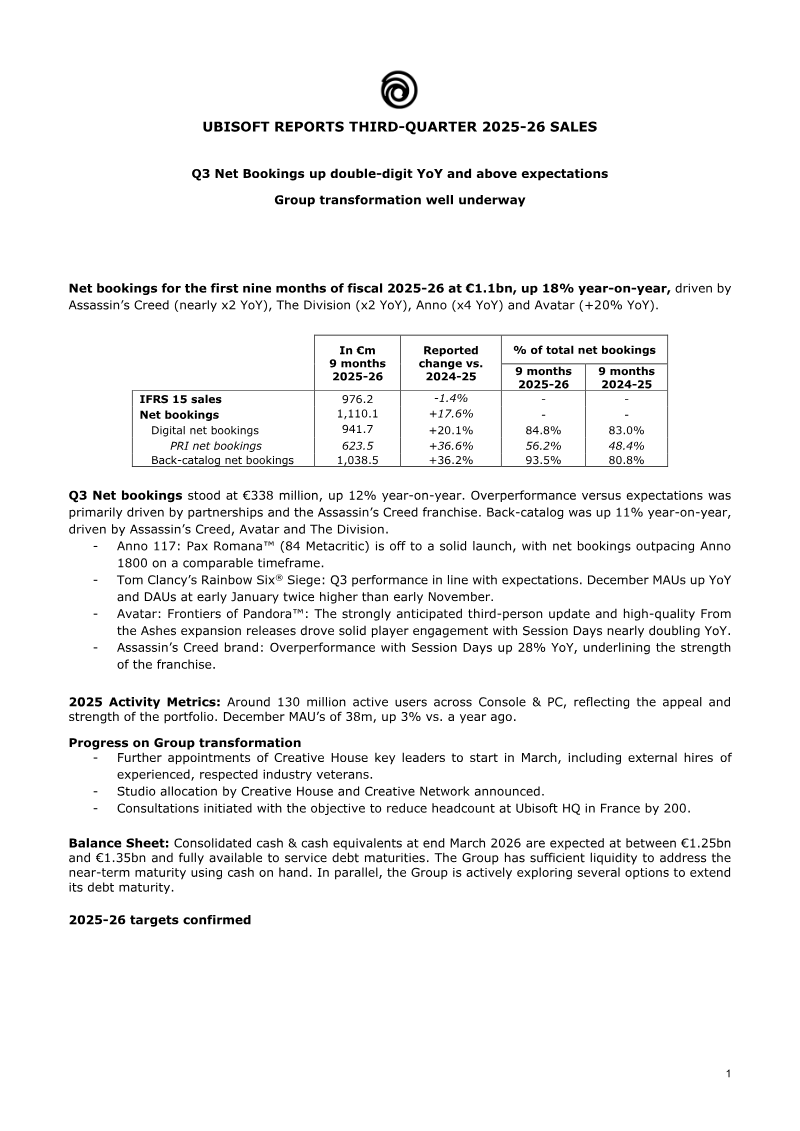
Ubisoft · 2026
AppMagic · 2026
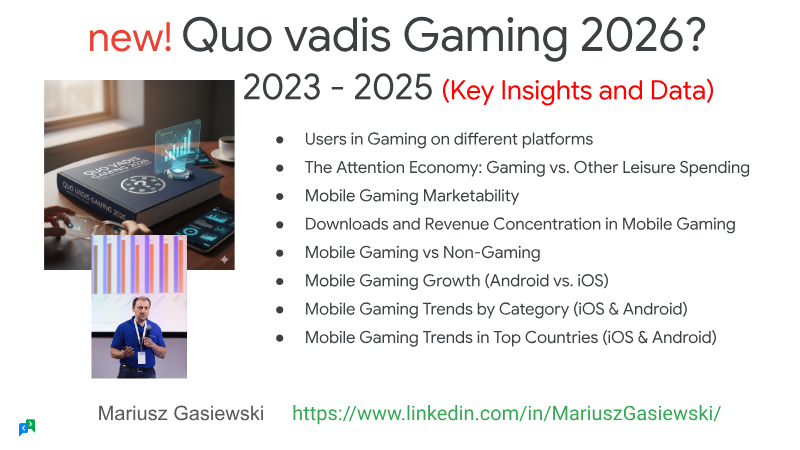
InvestGame · 2026